
Puthiya Niyamam
Year: 2016
Runtime: 133 mins
Language: Malayalam
Director: A K Sajan
Louis Pothen is a multifaceted man, working as a divorce lawyer, television debate participant, and film critic. He lives in a city apartment with his wife, Vasuki Iyer, a talented Kathakali dancer, and their daughter. When a sudden incident leads to Vasuki withdrawing into herself, the narrative delves into her recent past and the challenges she faces in overcoming it. The film explores their family dynamics and the impact of this pivotal event.
Warning: spoilers below!
Haven’t seen Puthiya Niyamam yet? This summary contains major spoilers. Bookmark the page, watch the movie, and come back for the full breakdown. If you're ready, scroll on and relive the story!
Timeline – Puthiya Niyamam (2016)
Trace every key event in Puthiya Niyamam (2016) with our detailed, chronological timeline. Perfect for unpacking nonlinear stories, spotting hidden connections, and understanding how each scene builds toward the film’s climax. Whether you're revisiting or decoding for the first time, this timeline gives you the full picture.
Last updated: October 03, 2025 at 06:45
Puthiya Niyamam (2016) Timeline Questions Answered – Chronology FAQ
Find frequently asked questions about the Puthiya Niyamam (2016) timeline, including chronological order, nonlinear jumps, cause-and-effect links, and scene sequence clarifications. This timeline FAQ helps explain when key events happen, how moments connect, and why the story unfolds in that specific order.
Why did Vasuki talk about street harassment by fish vendors instead of telling Jeena about her actual assault?
Vasuki was too traumatized to directly recount the assault. When she called Jeena Bhai, she could only discuss the broader pattern of harassment she witnessed, the lewd remarks from fish vendors Sura and Shibu, because confronting the specific traumatic event was too painful. This deflection was a coping mechanism, and it wasn't until later that she revealed the full truth about what happened on the terrace.
The earlier scene showing fish vendors making lewd comments to housewives establishes the street-level harassment that Vasuki references.
How was Louis able to impersonate Jeena Bhai on the phone?
Louis used mobile voice-morphing software that can transform a male voice into a female voice. This technology allowed him to disguise himself as Police Commissioner Jeena Bhai when communicating with Vasuki. He had obtained Jeena's phone number from Vasuki's phone and used the software to guide her throughout her revenge campaign while remaining hidden.
Why did Louis decide to guide Vasuki toward killing the men who assaulted her?
Louis believed that seeking justice through legal channels would be futile and potentially cause more damage to their family. When he learned from Swami that Vasuki had been assaulted, he concluded that the only path to absolution for both of them was to ensure the perpetrators faced fatal consequences. By impersonating Jeena, Louis could push Vasuki toward action while maintaining plausible deniability and preserving their marriage.
What does Takotsubo mean in the context of the film?
Takotsubo is a concept introduced by Jeena Bhai (who was actually Louis) that refers to driving the perpetrators toward suicide as a final form of punishment. The term is derived from the Japanese word for octopus trap, describing a method where victims are pushed to the point of desperation that they choose to end their own lives rather than face public exposure and shame.
Why did Sudeep and Aryan choose to commit suicide instead of facing legal consequences?
Vasuki, using the alias Jeena, systematically exposed the culprits through their own leaked material, photographs and videos from a pen camera that Aryan and Shibu had forgotten on the terrace during the assault. The public scandal and inevitable shame became unbearable. Sudeep was overwhelmed by the exposure and took his own life, while Aryan, convinced that exposure was inevitable and with Vasuki telling him 'death is your only escape now,' also ended his life.
How did Vasuki obtain the photographs and videos used to expose the perpetrators?
Vasuki retrieved the leaked material from the pen camera that Aryan and Shibu had left behind on the terrace during the assault. This camera contained incriminating photographs of Kani Mohan and his sister, along with videos that documented the perpetrators' actions. These materials became the foundation for Vasuki's plan to manipulate and expose each culprit.
Why did Pachabhasmam refuse to open the terrace door when Vasuki was being assaulted?
Pachabhasmam, the apartment's ironer, blocked Vasuki's escape by refusing to open the terrace door during the assault. His betrayal was critical, without his cooperation, Vasuki was trapped with Aryan and Sudeep. The exact reason for his betrayal is not explicitly stated in the film, but his complicity made him the first target in Vasuki's revenge campaign.
What happens to Vasuki and Louis's marriage after the truth is revealed?
Louis chooses to keep his deception hidden from Vasuki, allowing their marriage to continue despite the fundamental lie at its core. The film ends with an ambiguous tableau, Vasuki and Louis maintain their relationship, but it is built on a fragile happiness rooted in Louis's manipulation. The film poses a moral question: can a marriage truly survive a truth that redefines the justice they sought together?
Why did Vasuki decide to kill her attackers instead of pursuing legal justice?
Vasuki's trauma left her believing that conventional justice would be insufficient and potentially retraumatizing. When Jeena Bhai (actually Louis) challenged her to consider the consequences of inaction, Vasuki's resolve hardened, she concluded that the culprits deserved death, not her. The formal legal process would have required her to publicly recount the assault, which she could not bear to do.
Who is Swami and what did he witness regarding the assault?
Swami is Louis and Vasuki's neighbor who witnessed Vasuki's rape from his window. However, he was too far away to intervene in time. His account later becomes crucial when he tells Louis what actually happened on the terrace, providing Louis with the truth that sets the entire revenge plot in motion.
How did Vasuki make Pachabhasmam's death look like an accident?
Vasuki used a cunning method to stage Pachabhasmam's death as an accident. She peppered the ironer he worked with and tampered with his asthma inhaler. When he used the inhaler during his work, the combination of the pepper irritation and his asthma trigger caused his death, appearing as a tragic workplace accident rather than foul play.
What is the main moral question the film raises about vengeance?
The film leaves a stark moral question: does the pursuit of vengeance justify the means, and can a marriage survive a truth that redefines the justice they sought? By depicting Vasuki's transformation from victim to vigilante and revealing Louis's manipulation, the film explores themes of power, guilt, trauma, and whether taking the law into one's own hands can ever be justified.

Explore Movie Threads
Discover curated groups of movies connected by mood, themes, and story style. Browse collections built around emotion, atmosphere, and narrative focus to easily find films that match what you feel like watching right now.
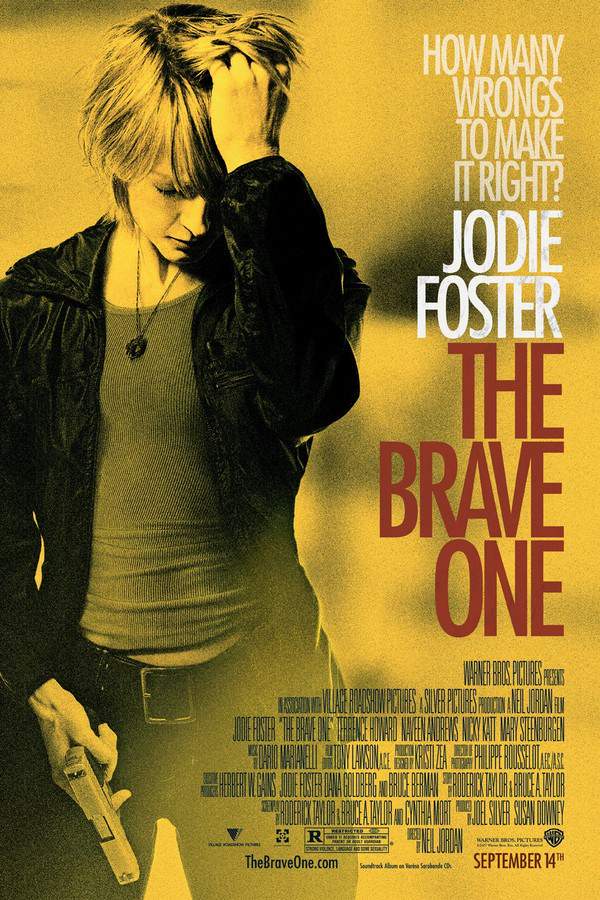
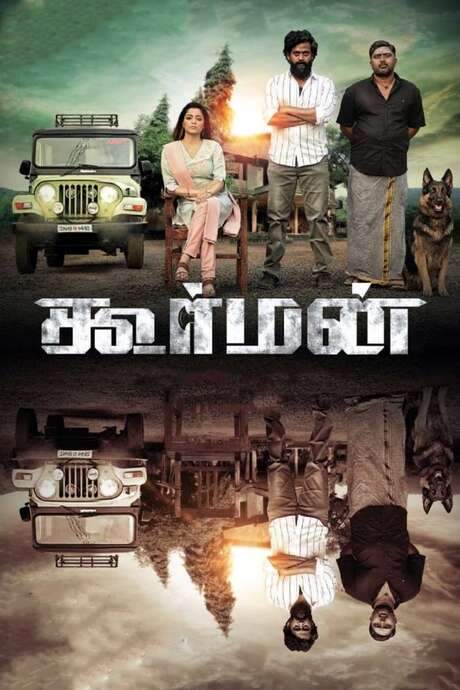
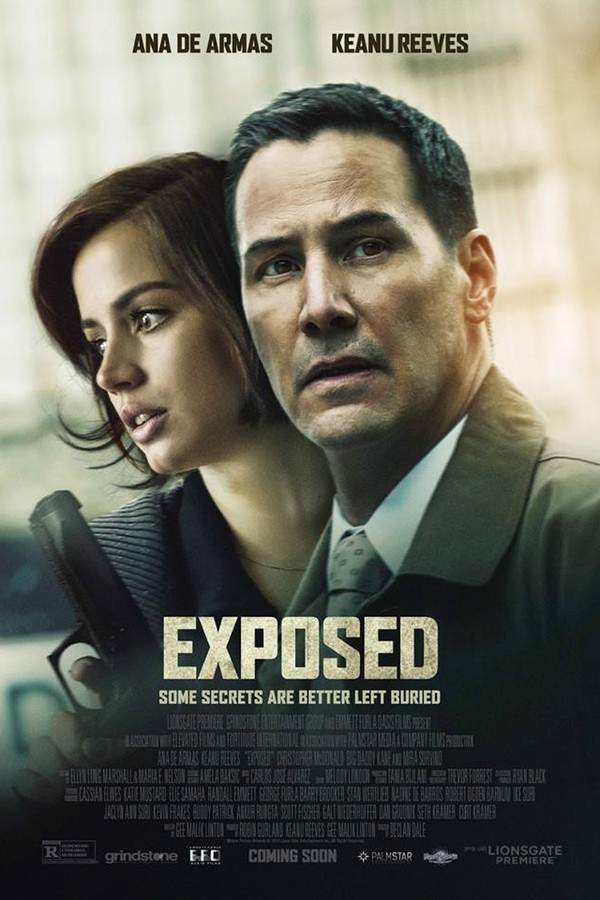
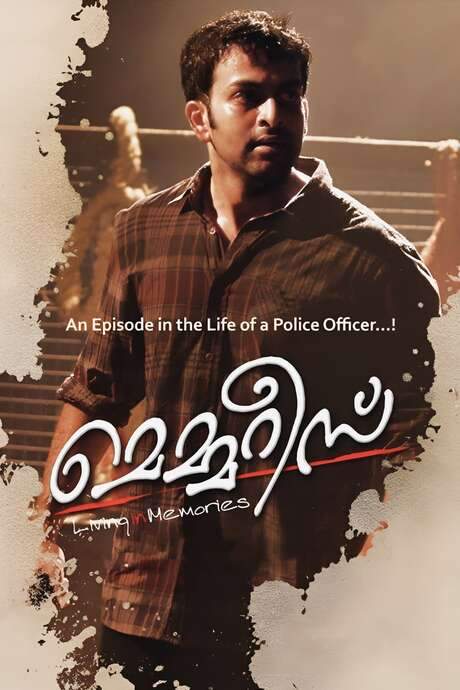
Vigilante Justice Stories Like Puthiya Niyamam
Ordinary individuals taking justice into their own hands after a life-shattering crime.If you liked the dark, vengeful journey in Puthiya Niyamam, explore these movies about trauma survivors who take justice into their own hands. These films share a heavy emotional weight, moral ambiguity, and a focus on the psychological cost of revenge.











Narrative Summary
The narrative typically begins with a devastating crime that shatters the protagonist's world. The central conflict is their internal struggle with trauma and their external, methodical plan for revenge. The plot structure follows their descent, often blurring the lines between victim and perpetrator, and culminates in a confrontation that questions the very nature of justice.
Why These Movies?
Movies are grouped here for their shared exploration of the vigilante archetype born from profound personal trauma. They are united by a dark tone, a steady, deliberate pacing that builds tension, and a heavy emotional core that forces the audience to confront difficult questions about morality and retribution.
Dark Marriage Dramas Like Puthiya Niyamam
Stories where a seemingly normal relationship hides a labyrinth of manipulation and dark secrets.For viewers fascinated by the complex, deceptive marriage at the heart of Puthiya Niyamam, this collection showcases similar movies. Discover stories where relationships are psychological battlegrounds, filled with secrets, manipulation, and a claustrophobic sense of dread.

Dream Lover
1994

A Good Marriage
2014
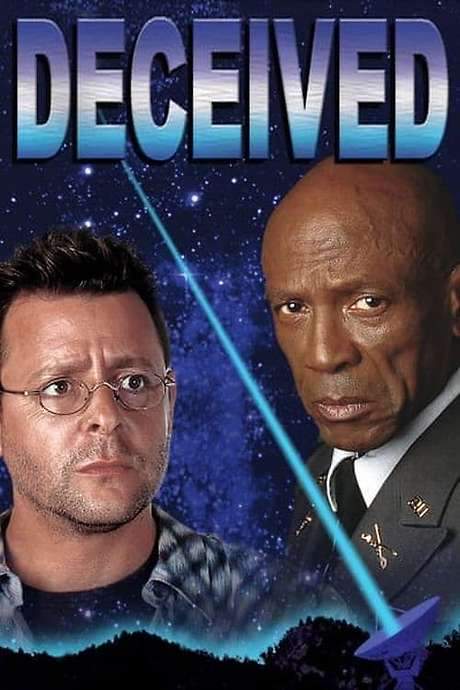
Deceived
2002

Loving Adults
2022
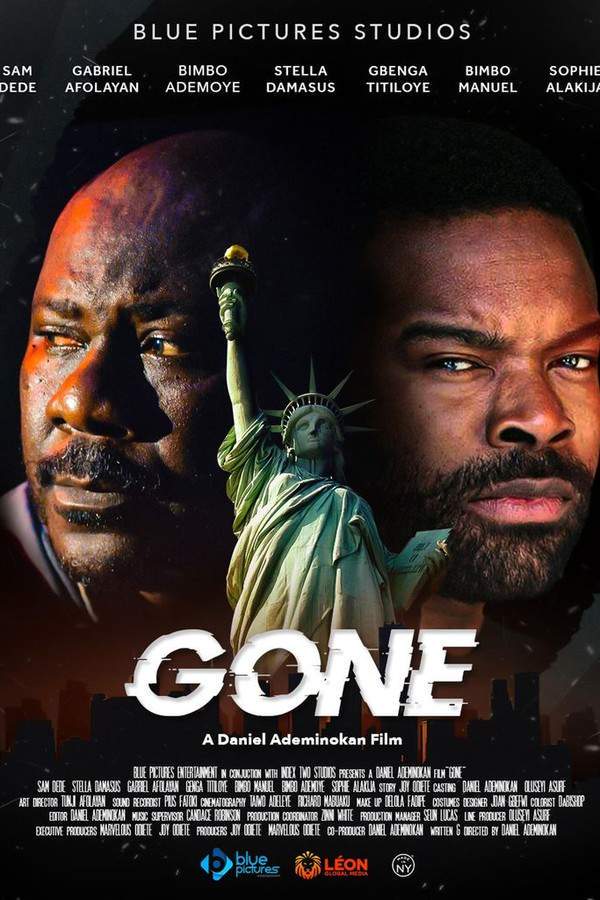
Gone
2012

The Bridesmaid
2006

Imaginary Friend
2012

Deep Water
2022
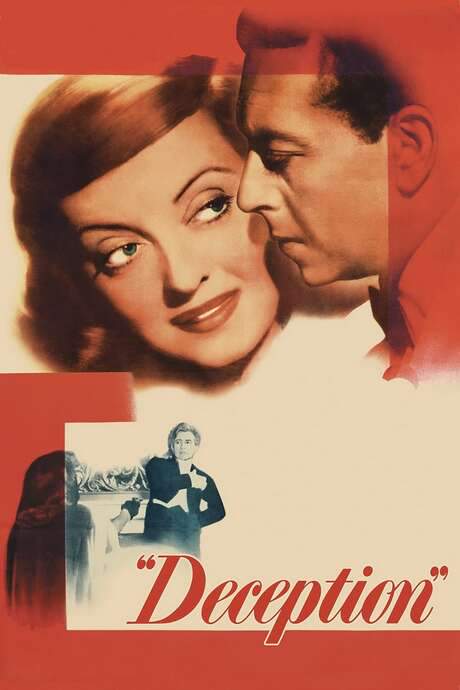
Deception
1946

Lost in the Stars
2022

Temptation: Confessions of a Marriage Counselor
2013

Too Good to Be True
1988

Men Are Not Gods
1936

Double Door
1934

True Story
2015
Narrative Summary
These narratives often present a couple with a seemingly stable exterior. Through a pivotal incident or a slow-burn revelation, the story delves into the power dynamics and hidden manipulations within the relationship. The journey is one of psychological discovery, where a character realizes their partner is not who they seemed, leading to a tense and ambiguous resolution about the future of their union.
Why These Movies?
These films are grouped by their central focus on a relationship as a source of psychological tension and thriller elements. They share a claustrophobic atmosphere, a steady pacing that allows secrets to simmer, and a high intensity derived from personal betrayal rather than external action.
Unlock the Full Story of Puthiya Niyamam
Don't stop at just watching - explore Puthiya Niyamam in full detail. From the complete plot summary and scene-by-scene timeline to character breakdowns, thematic analysis, and a deep dive into the ending - every page helps you truly understand what Puthiya Niyamam is all about. Plus, discover what's next after the movie.
Puthiya Niyamam Summary
Read a complete plot summary of Puthiya Niyamam, including all key story points, character arcs, and turning points. This in-depth recap is ideal for understanding the narrative structure or reviewing what happened in the movie.

Characters, Settings & Themes in Puthiya Niyamam
Discover the characters, locations, and core themes that shape Puthiya Niyamam. Get insights into symbolic elements, setting significance, and deeper narrative meaning - ideal for thematic analysis and movie breakdowns.


