Year: 1985
Runtime: 95 mins
Language: Korean
Directors: Shin Sang-ok, Chong Gon Jo
After being banned for ten years, the film follows starving peasants in feudal Korea who rebel against a tyrannical king. They discover a mysterious metal monster that grows larger with each offering, and they harness it to turn the king’s forces against him, turning the creature into a symbol of popular resistance.
Warning: spoilers below!
Haven’t seen Pulgasari yet? This summary contains major spoilers. Bookmark the page, watch the movie, and come back for the full breakdown. If you're ready, scroll on and relive the story!
Read the complete plot breakdown of Pulgasari (1985), including all key story events, major twists, and the ending explained in detail. Discover what really happened—and what it all means.
In feudal Korea, toward the end of the Goryeo dynasty, a king’s iron rule leaves the peasantry starving and powerless. Takse, Gwon Ri, the land’s finest blacksmith, is imprisoned and starved for defending his people. Before he dies, he carves a tiny rice figurine of a monster and pleads with the gods to turn his creation into a living guardian for the rebels. The figure finds its first home with his daughter Ami, Chang Son Hui. When Ami accidentally wounds herself while sewing, the figure touches her blood and comes to life. The creature, Pulgasari, Kenpachirō Satsuma, emerges and, drawing from the myth of an iron-eater, bonds with Ami and grows into a formidable metal-eating guardian.
Pulgasari forms a close bond with Ami and grows ever stronger after feeding on a farmer’s tools. With hunger as its fuel, the monster becomes a towering protector, and the peasants rally around this unlikely ally as they plan to overthrow the monarchy. General Fuan, Riyonun Ri, commands the royal army and faces the uneasy alliance between people and monster. The rebels capture Ami and threaten to kill her unless Pulgasari enters a massive cage they have prepared. The creature lets itself be trapped to save Ami and is set ablaze, but remains unharmed.
Undeterred, the rebels storm the region’s Governor’s palace and strike a decisive blow. They kill the governor, and the king begins to grasp that a rebellion is spreading. Pulgasari continues to win battles by devouring the metal weapons of the royal army, turning its fearsome appetite into an alarming advantage for the rebels. The royal forces respond by burying Pulgasari, capturing Inde, Ham Gi Sop, the rebellion’s leader whom Ami is betrothed to, and threatening Ami with death if the rebels do not surrender.
Ami escapes and, with resolve, revives Pulgasari by pouring some of her blood onto the burial site. The monster rises again, more immense than before, and launches a new assault on the king’s palace, bringing it to ruin and ending the king’s rule. Yet triumph comes with a grim realization: Pulgasari’s hunger now stretches beyond mere defense, as it begins to consume the weapons and tools of peasants and soldiers alike. The people start to fear that their savior may become a new oppressor.
Aware of this dangerous turn, Ami makes a final, selfless choice. She hides inside a large bell that Pulgasari discovers and promptly eats. The monster emits a cry of anguish as Ami’s presence within its body causes it to turn to stone and crumble, killing both of them but saving the people from a future ruled by iron and fear.
Last Updated: October 09, 2025 at 14:45
Discover curated groups of movies connected by mood, themes, and story style. Browse collections built around emotion, atmosphere, and narrative focus to easily find films that match what you feel like watching right now.
Mythical beasts become symbols of uprising and its complicated costs.If you liked Pulgasari's use of a monster as a metaphor for popular resistance, explore similar movies where mythical creatures or forces become symbols of rebellion. These films often combine dark fantasy with heavy political themes, depicting the epic and tragic costs of fighting oppression with powerful, ambiguous tools.
These narratives typically follow a desperate group who discover or awaken a powerful entity. Initially a savior against a clear enemy, the monster's true nature or escalating demands force the characters to confront the moral price of their liberation, culminating in a sacrifice or difficult choice to prevent the new power from becoming a new tyranny.
Movies in this thread share a core narrative structure: a monster-as-metaphor for revolution. They are united by a dark, epic tone, high emotional stakes centered on survival and sacrifice, and a thematic focus on the double-edged sword of power, whether wielded by a king or a rebellion.
Ancient myths and desperate survival collide under the weight of tyranny.Fans of Pulgasari's blend of folk legend with a grim feudal setting will find similar movies here. These stories use mythic elements to explore themes of famine, survival, and resistance within an oppressive society, creating an epic yet tragic feel with a steady, weighty pacing.
Stories in this thread unfold in a world defined by scarcity and control, where a folkloric element—a creature, a curse, or a legend—is woven into the lives of desperate people. The plot follows their struggle, using the myth as a catalyst for change, but the outcome is often shadowed by the high cost of their harsh reality, leaving a poignant mark.
These films are grouped by their shared atmosphere: a dark, mythic mood born from the fusion of folkloric fantasy and a grim, realistic setting of oppression. They share a steady pacing that allows the weight of the world to settle, high emotional stakes, and a tone that balances epic scale with intimate tragedy.
Don't stop at just watching — explore Pulgasari in full detail. From the complete plot summary and scene-by-scene timeline to character breakdowns, thematic analysis, and a deep dive into the ending — every page helps you truly understand what Pulgasari is all about. Plus, discover what's next after the movie.
Track the full timeline of Pulgasari with every major event arranged chronologically. Perfect for decoding non-linear storytelling, flashbacks, or parallel narratives with a clear scene-by-scene breakdown.
Discover the characters, locations, and core themes that shape Pulgasari. Get insights into symbolic elements, setting significance, and deeper narrative meaning — ideal for thematic analysis and movie breakdowns.
Get a quick, spoiler-free overview of Pulgasari that covers the main plot points and key details without revealing any major twists or spoilers. Perfect for those who want to know what to expect before diving in.
Visit What's After the Movie to explore more about Pulgasari: box office results, cast and crew info, production details, post-credit scenes, and external links — all in one place for movie fans and researchers.
Discover movies like Pulgasari that share similar genres, themes, and storytelling elements. Whether you’re drawn to the atmosphere, character arcs, or plot structure, these curated recommendations will help you explore more films you’ll love.
Pulgasari (1985) Scene-by-Scene Movie Timeline
Pulgasari (1985) Movie Characters, Themes & Settings
Pulgasari (1985) Spoiler-Free Summary & Key Flow
Movies Like Pulgasari – Similar Titles You’ll Enjoy
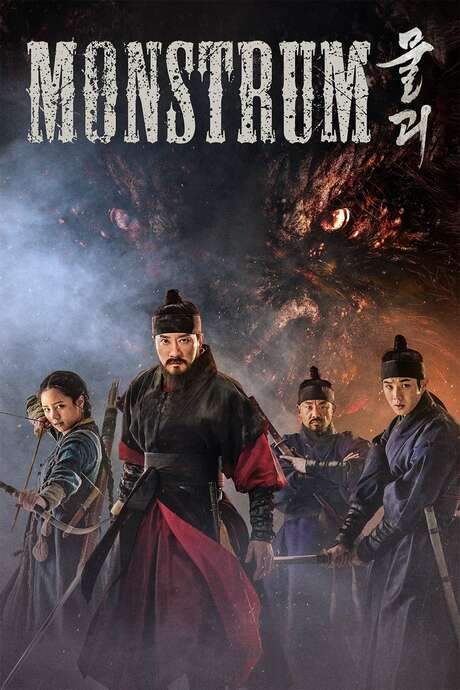
Monstrum (2020) Ending Explained & Film Insights
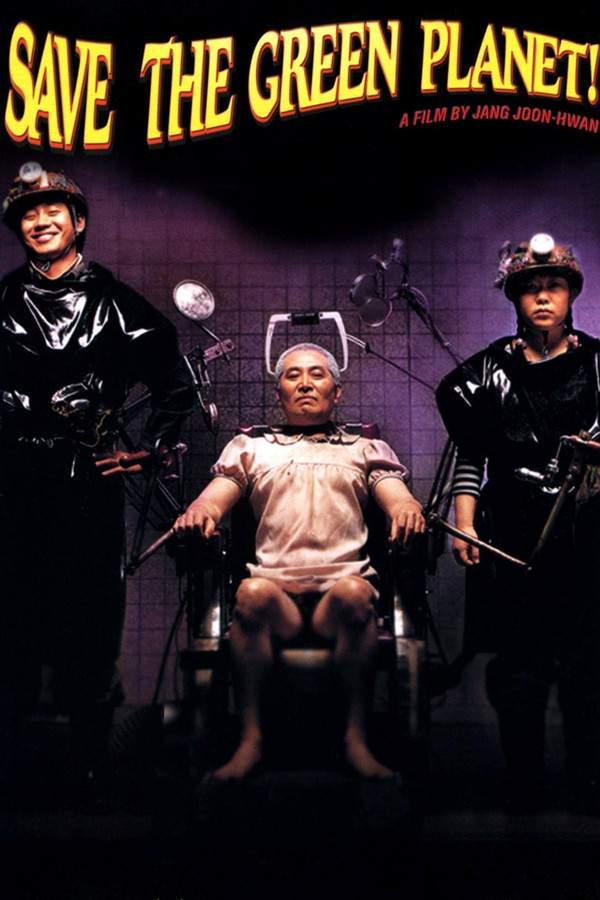
Save the Green Planet! (2005) Story Summary & Characters
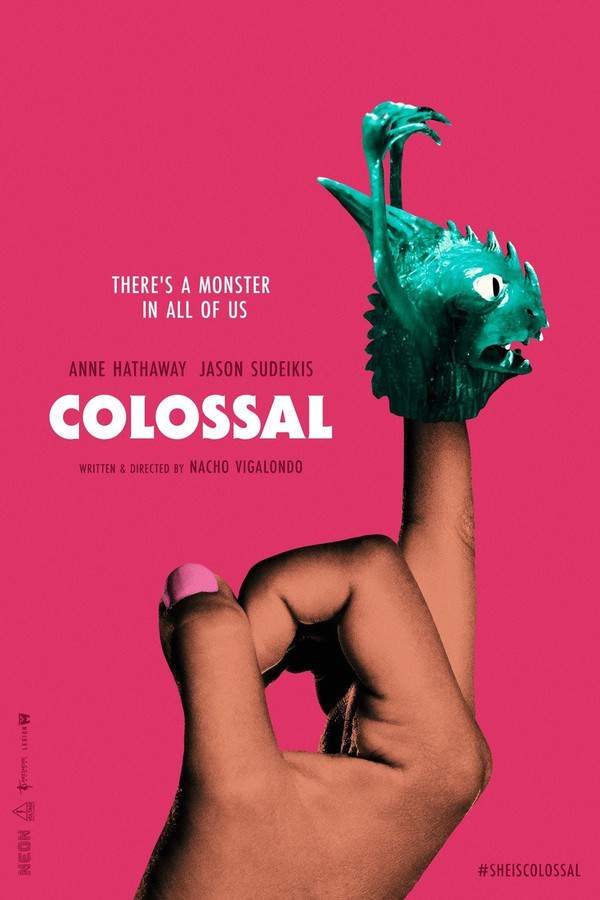
Colossal (2017) Movie Recap & Themes
Bunraku (2011) Full Summary & Key Details
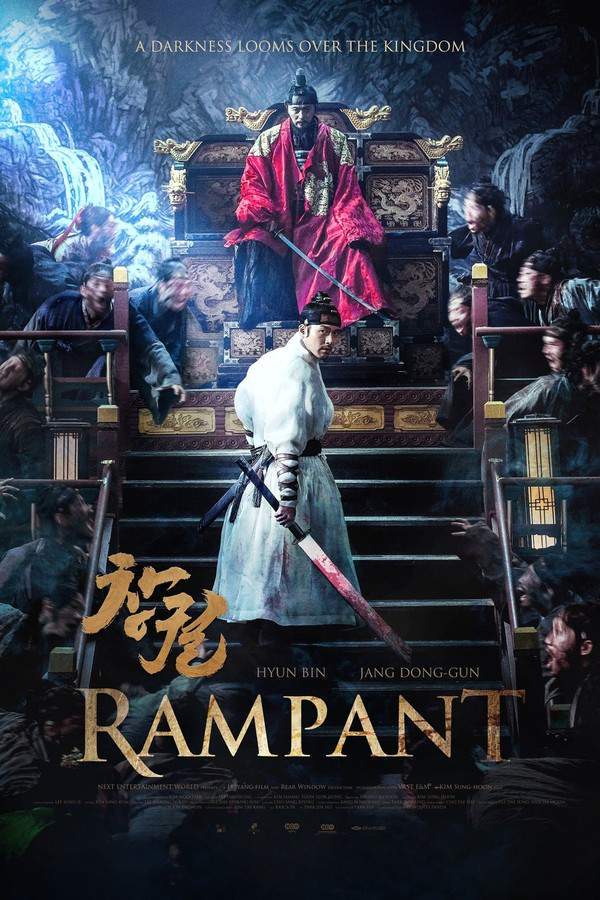
Rampant (2018) Movie Recap & Themes
Monstrum (2018) Movie Recap & Themes
Kaiju Bunraku (2017) Complete Plot Breakdown
Kung Fu Monster (2018) Full Summary & Key Details
Hong Kil-dong (1986) Story Summary & Characters
War Of The God Monsters (1985) Ending Explained & Film Insights
War Of The God Monsters (1985) Plot Summary & Ending Explained
A*P*E (1976) Ending Explained & Film Insights
Yongary, Monster from the Deep (1967) Detailed Story Recap
Godzilla (1954) Full Summary & Key Details
Space Monster Wangmagwi (1967) Story Summary & Characters