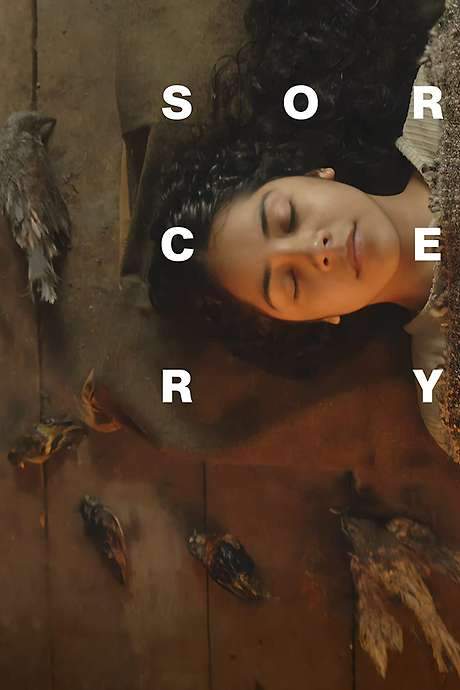
In late 19th-century Chiloé, Rosa Rain Valentina Véliz Caileo — the indigenous girl — and her father toil for German settlers who raise sheep, living under a fragile balance between two worlds. A lamb massacre becomes a flashpoint when the German patriarch Stefan Sebastian Hülk lays blame on the local indigenous community, fanning tensions that threaten the quiet life Rosa knows. When Rosa's father steps in, he is torn from this world by Stefan's dogs, a brutal act that leaves Rosa drowning in grief and anger. She turns to the town mayor, hopeful for justice, only to find that the mayor is unwilling to jeopardize the fragile harmony with the German settlers and refuses to intervene. Desperate for guidance, Rosa seeks solace at the church, where a guardrelike presence offers a path forward. The Sergio Sauvalle portraying the Cura becomes a steady anchor, arranging for Rosa to stay with Mateo Daniel Antivilo, an indigenous elder who lives alone and carries the weight of ancestral memory.
Mateo welcomes Rosa into his quiet world by the sea, where she helps with fishing and learns to listen to the land and the waves. They visit Rosa's father's grave, a place where the old tides seem to speak of memory and justice. Mateo shares a somber truth he has learned: a parent’s spirit, he says, belongs to the sea, always moving, always watching. Overwhelmed by grief, Rosa nearly relinquishes hope and attempts to end her suffering by drowning, but Mateo intervenes in time, saving her from the depths. This act deepens Rosa's resolve to honor her father's memory, and she asks Mateo to consult the indigenous community about redress. Mateo agrees, understanding that healing must involve more than personal vengeance—an entire people must find a way to speak with one voice.
Soon after, turmoil erupts as Stefan's sons disappear, and the mayor lashes out, arresting Mateo and other locals. With Mateo imprisoned, Rosa is pulled into a perilous new allegiance when a local witch receives her. Under the witch's tutelage, Rosa begins to explore a path that rejects the forms of Christianity she was raised with, embracing the island's ancient beliefs and the power the witch wields. The two are captured during a ritual that involves skin-wearing, an act that binds danger to the people who patrol this uneasy borderland between belief and survival. Stefan looms as a relentless force, pressing for a swift resolution to the crisis that could cement his hold on the island.
The mayor, chasing a promotion, offers a grim bargain: leniency for Mateo’s people if they can save his ailing wife and unborn child. Rosa, now empowered by the dark magic she is learning, urges Mateo to resist at first, but she persists, believing the risk is necessary to secure a future for her community. In a dramatic turn, Rosa uses her newfound skills to save the mayor’s family, demonstrating the strength of her transition from grief to agency. Yet the mayor betrays them, declaring that the ritual skin used in the earlier tests belongs to Stefan’s children, and he sentences all those in custody to death, breaking the fragile trust that had formed between the two sides.
Mateo dies in jail, a blow that hardens Rosa’s resolve. The remaining prisoners enact a final ritual in which Rosa wears Mateo’s skin and transforms into a powerful dog, a figure both protective and feared. As the night-shaded canine, she slips into the mayor’s home, threatening his family to force his hand. Frightened by the consequences, the mayor finally relents, releasing Rosa and the others from danger. Yet the island’s political wounds run deeper, and Rosa’s arc continues as she leads another ritual, fully embracing the path she has chosen and the power she now wields.