Plot Explained Spoilers guaranteed!
Plot Explained

Browse by genre

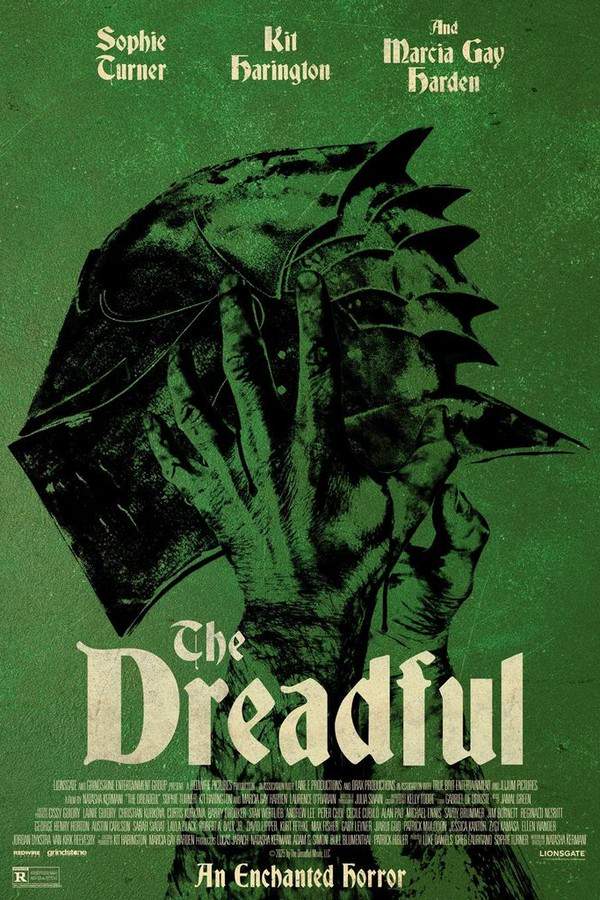
The Dreadful (2026) movie poster

Plot Summary

The Dreadful (2026) Plot Summary & Ending Explained

Release, runtime and language
2026 · 1 h 34 m · English
Echo score 52
JustWatch #5,738 15
Directed by
Natasha Kermani
Starring
Kit Harington, Sophie Turner, Marcia Gay Harden, Jonathan Howard, Laurence O'Fuarain, Tigerlily Langford

Set in medieval England, Anne (Sophie Turner) and her domineering mother‑in‑law Morwen (Marcia Gay Harden) eke out a precarious existence on society’s fringes. When a former lover returns from war, an ancient curse awakens, embodied by a mysterious knight, and threatens to destroy both women and their world.

On this page (6)
  1. 1 Where to watch
  2. 2 What happens: full plot
  3. 3 Plot questions answered
  4. 4 How it ends
  5. 5 Movie threads
  6. 6 Every angle

Where to watch

Where to Watch The Dreadful (2026)

Where can you watch The Dreadful? Stream, rent or buy it in the US, including on Amazon Prime Video, Amazon Video and Apple TV Store: current JustWatch availability with up-to-date prices.

Streaming availability powered by JustWatch

Full plot summary · contains spoilers

What Happens in The Dreadful: Full Plot Summary

The whole story of The Dreadful (2026) explained, from the opening scene to the final frame: every key event, every twist and what it all adds up to. Read it as a quick recap before the sequel, to check a scene you missed, or to finally understand what really happened.

Anne, Sophie Turner, and her mother-in-law Morwen, a world-weary and unpolished survivalist, scrape by in a late-medieval village while awaiting Seamus, Laurence O'Fuarain's return from the Wars of the Roses. Anne is introspective, gentle, and devout, a quiet contrast to Morwen’s rough pragmatism, yet their bond remains steadfast and affectionate even as hardship tightens its grip around them.

Jago, Kit Harington, Seamus's childhood friend, comes back from war claiming that they deserted—though he insists Seamus was slain by thieves. Morwen remains wary, but Jago’s tale gradually confirms Anne’s dream of Seamus’s death. In the woods, Anne begins to glimpse an armored knight, a figure that gnaws at the edges of her waking life and conscience.

Jago presses his suit on Anne while Morwen warns that he envied Seamus and will steal her away, spinning dark threats about the Knights of Hell should she abandon her duties to Morwen and forget her late husband. When a ship wrecks nearby, the women scavenge its remnants, and Morwen secretly kills survivors. She slits the throat of a pilgrim priest, Friar Penrose, for relics, and a horrified Anne helps hide the body.

As Anne grows closer to Jago, he comforts her that the knight she sees may be real. After a dream in which Morwen becomes a demon, Anne sleeps with Jago. He urges her to leave Morwen and join him, but Anne admits that Morwen both needs and frightens her. Morwen tightens her grip, using Anne as a distraction to kill and rob travelers, and a horse figurine from one victim crops up in Anne’s mind as a sign from the demonic knight.

Morwen threatens Jago with a knife when he visits Anne and fills Anne with terror with tales of the Knights of Hell should she walk away. After an internal battle, Anne drugs Morwen and slips away to spend a bright day with Jago. When Morwen awakens, she encounters the knight herself and follows the lovers. When the knight collapses, clawing at his helmet, she kills him for his purse.

After their night together, Anne confides her envy of a local Lady’s wealth and fears the demon Mammon has been nudging her toward greed; Jago reassures her that such feelings are natural. Anne resolves to live with Jago, defying Morwen, who reacts with rage. The couple’s new life soon fractures when Anne catches Jago in a lie about Seamus’s death. Jago finally confesses that Seamus grew ruthless in war, murdering comrades for loot. He killed an armored knight and stole his helmet; wearing it, Seamus screamed as if burning. Jago fled and later lied about Seamus’s death to win Anne.

In a flashback, Morwen removes the dead knight’s helmet and discovers she killed her own son, his face grotesquely diseased and demonic. She dons the helmet to frighten Anne, but it burns her and she cannot remove it. Anne splits the helmet with a cross, revealing Morwen, now disfigured and begging forgiveness for her sins.

The helmet’s curse stubbornly returns. Anne, unafraid, picks it up despite Morwen’s warnings and appears to Morwen like an angel, even as Morwen goes blind. Refusing both Jago’s and Morwen’s claims of ownership over her, Anne retrieves the helmet from a chest in the woods, and lets it whisper to her, listening to its dark counsel as the story closes.
Last updated: April 05, 2026 at 17:04

Was this helpful?

Plot questions answered

The Dreadful Plot Explained: Your Questions Answered

The questions people ask most about The Dreadful (2026): what happens in the confusing scenes, why the characters do what they do, the twists, hidden details and what the ending means. Each answer contains spoilers.

Q1

Why does Anne keep seeing the armored knight in the woods?

Anne sees the armored knight because it is actually her husband Seamus, who is alive but cursed. After killing an armored knight in war and stealing his helmet, Seamus wears it and becomes consumed by a demonic presence. He wanders the woods near the cottage, appearing to Anne as a ghostly figure. The knight is not a supernatural ghost but Seamus himself, transformed by the cursed helmet that binds him to its dark power.

Foreshadowing: Anne's earlier dreams of Seamus's death foreshadow the knight's true identity.

  • armored knight
  • seamus
  • curse
  • woods
  • helmet
Q2

What is the demonic helmet in the movie?

The helmet is a cursed artifact that grants power but also corrupts and consumes the wearer. It belongs to a demonic knight tied to Mammon, a demon of greed. Whoever wears the helmet becomes possessed by the demonic spirit, their face becomes grotesquely disfigured, and they experience intense burning pain. The helmet cannot be easily removed and seems to have a will of its own, drawing its wearer into darkness.

Foreshadowing: The horse figurine given to Anne as a sign from the demonic knight hints at the helmet's occult nature.

  • helmet
  • curse
  • demon
  • mammon
  • artifact
Q3

Why doesn't Morwen recognize the knight as her own son Seamus?

Morwen does not recognize the knight because the cursed helmet has completely transformed Seamus's appearance. When Seamus wears the helmet, his face becomes grotesquely diseased and demonic, the helmet literally consumes and disfigures the wearer. Additionally, years have passed since Seamus left for war, and the curse has twisted his physical form beyond recognition. Morwen only discovers the truth when she removes the helmet after killing him and sees her son's diseased face beneath.

Foreshadowing: The early descriptions of the knight as a shadowy, mysterious figure foreshadow his altered state.

  • morwen
  • seamus
  • helmet
  • recognition
  • disfigurement
Q4

What really happened to Seamus after the war?

Seamus did not die by thieves as Jago claimed. During the Wars of the Roses, Seamus became ruthless and started killing fellow soldiers for loot. He encountered an armored knight, killed him, and stole the helmet. When Jago puts on the cursed helmet, Seamus screams as if burning, the helmet has corrupted him completely. Jago fled in fear and later lied about Seamus's death to win Anne for himself.

Foreshadowing: Jago's claim that thieves killed Seamus contradicts Anne's dreams, hinting at deception.

  • seamus
  • war
  • jago
  • death
  • helmet
  • killed
Q5

Why does Morwen lose her sight at the end?

Morwen goes blind as the final consequence of her sins and her confrontation with the cursed helmet. She murdered her own son Seamus while he wore the helmet, took his purse, and later wore the helmet herself to frighten Anne, only to have it burn her face and leave her disfigured. Her blindness represents divine or supernatural punishment for her many crimes (killing shipwreck survivors, murdering Friar Penrose, and killing her own child). The curse takes her sight as payment for her transgressions.

Foreshadowing: Morwen's progressive crimes throughout the film build toward this divine retribution.

  • morwen
  • blind
  • curse
  • sins
  • punishment
Q6

Why does Anne pick up the helmet again at the end?

Anne takes up the cursed helmet because she refuses to let either Jago or Morwen control her fate. After rejecting both her lover and her mother-in-law, she asserts her own agency by confronting the curse directly. Unlike Morwen, who was burned by the helmet, Anne is unafraid. She listens to its dark counsel, suggesting she may be choosing to embrace its power rather than be victim to it. The ambiguous ending implies Anne might be using the helmet's influence for her own purposes, though whether she becomes its master or victim remains uncertain.

Foreshadowing: Anne's earlier ability to split the helmet with a cross showed she could control it.

  • anne
  • helmet
  • choice
  • agency
  • curse
  • darkness
Q7

What is Mammon and how does it factor into the story?

Mammon is a demon of greed mentioned in the film, representing the corrupting influence driving the characters' moral decay. Anne fears that Mammon has been influencing her toward greed and envy, particularly when she envies the local Lady's wealth. The cursed helmet is connected to Mammon's power, it is an instrument of this demon, and wearing it binds the wearer to its service. The demon's influence manifests through the helmet's power to corrupt and transform those who wear it.

Foreshadowing: The horse figurine from a victim appears to Anne as a sign from this demonic force.

  • mammon
  • demon
  • greed
  • corruption
  • helmet
Q8

Why does Jago lie about how Seamus died?

Jago lies about Seamus's death because he wants Anne for himself. When Jago returned from the war, he found Seamus already corrupted by the cursed helmet and chose to abandon his childhood friend rather than help him. Jago then fabricated the story that thieves killed Seamus, knowing Anne had already dreamed of his death. This lie allowed Jago to court Anne without competition. Anne only learns the truth when she catches Jago in another lie, forcing him to confess that Seamus was killed by his own greed and the cursed helmet.

Foreshadowing: Morwen's warning that Jago envied Seamus and would steal Anne away foreshadows his deception.

  • jago
  • lie
  • seamus
  • death
  • envy
  • deception
Q9

Why does the helmet burn Morwen when she tries to wear it?

The helmet burns Morwen because the curse rejects her, it only accepts those whose hearts are open to its corruption or those it chooses. When Morwen dons the helmet to frighten Anne, the helmet's demonic power recognizes her sins and rejects her, literally burning her face and causing her to be unable to remove it initially. This contrasts with Anne, who can handle the helmet without harm, suggesting the helmet recognizes something different in Anne's soul or perhaps that Anne's will is stronger.

Foreshadowing: The helmet's earlier acceptance of Seamus and later acceptance of Anne shows it chooses its wearers.

  • helmet
  • burn
  • morwen
  • curse
  • rejection
Q10

What happens when Anne breaks the helmet with a cross?

When Anne splits the helmet with a cross, she exposes Morwen's disfigured face beneath it, revealing that Morwen had been wearing the helmet. This act forces Morwen to confess her sins and begs Anne's forgiveness. The cross temporarily breaks the helmet's curse, revealing the truth hidden beneath its dark magic. However, the curse is not permanently destroyed, the helmet regenerates and returns, suggesting the demonic power is nearly unstoppable.

Foreshadowing: Anne's faith and the cross were established as important to her character throughout the film.

  • helmet
  • cross
  • break
  • disfigure
  • morwen
  • reveal
Q11

Why does Morwen kill the shipwreck survivors and friar?

Morwen kills the shipwreck survivors and Friar Penrose to survive in their harsh world and obtain valuables. Living on the fringes of medieval society, Morwen sees killing travelers as a necessary evil for survival. She kills the survivors for their goods and slits the friar's throat specifically for his relics, which would be valuable. This reveals Morwen's ruthless pragmatism, she will do whatever it takes to survive, even murder, which Anne is horrified to witness and must help cover up.

Foreshadowing: Morwen's early characterization as a rough survivalist foreshadows her capacity for violence.

  • morwen
  • kill
  • survivors
  • friar
  • relics
  • survival
Q12

Why does Anne drug her mother-in-law Morwen?

Anne drugs Morwen to escape and spend time with Jago, seeking a brief life of freedom and love. Anne is torn between her duty to Morwen and her desire for independence with Jago. After Morwen threatens Jago with a knife and fills Anne with fear about the Knights of Hell, Anne makes the difficult choice to drug her mother-in-law so she can have one day with the man she loves. This act represents Anne's breaking point against Morwen's control and her first step toward autonomy.

Foreshadowing: The growing tension between Anne's loyalty and her desire for freedom builds throughout the film.

  • anne
  • morwen
  • drug
  • jago
  • escape
  • freedom

Ending explained

What Happens at the End of The Dreadful?

How The Dreadful (2026) ends, in short: the final scene, the last twist and what it means for the characters. The full ending explained, with every spoiler, lives on its own page.

Read the full ending explained

The film’s conclusion delivers a harrowing twist centered on the malevolent helmet, which serves as a physical manifestation of greed and the trauma of war. Morwen, driven by desperation to provide for the household, ambushes a mysterious knight for his coins, only to discover she has killed her own son, Seamus. It is revealed that Seamus did not simply die at the hands of thieves; rather, he was corrupted by the helmet after murdering a knight for loot. The armor preys on the morally compromised, transforming those who wear it into "vicious creatures" consumed by bloodlust. This tragedy underscores the film's core theme: while Seamus and Morwen were seduced by the promise of wealth and survival at any cost, Anne’s unwavering piety and lack of greed render her immune to the helmet's influence. In a climactic struggle, Anne is able to break the helmet's hold over Morwen using a wooden cross, proving that her spiritual fortitude is stronger than the evil emanating from the object.

Having faced this darkness, Anne is forced to make a definitive choice about her future. She realizes that Jago’s affection is merely another form of possession; he desires to own her just as Seamus and Morwen once did. When Jago reveals his true nature by insulting her upon rejection, Anne chooses autonomy over marriage, refusing to trade one master for another. She decides to stay with Morwen, but the dynamic has fundamentally shifted. Anne is no longer the subservient daughter-in-law but the provider and decision-maker, with Morwen now dependent on her mercy and honesty.

Continue reading the ending (1 more paragraphs)

The final scene offers a lingering, ambiguous note on Anne's fate. She is seen keeping the helmet stored away while acquiring a gold chain, suggesting she may have resorted to stealing or "feeding" the dark spirit to keep it appeased. This implies that while Anne has maintained her virtue against the helmet's direct corruption, the harsh realities of poverty may have forced her to compromise her morals to survive. The ending leaves the audience questioning whether Anne has simply learned to manage the darkness or if she has begun a slow descent into the very same greed that consumed her family.

The Dreadful ending explained in full

Movie threads

More Movies Like The Dreadful, by Mood & Story

Curated lists built around what makes The Dreadful tick: the same mood, the same kind of story or the same emotional payoff. Each list explains why these movies belong together.

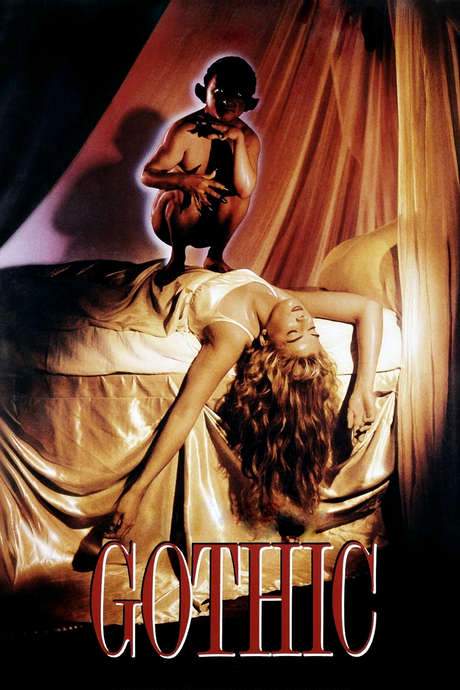
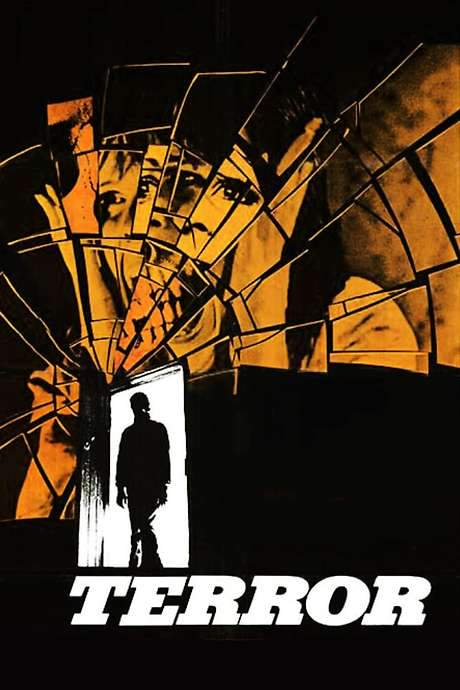
Gothic psychological horror movies like The Dreadful

Stories where psychological torment blends with supernatural horror in claustrophobic settings. Discover more movies like The Dreadful that blend psychological torment with supernatural horror in oppressive, historical settings. These films feature heavy emotional weight, dark tones, and a steady build of dread that will appeal to fans of atmospheric horror.

  • gothic
  • oppressive
  • sinister
  • claustrophobic
  • dread
  • psychological
  • Tone: dark, oppressive, sinister
  • Pacing: steady, methodical build
Why these movies?

The story pattern: These narratives typically follow characters who are psychologically tormented while being threatened by a supernatural force. The story unfolds methodically, building tension through atmospheric dread rather than jump scares, often culminating in an ambiguous or tragic ending where the boundaries between psychological breakdown and supernatural reality blur.

Why they belong together: Movies are grouped here for their shared combination of gothic atmosphere, psychological horror elements, and supernatural dread. They feature similar tones of oppression, steady pacing that builds tension, and heavy emotional weight centered on trauma and manipulation.

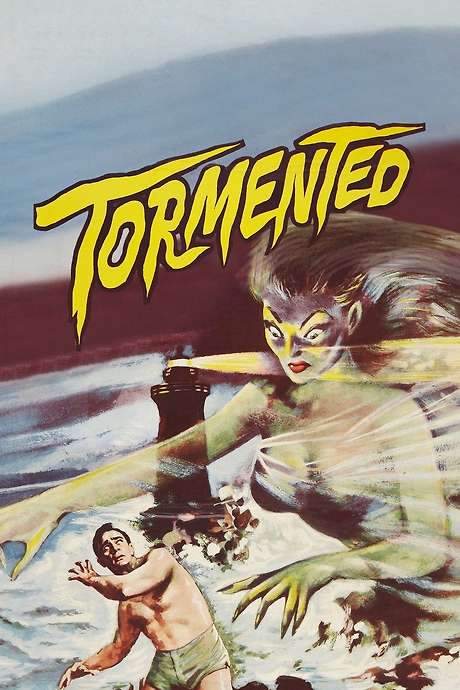
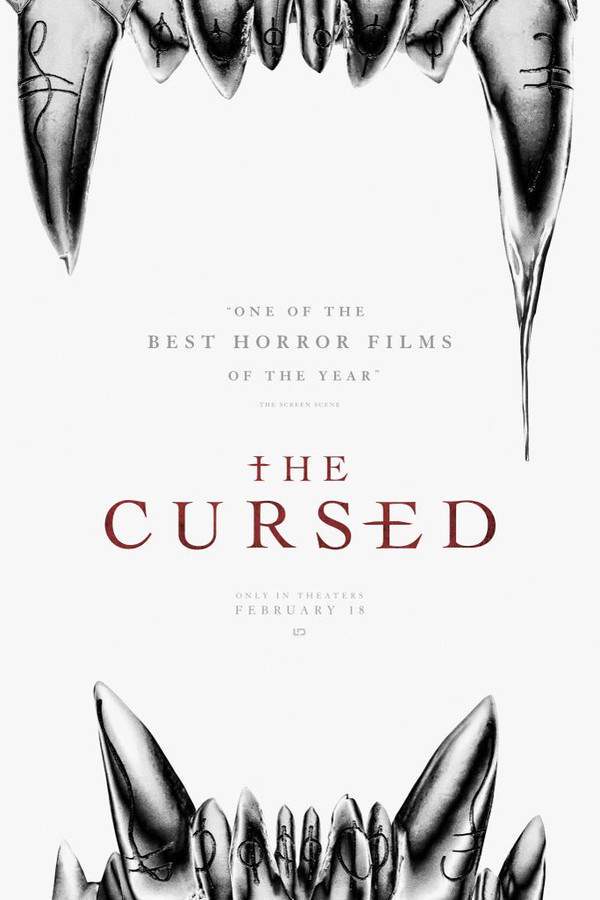
Medieval folk horror films similar to The Dreadful

Historical horror where ancient supernatural forces disrupt fragile societies. Explore more movies like The Dreadful featuring medieval settings where ancient curses and supernatural threats plague characters fighting for survival. These historical horror stories combine grim atmospheres with folkloric elements and heavy emotional stakes.

  • medieval
  • folk horror
  • grim
  • sinister
  • supernatural
  • historical
  • Tone: grim, dark, sinister
  • Pacing: steady, atmospheric build
Why these movies?

The story pattern: Stories in this thread typically follow characters living on society's margins who encounter ancient supernatural forces that threaten their survival. The narratives explore how superstition, religion, and folklore intersect with real horror, often featuring a descent into madness or moral decay as characters confront forces beyond their understanding.

Why they belong together: These films share medieval or historical settings where folk horror elements and ancient curses drive the narrative. They feature similar grim atmospheres, themes of survival against supernatural forces, and exploration of how superstition and religion interact with horror in historical contexts.

Every angle

The Dreadful (2026) Explained: Plot, Ending, Timeline & Characters

Everything about The Dreadful in one place: what happens in the plot summary, the timeline in chronological order, the characters and meaning, the ending explained and a spoiler-free summary. What's After the Movie adds the cast, box office and post-credit scenes.

Coming soon on iOS and Android

The Plot Explained Movie Summary App

Plot summaries, endings explained and timelines on your phone. Catch up on any movie in minutes, save your favorites and never miss a twist again.

Be the first to know when we launch. Your email stays private, always.

Learn more about the app