Plot Explained Spoilers guaranteed!
Plot Explained

Browse by genre

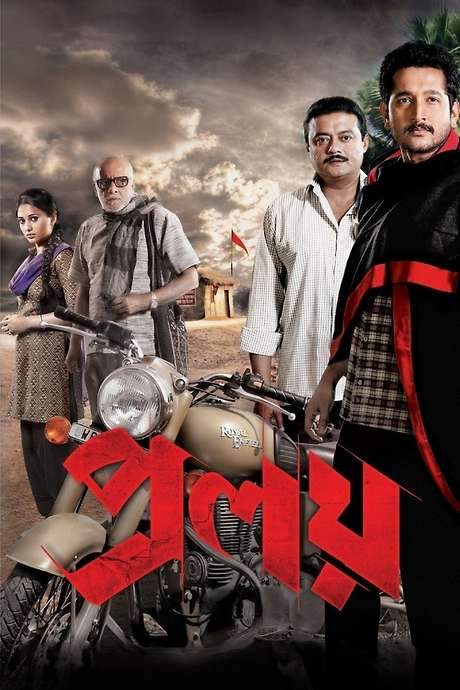
Proloy (2013) movie poster

Timeline

Proloy (2013) Timeline Explained – Every Event in Order

Release, runtime and language
2013 · 122 mins · Bengali, Bangla
Loading streaming availability…
Directed by
Raj Chakraborty
Starring
Saswata Chatterjee, Supriyo Dutta, Paran Banerjee, Rudranil Ghosh, Parambrata Chatterjee, Puja Banerjee

The film follows Barun Biswas, a courageous man who speaks out against the escalating problem of gang rapes in the village of Dukhiya. In Dukhiya, these crimes have become disturbingly commonplace, seemingly tolerated and even encouraged by local political criminals. Barun's actions challenge the established order and expose the dark reality within the community.

On this page (5)
  1. 1 Where to watch
  2. 2 Events in order (12)
  3. 3 Timeline questions answered
  4. 4 Movie threads
  5. 5 Every angle
Loading streaming availability…

12 events in order · contains spoilers

Proloy Timeline: Events in Chronological Order

Every key event of Proloy (2013) in order, scene by scene, with when and where it takes place. Use it to untangle flashbacks, time jumps and parallel storylines, to refresh your memory before the sequel or to find the exact scene you are thinking of.

  1. Terror in Dukhia

    A gang of criminals terrorizes the village of Dukhia, with many women and children becoming victims of brutal violence. The crimes thrive because the police and local politicians tolerate or actively support the gang. The atmosphere is one of fear and impunity as residents suffer in silence.

    Where
    Dukhia, rural Bengal
  2. Barun Biswas begins Jagaran Mancha

    Idealist local teacher Barun Biswas forms the activist group Jagaran Mancha to mobilize villagers and demand the criminals' arrest. He travels door to door, speaks out against patronage, and encourages collective action. The group becomes a beacon of resistance in the face of entrenched power.

    Where
    Dukhia village
  3. Rising confrontation against patronage

    Barun and his supporters confront the political patronage that shields the criminals. They organize protests and demand accountability from the authorities. The local leadership grows hostile to Barun's campaign, signaling escalating risk.

    Where
    Dukhia
  4. Barun Biswas is murdered

    Barun Biswas is murdered while returning from school. The brutal killing shocks the village and hardens the resolve of his supporters. His death exposes the depth of the protection enjoyed by the criminals.

    When
    Evening
    Where
    Road near Barun's school
  5. Binod Dutta travels to seek justice

    Binod Bihari Dutta learns of Barun's murder and travels to Dukhia to seek justice in memory of his friend. He is inspired by Barun's idealism and recognizes the need to continue the fight. He decides to rally villagers to keep the movement alive.

    Where
    Dukhia village
  6. Animesh Dutta arrives in Dukhia

    Special Branch Officer Animesh Dutta arrives in Dukhia and pledges to investigate Barun's murder. He comes with a tough, no-nonsense attitude and immediately notices the tension between law and popular justice. He sees Binod as both ally and potential obstacle.

    Where
    Dukhia police station
  7. Friction between activism and policing

    Conflict arises between Binod's open activism and Animesh's more guarded, semi-legal methods. They clash over strategy and the proper way to confront the criminals. The differing approaches threaten the unity of the anti-crime efforts.

    Where
    Dukhia
  8. Criminals are murdered one by one

    Criminals are found murdered one after another, creating a chilling pattern across the village. Rumors swirl that Barun has returned from the dead to punish his killers. The investigations stall as fear spreads.

    Where
    Dukhia
  9. Animesh suspects Jagaran Mancha

    Animesh suspects Jagaran Mancha and believes the killings are revenge for Barun's murder. He vows to protect the last criminal as his duty as police officer and public servant. He contends with the idea that justice may require extra-legal steps.

    Where
    Dukhia
  10. Revelation of Binod's killings

    It is revealed that Binod Dutta has been killing criminals with the secret help of a few Jagaran Mancha members. The killings are framed as a social rebellion rather than mere vigilantism. The truth creates moral ambiguity around the movement and its leaders.

    Where
    Dukhia
  11. Final confrontation

    Binod kills the last criminal by ripping his stomach open, sealing a brutal cycle of vengeance. Animesh rescues Binod from the scene and removes him from the village, choosing to bury the case rather than expose it publicly. The act marks a controversial resolution to the violence.

    Where
    Village outskirts
  12. Epilogue: a legacy remembered

    In the final scene, Animesh reveals he has become a father and intends to name his son Barun, honoring the activist's memory. The film closes on a quiet note about legacy, justice, and the costs of fighting corruption. The villagers are left to reflect on what justice truly means.

    When
    End of film
    Where
    Dukhia

Last updated: October 09, 2025 at 16:06

Was this helpful?

Timeline questions answered

Proloy Timeline Explained: Your Questions Answered

When does it happen, and why in that order? The questions people ask about the chronology of Proloy (2013): time jumps, flashbacks, cause and effect between scenes and the correct order of events, each answered with spoilers.

Q1

Why was Barun Biswas murdered?

Barun Biswas was murdered because his activism directly threatened the criminal network protected by local political patrons. As the leader of Jagaran Mancha, he was organizing villagers to demand the arrest of the criminals who had been committing gang rapes with impunity. His growing influence and success in mobilizing the community made him a dangerous enemy to those in power, leading to his killing while returning from school.

Foreshadowing: Earlier scenes show the political patronage network growing increasingly hostile to Barun's campaign.

  • barun biswas murder
  • activist killing
  • jagaran mancha leader
Q2

What is Jagaran Mancha?

Jagaran Mancha is the activist group formed by Barun Biswas to fight the criminal menace in Dukhia. The group mobilized villagers to demand accountability and the arrest of the criminals who were committing gang rapes with police complicity. It became the central force of resistance against the corrupt system, inspiring many villagers to join the cause for justice.

  • jagaran mancha
  • activist group
  • village protest
Q3

Who was actually killing the criminals in Dukhia?

Binod Bihari Dutta was secretly carrying out the vigilante killings of the criminals, with help from a few members of Jagaran Mancha. The villagers speculated that Barun had returned from the dead to punish his killers, but the truth was that Binod, motivated by Barun's murder and the failure of official justice, took it upon himself to eliminate the criminals in calculated attacks.

Foreshadowing: Rumors of Barun's return begin circulating after the first killings, creating confusion about the true perpetrator.

  • binod dutta vigilante
  • criminal killings
  • barun ghost rumor
Q4

Why did Animesh let Binod escape at the end?

Animesh chose to rescue Binod and bury the case because he recognized the moral complexity of the situation. After seeing the corrupt system that protected criminals and allowed Barun's murder to go unpunished, Animesh understood why Binod resorted to vigilante action. Rather than expose Binod to a flawed legal system, he discreetly removed him from the village, prioritizing justice over legal procedure.

Foreshadowing: Throughout the film, Animesh shows frustration with the limitations of official policing in Dukhia.

  • animesh dutta
  • binod escape
  • vigilante justice
Q5

Why did Binod decide to become a vigilante?

Binod was motivated to become a vigilante after learning about Barun's murder and seeing how the criminals easily escaped justice through the corrupt system. Moved by Barun's idealism and vision for a fairer society, Binod believed that waiting for official action would only allow more violence. He resolved to take matters into his own hands when he saw that the police were either unable or unwilling to act.

Foreshadowing: Binod travels to Dukhia specifically to honor Barun's memory and continue his fight.

  • binod dutta motivation
  • revenge killing
  • extrajudicial action
Q6

What caused the friction between Binod and Animesh?

The friction arose from their fundamentally different approaches to achieving justice. Binod favored open, communal activism through Jagaran Mancha, while Animesh used more guarded, semi-legal police tactics. Their conflicting strategies created tension, especially when Animesh suspected Jagaran Mancha members of carrying out the vigilante killings and vowed to protect the remaining criminal.

  • binod animesh conflict
  • activism vs policing
  • strategy disagreement
Q7

Why did Animesh name his son Barun?

Animesh named his newborn son Barun as a tribute to the slain activist whose memory inspired the fight against the criminals. This quiet, somber decision represents the film's thematic exploration of legacy, despite the moral ambiguity of vigilante justice, Barun's idealism and sacrifice left a lasting mark that Animesh chose to honor in the most personal way possible.

Foreshadowing: The entire narrative centers on Barun's impact on the village and those who knew him.

  • barun name tribute
  • naming son
  • legacy honor
Q8

Why did villagers believe Barun had returned from the dead?

Villagers believed Barun had returned because the timing of the killings coincided with the deepening fear and trauma from his murder. The criminals were being eliminated one by one in brutal ways, and the villagers, desperate for justice and haunted by the violence, found psychological comfort in believing that their champion had come back to punish his killers rather than accepting that justice required someone else to take violent action.

  • barun ghost rumor
  • supernatural justice
  • village belief
Q9

How did the corrupt police protect the criminals?

The police protected the criminals through complicity with a powerful local political leader who provided unholy patronage. Officers turned a blind eye to the gang rapes and violence, refusing to investigate or arrest the perpetrators. This protection allowed the criminals to operate with impunity, creating an environment where brutal acts became routine and victims had no recourse to legal justice.

Foreshadowing: The opening scenes establish the atmosphere of fear and impunity in Dukhia.

  • police corruption
  • political patronage
  • criminal protection
Q10

What happened to the last criminal in Dukhia?

The last criminal was killed by Binod Dutta in the final confrontation, where he ripped the criminal's stomach open, a brutal act that sealed the cycle of vengeance. After this killing, Animesh arrived at the scene, found Binod, and rather than arresting him, chose to rescue Binod and remove him from the village, effectively ending the case without official investigation.

Foreshadowing: Earlier murders follow a pattern of escalating violence against the criminals.

  • last criminal death
  • binod final kill
  • confrontation

Movie threads

More Movies Like Proloy, by Mood & Story

Curated lists built around what makes Proloy tick: the same mood, the same kind of story or the same emotional payoff. Each list explains why these movies belong together.

Bleak vigilante justice movies like Proloy

Stories where individuals take justice into their own hands against a corrupt system. If you were gripped by Proloy's story of a man challenging a corrupt system, you'll find similar experiences here. These movies explore the heavy toll of vigilante justice, political corruption, and the moral ambiguity of fighting fire with fire, perfect for fans of gritty, socially-conscious crime dramas.

  • gritty
  • unsettling
  • determined
  • oppressive
  • somber
  • anxious
  • Tone: dark, morally ambiguous
  • Pacing: steady, methodical
Why these movies?

The story pattern: These narratives typically follow a protagonist who witnesses a profound injustice that the system is unwilling or unable to address. Their journey from helplessness to decisive, often violent, action forms the core of the story, culminating in a climax that questions the very nature of justice and the price of defiance.

Why they belong together: Movies in this thread are grouped by their shared focus on the collision between individual morality and systemic corruption. They create a coherent, intense viewing experience through grim tones, high emotional weight, and complex ethical dilemmas that resonate with audiences seeking thought-provoking, impactful stories.
Somber social injustice dramas similar to Proloy

Gritty dramas that methodically document a community's struggle against oppression. For viewers who appreciated Proloy's steady, heavy portrayal of a community's fight against systemic crimes, this section collects films with a similar feel. Discover other emotionally heavy dramas that tackle grave social issues with a determined, somber tone and a focus on community resistance.

  • somber
  • gritty
  • oppressive
  • determined
  • anxious
  • unsettling
  • Tone: somber, determined
  • Pacing: steady, observational
Why these movies?

The story pattern: The narrative pattern is less about a single hero's arc and more about documenting a social problem and its ripple effects through a community. The story unfolds steadily, building a case study of injustice, the trauma it inflicts, and the various forms of resistance that emerge, often ending on a note that acknowledges both loss and the fragile seeds of change.

Why they belong together: These films are connected by their commitment to portraying serious social ills with unflinching realism. They share a specific mood mix of determination, somberness, and anxiety, coupled with a steady, deliberate pacing that allows the weight of the subject to fully settle on the viewer.

Every angle

Proloy (2013) Explained: Plot, Timeline & Characters

Everything about Proloy in one place: what happens in the plot summary, the timeline in chronological order, the characters and meaning and a spoiler-free summary. What's After the Movie adds the cast, box office and post-credit scenes.

Coming soon on iOS and Android

The Plot Explained Movie Summary App

Plot summaries, endings explained and timelines on your phone. Catch up on any movie in minutes, save your favorites and never miss a twist again.

Be the first to know when we launch. Your email stays private, always.

Learn more about the app