
















Plot Explained Spoilers guaranteed!
Plot Explained

Browse by genre

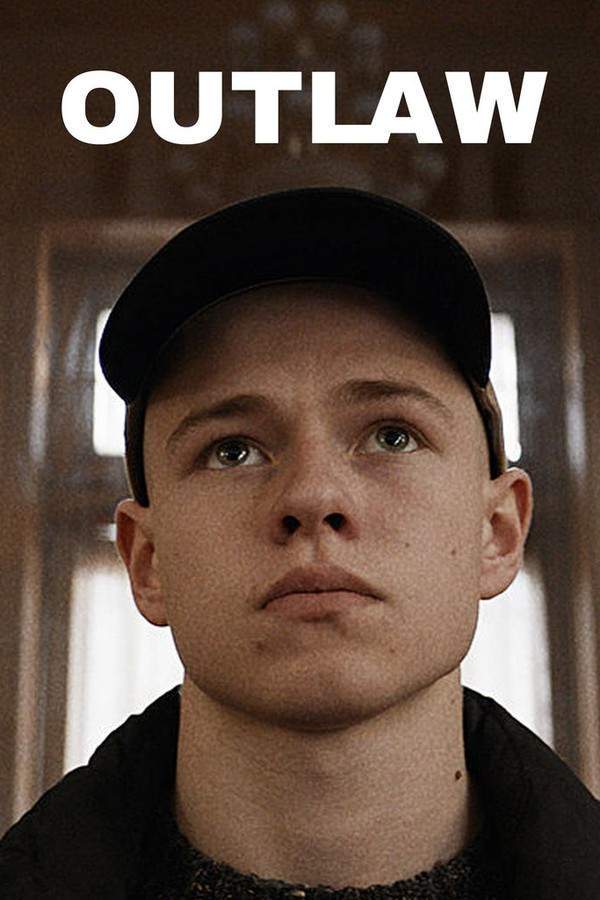
Outlaw (2007) movie poster

Timeline

Outlaw (2007) Timeline Explained – Every Event in Order

Release, runtime and language
2007 · 103 min · Russian
JustWatch #1,664
Directed by
Nick Love

Haunted by his experiences in the Iraq War, former Paratrooper Bryant returns to London and finds the city overrun by crime and a failing justice system. Disillusioned, he assembles a vigilante crew to deliver their own brutal form of retribution against those who operate outside the law. As they dispense their own brand of justice, a troubling question arises: who will hold them accountable for their actions?

On this page (6)
  1. 1 Where to watch
  2. 2 Events in order (15)
  3. 3 Timeline questions answered
  4. 4 Movie threads
  5. 5 Movies like Outlaw
  6. 6 Every angle

Where to watch

Where to Watch Outlaw (2007)

Where can you watch Outlaw? Stream, rent or buy it in the US, including on Amazon Prime Video, fuboTV and Hoopla: current JustWatch availability with up-to-date prices.

Streaming availability powered by JustWatch

15 events in order · contains spoilers

Outlaw Timeline: Events in Chronological Order

Every key event of Outlaw (2007) in order, scene by scene, with when and where it takes place. Use it to untangle flashbacks, time jumps and parallel storylines, to refresh your memory before the sequel or to find the exact scene you are thinking of.

  1. Growing sense of injustice in London

    The film opens by introducing a cross-section of Londoners who feel the justice system isn't delivering fairness. Their shared discontent sets the stage for a vigilante response. The common thread is trust slipping away from institutions.

    When
    Opening
    Where
    London
  2. Dekker attacked after car collision

    Nice guy Gene Dekker is brutally beaten by a yob following a minor car collision. The assault leaves him shaken and public perception of safety in the city worsens. The incident becomes a catalyst for his later actions.

    When
    Early incident
    Where
    London street
  3. Bryant returns to find betrayal at home

    Paratrooper Danny Bryant returns from abroad to discover his wife with another man, fueling his disgust with Britain's state affairs. He questions the country’s stability after front-line experiences. The personal betrayal adds to his sense of grievance.

    When
    After return from service
    Where
    Bryant's home
  4. Munroe faces threats over the Manning case

    Crown Court barrister Cedric Munroe receives death threats aimed at his pregnant wife as leverage to drop the case against Terry Manning. He weighs the danger against continuing to prosecute Manning. The pressure highlights corruption and intimidation within the system.

    When
    Before the case proceeds
    Where
    Munroe's home
  5. Mardell leaves hospital

    Cambridge University student Sandy Mardell, recently scarred in an unprovoked attack, has just left hospital. He carries the trauma as the thugs who attacked him are released from prison, fueling his anger and resolve. His family ties to Bryant connect him to the others.

    When
    After hospital discharge
    Where
    Hospital/Cambridge area
  6. Simon Hillier enters the scene

    Simultaneously, hotel security guard Simon Hillier—an ex football hooligan with a network—becomes the linchpin that connects the men. His knowledge of the criminal underworld allows the group to see a possible path to action. He signals the formation of a vigilante response.

    When
    Early planning phase
    Where
    London hotel
  7. The Outlaws assemble

    With Hillier's help, the men form the vigilante group known as the Outlaws. They begin coordinating information and deciding who to target, essentially banding together as a unified force. The plan centers on using Bryant's military grade firearms to level the playing field.

    When
    After Hillier's involvement
    Where
    Meeting place in London
  8. Targets and media attention

    The Outlaws start striking at Manning associated figures, gathering intelligence from Walter Lewis, their sole trustworthy police contact. The operation draws media attention as their anonymous actions take on a crusading air. They rely on the weapons Bryant stole during his service.

    When
    Early operations
    Where
    London area
  9. Exposure and consequences

    The Outlaws reveal their identities to Manning's man Ian Furlong, triggering a brutal chain of consequences. Walter Lewis is killed by Furlong, and Bryant is framed for the murder. The group disbands in confusion, and Bryant executes Hillier for being a liability.

    When
    After the confrontation
    Where
    City streets/ police involvement
  10. Manning's release and hunt resumes

    With insufficient evidence, Manning is released from custody, and the city briefly breathes as the threat seems to recede. Bryant uses the opportunity to pursue Furlong directly in public, signaling the take no prisoners stance.

    When
    After release
    Where
    Courthouse
  11. Bryant hunts Furlong in a pub

    Bryant corners Ian Furlong in a pub and shoots him, ending one of the key threats. The act signals a personal vendetta taking precedence over due process. The hunt for Manning continues through other channels.

    When
    After Manning's release
    Where
    Public house / pub
  12. Dekker learns Manning's hideout and acts

    Dekker, now aware that Manning is hiding in the countryside, skips his own wedding to pursue the trail and contact Munroe. He reaches out to his old ally to coordinate an assault. The personal cost of their crusade tightens the resolve.

    When
    After pub confrontation
    Where
    Dekker's wedding, countryside
  13. Mardell joins and plans to strike

    Sandy Mardell joins Bryant and Dekker, accepting that they may not survive the attack on Manning's home. They prepare for a high-stakes operation against Manning's countryside hideout. The stakes are personal and deadly.

    When
    Before infiltration
    Where
    Meeting point / countryside
  14. Infiltration and ambush

    The three infiltrate Manning's home only to find an ambush by corrupt police, with Sgt. Grieves at the helm. A fierce gunfight erupts and they flee into the woods, pursued by armed officers. The raid ends in tragedy for the vigilantes, with Bryant killed and Munroe murdered.

    When
    Final showdown
    Where
    Manning's home and surrounding woods
  15. Dekker survives and ends Manning

    Dekker feigns death, escapes through the forest, and finally confronts Manning in the car park. The climactic shot brings down the crime lord at point-blank range, sealing a brutal denouement. The film closes on Dekker's quiet victory over a corrupt order.

    When
    Final confrontation
    Where
    Forest and Manning's workplace car park

Last updated: November 22, 2025 at 15:58

Was this helpful?

Timeline questions answered

Outlaw Timeline Explained: Your Questions Answered

When does it happen, and why in that order? The questions people ask about the chronology of Outlaw (2007): time jumps, flashbacks, cause and effect between scenes and the correct order of events, each answered with spoilers.

Q1

Why does Gene Dekker join the vigilante group?

Gene Dekker is motivated to join after he is brutally beaten by a violent offender following a minor car collision. The assault leaves him shaken and convinced that the justice system cannot protect ordinary citizens. This personal experience of vulnerability, combined with his existing belief that the system rewards aggression, pushes him toward taking matters into his own hands.

  • gene dekker
  • vigilantism
  • car attack
  • london crime
Q2

Why does Danny Bryant become a vigilante?

Danny Bryant returns from multiple tours as a paratrooper to discover his wife has been unfaithful. This personal betrayal, combined with his combat experience, leaves him disillusioned with civilian life. He views Britain as a battlefield where the strong prey on the vulnerable, and believes the justice system is broken. His soldier's code and combat skills make him willing to take violent action against criminals others are afraid to touch.

  • danny bryant
  • iraq war
  • veteran
  • wife affair
  • disillusionment
Q3

How does Simon Hillier connect all the main characters?

Simon Hillier serves as the connective tissue between the vigilantes. His past links each man: he went to school with Gene Dekker, previously defended Cedric Munroe in court as a former client, and worked at the hotel where Danny Bryant stayed. As a former football hooligan with criminal underworld contacts, he provides the intelligence and network needed to identify targets for the vigilante group.

  • simon hillier
  • connections
  • hotel security
  • underworld
Q4

Why is Danny Bryant framed for Walter Lewis's murder?

After the Outlaws fail to eliminate Ian Furlong, one of Manning's men, Furlong kills Walter Lewis in retaliation. Because Bryant is the leader and the most visibly violent member of the group, he becomes the primary target for blame. The corrupt system uses this opportunity to frame him for the murder, effectively neutralizing the vigilante group's leader while maintaining the appearance of justice.

  • walter lewis
  • ian furlong
  • frame
  • murder
  • corruption
Q5

Why does Danny Bryant hang Simon Hillier?

Bryant executes Simon Hillier by hanging him because Hillier has become a liability. After their identities were revealed to Ian Furlong, Hillier's role in exposing the group to the criminal network is seen as treacherous. Bryant's military mindset views disloyalty and weakness as unacceptable, leading him to remove Hillier in a brutal demonstration of the group's zero-tolerance approach to betrayal.

  • simon hillier
  • execution
  • hanging
  • betrayal
  • liability
Q6

Why does Gene Dekker abandon his wedding to pursue Manning?

Dekker learns from his colleague Frank Lordish that Manning may be located in the countryside. Unable to accept that Manning could remain free to operate, Dekker chooses to leave his wedding and pursue the case. This decision reflects his complete commitment to the vigilante cause, prioritizing the hunt for justice over his personal life and demonstrating how deeply the group's mission has consumed him.

  • wedding
  • manning
  • countryside
  • pursuit
  • personal sacrifice
Q7

How do the corrupt police set up the Outlaws at Manning's home?

The Outlaws infiltrate Manning's countryside home expecting to confront him, but discover they have walked into an ambush. Sgt. Grieves, a corrupt member of the Flying Squad who works with Manning, leads armored police to the location. The raid is designed to eliminate the vigilantes while protecting Manning's operation, demonstrating how deeply corruption has infiltrated the justice system.

  • sgt grieves
  • flying squad
  • ambush
  • corrupt police
  • manning
Q8

How does Gene Dekker survive the final shootout?

During the ambush at Manning's home, Dekker sustains a shoulder wound but manages to feign death while the police continue firing. Under the cover of the gunfight, he plays dead and escapes through the forest, surviving the massacre that kills both Bryant and Munroe. His ability to remain motionless under heavy fire allows him to evade the corrupt officers and live to confront Manning later.

  • dekkER survives
  • playing dead
  • forest escape
  • shoulder wound
Q9

Why is Terry Manning released from custody?

Manning is released due to insufficient evidence linking him to his crimes. Despite the Outlaws' efforts and Cedric Munroe's prosecution work, the case against Manning lacks the strong evidence needed for conviction. This failure of the legal system to secure a conviction against a known crime lord reinforces the film's theme that the justice system is broken and cannot be relied upon to hold powerful criminals accountable.

  • manning released
  • insufficient evidence
  • prosecution failure
  • court
Q10

Why is Cedric Munroe murdered by the police?

Munroe surrenders to the corrupt officers during the final confrontation, expecting to be taken into custody. However, because he has witnessed the corruption firsthand and represents a threat to the criminal-police alliance, the corrupt officers murder him rather than arrest him. His death underscores the film's message that the system will eliminate those who threaten to expose its corruption.

  • cedric munroe
  • murdered
  • surrender
  • corrupt police
Q11

What happens to Terry Manning in the final scene?

In the closing scene, Dekker confronts Manning in a car park and shoots him dead at point-blank range. When Manning taunts him by saying he hasn't got the courage to pull the trigger, Dekker responds not with words but with a single decisive shot. This final act of personal justice closes the film with Manning's death, though it offers no systemic change or catharsis, only another extrajudicial killing.

  • manning killed
  • car park
  • final shot
  • dekker
Q12

Why do these men choose to take the law into their own hands?

Each man arrives at vigilantism through personal trauma: Dekker was brutally attacked, Bryant returned from war disillusioned and betrayed, Munroe faced death threats for prosecuting Manning, and Mardell was scarred by an unprovoked attack. Together with Hillier's criminal connections and support from the few uncorrupted police like Walter Lewis, they conclude that the justice system has failed utterly and that violent intervention is the only remaining option.

  • vigilante justice
  • system failure
  • personal trauma
  • broken justice system
Q13

What is the film's message about vigilante justice?

The film presents a bleak meditation on vigilantism: the Outlaws' actions do not reform the system or reduce crime, they only create more death and chaos. Most protagonists die, Manning remains at large until the very end, and Dekker's final victory is a personal extrajudicial killing that changes nothing systemic. The film suggests that while the anger driving vigilantism is understandable, taking the law into one's own hands leads only to tragedy and moral corruption.

  • vigilantism
  • moral ambiguity
  • system failure
  • justice theme
  • corruption

Movie threads

More Movies Like Outlaw, by Mood & Story

Curated lists built around what makes Outlaw tick: the same mood, the same kind of story or the same emotional payoff. Each list explains why these movies belong together.

Vigilante Justice Movies like Outlaw

Stories where disillusioned citizens take the law into their own hands. If you liked Outlaw, explore more movies about disillusioned citizens taking the law into their own hands. These films, similar to Outlaw, are set in gritty urban environments and feature morally complex characters who enact their own brutal form of justice against a corrupt system, resulting in tense and thought-provoking crime dramas.

  • gritty
  • tense
  • morally ambiguous
  • vindicating
  • urgent
  • oppressive
  • Tone: dark, tense, morally ambiguous
  • Pacing: steady, escalating
Why these movies?

The story pattern: The narrative pattern follows a catalyst of injustice that pushes protagonists beyond the bounds of the law. They assemble a crew or act alone, initially achieving a sense of vindication through their violent actions. However, the story inevitably escalates, forcing them to confront the moral decay of their methods and the question of who holds them accountable, often leading to a spiral of violence and a bleak conclusion.

Why they belong together: These movies are grouped by their shared thematic core of systemic failure leading to vigilantism, a gritty and oppressive urban atmosphere, and a DARK tone that relentlessly explores the psychological and moral costs of taking justice into one's own hands.

Bleak Crime Stories with Moral Collapse like Outlaw

Narratives where good intentions spiral into nihilistic violence. Find more movies like Outlaw that explore a bleak moral descent. These similar crime dramas feature characters whose pursuit of justice leads them into a spiral of violence and moral decay. If you liked the heavy emotional weight and bleak ending of Outlaw, you'll appreciate these complex stories about systemic failure and personal ruin.

  • bleak
  • oppressive
  • morally ambiguous
  • tense
  • gritty
  • heavy
  • Tone: bleak, dark, oppressive
  • Pacing: steady, methodical
Why these movies?

The story pattern: The emotional journey is one of irreversible decline. Protagonists start with a clear moral goal but are corrupted by the very methods they employ to achieve it. The narrative structure is often complex, weaving together multiple perspectives to show how individual actions contribute to a larger tapestry of societal decay. The ending is typically bleak, with no redemption or systemic change, emphasizing the high cost and ultimate failure of the protagonists' crusade.

Why they belong together: Movies in this thread share a BLEAK ending feel, a COMPLEX narrative structure that explores interconnected moral failures, and a HEAVY emotional weight driven by themes of betrayal, PTSD, and the loss of faith in any form of justice or order.

If you liked this

Movies Like Outlaw

Similar movies to Outlaw: the same genre, themes or kind of story. Each one comes with its own plot summary, timeline and ending explained.

Browse all movie summaries

Every angle

Outlaw (2007) Explained: Plot, Timeline & Characters

Everything about Outlaw in one place: what happens in the plot summary, the timeline in chronological order, the characters and meaning and a spoiler-free summary. What's After the Movie adds the cast, box office and post-credit scenes.

Coming soon on iOS and Android

The Plot Explained Movie Summary App

Plot summaries, endings explained and timelines on your phone. Catch up on any movie in minutes, save your favorites and never miss a twist again.

Be the first to know when we launch. Your email stays private, always.

Learn more about the app