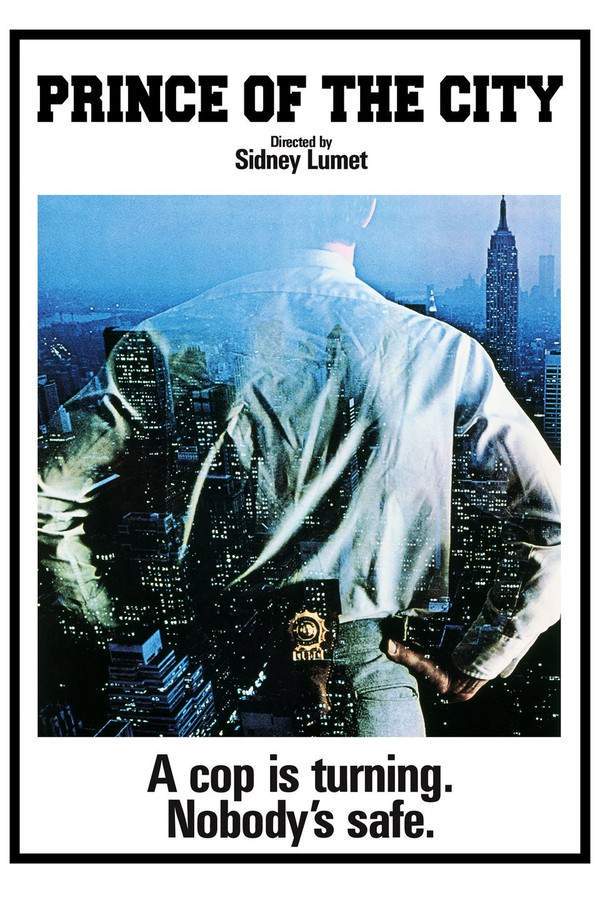
Year: 1981
Runtime: 167 min
Language: English
Director: Sidney Lumet
Banished from Malaysia after being falsely accused of murder, Prince Amara finds himself stripped of his privileged life. To reclaim his birthright and seek justice, he reluctantly joins forces with a formidable gangster and a skilled bodyguard. Together, they navigate a dangerous path, confronting the powerful figures who orchestrated his downfall and seeking retribution for the betrayal.
Find where to stream, rent, or buy Prince of the City (1981) in the US with current JustWatch availability, up-to-date pricing, and platform listings for subscription, rental, and digital purchase options.
Warning: spoilers below!
Haven’t seen Prince of the City yet? This summary contains major spoilers. Bookmark the page, watch the movie, and come back for the full breakdown. If you're ready, scroll on and relive the story!
Read the complete plot breakdown of Prince of the City (1981), including all key story events, major twists, and the ending explained in detail. Discover what really happened, and what it all means.
In the gritty world of New York City, Detective Danny Ciello, portrayed by Treat Williams, finds himself entangled in an intricate web of corruption that defines the Special Investigative Unit (SIU), a group that has gained notoriety as the “Princes of the City.” They operate under a facade of authority, often toying with the very essence of justice while engaging in illegal activities, including skimming money from criminal operations and equipping informants with illicit goods. Amid this chaos, Ciello’s personal demons resurface, forcing him to confront his troubled past.
Haunted by memories of a drug-addicted brother and a cousin embroiled in organized crime, Ciello’s grip on morality weakens following a harrowing encounter with a junkie. This moment acts as a catalyst for his ultimate decline as federal prosecutors and internal affairs officials close in on him. In a desperate bid for immunity and protection for his family, he resolves to wear a wire, stepping undercover to expose the staggering levels of police wrongdoing.
As he plunges further into this quagmire of ethical challenges, Ciello becomes increasingly haunted by his previous transgressions. The tragic suicide of his partner during an interrogation is a haunting reminder of the repercussions tied to their shared choices, while the death of his cousin underscores the dangerous stakes at play. Struggling with the burdens of his conscience, Ciello finds himself caught between allegiance and treachery.
In a shocking turn of events, he initially pledges loyalty to his old teammates, only to betray them one by one as the investigation tightens its grip. The narrative takes a somber turn with the aftermath of his actions leading to a former partner’s tragic self-inflicted gunshot wound, fracturing the strong ties they once shared. With his principles in shambles, Ciello eventually confronts the chief prosecutor, who, after weighing the evidence, decides against bringing charges against him.
In a haunting yet hopeful conclusion, Ciello is granted a second chance to redeem himself as he resumes his career as an instructor at the Police Academy. His tumultuous journey is a stark reminder of the dangers of corruption and serves as an important lesson on the power of personal redemption and integrity amid darkness.
Last updated: November 17, 2024 at 20:38
Explore frequently asked questions about Prince of the City (1981) with spoiler-rich answers covering the full plot summary, major story beats, character motivations, hidden details, and ending meaning. This movie summary FAQ helps explain confusing scenes, plot twists, and narrative decisions in clear, searchable detail.
Danny Ciello agreed to wear a wire because federal prosecutors and internal affairs officials were closing in on him. Facing serious legal charges for his involvement in police corruption, he sought immunity and protection for his family by going undercover to expose the rampant wrongdoing within the Special Investigative Unit.
Earlier scenes established Ciello's deep involvement in the SIU's illegal activities, including skimming money from criminals, making his exposure inevitable.
The chief prosecutor reviewed the evidence against Ciello and decided not to bring charges. Despite his involvement in corruption, the prosecutor apparently found enough mitigating factors in his cooperation as a witness or determined there was insufficient evidence to secure a conviction.
Ciello's partner tragically took his own life during an interrogation. This devastating event occurred as the investigation into police corruption intensified, and it haunted Ciello throughout his ordeal. The suicide was a direct consequence of the moral compromises and illegal activities the unit had engaged in.
The partnership had been deeply involved in shared transgressions, creating unbearable guilt as authorities closed in.
Ciello betrayed his fellow officers because he was operating undercover as a federal informant wearing a wire. As the investigation tightened, he was forced to provide evidence against his former teammates to secure his own immunity and protect his family from prosecution.
His initial loyalty to the SIU was always complicated by his desperate situation as the net closed in.
Ciello's moral decline was triggered by a harrowing encounter with a junkie, which compounded his existing struggles with personal demons including memories of his drug-addicted brother and a cousin involved in organized crime. This catalytic moment accelerated his descent into the corruption he once fought against.
The narrative establishes early that Ciello was already operating in a morally compromised position within the SIU.
The Special Investigative Unit (SIU) was a group of corrupt NYC detectives known as the "Princes of the City." They operated under a facade of authority while engaging in illegal activities including skimming money from criminal operations and equipping informants with illicit goods.
Ciello's cousin, who was involved in organized crime, was killed as a result of the dangerous criminal underworld he inhabited. His death served as a grim reminder of the deadly stakes at play and added to the personal tragedies weighing on Ciello throughout the story.
Ciello's family connections to crime were established early, showing the dangerous world he navigated.
One of Ciello's former partners ultimately took his own life with a self-inflicted gunshot wound. This tragic event represented the devastating psychological toll of their shared corruption and the betrayals that followed, marking a key turning point in the story that underscored the human cost of their actions.
The suicide of the earlier partner during an interrogation established the pattern of desperate outcomes.
In the ending, Ciello becomes an instructor at the Police Academy, representing a second chance at redemption. However, this bittersweet conclusion shows he has lost his relationships, self-respect, and paid enormous personal costs. His new role symbolizes hope for change while acknowledging the lasting damage from his past.
The entire narrative builds toward this ambivalent resolution where survival comes at a tremendous moral price.
After being banished from Malaysia and falsely accused of murder, Prince Amara was stripped of his privileged life. To reclaim his birthright and seek justice against those who orchestrated his downfall, he reluctantly allied with a formidable gangster and skilled bodyguard, navigating a dangerous path to confront the powerful figures responsible for his betrayal.
Discover curated groups of movies connected by mood, themes, and story style. Browse collections built around emotion, atmosphere, and narrative focus to easily find films that match what you feel like watching right now.
Stories about characters trapped within a corrupt system they must expose.If you liked the intense ethical conflict and institutional decay in Prince of the City, this list features similar crime dramas and thrillers where protagonists risk everything to expose corruption from within. These films share a tense, gritty atmosphere and explore the heavy personal cost of seeking redemption in a broken system.
The narrative typically follows a insider—a cop, soldier, or official—who gradually uncovers deep-seated corruption within their own organization. Their attempt to do the right thing pits them against powerful figures and former allies, leading to a spiral of betrayal, paranoia, and personal tragedy. The journey is less about clear victory and more about survival and the ambiguous price of conscience.
These films are grouped together because they share a core focus on the psychological and ethical turmoil of fighting systemic corruption from the inside. They create a similar mood of extreme tension, claustrophobia, and moral ambiguity, often culminating in a bittersweet or costly resolution rather than a clean win.
Gritty stories where justice comes at a severe personal cost.For viewers who appreciated the heavy emotional weight and costly resolution of Prince of the City, this collection features similar movies where the fight against crime results in a bittersweet or ambiguous victory. These films are characterized by their serious tone, complex characters, and endings that resonate with loss and ambivalent redemption.
The narrative arc involves a protagonist undertaking a dangerous mission against powerful adversaries. While they may achieve their primary objective—exposing corruption, defeating a villain—the path is littered with the loss of allies, the destruction of their former life, and deep moral compromise. The conclusion emphasizes the heavy price paid, focusing on the aftermath and the scars that remain, rather than celebration.
These movies are united by their shared emotional trajectory: a journey through high-stakes conflict that culminates in a resolution tinged with sadness and sacrifice. They deliver a powerful, contemplative experience centered on the theme that doing the right thing can sometimes ruin you, creating a coherent vibe of melancholic resolution.
Don't stop at just watching - explore Prince of the City in full detail. From the complete plot summary and scene-by-scene timeline to character breakdowns, thematic analysis, and a deep dive into the ending - every page helps you truly understand what Prince of the City is all about. Plus, discover what's next after the movie.
Track the full timeline of Prince of the City with every major event arranged chronologically. Perfect for decoding non-linear storytelling, flashbacks, or parallel narratives with a clear scene-by-scene breakdown.
Discover the characters, locations, and core themes that shape Prince of the City. Get insights into symbolic elements, setting significance, and deeper narrative meaning - ideal for thematic analysis and movie breakdowns.
Discover movies like Prince of the City that share similar genres, themes, and storytelling elements. Whether you’re drawn to the atmosphere, character arcs, or plot structure, these curated recommendations will help you explore more films you’ll love.
Prince of the City (1981) Scene-by-Scene Movie Timeline
Prince of the City (1981) Movie Characters, Themes & Settings
Prince of the City (1981) Spoiler-Free Summary & Key Flow
Movies Like Prince of the City – Similar Titles You’ll Enjoy
Rogue City (2020) Spoiler-Packed Plot Recap
The Beautiful City (2006) Ending Explained & Film Insights
Infernal Affairs (2004) Full Movie Breakdown
Pride and Glory (2008) Full Summary & Key Details
City of Ghosts (2003) Full Movie Breakdown
The Corruptor (1999) Story Summary & Characters
The Prince (2014) Movie Recap & Themes
Nigerian Prince (2018) Film Overview & Timeline
Blue City (1986) Story Summary & Characters
City War (1988) Movie Recap & Themes
City on Fire (1987) Plot Summary & Ending Explained
Corruption (1933) Movie Recap & Themes
Crime Story (1993) Ending Explained & Film Insights
The Cop (1970) Spoiler-Packed Plot Recap
Murder City (2023) Detailed Story Recap