








Plot Explained Spoilers guaranteed!
Plot Explained

Browse by genre

Pride (2007) movie poster

Timeline

Pride (2007) Timeline Explained – Every Event in Order

Release, runtime and language
2007 · 104 min · English
JustWatch #15,318 10
Directed by
Sunu Gonera
Starring
Terrence Howard, Kimberly Elise, Bernie Mac

Against the backdrop of Philadelphia, a determined coach assembles a swim team comprised of disadvantaged young people. Facing significant challenges and defying expectations, he guides them toward personal growth and unexpected triumphs, demonstrating the power of perseverance and unity in a community striving for a better future.

On this page (6)
  1. 1 Where to watch
  2. 2 Events in order (14)
  3. 3 Timeline questions answered
  4. 4 Movie threads
  5. 5 Movies like Pride
  6. 6 Every angle

Where to watch

Where to Watch Pride (2007)

Where can you watch Pride? Stream, rent or buy it in the US, including on Fawesome, The CW and Amazon Video: current JustWatch availability with up-to-date prices.

Streaming availability powered by JustWatch

14 events in order · contains spoilers

Pride Timeline: Events in Chronological Order

Every key event of Pride (2007) in order, scene by scene, with when and where it takes place. Use it to untangle flashbacks, time jumps and parallel storylines, to refresh your memory before the sequel or to find the exact scene you are thinking of.

  1. Jim Ellis's employment struggle (1974)

    In 1974, Jim Ellis, a college-educated man, struggles to find meaningful employment. He lands a job at the decrepit Marcus Foster Recreation Center in a poor Philadelphia neighborhood, where his search for purpose becomes tied to the pool's fate.

    When
    1974
    Where
    Marcus Foster Recreation Center, Philadelphia
  2. Foreclosure pressures threaten the center

    His job involves preparing the center for foreclosure, a move that threatens its future. This pressure creates friction with Elston, the janitor whose own job may disappear as a result.

    When
    1974
    Where
    Marcus Foster Recreation Center
  3. Pool rehabilitation begins

    Jim takes on the pool's rehabilitation, breathing life into the dilapidated facility. He starts restoring the water and the space to make it usable again for the community.

    When
    1974
    Where
    Marcus Foster Recreation Center Pool
  4. Jim invites Black teens to swim

    Jim invites a group of Black teens—Andre, Hakim, Reggie, Puddin’ Head, and Walt—to try swimming at the pool. The kids prove to be capable swimmers with Jim's few pointers and encouragement.

    When
    1974
    Where
    Marcus Foster Recreation Center Pool
  5. Swimmers show potential

    The teens display notable potential and, with guidance, could become great swimmers. Jim begins to see the pool as more than recreation, but a path to opportunity.

    When
    1974
    Where
    Marcus Foster Recreation Center Pool
  6. Romance and Hakim's guardianship

    Jim develops a romantic interest in Sue, Hakim's sister and guardian. Sue emphasizes that Hakim should focus on schooling before the pool, adding a personal and practical challenge to Jim's mission.

    When
    1974
    Where
    Philadelphia
  7. Forming the PDR swim team

    With Elston's help, Jim decides to save the pool by forming the city's first all-African-American swim team, the PDR team. The team embodies Pride, Determination, and Resilience, while also bearing the Philadelphia Department of Recreation's involvement.

    When
    1974
    Where
    Marcus Foster Recreation Center Pool
  8. Willie joins the team

    Willie joins the team as a talented female swimmer, and her presence raises the level of competition and motivation. She becomes a catalyst for the team's growth and resolve.

    When
    1974
    Where
    Marcus Foster Recreation Center Pool
  9. Aim to compete against white teams

    The team begins to imagine competing against far more experienced white teams, expanding their ambitions beyond local meets. Their training intensifies as they prepare for higher-stakes competition.

    When
    1974-1975
    Where
    Philadelphia area pools
  10. Racism and treachery challenge the team

    Black swimmers face overt racist opposition and treachery that threaten their progress. These obstacles echo Jim's own experiences when he competed ten years earlier, underscoring the persistence of prejudice.

    When
    1974-1975
    Where
    Various pools around Philadelphia
  11. Jim's past racism experiences recalled

    The narrative calls back to how Jim faced racism during his own competitive days, a decade earlier in 1964. Those memories inform how he prepares the team to confront prejudice today.

    When
    1964
  12. Mentorship to confront prejudice and poverty

    Throughout their struggles in and out of the pool, Jim and Elston mentor the kids, guiding them not only in swimming but also in confronting prejudice, crime, and poverty. They serve as role models and stable figures in the community.

    When
    1974-1975
    Where
    Marcus Foster Recreation Center
  13. Team bonds and training pay off

    The team grows closer through practice, learning teamwork, discipline, and resilience. Their camaraderie strengthens their resolve to persevere against external opposition.

    When
    1974-1975
    Where
    Marcus Foster Recreation Center Pool
  14. Symbolic revival of the pool and community hope

    As the pool's revival continues, it becomes a beacon of hope for the community and a proof of what determined youth and mentors can achieve. The PDR team's existence signals progress against segregation in recreation and sport.

    When
    1974-1975
    Where
    Philadelphia

Last updated: February 17, 2026 at 19:57

Was this helpful?

Timeline questions answered

Pride Timeline Explained: Your Questions Answered

When does it happen, and why in that order? The questions people ask about the chronology of Pride (2007): time jumps, flashbacks, cause and effect between scenes and the correct order of events, each answered with spoilers.

Q1

Why did Jim Ellis start a swim team at the Marcus Foster Recreation Center?

Jim Ellis started the swim team because he saw potential in the Black teens he invited to swim at the pool. After rehabilitating the dilapidated facility, he recognized their natural talent and wanted to give them opportunities beyond casual recreation. With the center facing foreclosure, forming a competitive team became a way to save the pool and provide the kids with discipline, purpose, and a path forward against the backdrop of limited options in their neighborhood.

Foreshadowing: Earlier in the film, Jim struggles to find meaningful employment despite being college-educated, suggesting he understands the importance of creating opportunities for youth.

  • jim ellis
  • swim team
  • marcus foster recreation center
  • coaching
  • opportunity
Q2

What does PDR stand for in the movie?

PDR stands for Pride, Determination, and Resilience. The name was chosen to represent the core values the team embodied while also referencing the Philadelphia Department of Recreation, which was involved with the center. The acronym created a powerful double meaning, honoring the personal qualities needed to overcome obstacles while acknowledging the organizational context.

  • pdr team
  • pride determination resilience
  • name meaning
  • philadelphia department of recreation
Q3

Why was forming an all-Black swim team significant in 1974 Philadelphia?

In 1974, competitive swimming was predominantly white, with Black swimmers largely excluded from the sport due to systemic discrimination and lack of access to facilities. Forming the city's first all-African-American swim team challenged this segregation directly. It represented not just a sporting achievement but a statement about Black athletes' right to compete at the highest levels and access recreational facilities that had historically been denied to their community.

Foreshadowing: The film references Jim's own experiences facing racism during competitions ten years earlier, in 1964, showing this was a continuation of his personal fight against exclusion.

  • all-black swim team
  • 1974
  • segregation
  • racism in swimming
  • philadelphia
Q4

What challenges did the PDR swim team face?

The team faced overt racism and discrimination from white competitors, swimming associations, and communities who questioned their right to participate. Beyond the pool deck, they navigated poverty, crime, and institutional neglect that threatened both the team and the recreation center itself. Jim and Elston had to mentor the kids not just in swimming technique but in how to handle prejudice with dignity while maintaining their resolve.

Foreshadowing: The timeline notes that Black swimmers face opposition that mirrors what Jim experienced a decade earlier, directly connecting past and present discrimination.

  • racism
  • discrimination
  • challenges
  • obstacles
  • competition
Q5

How did Jim Ellis's past experience as a swimmer influence his coaching?

Jim had been a competitive swimmer ten years earlier in 1964, where he personally experienced racism and exclusion from the sport. These memories informed how he prepared the team to confront prejudice, he understood what they would face and trained them not just physically but mentally to handle discrimination with resilience. His past struggles gave him the motivation to create opportunities he himself was denied.

Foreshadowing: The timeline specifically calls back to Jim's 1964 experiences, showing his personal history directly shapes his approach to mentoring.

  • jim ellis
  • past
  • coaching
  • mentorship
  • racism 1964
Q6

How did Willie's joining change the team?

Willie was a talented female swimmer whose addition raised the competitive level of the team significantly. Her presence brought new motivation and skill to the group, making them a more formidable opponent against experienced white teams. She became a catalyst for the team's growth and resolve, demonstrating that the team could compete at higher levels regardless of gender.

  • willie
  • female swimmer
  • team growth
  • competition
Q7

Why did Sue emphasize Hakim's education over swimming?

Sue, who was Hakim's sister and guardian, pushed him to prioritize schooling because she worried that focusing on swimming might distract him from academic opportunities that could provide long-term stability. She represented the practical concerns facing young people in their neighborhood, sports could be fleeting, but education offered a more reliable path out of poverty. Her relationship with Jim added tension between his coaching ambitions and her responsibility to prioritize Hakim's future.

  • sue
  • hakim
  • education
  • guardian
  • responsibility
Q8

What happened to the Marcus Foster Recreation Center?

The Marcus Foster Recreation Center was initially facing foreclosure and closure due to neglect and budget cuts. Jim Ellis took on the task of rehabilitating the dilapidated pool, transforming it into a functioning facility. By forming the PDR swim team, he gave the center a renewed purpose that helped save it from closure. The pool became a beacon of hope for the community, symbolizing renewal and possibility.

  • marcus foster recreation center
  • pool
  • foreclosure
  • closure
  • community
Q9

How did Jim and Elston's relationship change over the film?

Jim and Elston started at odds, Elston, the longtime janitor, worried about his job as the center faced closure and felt threatened by Jim's new direction for the pool. However, they eventually became allies as Elston saw Jim's genuine commitment to the community. Together, they worked to form the PDR team, with Elston supporting the coaching efforts and helping mentor the kids alongside Jim.

  • jim ellis
  • elston
  • relationship
  • mentorship
  • janitor
Q10

Did the PDR swim team succeed in competitions?

The film follows the team's growth from beginner swimmers to a cohesive unit capable of competing against more experienced white teams. Through discipline, teamwork, and perseverance, they achieved victories that proved what determined youth and dedicated mentors could accomplish. The happy ending focuses on their successes and personal victories, rewriting what was possible for Black swimmers in Philadelphia.

  • competitions
  • wins
  • victories
  • success
  • swimming meets

Movie threads

More Movies Like Pride, by Mood & Story

Curated lists built around what makes Pride tick: the same mood, the same kind of story or the same emotional payoff. Each list explains why these movies belong together.

Movies like Pride: Triumphant Underdog Sports Stories

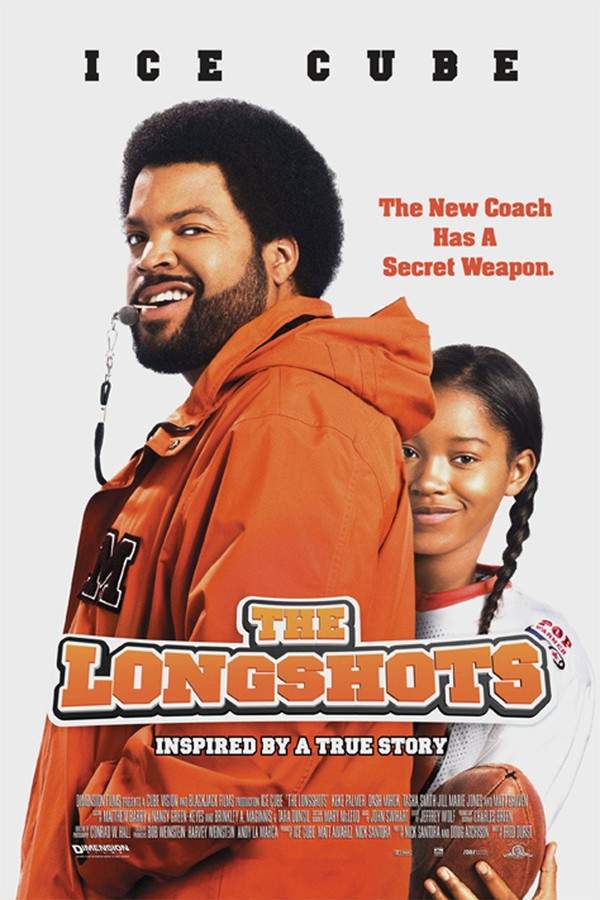
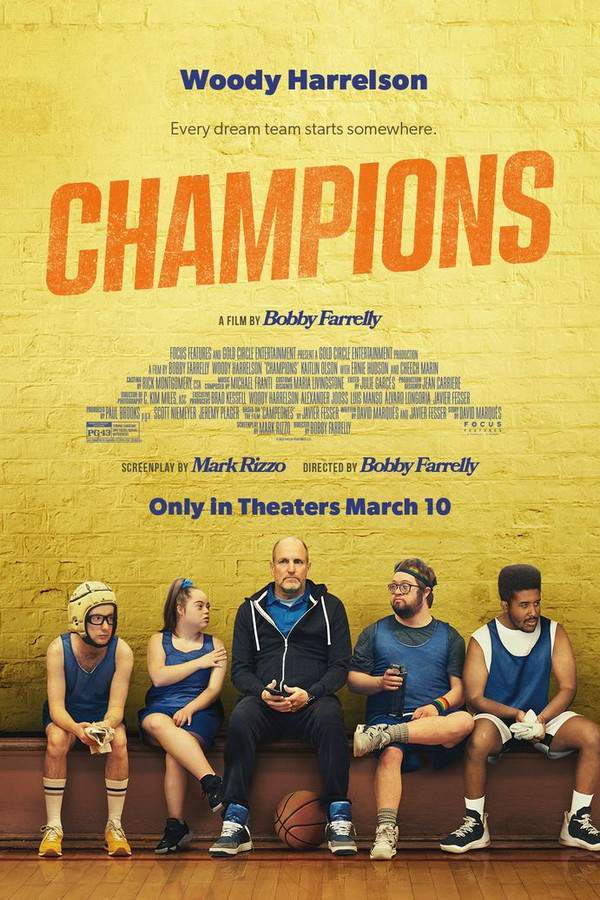
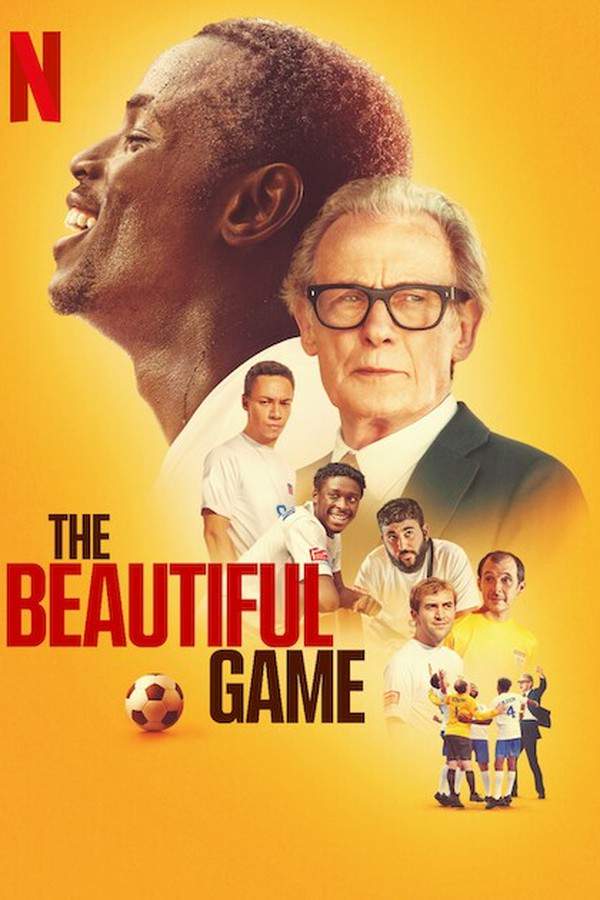
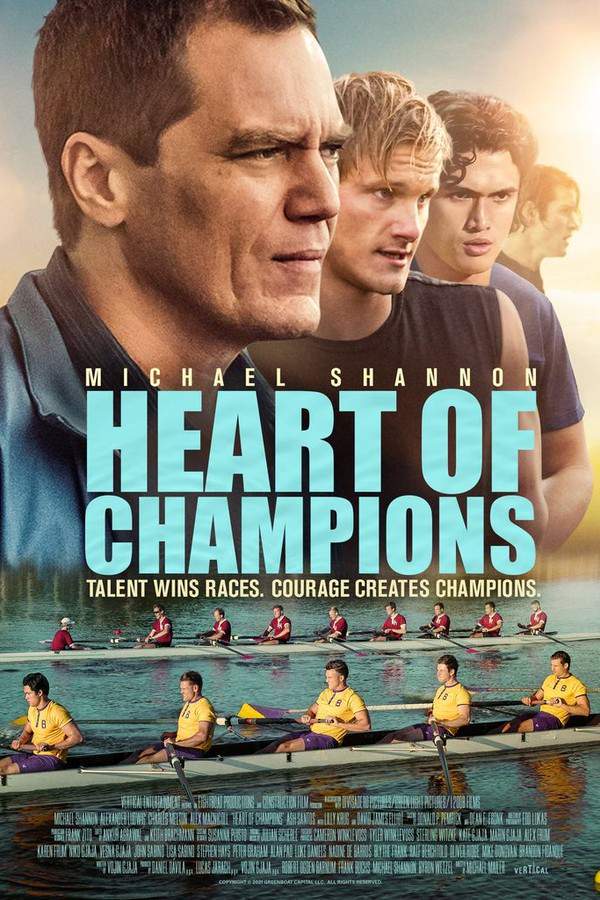
Teams or individuals overcoming immense odds to achieve unexpected victory. Looking for more inspiring stories like Pride? This list features movies about underdog sports teams overcoming adversity, where perseverance and mentorship lead to heartfelt and triumphant victories against all odds.

  • uplifting
  • underdog
  • triumphant
  • inspiring
  • determined
  • teamwork
  • Tone: hopeful, determined, triumphant
  • Pacing: steady, methodical
Why these movies?

The story pattern: Stories in this thread typically follow a linear path: a group or individual is introduced facing systemic disadvantages. A mentor figure guides them, building skills and confidence through rigorous training. The narrative builds through key challenges and setbacks, culminating in a climactic final test where they prove their worth and achieve a meaningful victory.

Why they belong together: These films are grouped together because they share a core narrative of overcoming adversity through determination. They balance serious struggles with a fundamentally hopeful tone, leading to emotionally satisfying conclusions that celebrate resilience and community.

Community Resilience Movies Similar to Pride

Stories of diverse communities uniting to overcome hardship and prejudice. If you enjoyed the community spirit in Pride, explore these films about diverse groups uniting against social challenges. These stories focus on collective action, mentorship, and the powerful bonds formed when people work together for a common good.

  • community
  • uplifting
  • heartfelt
  • social justice
  • unity
  • found family
  • Tone: hopeful, stirring, heartfelt
  • Pacing: steady, character-driven
Why these movies?

The story pattern: The narrative focuses less on a single protagonist and more on the collective. A threat or challenge disrupts a community, forcing individuals with different backgrounds to set aside differences. Through shared struggle and the guidance of a unifying figure, they build a 'found family' dynamic, ultimately achieving a victory that strengthens their bonds and affirms their shared humanity.

Why they belong together: These movies are grouped by their emphasis on community as the hero. They share a steady, heartfelt pacing and a medium emotional weight, balancing realistic struggles with an optimistic core belief in the power of collective action and mutual support.

If you liked this

Movies Like Pride

Similar movies to Pride: the same genre, themes or kind of story. Each one comes with its own plot summary, timeline and ending explained.

Browse all movie summaries

Every angle

Pride (2007) Explained: Plot, Timeline & Characters

Everything about Pride in one place: what happens in the plot summary, the timeline in chronological order, the characters and meaning and a spoiler-free summary. What's After the Movie adds the cast, box office and post-credit scenes.

Coming soon on iOS and Android

The Plot Explained Movie Summary App

Plot summaries, endings explained and timelines on your phone. Catch up on any movie in minutes, save your favorites and never miss a twist again.

Be the first to know when we launch. Your email stays private, always.

Learn more about the app