










Plot Explained Spoilers guaranteed!
Plot Explained

Browse by genre

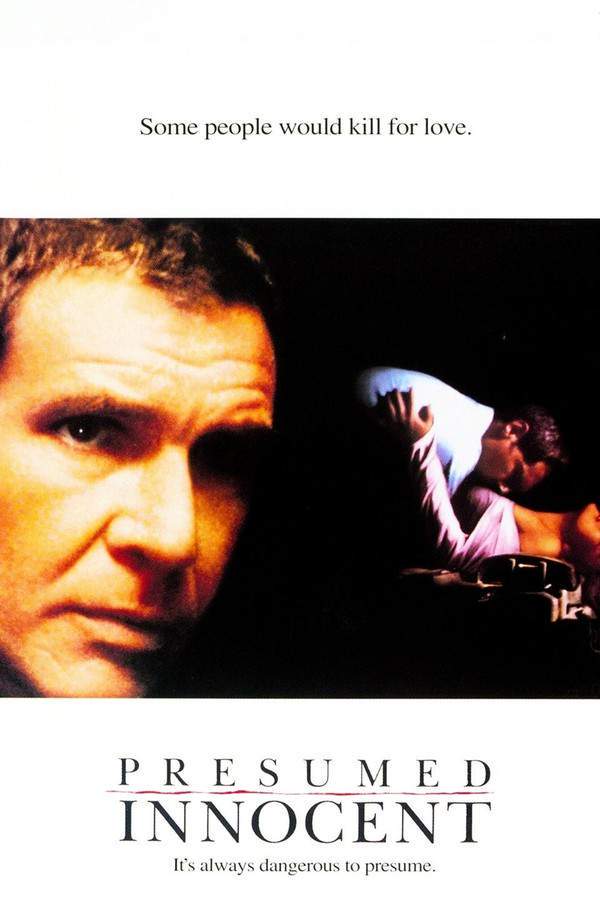
Presumed Innocent (1990) movie poster

Timeline

Presumed Innocent (1990) Timeline Explained – Every Event in Order

Release, runtime and language
1990 · 127 min · English
JustWatch #4,688 30
Directed by
Alan J. Pakula
Starring
Greta Scacchi, Brian Dennehy, Harrison Ford, Bonnie Bedelia, Raul Julia, Joe Grifasi

In the legal system, a shocking murder plunges prosecutor Raymond Horgan's office into turmoil. His deputy, Rusty Sabitch, finds himself the prime suspect in the brutal rape and murder of Carolyn Polhemus, a colleague with whom he had a secret affair. As the investigation unfolds, Rusty must fight to prove his innocence while confronting the complexities of his relationship with the victim and the intense scrutiny of his peers.

On this page (7)
  1. 1 Where to watch
  2. 2 Events in order (14)
  3. 3 Timeline questions answered
  4. 4 The book behind the movie
  5. 5 Movie threads
  6. 6 Movies like Presumed Innocent
  7. 7 Every angle

Where to watch

Where to Watch Presumed Innocent (1990)

Where can you watch Presumed Innocent? Stream, rent or buy it in the US, including on Hoopla, Plex and Tubi TV: current JustWatch availability with up-to-date prices.

Streaming availability powered by JustWatch

14 events in order · contains spoilers

Presumed Innocent Timeline: Events in Chronological Order

Every key event of Presumed Innocent (1990) in order, scene by scene, with when and where it takes place. Use it to untangle flashbacks, time jumps and parallel storylines, to refresh your memory before the sequel or to find the exact scene you are thinking of.

  1. Murder Discovery

    The brutal discovery of Carolyn Polhemus' body in her apartment sets off a horrific chain of events. This shocking incident becomes the catalyst for a high-stakes murder investigation that entangles Rusty, challenging both his career and personal life.

    Where
    Carolyn's apartment
  2. Investigation Begins

    Detective Harold Greer leads the investigation into Carolyn's murder, initially working alone. Rusty, hoping to protect his own interests, brings in his friend Dan Lipranzer to assist in the case, revealing his underlying fears.

  3. Rusty's Hidden Relationship

    Rusty struggles to keep his affair with Carolyn a secret, attempting to distance himself from being a suspect. His conflict escalates as he navigates the complexities of maintaining his relationship's secrecy amidst a murder investigation.

  4. Political Pressure

    As the electoral season heats up, Tommy Molto begins to investigate Carolyn's murder on behalf of Nico Della Guardia's campaign. This political pressure adds a new dimension to the case, complicating Rusty's efforts further.

  5. Confrontation Unfolds

    Lipranzer gets removed from the case as Greer uncovers disturbing truths about Rusty’s secret affair with the victim. The tension between Rusty and the investigators builds, compounding the fear of exposure.

  6. Legal Defense

    Rusty turns to defense attorney Sandy Stern for legal guidance as the trial begins. The court proceedings reveal cracks in Rusty's defenses but also unveil complex layers of deception.

  7. Vanishing Evidence

    A crucial piece of evidence—a beer glass with Rusty's fingerprints—mysteriously disappears. This loss casts a long shadow over Rusty's innocence, intensifying the scrutiny on his actions.

  8. Wells' Confession

    Rusty and Lipranzer confront Leon Wells, uncovering his involvement in a bribery scandal that ties directly to the case. Wells' confession reveals Carolyn's role in illegal activities, further complicating Rusty's situation.

  9. Coroner's Examination

    During the coroner's examination, the discovery that Carolyn had undergone tubal ligation raises serious questions about the evidence presented against Rusty. The possibility of the evidence being manipulated shakes the foundation of the prosecution.

  10. Dismissal of Charges

    Judge Lyttle ultimately dismisses the charges against Rusty based on the compiled contradictions in the evidence. This legal victory, however, incites a tense confrontation between Rusty and Sandy Stern.

    Where
    Courtroom
  11. Revelation of Corruption

    In a heated discussion, Stern reveals damaging secrets about Judge Lyttle's past connections with Carolyn. The acknowledgement of Lyttle's corruption leads to his immediate resignation, leaving the legal scene in turmoil.

  12. Symbolic Act of Letting Go

    Lipranzer discloses the truth regarding the missing beer glass and Rusty takes a symbolic step by discarding it into the river. This act symbolizes his desire to break free from the entanglements of the investigation.

  13. Barbara's Confession

    Rusty finds a hatchet that leads to Barbara's heartfelt confession about her role in Carolyn's murder. Her feelings of betrayal and deliberate clues add layers of complexity to Rusty's understanding of the tragedy.

  14. Acceptance of Unsolved Case

    In the aftermath, Rusty comes to grips with the devastating realization that Carolyn's murder will likely remain unsolved. He confronts the moral complexities of justice and his own complicity in the tragedy that unfolded.

Last updated: November 22, 2024 at 14:49

Was this helpful?

Timeline questions answered

Presumed Innocent Timeline Explained: Your Questions Answered

When does it happen, and why in that order? The questions people ask about the chronology of Presumed Innocent (1990): time jumps, flashbacks, cause and effect between scenes and the correct order of events, each answered with spoilers.

Q1

Why was Rusty the prime suspect in Carolyn's murder?

Rusty became the prime suspect because he had a secret affair with Carolyn, which he desperately tried to hide during the investigation. When Detective Greer discovered their relationship, Rusty's motive became apparent to investigators. Additionally, his fingerprints were found on a beer glass at the crime scene, directly linking him to Carolyn's apartment.

Foreshadowing: Early in the investigation, Rusty insists on bringing his friend Lipranzer onto the case, revealing his underlying fear of being implicated.

  • rusty sabitch
  • prime suspect
  • affair
  • carolyn polhemus
  • fingerprints
Q2

What happened to the beer glass evidence in the murder trial?

The beer glass with Rusty's fingerprints mysteriously disappeared from evidence storage. Lipranzer later revealed he had failed to return it to evidence after using it. The disappearance became crucial because it removed a key piece of physical evidence that could have directly tied Rusty to Carolyn's apartment.

Foreshadowing: The glass had been discussed multiple times during the investigation as the most direct evidence connecting Rusty to the crime scene.

  • beer glass
  • evidence
  • fingerprints
  • missing
  • rusty
Q3

Why were the charges against Rusty dismissed?

The charges were dismissed because of multiple contradictions in the prosecution's evidence. The coroner's examination revealed that Carolyn had undergone tubal ligation, yet spermicidal fluid was found in her body, evidence that could not have originated from her. This, combined with the missing beer glass and other inconsistencies, led Judge Lyttle to dismiss the case.

Foreshadowing: Throughout the trial, Stern systematically attacked the prosecution's evidence, exposing weaknesses in their timeline and physical proof.

  • charges dismissed
  • trial
  • judge lyttle
  • evidence contradictions
  • tubal ligation
Q4

Who killed Carolyn Polhemus?

Rusty's wife Barbara confesses to killing Carolyn. She discovered Rusty's affair with Carolyn and, feeling betrayed, murdered her in a fit of rage. Barbara deliberately left clues for Rusty to find, though she never anticipated the legal consequences that would follow for her husband.

Foreshadowing: Earlier, Barbara's emotional state and knowledge of the affair are hinted at through her behavior and conversations with Rusty.

  • barbara sabitch
  • killer
  • confession
  • hatchet
  • wife
Q5

What was Judge Lyttle's connection to Carolyn?

Sandy Stern revealed that Judge Lyttle had a brief romantic encounter with Carolyn in the past. Stern and Horgan were both aware of Lyttle's corruption but overlooked it because of his legal prowess. This revelation, disclosed after the charges were dismissed, caused Lyttle to resign immediately.

Foreshadowing: Stern's defense strategy focused heavily on attacking the prosecution's credibility and the integrity of the court.

  • judge lyttle
  • carolyn
  • corruption
  • affair
  • resignation
Q6

Why did Rusty's wife Barbara kill Carolyn?

Barbara killed Carolyn because she discovered Rusty's secret affair with his colleague and felt betrayed. Her jealousy and rage over his infidelity drove her to commit murder. She had hidden her crime throughout the entire investigation and trial, watching her husband suffer as the prime suspect.

Foreshadowing: Barbara's emotional distance and strange behavior throughout the investigation hint at her knowledge of the affair and inner turmoil.

  • barbara
  • jealousy
  • affair
  • betrayal
  • murder motive
Q7

What was the meaning of Rusty throwing the glass into the river?

After learning the truth about the missing beer glass from Lipranzer, Rusty discarded it into the river as a symbolic act of letting go. The gesture represented his desire to break free from the entanglements of the investigation and move past the lies and deceit that had consumed his life.

Foreshadowing: The beer glass had become a symbol of Rusty's guilt and connection to the crime, even though he was innocent.

  • glass
  • river
  • symbolism
  • letting go
  • closure
Q8

What was the Leon Wells bribery scandal about?

Leon Wells was involved in a bribery scandal tied to Judge Lyttle. Carolyn had played a crucial role in facilitating illegal payoffs between Wells and Lyttle. When Rusty and Lipranzer confronted Wells, his confession revealed Carolyn's criminal involvement, further complicating the investigation.

Foreshadowing: The bribery connection was introduced earlier through hints about Carolyn's secret activities and Judge Lyttle's corrupt reputation.

  • leon wells
  • bribery
  • judge lyttle
  • payoffs
  • confession
Q9

Why did District Attorney Horgan commit perjury to protect Rusty?

Horgan committed perjury because he wanted to protect Rusty, his longtime deputy and right-hand man. Despite being upset with Rusty over his management of the case and his complicated history with Carolyn, Horgan chose to lie under oath to help his friend avoid conviction.

Foreshadowing: Horgan's complicated feelings toward Rusty are evident throughout the investigation, oscillating between frustration and loyalty.

  • horgan
  • perjury
  • district attorney
  • protect
  • testimony
Q10

Why did Rusty accept that Carolyn's murder would remain unsolved?

Rusty accepted the unsolved case because prosecuting two individuals for the same crime is virtually impossible. Since Barbara had already confessed to him, charging her would create a legal and moral quagmire. He also came to understand his own moral complicity, his affair triggered the events that led to Carolyn's death, making strict justice feel impossible.

Foreshadowing: The entire investigation had shown how the legal system struggled to deliver clear answers amid layered deceptions.

  • unsolved
  • murder
  • acceptance
  • justice
  • legal impossible
Q11

Why was the spermicidal fluid evidence significant in the trial?

The spermicidal fluid found in Carolyn's body was significant because she had undergone tubal ligation, making it impossible for her to produce such fluid. Stern used this contradiction to argue that the evidence was planted or manipulated, shaking the foundation of the prosecution's case and helping lead to the charges being dismissed.

Foreshadowing: The prosecution had relied heavily on physical evidence from the coroner's report to build their case.

  • spermicidal fluid
  • tubal ligation
  • evidence
  • coroner
  • contradiction

Movie threads

More Movies Like Presumed Innocent, by Mood & Story

Curated lists built around what makes Presumed Innocent tick: the same mood, the same kind of story or the same emotional payoff. Each list explains why these movies belong together.

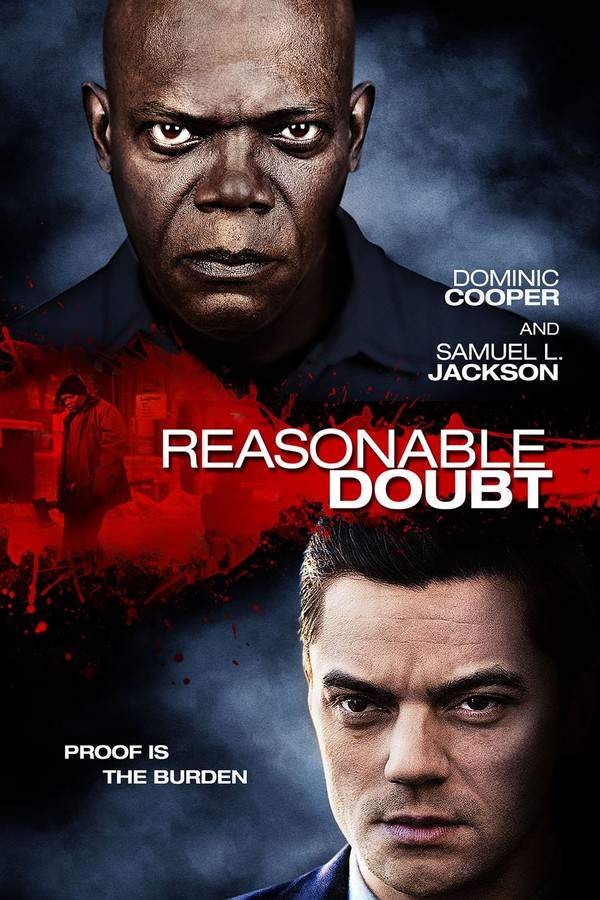
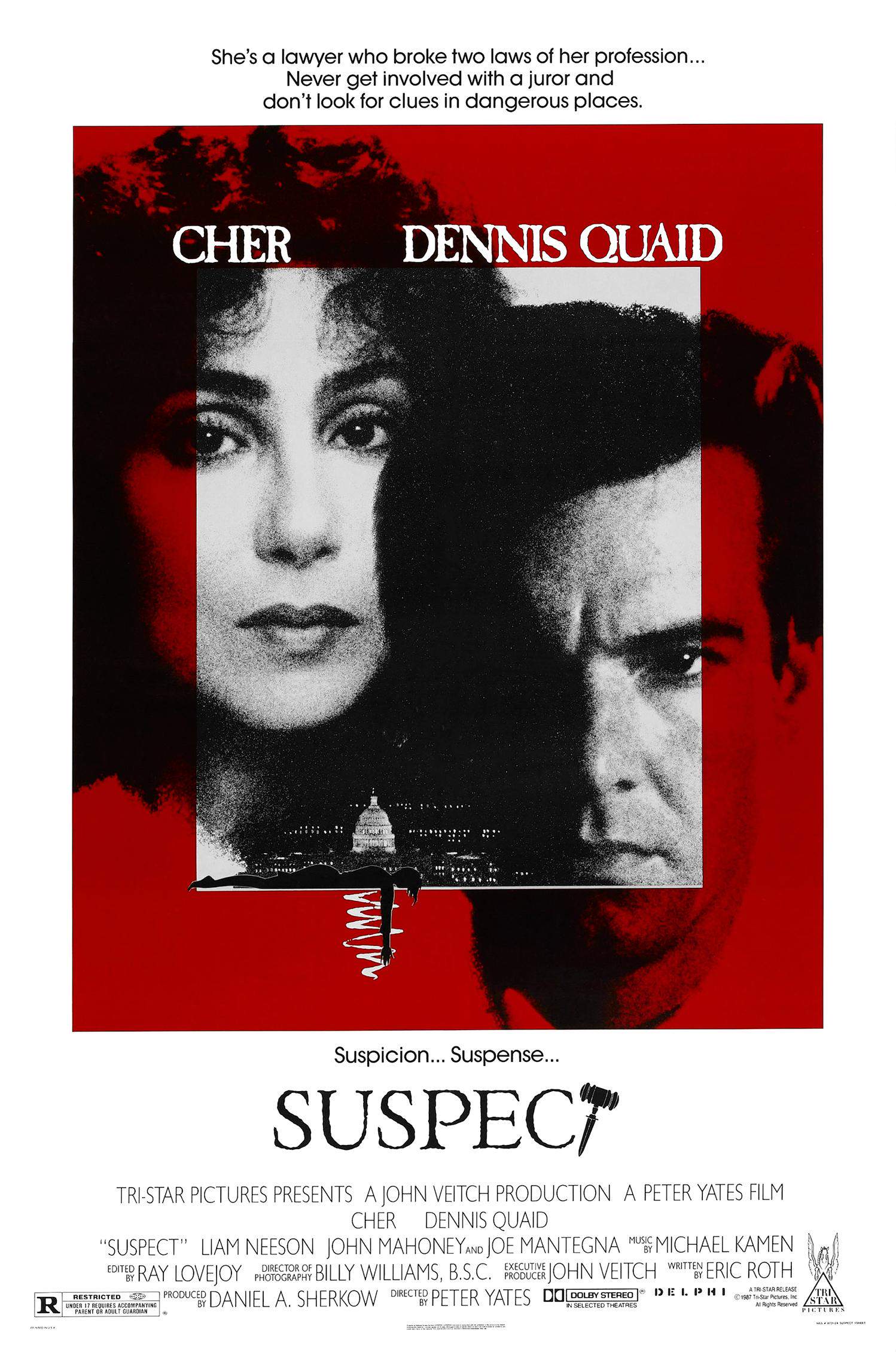
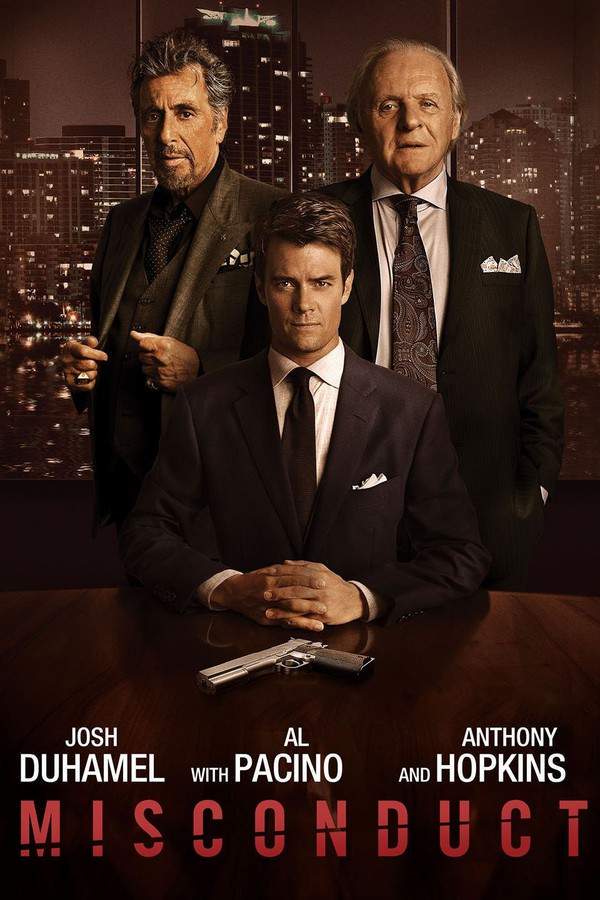
Thrillers where the investigator becomes the suspect like in Presumed Innocent

Thrillers where the hunter becomes the hunted, trapped within the system they once served. If you liked the tense premise of Presumed Innocent, you'll find similar gripping stories here. These movies follow professionals entangled in cases where they become the main suspect, creating a unique blend of procedural detail and personal nightmare. Discover more movies like Presumed Innocent that explore this compelling narrative hook.

  • tense
  • paranoid
  • claustrophobic
  • anxious
  • suspenseful
  • professional ruin
  • Tone: dark, tense, paranoid
  • Pacing: steady, methodical
Why these movies?

The story pattern: Stories in this thread typically begin with a competent professional investigating a crime, only to have evidence—often circumstantial or personally damning—point directly at them. The narrative focuses on their dual struggle: using their insider knowledge to uncover the truth while battling the very institution they were part of, leading to intense scrutiny and personal ruin.

Why they belong together: Movies are grouped here because they share the specific plot device of role reversal, where the pursuer becomes the pursued. This creates a consistent vibe of professional claustrophobia, high-stakes personal risk, and a deep-seated anxiety about corruption and betrayal from within.

Dramas of personal ruin and bitter truths like in Presumed Innocent

Stories where personal secrets lead to public downfall and a bittersweet reckoning. Fans of the heavy emotional weight and bittersweet ending of Presumed Innocent will appreciate these similarly impactful stories. These films explore the devastating consequences of secrets and moral failings, leading to a profound personal reckoning. Find more movies like Presumed Innocent that deliver a powerful, morally complex narrative.

  • melancholic
  • regretful
  • heavy
  • obsessive
  • anxious
  • dysfunctional
  • Tone: dark, heavy, bittersweet
  • Pacing: steady, character-driven
Why these movies?

The story pattern: The narrative pattern follows a seemingly secure individual whose life is built on a foundation of secrets. When a catalyzing event occurs, these secrets are exposed, triggering a chain reaction of investigation, betrayal, and judgment. The journey is less about a clear victory and more about the grim acceptance of a new, damaged reality.

Why they belong together: These movies are grouped by their shared focus on the theme of personal downfall caused by moral compromise. They deliver a similar experience of heavy emotional weight, a dark tone, and a conclusion that offers relief from immediate disaster but is shadowed by permanent loss and sorrow.

If you liked this

Movies Like Presumed Innocent

Similar movies to Presumed Innocent: the same genre, themes or kind of story. Each one comes with its own plot summary, timeline and ending explained.

Browse all movie summaries

Every angle

Presumed Innocent (1990) Explained: Plot, Timeline & Characters

Everything about Presumed Innocent in one place: what happens in the plot summary, the timeline in chronological order, the characters and meaning and a spoiler-free summary. What's After the Movie adds the cast, box office and post-credit scenes.

Coming soon on iOS and Android

The Plot Explained Movie Summary App

Plot summaries, endings explained and timelines on your phone. Catch up on any movie in minutes, save your favorites and never miss a twist again.

Be the first to know when we launch. Your email stays private, always.

Learn more about the app