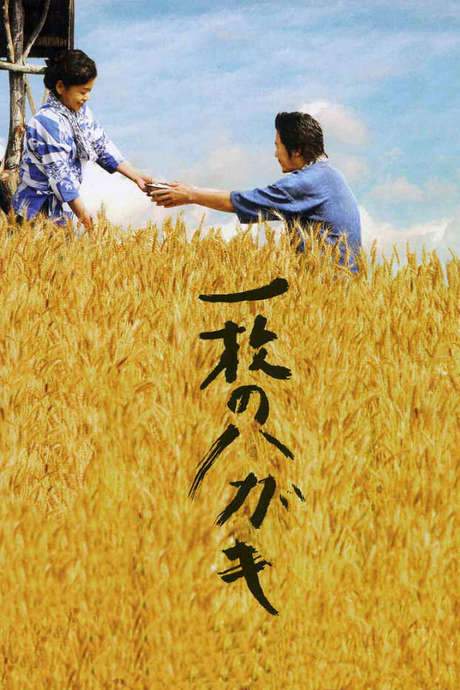
Year: 2010
Runtime: 114 mins
Language: Japanese
Director: Kaneto Shindô
In the waning months of World War II, seasoned soldier Keita is given a postcard by a fellow infantryman who believes he will not survive the front. When the war finally ends, Keita seeks out the fallen soldier’s widow, Yuko, and discovers the heartbreaking hardships and lingering sorrow that have defined her life since his loss.
Get a spoiler-free look at Postcard (2010) with a clear plot overview that covers the setting, main characters, and story premise—without revealing key twists or the ending. Perfect for deciding if this film is your next watch.
In the fading light of the Pacific War, ordinary towns and distant battlefields are painted with a quiet, oppressive stillness. The film opens amid the tired rhythm of soldiers on the front, where the clatter of gunfire is softened by the rustle of paper and the fragile hope it can hold. The world feels both vast and intimate—a landscape scarred by conflict yet still humming with the simple, stubborn life of people trying to survive the inevitable passage of time.
Keita, a seasoned infantryman whose steady demeanor masks a deep well of unspoken memories, is handed a postcard by a fellow soldier who senses his own end is near. The postcard becomes a silent promise, a tiny bridge between the present chaos and a future that may never arrive. As the war draws to a close, the weight of that promise lingers with Keita, shaping his thoughts and guiding his steps long after the guns fall silent.
When peace finally arrives, Keita sets out on a personal pilgrimage to deliver the message to the widow, Yuko. Their impending meeting is framed by a landscape that has been reshaped by loss, yet still holds traces of ordinary beauty—rice fields, modest homes, and the soft glow of lanterns in twilight. The tone is contemplative and reverent, inviting viewers to linger on the unspoken connections between strangers bound by grief. Through restrained cinematography and measured dialogue, the story explores how memory, duty, and quiet resilience can stitch together lives frayed by war, leaving a lingering sense of both melancholy and hope.
Last Updated: November 25, 2025 at 14:55
Discover curated groups of movies connected by mood, themes, and story style. Browse collections built around emotion, atmosphere, and narrative focus to easily find films that match what you feel like watching right now.
Stories about life rebuilt with quiet dignity after immense societal devastation.If you were moved by the quiet resilience in Postcard, you'll find similar stories here. This collection features films about characters enduring the aftermath of war or disaster, focusing on the slow, poignant process of rebuilding life and finding fragile connections amidst the ruins.
The narrative pattern follows characters grappling with the long-term consequences of a shared trauma. The plot is often less about external events and more about the internal, psychological journey of accepting loss and finding a new, fragile normalcy. The focus is on character reflection and small, symbolic acts of survival rather than high-stakes drama.
These films are grouped together because they share a melancholic tone, a slow, deliberate pace, and a heavy emotional weight centered on grief and survival. They capture a specific mood of somber reflection and quiet strength in the face of overwhelming hardship.

Two strangers find a fragile connection while carrying the weight of a mutual loss.For viewers who appreciated the unique relationship in Postcard, this thread gathers films where characters form a bittersweet connection through shared loss. These stories explore how grief can bring people together, creating relationships defined by quiet understanding and a solemn sense of duty rather than conventional romance.
The narrative centers on two characters navigating a relationship defined by a third, absent person. The journey involves confronting the past, fulfilling promises or obligations to the deceased, and slowly building a new, often unspoken understanding with each other. The connection provides a fragile anchor, leading to a resolution that is hopeful yet permanently touched by sadness.
These movies share a specific character dynamic and emotional arc. They are united by a bittersweet tone, a focus on the psychological impact of loss, and the development of a relationship that is more about solace and shared burden than passionate love.
Don't stop at just watching — explore Postcard in full detail. From the complete plot summary and scene-by-scene timeline to character breakdowns, thematic analysis, and a deep dive into the ending — every page helps you truly understand what Postcard is all about. Plus, discover what's next after the movie.
Read a complete plot summary of Postcard, including all key story points, character arcs, and turning points. This in-depth recap is ideal for understanding the narrative structure or reviewing what happened in the movie.
Track the full timeline of Postcard with every major event arranged chronologically. Perfect for decoding non-linear storytelling, flashbacks, or parallel narratives with a clear scene-by-scene breakdown.
Discover the characters, locations, and core themes that shape Postcard. Get insights into symbolic elements, setting significance, and deeper narrative meaning — ideal for thematic analysis and movie breakdowns.
Visit What's After the Movie to explore more about Postcard: box office results, cast and crew info, production details, post-credit scenes, and external links — all in one place for movie fans and researchers.