Plot Explained Spoilers guaranteed!
Plot Explained

Browse by genre

Postcard (2010) movie poster

Timeline

Postcard (2010) Timeline Explained – Every Event in Order

Release, runtime and language
2010 · 114 mins · Japanese
Loading streaming availability…
Directed by
Kaneto Shindô
Starring
Mitsuko Baisho, Akira Emoto, Moeko Ezawa, Shinobu Ôtake, Masahiko Tsugawa, Naomasa Musaka

In the waning months of World War II, seasoned soldier Keita is given a postcard by a fellow infantryman who believes he will not survive the front. When the war finally ends, Keita seeks out the fallen soldier’s widow, Yuko, and discovers the heartbreaking hardships and lingering sorrow that have defined her life since his loss.

On this page (5)
  1. 1 Where to watch
  2. 2 Events in order (15)
  3. 3 Timeline questions answered
  4. 4 Movie threads
  5. 5 Every angle
Loading streaming availability…

15 events in order · contains spoilers

Postcard Timeline: Events in Chronological Order

Every key event of Postcard (2010) in order, scene by scene, with when and where it takes place. Use it to untangle flashbacks, time jumps and parallel storylines, to refresh your memory before the sequel or to find the exact scene you are thinking of.

  1. Overaged conscription and cleaning duties

    Near the end of the Pacific War, Sadazo Morikawa is among a group of 100 overaged conscripts assigned to cleaning duties for the Japanese Navy. He endures grueling tasks while the outcome of the war grows bleaker. Before departure, he asks his comrade Matsuyama to deliver a postcard to his wife Tomoko if he does not return.

    When
    Late Pacific War
    Where
    Japan
  2. Lottery assigns Sadazo to the Philippines

    After the cleaning duty ends, servicemen are selected by a lottery for different duties. Sadazo is chosen to serve in the Philippines, a posting he fears may seal his fate. The sense of looming danger colors his final days before deployment.

    When
    Late Pacific War
    Where
    Philippines
  3. The postcard request to Matsuyama

    Aware that death could come at any moment, Sadazo asks Matsuyama to return the postcard to Tomoko and to tell her that he received it before he died. The request underscores the distance and fragility of life in wartime. Matsuyama agrees, carrying the weight of the message to Japan.

    When
    Late Pacific War
    Where
    Philippines
  4. Farewell to family and wife

    Sadazo says goodbye to his parents Yukichi and Chiyo and to his wife Tomoko as he is conscripted. The scene highlights how the war tears families apart and foreshadows the hardship that follows. The moment marks a personal turning point for Tomoko's later life.

    When
    Just before deployment
    Where
    Home
  5. Official report confirms his death

    A military official later reports Sadazo's death, confirming that he did not return from duty. The family and Tomoko grieve, each in their own way, as the war's reach expands beyond the battlefield. His absence becomes a lingering ache in the household.

    When
    After deployment
    Where
    Japan
  6. Tomoko pressured to marry Sanpei

    Yukichi and Chiyo urge Tomoko not to be left alone and to marry their younger son Sanpei. Tomoko agrees to marry him, hoping for stability amid the chaos of war's aftermath. The arrangement ties her fate to another conscripted life.

    When
    Post Sadazo's death
    Where
    Tomoko's home
  7. Sanpei is conscripted and dies

    Sanpei is drafted into the army and cannot escape his fate. He considers running away, but his parents insist that resistance is futile. He dies in the war, extending the family tragedy to the younger generation.

    When
    During the war
    Where
    Japan/warfront
  8. Yukichi dies during farm work

    While working on the farm, Yukichi suffers a heart condition and dies. His death adds to the cascade of hardship that plagues the family. The land itself bears witness to the generation's losses.

    When
    After Sanpei's death
    Where
    Farm
  9. Chiyo's suicide

    Chiyo gives Tomoko money and then hangs herself, a desperate act born of despair and loss. The tragedy tightens the family bonds around Tomoko as she tries to navigate a broken home. Her death echoes the collapsing domestic world of wartime Japan.

    When
    After Yukichi's death
    Where
    Home
  10. War ends; Matsuyama returns to Japan

    The war ends and Matsuyama returns to Japan, finding that his wife has run away after an affair with his father and is now working as a bar hostess in Osaka. The domestic realm remains a battlefield of its own, far from the front lines. He confronts a country still reeling from years of conflict.

    When
    End of World War II
    Where
    Osaka, Japan
  11. Matsuyama delivers the postcard

    Matsuyama goes to Tomoko's house to deliver Sadazo's postcard and to recount Sadazo's fate. The encounter rekindles a shared memory of loss and plants the seed for a possible future together. The two consider what life might look like after the war.

    When
    Postwar period
    Where
    Tomoko's house, Japan
  12. Tomoko and Matsuyama decide to go to Brazil

    Their conversation over money and futures escalates into a decision to travel to Brazil together. The plan symbolizes leaving behind wartime grief and seeking a new life abroad. They negotiate their path despite lingering tensions.

    When
    Postwar period
    Where
    Tomoko's house
  13. Ashes burned: Sadazo and Sanpei

    They burn the ashes of Sadazo and Sanpei, a ritual act to let go of their wartime losses. The act marks a turning point as the couple looks toward rebuilding their lives. The act ties the past to the present through shared remembrance.

    When
    Postwar
    Where
    Site of old house
  14. Fire at the house and rescue

    Tomoko, in a drunken state, sets fire to the house. Matsuyama pulls her out of the flames, saving them both from a final catastrophe. The incident strengthens their bond and cements their decision to stay together.

    When
    Postwar
    Where
    Old house
  15. A new life in a barley field

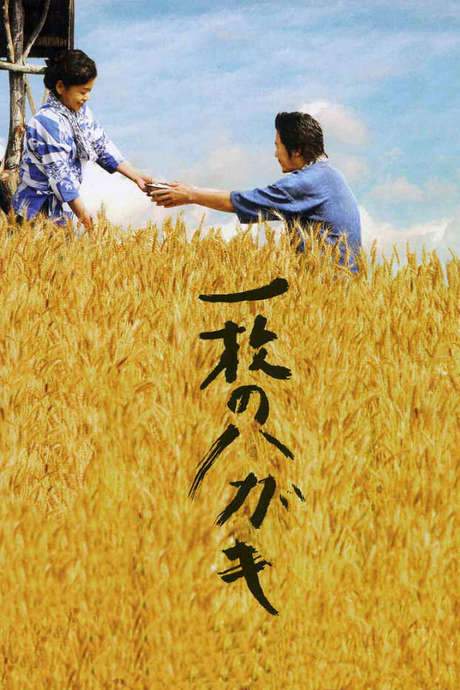
    The story closes with Tomoko and Matsuyama choosing to stay in Japan and cultivate barley on the site of the former house. They work side by side in the field, suggesting renewal, resilience, and a quieter future after years of war. The barley field becomes a symbol of endurance.

    When
    Ending
    Where
    Barley field on the old house site, Japan

Last updated: November 22, 2025 at 15:59

Was this helpful?

Timeline questions answered

Postcard Timeline Explained: Your Questions Answered

When does it happen, and why in that order? The questions people ask about the chronology of Postcard (2010): time jumps, flashbacks, cause and effect between scenes and the correct order of events, each answered with spoilers.

Q1

Why did Sadazo ask Matsuyama to deliver the postcard?

Sadazo feared he would die in the Philippines deployment, so he asked Matsuyama to return the postcard to his wife Tomoko and tell her he received it before his death. This was his final message to her, a small act of connection meant to comfort her after he was gone, showing how wartime soldiers sought any way to maintain a link with their families despite the certainty of death.

Foreshadowing: Earlier, Sadazo entrusted the postcard before the lottery even selected him for the Philippines, showing his premonition of death.

  • sadazo
  • postcard
  • matsuyama
  • death
  • war
  • final message
Q2

Why did Tomoko agree to marry Sanpei after Sadazo died?

Sadazo's parents Yukichi and Chiyo pressured Tomoko not to abandon her obligations and urged her to marry their younger son Sanpei. Tomoko agreed hoping for stability amid the chaos of postwar Japan, feeling bound by traditional duty to the family that had lost both sons to the war.

Foreshadowing: The scene where Sadazo says goodbye to his family foreshadows how the war will continue to shape Tomoko's fate even after his death.

  • tomoko
  • sanpei
  • marriage
  • pressure
  • obligation
  • family
Q3

Why did Chiyo commit suicide after giving Tomoko money?

After Yukichi died from a heart condition, Chiyo was overwhelmed by despair and the cumulative loss of both her sons, Sadazo and Sanpei, to the war. She gave Tomoko money as a final act of protection, then hanged herself, unable to bear the weight of the family's destruction any longer.

Foreshadowing: The mounting losses throughout the film, Sadazo's death, Sanpei's death, Yukichi's death, created an inevitable momentum toward Chiyo's tragic decision.

  • chiyo
  • suicide
  • money
  • despair
  • loss
  • family
Q4

Why did Matsuyama return to find Tomoko after the war ended?

Matsuyama returned to Japan with the weight of Sadazo's dying request, the postcard and final message. After discovering his own wife had left him due to an affair with his father, he sought out Tomoko to fulfill his promise and confront his own loneliness, leading to their connection.

Foreshadowing: Matsuyama's agreement to deliver the postcard planted the seeds for his later visit to Tomoko's home.

  • matsuyama
  • tomoko
  • return
  • postcard
  • promise
  • reunion
Q5

Why did Tomoko and Matsuyama decide to go to Brazil together?

After sharing their grief and discussing futures shaped by loss, both Tomoko and Matsuyama sought to escape Japan's painful memories. Matsuyama had saved 200,000 yen from selling his fishing boat and offered to share it, while Tomoko wanted a fresh start far from the war-torn homeland that had taken everything from her.

Foreshadowing: Their conversation about money and futures directly led to the decision to leave Japan together.

  • brazil
  • immigration
  • new life
  • escape
  • start fresh
Q6

Why did Tomoko set fire to the old house?

Overcome by grief and alcohol after burning the ashes of Sadazo and Sanpei, Tomoko impulsively set fire to the house, a final act of destruction meant to release herself from the past. The fire represented her desire to burn away all remnants of her painful history before starting anew.

Foreshadowing: The burning of the ashes served as the emotional trigger for this destructive act, releasing emotions she had suppressed for years.

  • fire
  • house
  • destruction
  • release
  • grief
  • ashes
Q7

Why didn't Tomoko and Matsuyama actually go to Brazil?

After the house fire and Matsuyama rescuing Tomoko from the flames, their perspective shifted. Rather than fleeing to Brazil, they chose to stay in Japan and rebuild on the site of the former home, cultivating barley together. This decision represented choosing endurance and roots over escape.

Foreshadowing: The rescue moment marked a turning point where their relationship transformed from two people seeking escape to partners choosing to rebuild.

  • japan
  • barley
  • staying
  • rebuild
  • roots
  • choice
Q8

What happened to Sadazo in the Philippines?

Sadazo was sent to the Philippines as part of a lottery assignment during the Pacific War. He was among a hundred overaged conscripts selected for deployment, a posting he feared would be fatal. He died there, and his death was later confirmed by a military official to his family in Japan.

Foreshadowing: His fear of the Philippines assignment and his postcard request to Matsuyama both foreshadowed his fate.

  • sadazo
  • philippines
  • death
  • deployment
  • war
Q9

Why was Matsuyama's wife working in Osaka as a hostess?

When Matsuyama returned to Japan after the war, he discovered his wife had run away after having an affair with his father. She was now working as a bar hostess in Osaka, a situation that deeply disturbed Matsuyama and symbolized how the war had corrupted even domestic life.

Foreshadowing: This betrayal adds to the film's theme of how war destroys not only lives on the battlefield but also families at home.

  • matsuyama
  • wife
  • hostess
  • osaka
  • affair
  • betrayal
Q10

What does the barley field represent at the end of the film?

The barley field where Tomoko and Matsuyama stand together at the end symbolizes resilience, renewal, and quiet hope after years of destruction. Rather than fleeing to Brazil, they choose to stay and cultivate the land, representing a stubborn act of endurance and connection to their roots despite all the loss.

Foreshadowing: The recurring theme of land and farming throughout the film, from Yukichi's farm work to the family's dependence on the land, builds toward this final image of renewal.

  • barley
  • field
  • ending
  • symbolism
  • renewal
  • hope
  • endurance

Movie threads

More Movies Like Postcard, by Mood & Story

Curated lists built around what makes Postcard tick: the same mood, the same kind of story or the same emotional payoff. Each list explains why these movies belong together.

Movies about rebuilding life after trauma like Postcard

Stories about life rebuilt with quiet dignity after immense societal devastation. If you were moved by the quiet resilience in Postcard, you'll find similar stories here. This collection features films about characters enduring the aftermath of war or disaster, focusing on the slow, poignant process of rebuilding life and finding fragile connections amidst the ruins.

  • somber
  • resilient
  • grieving
  • quiet
  • enduring
  • reflective
  • Tone: melancholic, somber, reflective
  • Pacing: slow, deliberate, character-focused
Why these movies?

The story pattern: The narrative pattern follows characters grappling with the long-term consequences of a shared trauma. The plot is often less about external events and more about the internal, psychological journey of accepting loss and finding a new, fragile normalcy. The focus is on character reflection and small, symbolic acts of survival rather than high-stakes drama.

Why they belong together: These films are grouped together because they share a melancholic tone, a slow, deliberate pace, and a heavy emotional weight centered on grief and survival. They capture a specific mood of somber reflection and quiet strength in the face of overwhelming hardship.

Movies about grief bonds like the connection in Postcard

Two strangers find a fragile connection while carrying the weight of a mutual loss. For viewers who appreciated the unique relationship in Postcard, this thread gathers films where characters form a bittersweet connection through shared loss. These stories explore how grief can bring people together, creating relationships defined by quiet understanding and a solemn sense of duty rather than conventional romance.

  • bittersweet
  • grieving
  • quiet
  • poignant
  • solemn
  • hopeful
  • Tone: bittersweet, poignant, melancholic
  • Pacing: slow, reflective
Why these movies?

The story pattern: The narrative centers on two characters navigating a relationship defined by a third, absent person. The journey involves confronting the past, fulfilling promises or obligations to the deceased, and slowly building a new, often unspoken understanding with each other. The connection provides a fragile anchor, leading to a resolution that is hopeful yet permanently touched by sadness.

Why they belong together: These movies share a specific character dynamic and emotional arc. They are united by a bittersweet tone, a focus on the psychological impact of loss, and the development of a relationship that is more about solace and shared burden than passionate love.

Every angle

Postcard (2010) Explained: Plot, Timeline & Characters

Everything about Postcard in one place: what happens in the plot summary, the timeline in chronological order, the characters and meaning and a spoiler-free summary. What's After the Movie adds the cast, box office and post-credit scenes.

Coming soon on iOS and Android

The Plot Explained Movie Summary App

Plot summaries, endings explained and timelines on your phone. Catch up on any movie in minutes, save your favorites and never miss a twist again.

Be the first to know when we launch. Your email stays private, always.

Learn more about the app