Plot Explained Spoilers guaranteed!
Plot Explained

Browse by genre

Postcard (2010) movie poster

Characters & Themes

Postcard (2010) Characters, Setting & Themes Explained

Release, runtime and language
2010 · 114 mins · Japanese
Loading streaming availability…
Directed by
Kaneto Shindô
Starring
Mitsuko Baisho, Akira Emoto, Moeko Ezawa, Shinobu Ôtake, Masahiko Tsugawa, Naomasa Musaka

In the waning months of World War II, seasoned soldier Keita is given a postcard by a fellow infantryman who believes he will not survive the front. When the war finally ends, Keita seeks out the fallen soldier’s widow, Yuko, and discovers the heartbreaking hardships and lingering sorrow that have defined her life since his loss.

On this page (7)
  1. 1 Where to watch
  2. 2 Characters explained (8)
  3. 3 Where & when it takes place
  4. 4 Themes & meaning (3)
  5. 5 Character & meaning questions
  6. 6 Movie threads
  7. 7 Every angle
Loading streaming availability…

8 main characters · contains spoilers

Postcard Characters Explained: Who Is Who

The main characters of Postcard (2010), heroes and villains: what drives them, how they change over the course of the story and what each of them reveals about the film's bigger ideas.

  • Sadazo Morikawa (Naomasa Musaka)

    A frightened, dutiful young conscript pressed into the navy's cleaning corps. He clings to the hope of delivering a message to his wife and family as death seems imminent. His fate and the lottery that assigns him to the Philippines highlight the brutal randomness of war.

    • 💔 Tragedy
    • 🧭 Duty
    • 🕯️ Memory
  • Tomoko Morikawa (Shinobu Ôtake)

    Sadazo's wife who endures loss and social pressure after his death. She agrees to marry Sadazo's younger brother Sanpei, and later forms a complex bond with Matsuyama. Her choices reflect the conflict between duty, survival, and desire in wartime society.

    • 💔 Duty
    • 🥀 Love
    • 🧭 Choice
  • Yukichi Morikawa (Akira Emoto)

    Patriarch of the Morikawa family, a quiet man who confronts illness and the burden of keeping his family together. He dies of a heart condition, triggering further upheaval and prompting decisions about remarriage and care for the widow.

    • 👨 Family
    • 💔 Loss
    • 🕊️ Duty
  • Chiyo Morikawa (Mitsuko Baisho)

    The mother who bears immense grief and helps Tomoko with money after Yukichi's death. Overcome by sorrow, she ultimately takes her own life, a pivotal moment that intensifies the family tragedy and shapes subsequent decisions.

    • 💔 Loss
    • 👩‍👧 Family
    • 🕯️ Grief
  • Keita Matsuyama (Etsushi Toyokawa)

    A veteran who returns to Japan to find his life unsettled by his wife’s infidelity and family tensions. He contemplates leaving for Brazil with Tomoko, carrying money as a potential share, and faces rivalries that steer toward a later attempt at rebuilding in Japan.

    • 💔 Love
    • 🗺️ Escape
    • 🌾 Renewal
  • Kichigoro Izumiya (Ren Osugi)

    A rival suitor for Tomoko who adds tension to the love triangle amid wartime scarcity. His presence heightens conflict and complicates Matsuyama’s pursuit for a stable future with Tomoko.

    • 💔 Rival
    • 🧭 Competition
    • 👀 Intrigue
  • Sanpei Morikawa

    The younger Morikawa son pressed into war; he attempts to avoid conscription but ultimately dies in the conflict. His death deepens the family’s sense of loss and pushes later choices toward endurance and renewal.

    • 💔 Tragedy
    • 🕊️ Death
    • 👨‍👦 Family
  • Riwemon (Masahiko Tsugawa)

    Matsuyama's uncle who interacts with Tomoko and Matsuyama, representing wartime familial networks and the social pressures that shape relationships during and after conflict.

    • 👨‍👦 Family
    • 🗣️ Authority
    • 🥀 Tension

Last updated: November 22, 2025 at 15:37

Was this helpful?

Setting

Where and When Does Postcard Take Place?

The setting of Postcard (2010): the year and time period, the places and locations, and how they shape the characters, the mood and the tension of the story.

Time period

1944-1945

The story unfolds in the late Pacific War, a period of intense conscription, shortages, and fear of death. Families grieve multiple losses as the war grips every corner of life. With the war's end, characters confront rebuilding and a fragile redefinition of home.

Location

Philippines, Osaka, Japan

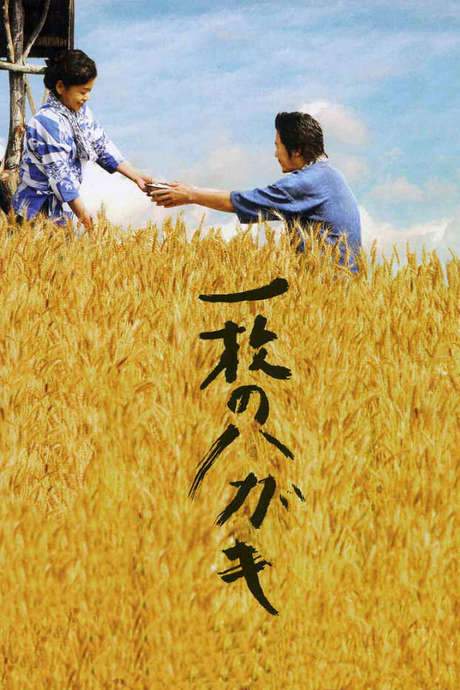
Set against the waning Pacific War, the film travels from a Philippine base where Sadazo serves to the home front in Japan. It juxtaposes war-front life with Osaka's intimate interiors and a rural barley field, illustrating the reach of conflict into everyday spaces. The locations together form an arc of loss, memory, and tentative renewal.

  • 🌍 War-torn setting
  • 🇵🇭 Philippines
  • 🗼 Osaka
  • 🏞️ Rural Japan

Last updated: November 22, 2025 at 15:37

Was this helpful?

3 major themes

Postcard Meaning: Themes & Message Explained

What is Postcard (2010) really about? The emotional, social and philosophical themes the film keeps returning to, its symbolism and the message beneath the surface.

  • War Toll

    War frames every decision, turning small acts of love into acts of endurance. The lottery assigning Sadazo to the Philippines and the deaths that follow reveal how violence erodes family life. Postcards, payments, and buried ashes underscore the irreparable price of conflict. The narrative shows that personal pain is inseparable from national trauma.

  • Memory & Loss

    Memory anchors the characters as they navigate absence and longing. The postcard becomes a tangible link to a life cut short, and the deaths of Sadazo and Sanpei intensify the family’s grief. Grief lingers in daily choices and in the quiet moments that define surviving after tragedy.

  • Rebuilding

    In the aftermath, the characters seek a quieter future in farming and domestic life. The barley field at the old house site symbolizes renewal and the possibility of stability after devastation. The final decision to stay and cultivate life marks a shift from wartime survival to peacetime healing.

Last updated: November 22, 2025 at 15:37

Was this helpful?

Character & theme questions

Postcard Characters & Meaning: Your Questions Answered

The questions people ask about Postcard (2010): who the characters really are, their relationships, what the symbols mean, where it takes place and what the movie is really about. Each answer contains spoilers.

Q1

Where does the story take place?

The film is set across two main locations: a Philippine base where the soldiers serve during the war, and Japan's home front, primarily in Osaka and a rural barley field. This contrast between the war front and domestic spaces illustrates how conflict reaches every corner of everyday life.

  • philippines
  • osaka
  • japan
  • setting
  • war front
  • home front
Q2

When is the movie set?

The story unfolds during the final years of World War II, specifically 1944-1945, which marks the late Pacific War period. This era was defined by intense conscription, severe shortages, and the constant fear of death as the conflict reached its conclusion.

  • 1944
  • 1945
  • world war 2
  • pacific war
  • time period
  • era
Q3

What does Postcard say about the impact of war?

The film portrays war as a force that erodes family life and turns small acts of love into acts of endurance. The lottery that assigns soldiers to the front and the deaths that follow reveal the brutal randomness of conflict. Postcards, payments, and buried ashes underscore the irreparable price paid by ordinary people.

  • war
  • toll
  • impact
  • family
  • conscription
  • death
  • violence
Q4

How does memory function in the story?

Memory anchors the characters as they navigate absence and longing. The postcard becomes a tangible link to a life cut short, while the deaths of soldiers intensify the family's grief. This grief lingers in daily choices and defines the quiet moments that characterize surviving after tragedy.

  • memory
  • loss
  • grief
  • postcard
  • death
  • longing
  • absence
Q5

What does rebuilding mean in Postcard?

In the aftermath of war, characters seek a quieter future through farming and domestic life. The barley field at the old house site symbolizes renewal and the possibility of stability after devastation. The choice to stay and cultivate the land represents a shift from wartime survival to peacetime healing.

  • rebuilding
  • renewal
  • healing
  • farming
  • barley field
  • hope
  • stability
Q6

Who is Tomoko Morikawa?

Tomoko is Sadazo's widow who endures immense loss and social pressure after her husband's death in the war. She agrees to marry Sadazo's younger brother Sanpei, and later forms a complex bond with Keita Matsuyama. Her choices reflect the conflict between duty, survival, and personal desire in wartime society.

  • tomoko
  • widow
  • morikawa
  • duty
  • survival
  • marriage
  • keita
Q7

Who is Keita Matsuyama in the story?

Keita Matsuyama is a veteran soldier who returns to Japan after the war to find his life unsettled by his wife's infidelity and family tensions. He carries money as a potential share and contemplates leaving for Brazil with Tomoko, ultimately choosing to rebuild in Japan instead.

  • keita
  • matsuyama
  • veteran
  • soldier
  • return
  • brazil
  • rebuilding
Q8

Who is Sadazo Morikawa?

Sadazo Morikawa is a frightened, dutiful young conscript pressed into the navy's cleaning corps during the war. He clings to the hope of delivering a message to his wife and family as death seems imminent. His fate and the lottery that assigns him to the Philippines highlight the brutal randomness of war.

  • sadazo
  • conscript
  • navy
  • philippines
  • lottery
  • death
  • wife
Q9

What choices do the characters face after the war ends?

After the war, characters confront rebuilding their lives while dealing with grief, betrayal, and economic hardship. Tomoko must choose between different suitors and a potential escape to Brazil. The family faces decisions about remarriage, caring for remaining members, and whether to stay or leave their homeland.

  • moral
  • dilemma
  • choices
  • after war
  • rebuilding
  • remarriage
  • brazil
Q10

What is the emotional tone of the ending?

The ending is bittersweet, there is no joyous resolution, as the family has endured deaths, suicide, and betrayal. However, the decision of the two main characters to stay and cultivate the land together represents a small, stubborn act of hope and endurance amidst overwhelming ruin.

  • ending
  • bittersweet
  • hope
  • endurance
  • cultivation
  • land
  • healing

Movie threads

More Movies Like Postcard, by Mood & Story

Curated lists built around what makes Postcard tick: the same mood, the same kind of story or the same emotional payoff. Each list explains why these movies belong together.

Movies about rebuilding life after trauma like Postcard

Stories about life rebuilt with quiet dignity after immense societal devastation. If you were moved by the quiet resilience in Postcard, you'll find similar stories here. This collection features films about characters enduring the aftermath of war or disaster, focusing on the slow, poignant process of rebuilding life and finding fragile connections amidst the ruins.

  • somber
  • resilient
  • grieving
  • quiet
  • enduring
  • reflective
  • Tone: melancholic, somber, reflective
  • Pacing: slow, deliberate, character-focused
Why these movies?

The story pattern: The narrative pattern follows characters grappling with the long-term consequences of a shared trauma. The plot is often less about external events and more about the internal, psychological journey of accepting loss and finding a new, fragile normalcy. The focus is on character reflection and small, symbolic acts of survival rather than high-stakes drama.

Why they belong together: These films are grouped together because they share a melancholic tone, a slow, deliberate pace, and a heavy emotional weight centered on grief and survival. They capture a specific mood of somber reflection and quiet strength in the face of overwhelming hardship.

Movies about grief bonds like the connection in Postcard

Two strangers find a fragile connection while carrying the weight of a mutual loss. For viewers who appreciated the unique relationship in Postcard, this thread gathers films where characters form a bittersweet connection through shared loss. These stories explore how grief can bring people together, creating relationships defined by quiet understanding and a solemn sense of duty rather than conventional romance.

  • bittersweet
  • grieving
  • quiet
  • poignant
  • solemn
  • hopeful
  • Tone: bittersweet, poignant, melancholic
  • Pacing: slow, reflective
Why these movies?

The story pattern: The narrative centers on two characters navigating a relationship defined by a third, absent person. The journey involves confronting the past, fulfilling promises or obligations to the deceased, and slowly building a new, often unspoken understanding with each other. The connection provides a fragile anchor, leading to a resolution that is hopeful yet permanently touched by sadness.

Why they belong together: These movies share a specific character dynamic and emotional arc. They are united by a bittersweet tone, a focus on the psychological impact of loss, and the development of a relationship that is more about solace and shared burden than passionate love.

Every angle

Postcard (2010) Explained: Plot, Timeline & Characters

Everything about Postcard in one place: what happens in the plot summary, the timeline in chronological order, the characters and meaning and a spoiler-free summary. What's After the Movie adds the cast, box office and post-credit scenes.

Coming soon on iOS and Android

The Plot Explained Movie Summary App

Plot summaries, endings explained and timelines on your phone. Catch up on any movie in minutes, save your favorites and never miss a twist again.

Be the first to know when we launch. Your email stays private, always.

Learn more about the app