






Plot Explained Spoilers guaranteed!
Plot Explained

Browse by genre

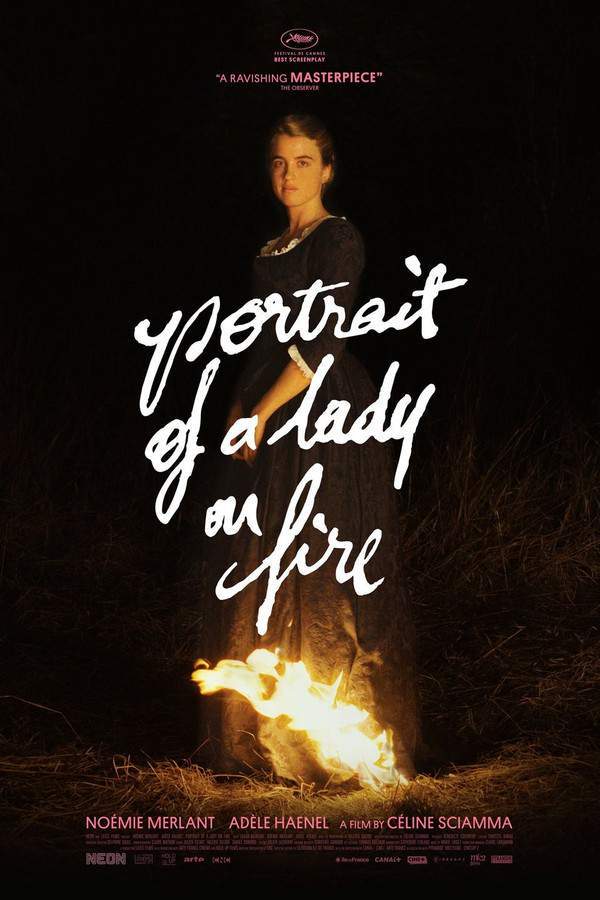
Portrait of a Lady on Fire (2019) movie poster

Timeline

Portrait of a Lady on Fire (2019) Timeline Explained – Every Event in Order

Release, runtime and language
2019 · 122 min · French
Echo score 91
JustWatch #668 118
Directed by
Céline Sciamma
Starring
Adele Haenel, Armande Boulanger, Cécile Morel, Christel Baras, Clément Bouyssou, Guy Delamarche
Budget
$5.7M

In 18th-century France, Marianne, a painter, is commissioned to paint Héloïse, a young woman who is about to be married. Héloïse refuses to pose, so Marianne must observe her and paint her portrait in secret. As the two women spend time together, an intense connection develops, and their relationship transcends the boundaries of artist and model, blossoming into a passionate and forbidden love affair that is captured in the evolving portrait.

On this page (6)
  1. 1 Where to watch
  2. 2 Events in order (17)
  3. 3 Timeline questions answered
  4. 4 Movie threads
  5. 5 Movies like Portrait of a Lady on Fire
  6. 6 Every angle

Where to watch

Where to Watch Portrait of a Lady on Fire (2019)

Where can you watch Portrait of a Lady on Fire? Stream, rent or buy it in the US, including on HBO Max, Kanopy and Apple TV Store: current JustWatch availability with up-to-date prices.

Streaming availability powered by JustWatch

17 events in order · contains spoilers

Portrait of a Lady on Fire Timeline: Events in Chronological Order

Every key event of Portrait of a Lady on Fire (2019) in order, scene by scene, with when and where it takes place. Use it to untangle flashbacks, time jumps and parallel storylines, to refresh your memory before the sequel or to find the exact scene you are thinking of.

  1. Marianne's Art Class

    At the end of the 18th century, Marianne conducts an art class in France, where her students inquire about the painting titled *Portrait de la jeune fille en feu*. This sets the stage for the memories that follow, highlighting Marianne's talent and the importance of the subject matter.

    Where
    France
  2. Arrival in Brittany

    Years earlier, Marianne arrives on a remote island in Brittany, tasked with painting a portrait of a young woman named Héloïse. The isolation of the island contrasts with Marianne's impending mission, foreshadowing the deep connection they will develop.

    Where
    Brittany
  3. Introduction to Héloïse

    Marianne learns Héloïse has refused to sit for portraits due to her impending marriage to a nobleman from Milan. The Countess reveals Héloïse's tragic backstory of her sister's suicide, reinforcing the societal pressures she faces and deepening Marianne's understanding of her subject.

  4. Posing as a Companion

    To gain Héloïse's trust, Marianne poses as her hired companion. This enables them to take long walks along the dramatic coastline, where Marianne secretly studies Héloïse's features for her portrait, illustrating the deepening bond between the two women.

    Where
    Coastline, Brittany
  5. Confession of Intent

    After completing the initial portrait, Marianne feels compelled to admit her true reason for being there. This moment of honesty challenges the trust they have built, leading to a critical turning point in their relationship.

  6. Destruction of the Portrait

    Héloïse criticizes the portrait for not capturing her essence, prompting Marianne to destroy it in a moment of resolve. This act signifies Marianne's commitment to truly representing Héloïse and paves the way for a new beginning.

  7. The Portrait Agreement

    Surprising both Marianne and the Countess, Héloïse agrees to pose for a new portrait, with the condition that it must be completed in five days. This decision highlights Héloïse's growing autonomy as she challenges her fate.

  8. Evening Conversations

    One night, Marianne and Héloïse engage in an intense discussion about the myth of Orpheus and Eurydice, exploring themes of love and loss. This conversation adds depth to their relationship and highlights the emotional stakes at play.

  9. The Bonfire Gathering

    During a bonfire gathering, Marianne and Héloïse participate in communal singing, strengthening their connection with the other women. A moment of danger arises when Héloïse's dress nearly catches fire, symbolizing the volatility of their romance.

  10. A Passionate Encounter

    The turning point occurs when Marianne and Héloïse share a passionate kiss, leading to an intimate night together. This moment solidifies their bond and marks the beginning of a deep romantic relationship.

  11. Sophie’s Dilemma

    As the impact of their relationship deepens, Marianne and Héloïse support Sophie, the housemaid, in her decision to seek an abortion. Their solidarity illustrates the struggles women face in their respective battles against societal expectations.

  12. Sketching for Memory

    With the return of the Countess imminent, Marianne sketches a drawing of Héloïse to preserve her memory. This creative act showcases the urgency of their fleeting time together and Marianne's desire to hold onto what they have experienced.

  13. The Nude Sketch

    In a particularly intimate moment, Héloïse asks Marianne to draw her nude as part of a keepsake. This request deepens their emotional connection and signifies a moment of vulnerability between them.

  14. Final Portrait Approval

    As the new portrait is unveiled, the Countess expresses her satisfaction with Marianne's work. This approval acts as a bittersweet moment for both women as they approach the end of their time together.

  15. Heartbreaking Goodbye

    On the morning of Marianne's departure, she turns to find Héloïse in her wedding dress, a poignant reminder of the life that awaits her. This encounter solidifies the emotional weight of their time together and leaves a lasting impact on Marianne.

  16. Future Encounters

    In the present, Marianne reflects on two serendipitous encounters with Héloïse years later. The first occurs at an art exhibition where Héloïse is depicted in a portrait, echoing their intimate past.

  17. The Concert in Milan

    The second encounter takes place at a concert in Milan, where Marianne sees Héloïse among the patrons. This moment encapsulates the profound emotional connection they still share, even if separated by time.

    Where
    Milan

Last updated: November 16, 2024 at 18:04

Was this helpful?

Timeline questions answered

Portrait of a Lady on Fire Timeline Explained: Your Questions Answered

When does it happen, and why in that order? The questions people ask about the chronology of Portrait of a Lady on Fire (2019): time jumps, flashbacks, cause and effect between scenes and the correct order of events, each answered with spoilers.

Q1

Why does Héloïse refuse to have her portrait painted?

Héloïse refuses to sit for portraits because she is being forced into an arranged marriage with a nobleman from Milan. She previously lived in a convent but was forced to return home after her sister's tragic suicide. Having never consented to the marriage, she refuses to participate in any aspect of the wedding preparations, including portrait sittings, as an act of quiet resistance against her predetermined fate.

  • heloise portrait refusal
  • forced marriage
  • sister suicide
  • countess
Q2

Why does Marianne pose as Héloïse's companion instead of openly painting her?

Marianne poses as a hired companion because Héloïse has explicitly refused to sit for any portraits. To complete her commission without alerting Héloïse to the truth, Marianne uses the companion role as cover. This allows her to spend time with Héloïse, memorize her features through observation during walks along the coastline, and paint the portrait secretly.

  • marianne companion
  • secret portrait
  • heLoise observation
  • covert painting
Q3

Why does Marianne destroy the first portrait of Héloïse?

Marianne destroys the first portrait after Héloïse criticizes it, saying it fails to capture who she truly is. Rather than deliver a painting that Héloïse finds dishonest, Marianne chooses to destroy it. This act demonstrates her commitment to creating a genuine representation and marks a turning point where Héloïse then agrees to pose willingly.

  • destroyed portrait
  • helo critique
  • marianne painting
  • artistic integrity
Q4

Why does Héloïse agree to pose for the second portrait after initially refusing?

After seeing the first portrait destroyed, Héloïse decides to pose voluntarily. This shift represents her growing acceptance of her circumstances and her desire to be truly seen rather than painted by someone who had to spy on her. By agreeing to pose, she claims some agency over the situation, allowing herself to be portrayed honestly rather than having a secretly observed likeness delivered.

  • heloise pose
  • second portrait
  • autonomy
  • consent painting
Q5

What is the significance of the Orpheus and Eurydice discussion?

Marianne and Héloïse debate why Orpheus looked back at Eurydice, with Héloïse suggesting he looked back out of distrust or doubt rather than love. This conversation foreshadows their own relationship and raises questions about memory, loss, and whether looking back at the past is an act of love or destruction. The allegory themes of love, loss, and what we choose to remember become central to the film's meditation on art preserving what time destroys.

  • orpheus eurydice
  • myth discussion
  • memory love
  • heLoise marianne conversation
Q6

What happens at the bonfire gathering and what does the fire symbolize?

During a bonfire gathering with other women on the island, Héloïse's dress nearly catches fire in a moment of danger. This incident serves as a symbol of the volatile, potentially destructive nature of their romance. The fire also connects to the film's title 'en feu' (on fire), representing the passionate but dangerous love that cannot be openly expressed without risk.

  • bonfire scene
  • dress fire
  • passion symbolism
  • heLoise danger
Q7

Why does Héloïse ask Marianne to draw her nude?

Héloïse requests a nude sketch on page 28 of her book as a deeply intimate act and lasting keepsake. This request signifies complete vulnerability and trust between them. The sketch becomes an important memory object that Héloïse keeps with her, as revealed in the future encounter where she is depicted holding the book with page 28 visible, demonstrating that she preserved this intimate memory throughout her married life.

  • nude sketch
  • page 28
  • intimate drawing
  • heLoise marianne
Q8

Why do Marianne and Héloïse help Sophie seek an abortion?

Marianne and Héloïse support Sophie, the housemaid, in obtaining an abortion because she is pregnant and unable to raise a child in her circumstances. This act of solidarity demonstrates the shared struggles women face against societal constraints. Both women understand the oppression of being controlled by men and patriarchal expectations, so they help Sophie take control of her own body and future.

  • sophie abortion
  • women solidarity
  • patriarchal oppression
  • maid pregnancy
Q9

What does it mean when Marianne hears 'Turn around' before leaving?

As Marianne prepares to depart, she hears Héloïse's voice say 'Turn around.' When she does, she sees Héloïse in her wedding dress, the final image before Héloïse is forced to marry the Milanese nobleman. This moment is heartbreaking because it shows Héloïse in the very role she resisted throughout the film, the bride she never wanted to become. It represents the irreversible path Héloïse must now take.

  • turn around
  • wedding dress
  • final goodbye
  • heLoise bride
Q10

What happens in the two future encounters between Marianne and Héloïse?

Marianne encounters Héloïse twice more after their time on the island. The first is at an art exhibition where Héloïse is depicted in a portrait, holding a book with her child beside her, with page 28 of the book visibly turned to the nude sketch. The second encounter is at a concert in Milan where Marianne spots Héloïse in the balcony, tears streaming as she listens to Vivaldi's Four Seasons Presto, the same piece Marianne played for her on the harpsichord. These encounters show their love endured in memory despite separation.

  • future reunion
  • art exhibition
  • milan concert
  • vivaldi four seasons
Q11

Why is Héloïse crying at the concert in Milan?

Héloïse cries at the concert in Milan when she hears the Presto from Vivaldi's Four Seasons, the same music Marianne played for her on the harpsichord during their time together. These tears represent the powerful, lasting emotional impact of their forbidden love. She is simultaneously joyful in remembering their connection and sorrowful because that love belongs to her past. The smile through her tears captures the bittersweet nature of cherished memory.

  • heloise tears
  • vivaldi
  • music memory
  • bittersweet emotion
Q12

What is the significance of page 28 in Héloïse's book at the exhibition?

Page 28 is the page where Marianne drew the nude sketch of Héloïse that she requested as an intimate keepsake. In the future exhibition portrait, Héloïse is depicted holding a book with page 28 turned outward, deliberately visible. This detail reveals that Héloïse kept this intimate drawing with her throughout her married life, choosing to preserve and display this memory of their love despite the passage of years.

  • page 28 sketch
  • nude drawing
  • heLoise memory
  • keepsake

Movie threads

More Movies Like Portrait of a Lady on Fire, by Mood & Story

Curated lists built around what makes Portrait of a Lady on Fire tick: the same mood, the same kind of story or the same emotional payoff. Each list explains why these movies belong together.

Movies about forbidden love like Portrait of a Lady on Fire

Passionate affairs that defy society, ending in profound sacrifice and remembrance. If you were moved by the secret, passionate romance in Portrait of a Lady on Fire, explore more movies about forbidden love. This thread gathers historical dramas and romantic tragedies where societal constraints force lovers apart, creating stories with heavy emotional weight and bittersweet endings.

  • forbidden romance
  • yearning
  • melancholic
  • tragic love
  • emotional
  • repressed desire
  • Tone: melancholic, passionate
  • Pacing: slow, deliberate
Why these movies?

The story pattern: Stories in this thread typically follow a pattern of discovery, intense connection, and inevitable separation. Characters find profound love in a context that forbids it, leading to a conflict between personal desire and external duty. The climax often involves a painful choice or forced parting, with the ending focusing on the lasting impact of the lost love.

Why they belong together: Movies are grouped here based on their core theme of illicit romance, their melancholic tone, and the significant emotional weight they carry. They share a focus on the internal struggle of the characters and the poignant beauty found in a love that is beautiful precisely because it is doomed.

Atmospheric slow burn movies like Portrait of a Lady on Fire

Quiet, painterly films where mood and subtle character observation drive the narrative. Fans of the quiet, painterly pace and intense intimacy of Portrait of a Lady on Fire will enjoy this collection of atmospheric slow burn movies. These films use deliberate pacing, strong visual composition, and subtle performances to explore complex characters and relationships in a deeply immersive way.

  • slow burn
  • atmospheric
  • intimate
  • quiet
  • reflective
  • observational
  • Tone: intimate, reflective, melancholic
  • Pacing: slow, deliberate, observational
Why these movies?

The story pattern: The narrative in these films is often minimalistic, driven by quiet moments, lingering glances, and unspoken tensions. The plot unfolds gradually, focusing on the development of a central relationship or a character's internal journey. The setting and atmosphere are as important as the dialogue, creating a world that feels tangible and charged with unexpressed emotion.

Why they belong together: These films are grouped by their shared slow pacing, high emphasis on atmosphere, and focus on intimate character dynamics. They create a specific, contemplative viewing experience defined by visual beauty, quiet tension, and a deep investment in the emotional lives of their characters.

If you liked this

Movies Like Portrait of a Lady on Fire

Similar movies to Portrait of a Lady on Fire: the same genre, themes or kind of story. Each one comes with its own plot summary, timeline and ending explained.

Browse all movie summaries

Every angle

Portrait of a Lady on Fire (2019) Explained: Plot, Ending, Timeline & Characters

Everything about Portrait of a Lady on Fire in one place: what happens in the plot summary, the timeline in chronological order, the characters and meaning, the ending explained and a spoiler-free summary. What's After the Movie adds the cast, box office and post-credit scenes.

Coming soon on iOS and Android

The Plot Explained Movie Summary App

Plot summaries, endings explained and timelines on your phone. Catch up on any movie in minutes, save your favorites and never miss a twist again.

Be the first to know when we launch. Your email stays private, always.

Learn more about the app