






Plot Explained Spoilers guaranteed!
Plot Explained

Browse by genre

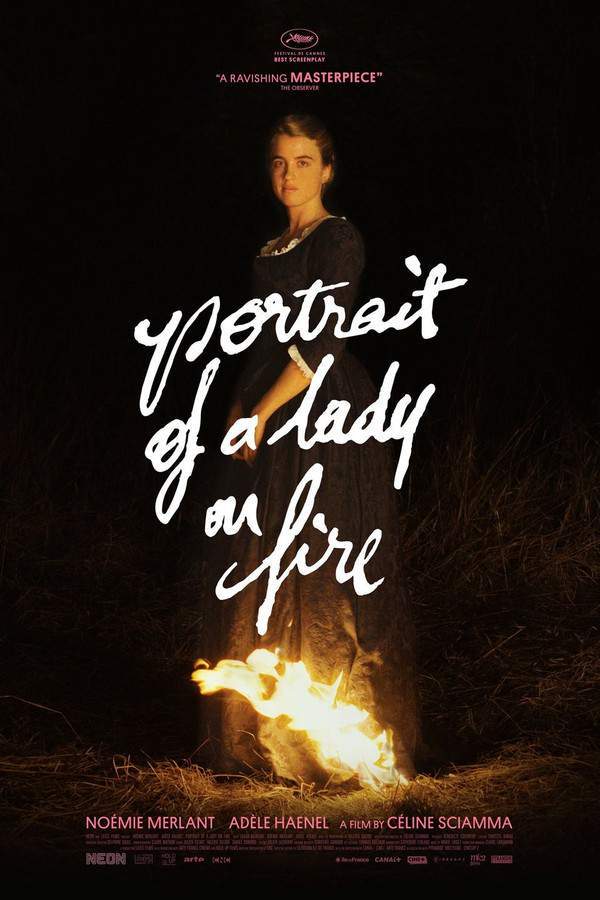
Portrait of a Lady on Fire (2019) movie poster

Characters & Themes

Portrait of a Lady on Fire (2019) Characters, Setting & Themes Explained

Release, runtime and language
2019 · 122 min · French
Echo score 91
JustWatch #653 103
Directed by
Céline Sciamma
Starring
Adele Haenel, Armande Boulanger, Cécile Morel, Christel Baras, Clément Bouyssou, Guy Delamarche
Budget
$5.7M

In 18th-century France, Marianne, a painter, is commissioned to paint Héloïse, a young woman who is about to be married. Héloïse refuses to pose, so Marianne must observe her and paint her portrait in secret. As the two women spend time together, an intense connection develops, and their relationship transcends the boundaries of artist and model, blossoming into a passionate and forbidden love affair that is captured in the evolving portrait.

On this page (8)
  1. 1 Where to watch
  2. 2 Characters explained (4)
  3. 3 Where & when it takes place
  4. 4 Themes & meaning (3)
  5. 5 Character & meaning questions
  6. 6 Movie threads
  7. 7 Movies like Portrait of a Lady on Fire
  8. 8 Every angle

Where to watch

Where to Watch Portrait of a Lady on Fire (2019)

Where can you watch Portrait of a Lady on Fire? Stream, rent or buy it in the US, including on HBO Max, Kanopy and Apple TV Store: current JustWatch availability with up-to-date prices.

Streaming availability powered by JustWatch

4 main characters · contains spoilers

Portrait of a Lady on Fire Characters Explained: Who Is Who

The main characters of Portrait of a Lady on Fire (2019), heroes and villains: what drives them, how they change over the course of the story and what each of them reveals about the film's bigger ideas.

  • Marianne (Noémie Merlant)

    Marianne is a skilled painter tasked with capturing the essence of Héloïse through her portrait. Throughout the film, her character embodies determination and vulnerability, as she navigates her emotions and societal constraints. Her evolving relationship with Héloïse showcases her depth, creativity, and the intense struggles of intimacy.

    • 👩‍🎨 Painter
    • ❤️ Passionate
    • 🎭 Sensitive
  • Héloïse (Adèle Haenel)

    played by Adele Haenel

    Héloïse is a young woman from the gentry, grappling with the expectations of her impending marriage. Fiercely independent yet vulnerable, she initially resists being portrayed and seeks to reclaim her identity through her interactions with Marianne. Her character reflects the complexities of love and autonomy in a constricting society.

    • 👰 Rebel
    • 🌹 Strong-willed
    • 🎨 Artistic
  • Sophie (Luàna Bajrami)

    Sophie, the housemaid, experiences personal turmoil due to her unexpected pregnancy and desire for autonomy. Her character highlights the struggles of women during this era, reflecting the urgent need for their voices to be heard. She serves as a catalyst for the bond between Marianne and Héloïse, deepening their emotional connection.

    • 🤰 Vulnerable
    • 💔 Courageous
    • 👩‍💼 Housemaid
  • The Countess (Valeria Golino)

    The Countess is Héloïse's mother, representing the societal norms and expectations placed upon women in the 18th century. Her character often embodies the pressures of marriage and tradition, impacting the lives of both Héloïse and Marianne. Though authoritative, her evolving perception of art and love ultimately shapes the narrative's progression.

    • 👩‍👧 Maternal
    • 🎩 Traditional
    • 🌌 Complex

Last updated: October 22, 2024 at 18:50

Was this helpful?

Setting

Where and When Does Portrait of a Lady on Fire Take Place?

The setting of Portrait of a Lady on Fire (2019): the year and time period, the places and locations, and how they shape the characters, the mood and the tension of the story.

Time period

End of the 18th century

The end of the 18th century was a time of significant change in Europe, marked by art movements that emphasized emotion and individualism. It was a period leading up to the French Revolution, which would dramatically alter societal norms and values. The film's setting reflects the constraining societal expectations placed on women during this time.

Location

Brittany, France

Brittany, a picturesque region in France, is known for its rugged coastline and stunning landscapes. The movie showcases its remote islands, which serve as a serene backdrop for the intimate relationship between Marianne and Héloïse. This enchanting setting is steeped in local culture, reflecting the isolation and beauty of their world.

  • 🏝️ Island
  • 🎨 Art

Last updated: October 22, 2024 at 18:50

Was this helpful?

3 major themes

Portrait of a Lady on Fire Meaning: Themes & Message Explained

What is Portrait of a Lady on Fire (2019) really about? The emotional, social and philosophical themes the film keeps returning to, its symbolism and the message beneath the surface.

  • Forbidden Love

    The theme of forbidden love is central to the narrative, as Marianne and Héloïse engage in a passionate romance that defies societal norms. Their relationship flourishes away from the eyes of the world, symbolizing a deep connection that transcends the expectations of their era. The film beautifully captures the intensity and complexity of their love story.

  • Art and Identity

    Art is portrayed as a powerful means of expressing identity and emotion in the film. Marianne's journey as a painter parallels her growing intimacy with Héloïse, reflecting how art can capture the essence of individuals. The destruction and reconstruction of the portraits symbolize the struggle for self-identity in the face of societal pressures.

  • Memory and Loss

    Memory plays a poignant role, as Marianne reflects on her time with Héloïse through her art. The film examines how memories can haunt and uplift, emphasizing the bittersweet nature of love lost. The visual motifs of light and shadow further illustrate the themes of longing and remembrance throughout the narrative.

Last updated: October 22, 2024 at 18:50

Was this helpful?

Character & theme questions

Portrait of a Lady on Fire Characters & Meaning: Your Questions Answered

The questions people ask about Portrait of a Lady on Fire (2019): who the characters really are, their relationships, what the symbols mean, where it takes place and what the movie is really about. Each answer contains spoilers.

Q1

Where is the film set?

The film takes place in Brittany, a region in northwestern France known for its rugged coastline and remote islands. The story unfolds on a secluded island off the Brittany coast, where Marianne is commissioned to paint Héloïse in complete isolation from the outside world.

  • brittany
  • france
  • island
  • setting
  • remote location
Q2

Why is the remote island setting important?

The isolated island setting serves as a sanctuary where Marianne and Héloïse can develop their relationship away from the prying eyes of society. This physical isolation mirrors the emotional distance they must navigate and creates an intimate space where their forbidden love can briefly flourish despite the constraints of 18th-century society.

  • island setting
  • isolation
  • secrecy
  • society
Q3

What time period does the film take place in?

The film is set at the end of the 18th century, just before the French Revolution. This historical moment is significant because it was a period of profound social change, yet the aristocratic world of the characters remained bound by rigid traditions and expectations, particularly for women.

  • 18th century
  • french revolution
  • historical period
  • era
Q4

How does 18th-century society shape the story?

The film depicts the constraining societal expectations placed on women during this era. Héloïse is arranged to be married against her will, and same-sex love between women is strictly forbidden. These social pressures create the central tension of the film, making the protagonists' relationship both dangerous and ultimately doomed by the very society they inhabit.

  • society
  • women
  • marriage
  • forbidden love
  • social constraints
Q5

What does forbidden love mean in this film?

The forbidden love in the film refers to the passionate romantic relationship between Marianne and Héloïse, two women who fall in love during a time when same-sex relationships were socially unacceptable and dangerous. Their connection defies the expectations of 18th-century French society, where women had no autonomy over their romantic lives and were expected to marry for social and economic convenience.

  • forbidden love
  • romance
  • same-sex
  • passion
  • society
Q6

How does art represent identity in the film?

Art serves as a powerful means of expressing identity and emotion throughout the film. Marianne's portraits of Héloïse evolve from commissioned paintings to deeply personal expressions of love. The destruction and reconstruction of the portraits symbolize the struggle for self-identity against societal pressures, showing how art can reveal truths that words cannot.

  • art
  • painting
  • portrait
  • identity
  • self-expression
Q7

What role does memory play in the story?

Memory is a central theme, explored through Marianne's reflection on her time with Héloïse via her art. The film examines how memories can both haunt and uplift, emphasizing the bittersweet nature of love that cannot last. The visual motifs of light and shadow illustrate longing and remembrance, particularly in the final scene where Héloïse's reaction to the portrait reveals how their love lives on in memory.

  • memory
  • loss
  • longing
  • remembrance
  • art
Q8

Who is Marianne and what is her role?

Marianne is a skilled female painter commissioned to paint Héloïse's portrait. Throughout the film, she embodies both determination and vulnerability as she navigates her growing feelings for Héloïse while hiding her true purpose. Her character represents the struggle for artistic and personal expression within the limitations imposed on women in 18th-century France.

  • marianne
  • painter
  • artist
  • protagonist
Q9

Who is Héloïse and what does she represent?

Héloïse is a young woman from the French gentry who is being forced into an arranged marriage. Fiercely independent yet vulnerable, she initially refuses to pose for portraits as an act of resistance against her constrained existence. Her character represents the complexities of love, autonomy, and identity for women trapped by societal expectations in the 18th century.

  • heloise
  • arranged marriage
  • independence
  • resistance
Q10

What is Sophie's role in the story?

Sophie is the housemaid who serves as a catalyst for the developing relationship between Marianne and Héloïse. Her own struggles with an unexpected pregnancy and her desire for autonomy highlight the broader struggles of women in this era. Sophie's presence and her request for help with her situation deepen the emotional bond between the two protagonists.

  • sophie
  • housemaid
  • pregnancy
  • catalyst
  • supporting character
Q11

Who is the Countess and what does she represent?

The Countess is Héloïse's mother and represents the societal norms and expectations placed upon women in the 18th century. She embodies the pressures of marriage, tradition, and class preservation. Though initially appearing authoritarian, her evolving perception of art and love ultimately influences the narrative's progression and allows the painting to be completed.

  • countess
  • mother
  • society
  • traditions
  • marriage expectations
Q12

What is the Orpheus and Eurydice allegory in the film?

The film references the Greek myth of Orpheus and Eurydice, where a lover must not look back at their beloved during the journey from the underworld. This allegory connects to the film's themes of memory, loss, and the act of looking back at past love. The final scene directly references this myth, as Héloïse turns to look at Marianne at the concert, echoing the moment Eurydice is lost forever.

  • orpheus
  • eurydice
  • myth
  • allegory
  • looking back

Movie threads

More Movies Like Portrait of a Lady on Fire, by Mood & Story

Curated lists built around what makes Portrait of a Lady on Fire tick: the same mood, the same kind of story or the same emotional payoff. Each list explains why these movies belong together.

Movies about forbidden love like Portrait of a Lady on Fire

Passionate affairs that defy society, ending in profound sacrifice and remembrance. If you were moved by the secret, passionate romance in Portrait of a Lady on Fire, explore more movies about forbidden love. This thread gathers historical dramas and romantic tragedies where societal constraints force lovers apart, creating stories with heavy emotional weight and bittersweet endings.

  • forbidden romance
  • yearning
  • melancholic
  • tragic love
  • emotional
  • repressed desire
  • Tone: melancholic, passionate
  • Pacing: slow, deliberate
Why these movies?

The story pattern: Stories in this thread typically follow a pattern of discovery, intense connection, and inevitable separation. Characters find profound love in a context that forbids it, leading to a conflict between personal desire and external duty. The climax often involves a painful choice or forced parting, with the ending focusing on the lasting impact of the lost love.

Why they belong together: Movies are grouped here based on their core theme of illicit romance, their melancholic tone, and the significant emotional weight they carry. They share a focus on the internal struggle of the characters and the poignant beauty found in a love that is beautiful precisely because it is doomed.

Atmospheric slow burn movies like Portrait of a Lady on Fire

Quiet, painterly films where mood and subtle character observation drive the narrative. Fans of the quiet, painterly pace and intense intimacy of Portrait of a Lady on Fire will enjoy this collection of atmospheric slow burn movies. These films use deliberate pacing, strong visual composition, and subtle performances to explore complex characters and relationships in a deeply immersive way.

  • slow burn
  • atmospheric
  • intimate
  • quiet
  • reflective
  • observational
  • Tone: intimate, reflective, melancholic
  • Pacing: slow, deliberate, observational
Why these movies?

The story pattern: The narrative in these films is often minimalistic, driven by quiet moments, lingering glances, and unspoken tensions. The plot unfolds gradually, focusing on the development of a central relationship or a character's internal journey. The setting and atmosphere are as important as the dialogue, creating a world that feels tangible and charged with unexpressed emotion.

Why they belong together: These films are grouped by their shared slow pacing, high emphasis on atmosphere, and focus on intimate character dynamics. They create a specific, contemplative viewing experience defined by visual beauty, quiet tension, and a deep investment in the emotional lives of their characters.

If you liked this

Movies Like Portrait of a Lady on Fire

Similar movies to Portrait of a Lady on Fire: the same genre, themes or kind of story. Each one comes with its own plot summary, timeline and ending explained.

Browse all movie summaries

Every angle

Portrait of a Lady on Fire (2019) Explained: Plot, Ending, Timeline & Characters

Everything about Portrait of a Lady on Fire in one place: what happens in the plot summary, the timeline in chronological order, the characters and meaning, the ending explained and a spoiler-free summary. What's After the Movie adds the cast, box office and post-credit scenes.

Coming soon on iOS and Android

The Plot Explained Movie Summary App

Plot summaries, endings explained and timelines on your phone. Catch up on any movie in minutes, save your favorites and never miss a twist again.

Be the first to know when we launch. Your email stays private, always.

Learn more about the app