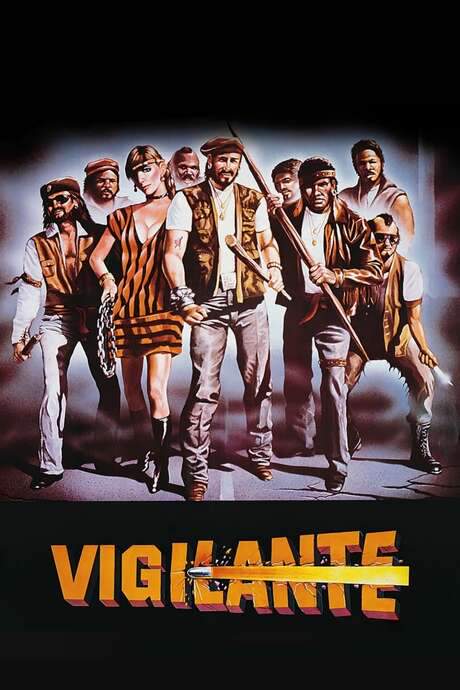
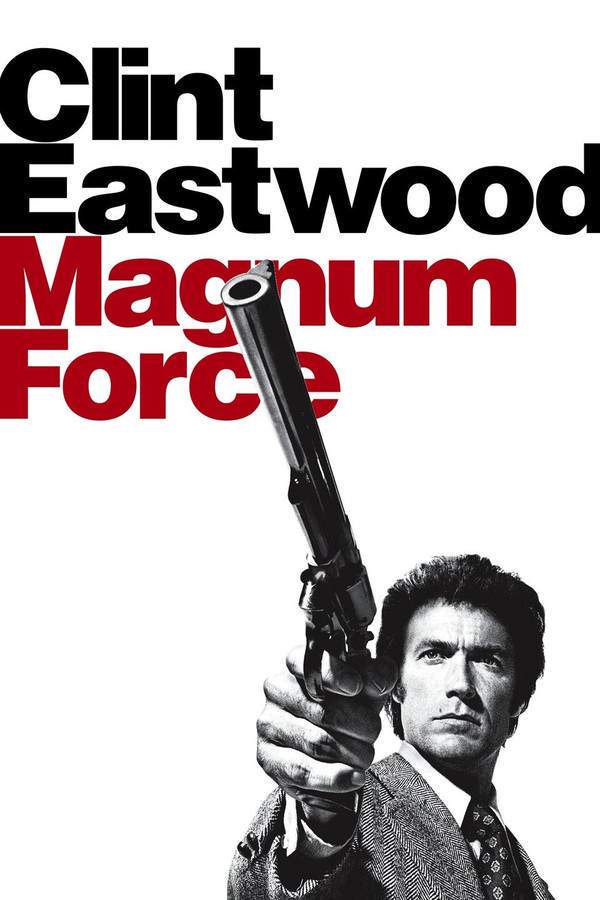
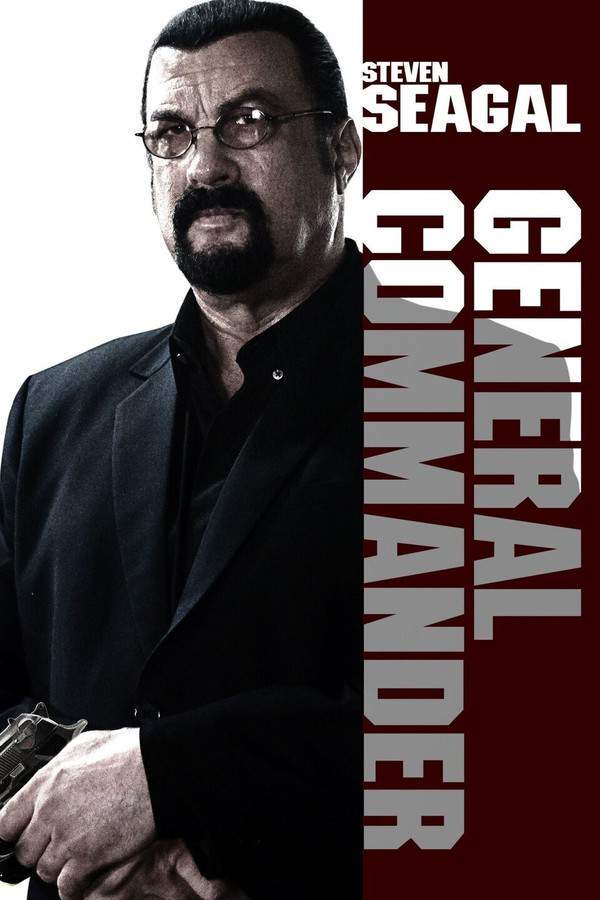
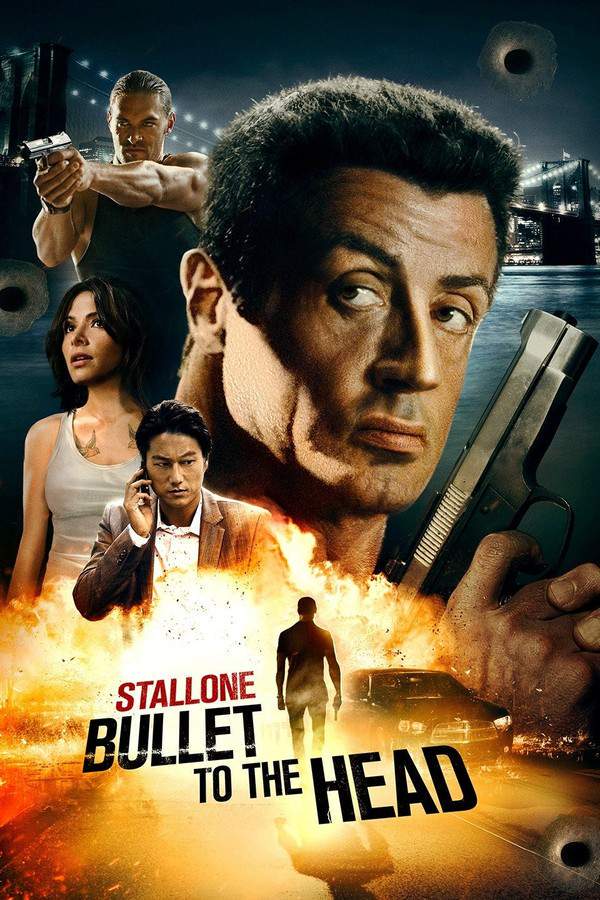
The film opens with Rudra waking up to a beer-soaked morning, continuing with more beer and idli, setting a grittier tone for the city he’s about to enter. In a reckless move, he steals a bike and heads to a police station to squeeze a commission from the inspector. A contact then guides him to a place where guns and bombs are traded, and a local gangster hires him to eliminate a minister. After carrying out the hit, he wipes out the gangster and his henchmen and unveils his new identity: DCP Rudra Aditya Devraj, the fresh face of law enforcement at the border town near Andhra Pradesh and Maharashtra.
The city of Nagapuram is a web of crime and corruption, controlled by Nagori Subramaniyam, a powerful mafia kingpin and political power broker. Initially, Rudra begins cleaning up illegal operations and clamping down on criminals. But when he meets Nagori, he discovers a more complex danger: a corrupt cop who accepts bribes and operates on his own terms. A tense truce forms as Rudra and Nagori strike a fragile deal, each calculating how far the other can be pushed.
Meanwhile, Rudra falls for Seher, and she returns his affection, offering a beacon of normalcy amid the city’s chaos. The romance deepens against the backdrop of municipal turmoil, as Rudra’s hard-edged justice clashes with Nagori’s entrenched influence. The simmering conflict bursts into the open when residents complain about a Nagori-owned petrol pump that shortchanges customers. Rudra dismantles the pompous operation, beating the pump workers and Nagori’s henchmen, and his actions draw a direct line between love, duty, and danger.
Nagori responds by capturing Rudra and Seher, making it clear that his bribe-based system will concede only on his terms. Seher withdraws from Rudra, shattered by the revelation of Rudra’s compromised world, and the two sides brace for a full-blown war. A market-wide bandh is called, but Rudra and his team mobilize to clear the streets and protect the people, turning him into a folk hero in the eyes of Nagapuram’s residents. Nagori retaliates with calculated violence, orchestrating a riot and a bomb attack that claims many innocent lives on the day Rudra is set to marry Seher. Rudra saves Seher from a kidnapping attempt, but the press and public unrest push the conflict to fever pitch, drawing the full wrath of the police commissioner.
With seven days left before a formal transfer, Rudra dares Nagori to test his resolve. Nagori’s men stage a procession intended to kill Rudra, but the DCP and the city’s market sellers fight back, armed and ready. The battle rages under tear gas and smoke, with Rudra and his allies striking back at Nagori’s faction. In the aftermath, a market seller exacts justice against a man from the MLA’s camp who had committed a brutal act against his sister, highlighting the scene’s raw, communal motive. To maintain his narrative, Rudra blames the crowd for the resulting chaos, a move that deepens the town’s divisions while he consolidates control.
Rudra then kidnaps Nagori’s close accomplice, who confesses to his role in the bomb blast and provides a warrant for Nagori’s arrest. When Nagori invokes the Terrorist Act, Rudra is summoned to a high-stakes meeting with the commissioner and senior officials, where power, politics, and fear collide. Cleverly, Rudra reveals that his pen doubles as a camera and voice recorder, threatening to expose the truth to the media if his enemies push back too hard. Nagori, cornered, goes into hiding.
A few days later, Rudra tracks Nagori to a temple, where the exiled crime lord is disguised as a beggar. In a secluded spot, Rudra confronts him and delivers a brutal, decisive end: he burns Nagori to death, ensuring that the man can never be found again and is formally declared a wanted criminal.
In the end, the story presents a stark portrait of a city engulfed by corruption and the relentless pursuit of justice by a vigilante officer. The film’s moral landscape—where law, loyalty, love, and retribution intersect—offers a hard-edged look at what it takes to stand up to a system built on bribes, power, and fear.