Plot Explained Spoilers guaranteed!
Plot Explained

Browse by genre

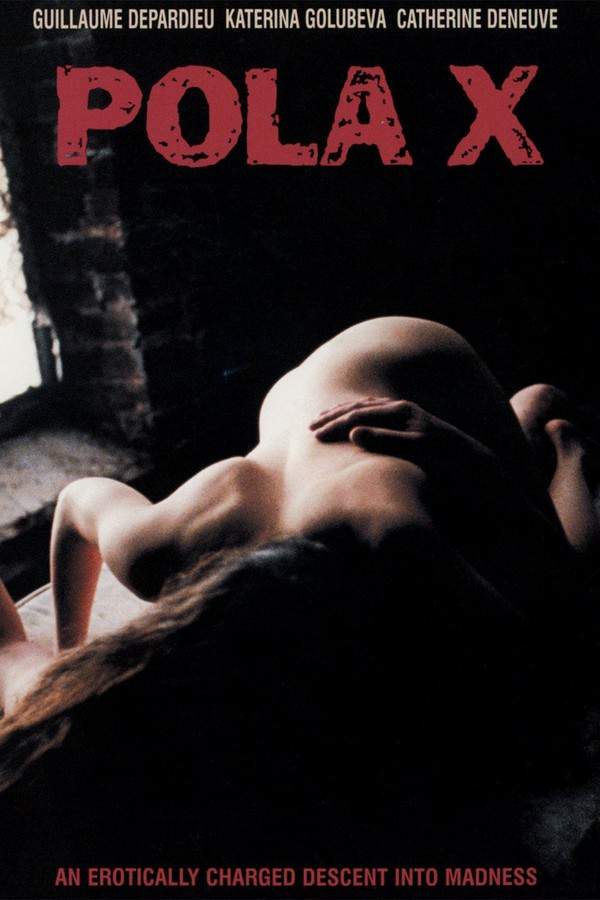
Pola X (2000) movie poster

Plot Summary

Pola X (2000) Plot Summary Explained

Release, runtime and language
2000 · 134 min · French
Directed by
Leos Carax
Starring
Catherine Deneuve, Guillaume Depardieu, Yekaterina Golubeva

A writer, weary of his comfortable life, sets out on a journey of self-discovery with a captivating woman who insists she is his sister. Their search for truth leads them through a landscape of shifting identities and blurred lines between what is real and imagined. As they confront the complexities of family and belonging, they embark on a profound exploration of the human condition and the search for meaning.

On this page (6)
  1. 1 What happens: full plot
  2. 2 Plot questions answered
  3. 3 The book behind the movie
  4. 4 Movie threads
  5. 5 Movies like Pola X
  6. 6 Every angle

Full plot summary · contains spoilers

What Happens in Pola X: Full Plot Summary

The whole story of Pola X (2000) explained, from the opening scene to the final frame: every key event, every twist and what it all adds up to. Read it as a quick recap before the sequel, to check a scene you missed, or to finally understand what really happened.

Pierre enjoys a carefree existence with his widowed mother in a beautiful chateau in Normandy, relishing his growing fame as an anonymous author. He frequently visits his childhood friend and fiancée, Lucie, at her family's chateau. One evening in a bar, he encounters his cousin Thibault, a stockbroker, who offers Pierre a place to stay in Paris. However, he can't help but wonder about the young vagrant woman who has been following Pierre. When Pierre looks back, the mysterious woman hastily flees.

While driving through the forest, Pierre is unsettled to see the same vagrant, who resembles a ghostly figure from his dreams. She approaches him with a distinctive foreign accent, introducing herself as his half-sister, Isabelle. Isabelle shares her tragic story, revealing that she and her companions—a Romanian woman named Razerka and a small girl—are refugees fleeing the turmoil in Eastern Europe.

In a drastic change of heart, Pierre abandons his home, mother, and fiancée, taking Isabelle to Paris. He hopes to stay with Thibault, but Thibault coldly refuses to acknowledge him and dismisses them from his apartment. Navigating the unfamiliar streets of Paris and fearing deportation, the group finds a budget hotel to stay in. Inspired by his new surroundings, Pierre decides to set aside his initial ideas for a second novel in favor of a dark, more mature narrative that reflects the harsh realities of life. However, his publisher cautions him that this new direction may lead to insincerity and inferior writing, refusing to grant him an advance.

At the zoo, Pierre, harboring a deep cynicism, coldly tells the small girl that the animals are unhappy because all humans stink. The girl innocently spreads this telling truth on the streets, but soon faces a brutal retaliation when she is slapped by a stranger, leading to a tragic incident that results in her untimely demise. Once again feeling the weight of potential deportation, Pierre, Isabelle, and Razerka move a corpse to a dilapidated warehouse controlled by a terroristic cult. In exchange for escorting Razerka safely to a known contact, the trio receives shelter. The group, dedicated to guerrilla warfare and industrial music, fosters an environment where Pierre and Isabelle’s incestuous passion takes shape as they bond over their shared trauma.

Amidst this chaos, Pierre remains fixated on his writing, even as he learns of his mother's tragic suicide. During a bleak winter, Lucie finds Pierre at the warehouse, exclaiming her desire to reside there under a pseudonym to 'shield' Isabelle from the reality of Pierre’s abandonment. Accepting the new dynamics of their relationship out of unwavering love, both Pierre and Lucie keep their true feelings hidden from one another. Meanwhile, Isabelle feels lost and inadequate, striving to ingratiate herself with Lucie and even asking to care for her during her frequent bouts of illness.

In desperate need of funds, Pierre appears on television to unveil his identity, only to be met with skepticism and hostility from an audience disconnected from his earlier literary success. As he continues to write through the winter, Pierre dreams of himself and Isabelle engaging in a passionate yet horrifying encounter, culminating in their drowning in a river of blood. One day, while walking along the Seine, they come across an autobiography of Pierre's father. He is unsettled to discover that Isabelle does not recognize the man depicted on the cover, claiming to have met him just once. Doubt seeps into Pierre's mind, triggering an existential crisis in Isabelle, which leads to an attempted suicide and a subsequent hospital visit where a vengeful Thibault unveils Lucie’s true identity to her.

Facing yet another blow to his aspirations, Pierre is met with a harsh rejection from his publisher after submitting his work anonymously. Isabelle confronts Pierre about his deceit, while Pierre feels heartbroken witnessing Lucie degrading herself by living in a squat, watching his every plan crumble. After receiving an invitation from Thibault to engage in a confrontation, Pierre steals firearms from the cult and decides to seek out Thibault in central Paris, where he makes a fateful decision to shoot Thibault in the head, leading to his immediate arrest. Overcome with despair for losing Pierre, Isabelle insists that she has never lied to him, tragically throwing herself in front of a vehicle as he is taken away to jail.
Last updated: November 15, 2024 at 17:20

Was this helpful?

Plot questions answered

Pola X Plot Explained: Your Questions Answered

The questions people ask most about Pola X (2000): what happens in the confusing scenes, why the characters do what they do, the twists, hidden details and what the ending means. Each answer contains spoilers.

Q1

Why does Pierre abandon his mother and fiancée for Isabelle?

Pierre is drawn to Isabelle because she represents something missing in his comfortable life, a sense of purpose and adventure. The summary indicates he is "weary of his comfortable existence" and sees in Isabelle a chance for self-discovery. His impulsive decision to leave everything reflects his growing existential dissatisfaction with his anonymous but stagnant life in Normandy.

  • Pierre
  • Isabelle
  • abandonment
  • mother
  • Lucie
  • motivations
Q2

Is Isabelle actually Pierre's half-sister?

The evidence strongly suggests Isabelle is not Pierre's real sister. When Pierre shows Isabelle the autobiography of his father by the Seine, she claims to have met him only once and does not recognize the man on the cover. This moment triggers Pierre's existential crisis, implying his suspicion that she fabricated the sister claim. The film deliberately keeps this ambiguous, but her failure to recognize their father is the key revelation.

  • Isabelle
  • sister
  • family
  • identity
  • father
  • truth
Q3

Why does the little girl die after Pierre talks to her at the zoo?

Pierre tells the girl that animals are unhappy because "all humans stink." The innocent child repeats this truth on the streets, which leads to a stranger brutally slapping her. The timeline indicates this results in her "tragic" and "untimely demise." Pierre's cynical remark, intended as a dark observation about humanity, has devastating unintended consequences.

  • zoo
  • girl
  • death
  • Pierre
  • consequence
  • innocence
Q4

Why does Pierre's mother commit suicide?

Pierre's mother takes her own life after he abandons her to take Isabelle to Paris. The summary mentions Pierre learns of her "tragic suicide" while staying at the warehouse. The meta notes confirm the film's bleak tone where "every character's arc ends in profound loss." Her suicide is implied to be a direct result of her son's abandonment, though the film does not show the specific moment.

  • mother
  • suicide
  • abandonment
  • Pierre
  • Normandy
  • grief
Q5

Why does Pierre shoot and kill Thibault?

Pierre steals firearms from the cult and confronts Thibault after being invited by his cousin to engage in what appears to be a confrontation. The summary states Pierre "makes a fateful decision to shoot Thibault in the head" and is immediately arrested. This act represents Pierre's complete descent into violence and desperation, driven by the accumulation of rejections, betrayals, and his shattered illusions.

  • Thibault
  • Pierre
  • murder
  • shooting
  • arrest
  • confrontation
Q6

Why does Isabelle throw herself in front of the car?

Isabelle kills herself as Pierre is being taken away to jail. The summary states she "insists that she has never lied to him" before tragically throwing herself in front of a vehicle. Her suicide appears to be driven by grief over losing Pierre, combined with her ongoing existential crisis about her identity and worthlessness, culminating in this final desperate act.
  • Isabelle
  • suicide
  • Pierre
  • car
  • death
  • grief
Q7

Why does Lucie stay at the warehouse with Pierre and Isabelle?

Lucie finds Pierre at the warehouse and declares her desire to reside there under a pseudonym to 'shield' Isabelle from the reality of Pierre's abandonment. The summary explains she accepts "the new dynamics of their relationship out of unwavering love," keeping her true feelings hidden. Lucie's decision reflects her desperate, unconditional love despite the deteriorating circumstances.

  • Lucie
  • warehouse
  • Pierre
  • Isabelle
  • love
  • sacrifice
Q8

What does Pierre discover about Isabelle when he finds his father's autobiography?

While walking along the Seine, Pierre finds an autobiography of his father and shows it to Isabelle. She does not recognize the man depicted on the cover, claiming to have met him just once. This failure to recognize his father, someone who should be central to her claimed identity, triggers Pierre's doubt and Isabelle's existential crisis, leading to her suicide attempt.

  • Seine
  • father
  • autobiography
  • Isabelle
  • identity
  • recognition
Q9

Why does Pierre's television appearance fail?

Pierre appears on television to reveal his identity, desperate for money. However, he faces "skepticism and hostility from an audience disconnected from his earlier literary success." His anonymity had been integral to his fame, and once revealed, the public no longer connects with him or his work, marking another rejection in his downward spiral.

  • television
  • Pierre
  • identity
  • fame
  • rejection
  • public
Q10

Why does Pierre's publisher reject his new novel?

Pierre shifts his writing to a darker, more mature direction reflecting the harsh realities of his new life. However, his publisher warns that this new direction "may lead to insincerity and inferior writing" and refuses to grant him an advance. Later, his publisher rejects his anonymous submission entirely, leaving Pierre without financial support or creative validation.

  • publisher
  • novel
  • rejection
  • writing
  • Pierre
  • artistic integrity
Q11

Why do Pierre and Isabelle grow closer at the cult warehouse?

At the warehouse, Pierre and Isabelle's "incestuous passion takes shape as they bond over their shared trauma." The cult environment, dedicated to guerrilla warfare and industrial music, creates an intense atmosphere where their mutual suffering and isolation from conventional society draws them together romantically, intensifying their destructive relationship.

  • Pierre
  • Isabelle
  • cult
  • warehouse
  • passion
  • trauma
  • relationship
Q12

What leads to Isabelle's suicide attempt at the hospital?

After Pierre discovers Isabelle may not recognize his father, she experiences an existential crisis about her identity and worth. This leads her to attempt suicide, resulting in a hospital visit. During this time, vengeful Thibault reveals Lucie's true identity to her, adding another layer of betrayal and emotional turmoil to the situation.

  • Isabelle
  • suicide
  • hospital
  • crisis
  • identity
  • Thibault

Movie threads

More Movies Like Pola X, by Mood & Story

Curated lists built around what makes Pola X tick: the same mood, the same kind of story or the same emotional payoff. Each list explains why these movies belong together.

Movies about psychological unraveling like Pola X

Stories about the slow, deliberate collapse of identity and sanity. Find films similar to Pola X that explore the slow collapse of identity and sanity. If you liked the intense, bleak exploration of fractured self in Pola X, these movies feature characters confronting dark truths and embarking on journeys of self-destruction and existential dread.

  • psychological decay
  • intense
  • oppressive
  • despairing
  • alienating
  • darkly passionate
  • Tone: bleak, oppressive, despairing
  • Pacing: slow, deliberate, atmospheric
Why these movies?

The story pattern: Narratives in this thread typically follow a character's gradual psychological breakdown, often triggered by a destabilizing revelation or relationship. The story structure mirrors the mental disintegration, becoming less linear and more fragmented as the protagonist loses their grip on reality, culminating in a bleak resolution that offers no escape or redemption.

Why they belong together: These films are grouped by their shared focus on intense psychological decay, a slow and oppressive pacing that builds unease, and a consistently bleak tone. They explore similar themes of identity crisis, forbidden knowledge, and the destructive pursuit of truth, creating a cohesive experience of profound despair.

Bleak stories about forbidden truths like Pola X

Characters are destroyed by the toxic secrets they choose to pursue. Discover movies like Pola X where characters are consumed by their search for dark, forbidden truths. These similar dramas feature intense explorations of family secrets, taboos, and identity, leading to bleak endings and a heavy emotional weight for viewers who appreciated the complex narrative of Pola X.

  • taboo
  • despairing
  • intense
  • dark secrets
  • self-destructive
  • existential
  • Tone: bleak, dark, melancholic
  • Pacing: slow, deliberate, character-driven
Why these movies?

The story pattern: The narrative pattern involves a protagonist willingly abandoning stability to chase a destructive truth, often embodied by a mysterious or dangerous figure. This journey dismantles their former life, blurring the lines between reality and illusion, and culminates in a conclusion where the truth offers no solace, only profound loss and misery.

Why they belong together: Movies in this thread share a core narrative of a character's voluntary descent sparked by a toxic truth. They are united by a complex exploration of taboo themes like incest or family secrets, a consistently bleak and despairing mood, and an ending that provides no catharsis, only the heavy consequences of the search.

If you liked this

Movies Like Pola X

Similar movies to Pola X: the same genre, themes or kind of story. Each one comes with its own plot summary, timeline and ending explained.

Browse all movie summaries

Every angle

Pola X (2000) Explained: Plot, Timeline & Characters

Everything about Pola X in one place: what happens in the plot summary, the timeline in chronological order, the characters and meaning and a spoiler-free summary. What's After the Movie adds the cast, box office and post-credit scenes.

Coming soon on iOS and Android

The Plot Explained Movie Summary App

Plot summaries, endings explained and timelines on your phone. Catch up on any movie in minutes, save your favorites and never miss a twist again.

Be the first to know when we launch. Your email stays private, always.

Learn more about the app