Plot Explained Spoilers guaranteed!
Plot Explained

Browse by genre

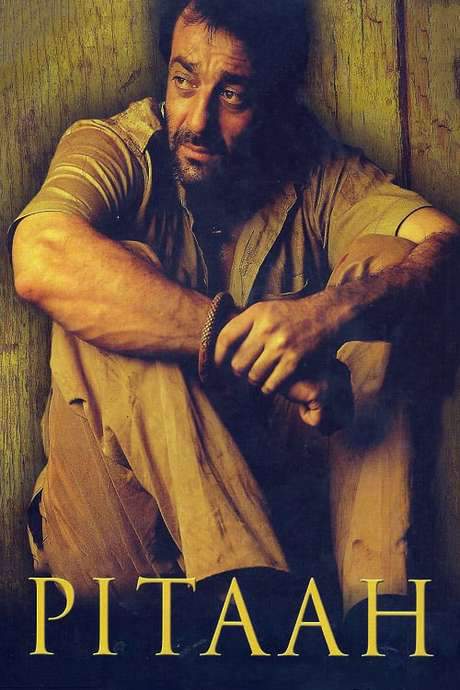
Pitaah (2002) movie poster

Plot Summary

Pitaah (2002) Plot Summary Explained

Release, runtime and language
2002 · 133 mins · Hindi
Loading streaming availability…
Directed by
Mahesh Manjrekar
Starring
Sanjay Dutt, Sachin Khedekar, Om Puri, Nandita Das, Jackie Shroff, Tanvi Hegde

In a rural Indian town, a tyrannical Zamindar, Thakur Avadh Narayan Singh, demands the murder of anyone who files a police complaint against his sons. Poor laborer Rudra, whose nine‑year‑old daughter Durga is brutally raped by those sons, seeks revenge. Corrupt officials—a bribed doctor and Police Inspector Ramnarayan Bhardwaj—are ready to bend the law for money, intensifying the clash between power and justice.

On this page (6)
  1. 1 Where to watch
  2. 2 What happens: full plot
  3. 3 Plot questions answered
  4. 4 Movie threads
  5. 5 Movies like Pitaah
  6. 6 Every angle
Loading streaming availability…

Full plot summary · contains spoilers

What Happens in Pitaah: Full Plot Summary

The whole story of Pitaah (2002) explained, from the opening scene to the final frame: every key event, every twist and what it all adds up to. Read it as a quick recap before the sequel, to check a scene you missed, or to finally understand what really happened.

In a quiet rural town, two fathers stand at opposite ends of justice, setting the stage for a confrontation charged with power, poverty, and pain. Rudra, Sanjay Dutt, a weary and poorest of workers employed by the formidable Zamindar Thakur Avadh Narayan Singh Om Puri, discovers that his beloved nine-year-old daughter, Durga Tanvi Hegde, has been beaten and brutally raped by the Thakur’s sons, Bachhu and Bhola. The revelation ignites a fierce call for justice in a man who has little to lean on beyond grit, faith, and the bond of family. The threat to Durga becomes Rudra’s driving force, turning the quiet life of a laborer into a volatile stand for dignity in a system that seems stacked against the weak.

Yet the path to accountability is clogged with corruption. A corrupt doctor is willing to bend medical facts for a price, tampering with evidence that could seal the case against the Thakur’s family. Compounding this, Police Inspector Ramnarayan Bhardwaj Jackie Shroff signals a troubling readiness to drop charges if he receives his due, revealing a town where power can bend the law in surprising ways. These impediments push Rudra toward a desperate resolve: justice may require him to shoulder the consequences of breaking the rules, even if the cost falls on his own family and future.

When Bachhu and Bhola come to court, Rudra’s response is swift and severe. He defeats the brothers, ending their threat with deadly force, a decision that echoes through the town and tests the limits of right and revenge. The confrontation with Avadh Narayan Singh escalates into a tense, moral standoff as Rudra seeks to safeguard Durga and those he loves. He delivers a stark confession to the Thakur, apologizing for stepping outside the law, and offers to surrender in exchange for his family’s safety. But Avadh remains unyielding, and Rudra’s vigil against tyranny becomes a broader fight against a system too often swayed by wealth and influence. The clash intensifies, and the Thakur’s men fall in the wake of Rudra’s unwavering determination.

The story takes a pivotal turn through Paro Nandita Das, Rudra’s wife, whose presence adds a human cost to the violence and a final, decisive weight to the pursuit of justice. Paro’s actions culminate in the Thakur’s death, a moment that seals the personal toll of the struggle and reshapes the moral landscape of the family they have fought to protect. After these brutal chapters, Rudra surrenders to the police and receives a six-month sentence, a consequence that echoes with the pain of the town’s people and the price paid for courage.

Upon release, Rudra is reunited with his family, entering a fragile peace that threads through a community forever touched by greed, coercion, and the stubborn persistence of a man willing to risk everything for his child’s safety. The resolution is quieter than the violence that preceded it, a testament to endurance and the cost of justice in a world where power often drowns out truth.

Last updated: February 20, 2026 at 18:45

Was this helpful?

Plot questions answered

Pitaah Plot Explained: Your Questions Answered

The questions people ask most about Pitaah (2002): what happens in the confusing scenes, why the characters do what they do, the twists, hidden details and what the ending means. Each answer contains spoilers.

Q1

Why does Rudra kill Bachhu and Bhola at the courthouse?

Rudra kills Bachhu and Bhola because the legal system has failed him completely. The corrupt doctor altered Durga's medical report to clear the Thakur's sons, and Police Inspector Bhardwaj demanded a bribe to pursue charges. With no justice available through law, Rudra takes matters into his own hands to protect other potential victims and avenge his daughter.

  • Rudra
  • Bachhu
  • Bhola
  • courthouse murder
  • vigilantism
  • justice system failure
Q2

Why does Paro kill Thakur Avadh Narayan Singh?

Paro kills the Thakur because he refuses Rudra's offer to surrender in exchange for his family's safety. After the Thakur kills his own men and refuses any compromise, Paro takes matters into her own hands to end the threat permanently and protect her family.

  • Paro
  • Thakur Avadh Narayan Singh
  • murder
  • family protection
Q3

Why does Rudra surrender to the police after killing the Thakur's sons?

Rudra surrenders because he wants to ensure his family's safety. He makes a deal with the Thakur: if his family is protected from retaliation, Rudra will turn himself in. The Thakur initially refuses, but after Paro kills him, Rudra decides to surrender and accept the legal consequences.

  • Rudra surrender
  • police
  • family safety
  • deal with Thakur
Q4

How does the corrupt doctor impact Rudra's case?

The corrupt doctor accepts a bribe from the Thakur's family and alters Durga's medical report, clearing Bachhu and Bhola of responsibility. This destroys the key evidence needed for conviction and forces Rudra to pursue justice outside the legal system.

  • corrupt doctor
  • medical report
  • evidence
  • bribery
  • case destroyed
Q5

Why does the Thakur refuse Rudra's offer to surrender?

The Thakur refuses because his pride and power are at stake. He believes accepting Rudra's terms would make him appear weak to his men and the entire town. Additionally, he wants revenge for his sons' deaths and is unwilling to grant safety to the man who killed them.

  • Thakur Avadh Narayan Singh
  • refuse deal
  • pride
  • power
  • revenge
Q6

Why does Police Inspector Bhardwaj demand a bribe from Rudra?

Inspector Bhardwaj is corrupt and willing to drop charges against the Thakur's sons in exchange for payment. He represents the systemic corruption that prevents Rudra from getting justice through proper legal channels, forcing him to take extreme measures.

  • Police Inspector Bhardwaj
  • corruption
  • bribe
  • justice system
Q7

What happens to Durga after the assault?

Durga's assault serves as the inciting incident that drives Rudra's quest for justice. The summary focuses on Rudra's actions in response to the trauma, but Durga's suffering motivates his entire journey from seeking legal justice to taking violent revenge.

  • Durga
  • assault
  • trauma
  • daughter
Q8

Why does Rudra choose to become a vigilante instead of continuing to fight in court?

Rudra becomes a vigilante because the entire justice system is corrupted against him. The doctor falsified evidence, the police inspector demanded bribes, and the powerful Thakur controls the town. With no legal path to justice for his daughter, Rudra has no choice but to take the law into his own hands.

  • Rudra vigilante
  • justice system
  • corruption
  • no legal option
Q9

What sentence does Rudra receive and why?

Rudra receives a six-month sentence for killing Bachhu and Bhola. The relatively lenient sentence reflects the community's sympathy for his cause and recognition that the legal system had failed him. He surrenders voluntarily, hoping the brief incarceration will finally bring peace to his family.

  • six month sentence
  • Rudra
  • prison
  • consequences
Q10

Why does the Thakur demand that anyone filing complaints against his sons be killed?

The Thakur uses his power and wealth to protect his sons from any consequences. He rules the rural town as a tyrannical zamindar, using violence and intimidation to ensure no one dares challenge his family's crimes. This sets up the central conflict where Rudra must defy this powerful figure to seek justice for his daughter.

  • Thakur Avadh Narayan Singh
  • tyranny
  • Zamindar
  • power abuse
Q11

How does the family find peace after the violence?

The family finds peace only after the Thakur is dead and Rudra serves his sentence. With their primary threat eliminated and Rudra released, they reunite. The peace is described as fragile and bittersweet, the Thakur is gone, but the family has paid a heavy price through violence, imprisonment, and trauma.

  • family peace
  • reunion
  • Rudra released
  • fragile peace
  • bittersweet ending
Q12

Why does Paro decide to kill the Thakur herself?

Paro kills the Thakur because his refusal to accept Rudra's deal puts her family in constant danger. With the Thakur still alive and unwilling to negotiate, she acts decisively to end the threat permanently, demonstrating how the cycle of violence affects everyone in the family.

  • Paro
  • Nandita Das
  • kills Thakur
  • family protection
  • decisive action

Movie threads

More Movies Like Pitaah, by Mood & Story

Curated lists built around what makes Pitaah tick: the same mood, the same kind of story or the same emotional payoff. Each list explains why these movies belong together.

Vigilante Justice Movies like Pitaah

When the system fails, ordinary people take justice into their own hands. For viewers who appreciated the raw, desperate quest for retribution in Pitaah, this section features movies where protagonists, wronged by a corrupt system, are driven to violent, vigilante action. If you liked the themes of social injustice and personal revenge in Pitaah, explore these similar dramatic thrillers.

  • vigilante
  • revenge
  • tense
  • grim
  • desperate
  • unflinching
  • Tone: dark, grim, somber
  • Pacing: steady, relentless
Why these movies?

The story pattern: These narratives typically begin with a profound personal tragedy or injustice inflicted by powerful, corrupt forces. The protagonist's initial attempts to seek justice through official channels fail, leading to a decisive turn towards direct, often violent, action. The journey is one of escalating stakes and moral compromise, moving from victim to avenger.

Why they belong together: Movies in this thread share a core theme of systemic failure forcing a moral choice. They are united by a dark, heavy tone, high emotional stakes driven by personal trauma, and a focus on the psychological toll of pursuing revenge. The pacing is usually steady, building tension towards a final, cathartic confrontation.

Intense Father-Daughter Dramas like Pitaah

A father's harrowing journey through a dark world to save his child. If the heavy emotional core of Pitaah, centered on a father's desperate fight for his daughter, resonated with you, this section collects similar films. These movies explore the powerful bond between father and daughter tested by dark, oppressive forces, often ending with a sobering resolution.

  • father daughter
  • desperate
  • oppressive
  • somber
  • emotional
  • grim
  • Tone: dark, heavy, desperate
  • Pacing: steady, character-driven
Why these movies?

The story pattern: The plot revolves around a grave threat to a young daughter, propelling her father into a perilous confrontation with powerful antagonists. The journey is defined by desperation, sacrifice, and a grim determination that pushes the protagonist to his limits. The ending often carries a bittersweet weight, with safety achieved at a significant personal cost.

Why they belong together: These films are grouped by their intense focus on the father-daughter dynamic under extreme duress. They share a dark, oppressive mood, high emotional weight, and a steady pacing that builds tension towards a climactic rescue or resolution. The central theme of paternal love versus overwhelming corruption creates a cohesive, gripping experience.

If you liked this

Movies Like Pitaah

Similar movies to Pitaah: the same genre, themes or kind of story. Each one comes with its own plot summary, timeline and ending explained.

Browse all movie summaries

Every angle

Pitaah (2002) Explained: Plot, Timeline & Characters

Everything about Pitaah in one place: what happens in the plot summary, the timeline in chronological order, the characters and meaning and a spoiler-free summary. What's After the Movie adds the cast, box office and post-credit scenes.

Coming soon on iOS and Android

The Plot Explained Movie Summary App

Plot summaries, endings explained and timelines on your phone. Catch up on any movie in minutes, save your favorites and never miss a twist again.

Be the first to know when we launch. Your email stays private, always.

Learn more about the app