Plot Explained Spoilers guaranteed!
Plot Explained

Browse by genre

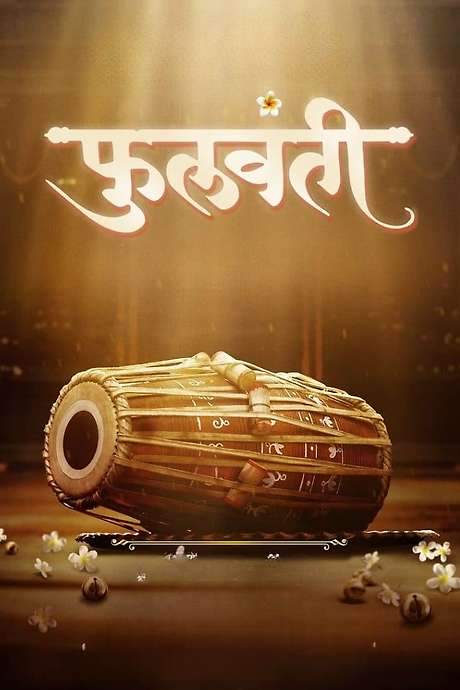
Phullwanti (2024) movie poster

Timeline

Phullwanti (2024) Timeline Explained – Every Event in Order

Release, runtime and language
2024 · 130 mins · Marathi
Echo score 86
Loading streaming availability…
Starring
Mir Sarwar, Prajakta Mali, Vaibhav Mangle, Hrishikesh Joshi, Mangesh Desai, Jaywant Wadkar

A renowned court dancer finds herself at odds with societal perceptions, branded as impure simply for her profession. Defying these judgments, she embarks on a journey to challenge the prevailing views and demonstrate that true impurity lies not in her actions, but in the eyes of those who condemn her. She strives to prove that respect and dignity should not be denied based on occupation.

On this page (5)
  1. 1 Where to watch
  2. 2 Events in order (13)
  3. 3 Timeline questions answered
  4. 4 Movie threads
  5. 5 Every angle
Loading streaming availability…

13 events in order · contains spoilers

Phullwanti Timeline: Events in Chronological Order

Every key event of Phullwanti (2024) in order, scene by scene, with when and where it takes place. Use it to untangle flashbacks, time jumps and parallel storylines, to refresh your memory before the sequel or to find the exact scene you are thinking of.

  1. Phulwanti Declines Wedding Invitation

    Phulwanti, a renowned Lavani dancer, initially declines the invitation to perform at a wedding. Learning that the wedding is in Pune, she accepts the invitation driven by her desire to visit Mastani Mahal rather than perform. This decision marks her personal pilgrimage and a step towards her artistic and emotional aspirations.

    Where
    Unknown
  2. Visit to Mastani Mahal

    Phulwanti visits Mastani Mahal in Pune, inspired by Mastani's legacy of courage and grace. Her visit symbolizes her admiration for Mastani and her own quest for artistic and personal fulfillment. It also signifies her connection with the historical and cultural significance of Pune.

    Where
    Pune, Mastani Mahal
  3. Invitation to Perform at Peshwa Darbar

    Phulwanti is invited to perform at the auspicious occasion of Vasant Panchami at the Peshwa Darbar. She prepares to perform, blending devotion to Goddess Saraswati with her dance, showcasing her artistry in a sacred space. The event symbolizes her recognition as a great artist of her time.

    Where
    Pune, Peshwa Darbar
  4. Performance and Confrontation with Shastri

    During her performance, Phulwanti’s tribute to Goddess Saraswati moves the audience, but scholar Venkat Vishnu Shastri, a critic, disapproves of a Lavani dancer in a sacred space. He prepares to leave, but her dance halts him, causing a subtle confrontation about art and tradition. His condescending remark leads to a challenge between them.

    Where
    Pune, Peshwa Darbar
  5. Challenge: Court Duel of Art and Intellect

    Shastri accepts a challenge proposed by Phulwanti to play the pakhwaj while she dances. The contest is set as a battle of pride, discipline, and artistic skill, where the first to make three mistakes will lose. The court watches eagerly as both prepare for this unusual competition.

    Where
    Pune, Peshwa Darbar
  6. Training Under Gurus

    Phulwanti trains rigorously with top gurus from across India to refine her dance, while Shastri learns to play the pakhwaj under his guru’s discipline. Their different journeys reflect their dedication and the importance of mastery in their respective arts, heightening anticipation for the contest.

    Where
    Various locations in India
  7. The Duel Day Arrives

    On the day of the competition, the court is filled with tension and excitement. Phulwanti and Shastri perform their parts, pushing their limits in a compelling display of art and rhythm. The duel culminates in Phulwanti making her third mistake, leading to Shastri’s victory.

    Where
    Pune, Peshwa Darbar
  8. Phulwanti’s Purposeful Loss

    Despite losing, Phulwanti smiles gracefully and reveals she lost intentionally. Her composure and dignity highlight her understanding of the deeper meaning behind the challenge. Her act of respect signifies her strength and confidence in her artistry and spirit.

    Where
    Pune, Peshwa Darbar
  9. Shastri Frees Phulwanti

    Shastri, moved by her dignity, frees Phulwanti instead of claiming the reward. He acknowledges her talent and declares that he only wanted to free her from ego, recognizing her as a true artist and a woman of integrity. This act of kindness marks a turning point in their relationship.

    Where
    Pune, Peshwa Wada
  10. Phulwanti Declares Love

    Phulwanti, moved to tears, confesses her love for Shastri, whom she admires not just as a scholar but as a man of fierce integrity. Her declaration highlights her emotional transformation and the deep connection she has developed during her time in Pune.

    Where
    Pune
  11. Phulwanti’s Return and Her Gift

    The next morning, Phulwanti finds her house empty but receives a letter and her ghungroos, affirming her freedom to keep her art and pride. Shastri’s note acknowledges her feelings, but he affirms his loyalty to his wife, emphasizing her independence and dignity.

    Where
    Pune, Phulwanti’s house
  12. Laxmi’s Quiet Reflection

    On the road leaving Pune, Laxmi quietly questions her husband about his feelings, sensing unresolved emotions. Shastri, caught off guard, begins to speak but is silenced by her, highlighting the complex dynamics of loyalty, love, and sacrifice within their relationship.

    Where
    On the road outside Pune
  13. Final Scene: Phulwanti’s Dance

    The film concludes with Phulwanti performing her ghungroos dance at Vishnu Shastri’s house. Her dance signifies her resilience, independence, and her unwavering commitment to her art and identity, ending the story on a note of empowerment and artistic fulfillment.

    Where
    Vishnu Shastri's house

Last updated: August 19, 2025 at 05:14

Was this helpful?

Timeline questions answered

Phullwanti Timeline Explained: Your Questions Answered

When does it happen, and why in that order? The questions people ask about the chronology of Phullwanti (2024): time jumps, flashbacks, cause and effect between scenes and the correct order of events, each answered with spoilers.

Q1

Why does Phulwanti agree to perform at the wedding in Pune?

Phulwanti accepts the wedding invitation not for the performance itself, but because she wants to visit Mastani Mahal in Pune. She deeply admires Mastani as a historical figure who embodied courage, grace, and defiance, making the trip both a personal pilgrimage and an opportunity to showcase her artistry.

Foreshadowing: Earlier, the film establishes her admiration for Mastani as a source of her own artistic inspiration.

  • mastani mahal
  • pune
  • pilgrimage
  • motivation
Q2

Why does Venkat Vishnu Shastri accept Phulwanti's challenge to learn the pakhwaj?

Shastri accepts the challenge after making a condescending remark about a Lavani dancer's purity in a sacred space. When Phulwanti challenges him to a duel where he must learn the pakhwaj while she dances, his pride compels him to accept, viewing it as a matter of intellectual versus artistic honor.

Foreshadowing: His rigid beliefs about art and tradition are established early when he prepares to leave during Phulwanti's performance.

  • challenge
  • pakhwaj
  • pride
  • honor
  • court duel
Q3

Why does Phulwanti lose the duel on purpose?

Phulwanti makes her third mistake deliberately to demonstrate her confidence and dignity. Rather than fighting to win, she chooses to lose gracefully, showing that her self-worth is not tied to victory. This strategic loss proves her integrity and transforms the meaning of the competition.

Foreshadowing: Her earlier response to Shastri's insult was composed and dignified rather than angry.

  • intentional loss
  • dignity
  • strategy
  • grace
Q4

Why does Shastri free Phulwanti instead of taking her as his servant?

After winning, Shastri takes Phulwanti to the Peshwa Wada and liberates her, stating that his only aim was to free her from her unconscious ego. Moved by her dignity and grace during the loss, he recognizes her as a true artist and chooses kindness over claiming her as a servant.

Foreshadowing: Shastri's guru reprimands him for disrespecting Phulwanti, warning that he dishonored both the artist and art itself.

  • freedom
  • servant
  • ego
  • mercy
  • respect
Q5

Why does Phulwanti refuse her freedom and not pursue a relationship with Shastri?

After confessing her love for Shastri, Phulwanti refuses to accept her freedom and choose love because she emphasizes her principled stand. She values her dignity, art, and independence more than a romantic relationship that would require abandoning her principles.

Foreshadowing: Throughout the film, Phulwanti consistently prioritizes her artistic integrity over personal gain.

  • love
  • principles
  • dignity
  • sacrifice
  • independence
Q6

What happens between Laxmi and Shastri after Phulwanti leaves?

On the road leaving Pune, Laxmi asks Shastri whether her place in his heart was truly shaken. He begins to answer but she stops him, saying she knows he won't lie and she's not ready for the truth. Their heavy silence represents the complex emotions of love, duty, loyalty, and sacrifice in their marriage.

Foreshadowing: Earlier, Laxmi worries about both outcomes, her husband's loss damaging family dignity or his win keeping a talented woman as their servant.

  • laxmi
  • marriage
  • loyalty
  • sacrifice
  • truth
Q7

What does the final scene with Phulwanti dancing signify?

The film concludes with Phulwanti performing her ghungroo dance at Vishnu Shastri's house. This final dance symbolizes her resilience, independence, and unwavering commitment to her art and identity. She expresses her heart's truth through dance, embodying her indomitable spirit despite personal loss.

Foreshadowing: Her ghungroos were returned to her along with a letter affirming her freedom to keep her art and pride.

  • ghungroo
  • dance
  • freedom
  • resilience
  • ending
Q8

Why does Shastri criticize Phulwanti's performance at the Peshwa Darbar?

Shastri, a respected scholar with rigid beliefs, disapproves of a Lavani dancer performing in what he considers a sacred space during Vasant Panchami. His stern views about tradition lead him to make a condescending remark about the purity of Saraswati in the context of a dancer, triggering the confrontation.

Foreshadowing: The film establishes his reputation for stern views and rigid beliefs early in the narrative.

  • tradition
  • purity
  • criticism
  • sacred space
  • beliefs
Q9

Why does Phulwanti smile after losing the duel?

Phulwanti greets her loss with a gracious smile rather than despair because she intentionally lost to demonstrate her confidence and dignity. Her smile reflects her understanding that true victory lies in how one accepts defeat, not in the outcome itself.

Foreshadowing: She maintains her dignity throughout the confrontation, never showing anger or desperation.

  • smile
  • grace
  • defeat
  • dignity
  • composure
Q10

What is the significance of Phulwanti visiting Mastani Mahal?

Phulwanti's visit to Mastani Mahal represents her personal pilgrimage to honor Mastani, a historical figure known for her courage, grace, and defiance. Mastani embodies the qualities Phulwanti aspires to, making the visit both a source of inspiration and a symbol of her own artistic and personal quest.

Foreshadowing: Phulwanti's desire to visit Mastani Mahal is mentioned as the primary reason she accepts the wedding invitation.

  • mastani
  • pilgrimage
  • inspiration
  • courage
  • legacy

Movie threads

More Movies Like Phullwanti, by Mood & Story

Curated lists built around what makes Phullwanti tick: the same mood, the same kind of story or the same emotional payoff. Each list explains why these movies belong together.

Movies about defiant artists like Phullwanti

Stories of artists who challenge prejudice to reclaim their dignity and identity. If you liked Phullwanti's story of a dancer fighting prejudice, explore these movies featuring artists and performers who defy societal norms. These films share themes of artistic integrity, personal sacrifice, and the bittersweet journey to earn respect against all odds, offering similar heartfelt and dignified dramas.

  • defiant
  • graceful
  • resilient
  • heartfelt
  • dignified
  • reflective
  • Tone: bittersweet, dignified
  • Pacing: steady, character-driven
Why these movies?

The story pattern: Stories in this thread typically follow a talented individual whose art is misunderstood or condemned by society. The central conflict is an intellectual and emotional battle against prejudice, where the protagonist must use their talent and resilience not just to perform, but to prove their inherent worth. The journey is often internal, focusing on personal conviction over physical confrontation.

Why they belong together: These movies are grouped together because they share a core theme of an artist's dignified defiance. They blend a heartfelt tone with a somber reflection on social judgment, creating a resonant experience centered on character strength and the cost of staying true to one's passion.


Movies with bittersweet victories like Phullwanti

Journeys where moral triumph is achieved, but personal desires are sacrificed. For viewers who appreciated the bittersweet ending of Phullwanti, this collection highlights films where characters secure a moral or principled victory but must let go of a deep personal longing. These movies capture the complex emotional landscape of winning a battle for respect while accepting a loss in love or personal happiness.

  • bittersweet
  • poignant
  • resilient
  • sacrificial
  • unrequited
  • dignified
  • Tone: bittersweet, poignant
  • Pacing: steady, reflective
Why these movies?

The story pattern: The narrative pattern involves a protagonist striving for a goal tied to justice, honor, or societal change. They succeed in their external mission, validating their core beliefs, but this success is inextricably linked to the loss of a cherished personal dream or relationship, resulting in an ending that feels both satisfying and sorrowful.

Why they belong together: These films are united by their specific emotional payoff: a victory that is fundamentally bittersweet. They balance themes of resilience and courage with the melancholy of unrequited love or sacrifice, creating a reflective and emotionally resonant vibe that prioritizes character integrity over simple happy endings.

Every angle

Phullwanti (2024) Explained: Plot, Timeline & Characters

Everything about Phullwanti in one place: what happens in the plot summary, the timeline in chronological order, the characters and meaning and a spoiler-free summary. What's After the Movie adds the cast, box office and post-credit scenes.

Coming soon on iOS and Android

The Plot Explained Movie Summary App

Plot summaries, endings explained and timelines on your phone. Catch up on any movie in minutes, save your favorites and never miss a twist again.

Be the first to know when we launch. Your email stays private, always.

Learn more about the app