Plot Explained Spoilers guaranteed!
Plot Explained

Browse by genre

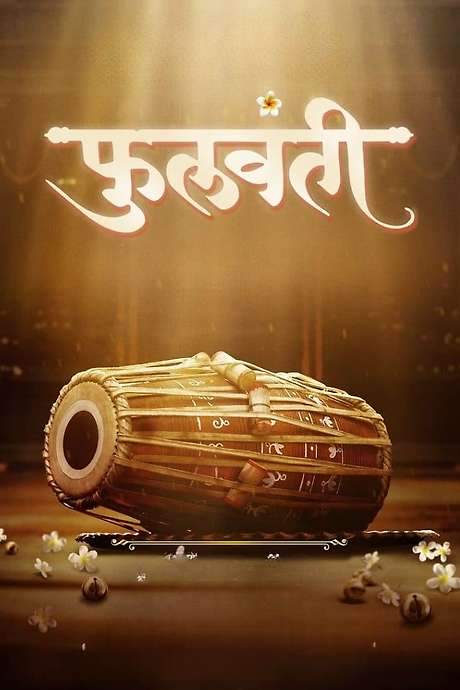
Phullwanti (2024) movie poster

Characters & Themes

Phullwanti (2024) Characters, Setting & Themes Explained

Release, runtime and language
2024 · 130 mins · Marathi
Echo score 86
Loading streaming availability…
Starring
Mir Sarwar, Prajakta Mali, Vaibhav Mangle, Hrishikesh Joshi, Mangesh Desai, Jaywant Wadkar

A renowned court dancer finds herself at odds with societal perceptions, branded as impure simply for her profession. Defying these judgments, she embarks on a journey to challenge the prevailing views and demonstrate that true impurity lies not in her actions, but in the eyes of those who condemn her. She strives to prove that respect and dignity should not be denied based on occupation.

On this page (7)
  1. 1 Where to watch
  2. 2 Characters explained (3)
  3. 3 Where & when it takes place
  4. 4 Themes & meaning (3)
  5. 5 Character & meaning questions
  6. 6 Movie threads
  7. 7 Every angle
Loading streaming availability…

3 main characters · contains spoilers

Phullwanti Characters Explained: Who Is Who

The main characters of Phullwanti (2024), heroes and villains: what drives them, how they change over the course of the story and what each of them reveals about the film's bigger ideas.

  • Phulwanti

    played by Prajakta Mali

    A renowned Lavani dancer celebrated for her grace and resilience, Phulwanti embodies courage and artistic excellence. She seeks to visit Mastani Mahal as a symbol of her admiration, turning her journey into a personal pilgrimage that challenges societal norms. Her character exemplifies pride in her art and an internal strength rooted in tradition and passion.

    • 🎶 dancer
    • 💪 resilient
    • 🌺 cultural icon
  • Venkat Vishnu Shastri

    played by Gashmeer Mahajani

    A respected scholar known for his strict views and prejudiced attitude towards art and devotion, Shastri’s character displays humility and a desire for self-improvement. His willingness to learn pakhwaj and participate in the contest reveals a complex personality driven by pride and integrity. He symbolizes intellectual rigor and moral strength.

    • 📚 scholar
    • 🧠 disciplined
    • 👑 honorable
  • Laxmi

    played by Sukhada Khandkekar

    Shastri’s wife, who quietly supports her husband and fears the societal repercussions of the contest. Her silent strength and loyalty reveal her concern for dignity and love within a rigid societal framework. She embodies loyalty, insecurity, and emotional resilience.

    • 💍 loyal
    • 🧘‍♀️ supportive
    • 😔 relatable

Last updated: August 19, 2025 at 04:55

Was this helpful?

Setting

Where and When Does Phullwanti Take Place?

The setting of Phullwanti (2024): the year and time period, the places and locations, and how they shape the characters, the mood and the tension of the story.

Time period

18th or early 19th century

The movie depicts a period likely around the late 18th to early 19th century, based on the references to the Peshwa era and traditional Indian court settings. This was a time of social stratification, cultural expression, and evolving traditions, which influence the characters' interactions and the societal norms portrayed.

Location

Pune, Mastani Mahal, Peshwa Wada

The film is set primarily in Pune, a city known for its rich history and cultural vibrancy. Key locations include Mastani Mahal, symbolizing courage and artistic expression, and the Peshwa Wada, a historic site representing political power and tradition. Pune’s historical and spiritual landmarks provide a backdrop that intertwines history, devotion, and artistic pursuit.

  • 🏰 Historic
  • 🌸 Cultural
  • 🎭 Artistic

Last updated: August 19, 2025 at 04:55

Was this helpful?

3 major themes

Phullwanti Meaning: Themes & Message Explained

What is Phullwanti (2024) really about? The emotional, social and philosophical themes the film keeps returning to, its symbolism and the message beneath the surface.

  • Art & Pride

    The film explores the power of art as a form of expression and a challenge to societal prejudices. Phulwanti’s dance symbolizes cultural strength and personal pride, while the court competition highlights the clash between intellect and emotion. The story underscores how artistic mastery can serve as a form of resistance and identity.

  • Love & Sacrifice

    A central theme is love that transcends social and personal boundaries. Phulwanti’s admiration for Shastri, her acceptance of loss, and her declaration of love emphasize the importance of emotional authenticity. The film also examines sacrifices made by characters in the name of loyalty, dignity, and inner truth.

  • Honour & Integrity

    The story underscores the significance of maintaining honour and integrity in a rigid society. Shastri’s humility and honesty, along with Laxmi’s silent strength, reflect the moral struggles characters face. The ending emphasizes that true honour lies in love, loyalty, and inner virtue rather than societal status.

Last updated: August 19, 2025 at 04:55

Was this helpful?

Character & theme questions

Phullwanti Characters & Meaning: Your Questions Answered

The questions people ask about Phullwanti (2024): who the characters really are, their relationships, what the symbols mean, where it takes place and what the movie is really about. Each answer contains spoilers.

Q1

Where is the movie set?

The film is set primarily in Pune, a city with rich history and cultural vibrancy. Key locations include Mastani Mahal, representing courage and artistic expression, and the Peshwa Wada, a historic site symbolizing political power and tradition. These locations intertwine history, devotion, and artistic pursuit.

  • pune
  • mastani mahal
  • peshwa wada
  • setting
  • locations
Q2

When does the story take place?

The movie depicts a period around the late 18th to early 19th century, during the Peshwa era in Indian history. This was a time of social stratification, cultural expression, and evolving traditions that influence the societal norms and character interactions portrayed.

  • peshwa era
  • 18th century
  • 19th century
  • time period
  • historical
Q3

What are the main themes explored?

The film explores three core themes: Art & Pride, examining dance as resistance and identity; Love & Sacrifice, focusing on emotional authenticity and the costs of loyalty; and Honour & Integrity, emphasizing that true honour lies in inner virtue rather than societal status.

  • themes
  • art
  • love
  • sacrifice
  • honour
  • integrity
  • prejudice
Q4

Who is Phulwanti and what does she represent?

Phulwanti is a renowned Lavani dancer whose real name is Prajakta Mali. She embodies courage and artistic excellence, using her dance to challenge societal norms. Her journey represents a personal pilgrimage to Mastani Mahal as a symbol of her artistic pride and resistance to being labeled impure.

  • phulwanti
  • prajakta mali
  • lavani dancer
  • protagonist
  • artistic expression
Q5

Who is Shastri and what is his role?

Venkat Vishnu Shastri is a respected scholar portrayed by Gashmeer Mahajani. He holds strict, prejudiced views against art and devotion but demonstrates humility and a desire for self-improvement. His character arc involves participating in the artistic contest, symbolizing a conflict between intellectual rigor and emotional expression.

  • shastri
  • venkat vishnu shastri
  • scholar
  • intellectual
  • character role
Q6

Who is Laxmi in the story?

Laxmi, played by Sukhada Khandkekar, is Shastri's wife who quietly supports her husband while fearing societal repercussions from the artistic contest. She embodies loyalty, emotional resilience, and silent strength, representing the concerns of women caught between personal love and rigid social expectations.

  • laxmi
  • shastri's wife
  • supporting character
  • loyalty
  • emotional resilience
Q7

What does Mastani Mahal represent in the film?

Mastani Mahal serves as a symbolic location representing courage and artistic expression. For Phulwanti, visiting Mastani Mahal becomes a personal pilgrimage that challenges societal norms, symbolizing her admiration for artistic bravery and her own journey toward self-respect and recognition.

  • mastani mahal
  • symbolism
  • courage
  • artistic expression
  • pilgrimage
Q8

What does the film say about impurity and societal judgment?

The movie argues that true impurity lies not in one's actions or profession, but in the eyes of those who condemn others unfairly. Phulwanti's journey demonstrates that respect and dignity should not be denied based on occupation, challenging the societal perception that labels her profession as impure.

  • impurity
  • societal judgment
  • prejudice
  • dignity
  • respect
  • discrimination
Q9

What is Lavani dance and why is it significant?

Lavani is a traditional Indian dance form known for its grace and expressive power. In the film, Phulwanti's Lavani dance symbolizes cultural strength and personal pride. The court competition highlights dance as a form of artistic resistance, showcasing how artistic mastery can serve as a challenge to societal prejudices.

  • lavani
  • dance
  • traditional dance
  • artistic expression
  • cultural heritage
Q10

How does the film portray marriage and loyalty?

The film explores complex marital dynamics through Shastri and Laxmi's relationship, showing loyalty within a rigid societal framework. Phulwanti's unrequited feelings for Shastri highlight the tension between personal desire and duty. The ending emphasizes that true honour lies in love and loyalty, even when it requires personal sacrifice.

  • marriage
  • loyalty
  • sacrifice
  • relationship
  • duty
  • unrequited love
Q11

What is the emotional tone of the film?

The film has a bittersweet tone where the protagonist achieves a moral victory but at the cost of her romantic desires. The emotional weight comes from themes of prejudice, sacrifice, and complex feelings, balanced by the character's dignified resilience. The pacing is steady, driven by intellectual and artistic confrontation rather than physical action.

  • tone
  • mood
  • emotional
  • bittersweet
  • sacrifice
  • resilience

Movie threads

More Movies Like Phullwanti, by Mood & Story

Curated lists built around what makes Phullwanti tick: the same mood, the same kind of story or the same emotional payoff. Each list explains why these movies belong together.

Movies about defiant artists like Phullwanti

Stories of artists who challenge prejudice to reclaim their dignity and identity. If you liked Phullwanti's story of a dancer fighting prejudice, explore these movies featuring artists and performers who defy societal norms. These films share themes of artistic integrity, personal sacrifice, and the bittersweet journey to earn respect against all odds, offering similar heartfelt and dignified dramas.

  • defiant
  • graceful
  • resilient
  • heartfelt
  • dignified
  • reflective
  • Tone: bittersweet, dignified
  • Pacing: steady, character-driven
Why these movies?

The story pattern: Stories in this thread typically follow a talented individual whose art is misunderstood or condemned by society. The central conflict is an intellectual and emotional battle against prejudice, where the protagonist must use their talent and resilience not just to perform, but to prove their inherent worth. The journey is often internal, focusing on personal conviction over physical confrontation.

Why they belong together: These movies are grouped together because they share a core theme of an artist's dignified defiance. They blend a heartfelt tone with a somber reflection on social judgment, creating a resonant experience centered on character strength and the cost of staying true to one's passion.


Movies with bittersweet victories like Phullwanti

Journeys where moral triumph is achieved, but personal desires are sacrificed. For viewers who appreciated the bittersweet ending of Phullwanti, this collection highlights films where characters secure a moral or principled victory but must let go of a deep personal longing. These movies capture the complex emotional landscape of winning a battle for respect while accepting a loss in love or personal happiness.

  • bittersweet
  • poignant
  • resilient
  • sacrificial
  • unrequited
  • dignified
  • Tone: bittersweet, poignant
  • Pacing: steady, reflective
Why these movies?

The story pattern: The narrative pattern involves a protagonist striving for a goal tied to justice, honor, or societal change. They succeed in their external mission, validating their core beliefs, but this success is inextricably linked to the loss of a cherished personal dream or relationship, resulting in an ending that feels both satisfying and sorrowful.

Why they belong together: These films are united by their specific emotional payoff: a victory that is fundamentally bittersweet. They balance themes of resilience and courage with the melancholy of unrequited love or sacrifice, creating a reflective and emotionally resonant vibe that prioritizes character integrity over simple happy endings.

Every angle

Phullwanti (2024) Explained: Plot, Timeline & Characters

Everything about Phullwanti in one place: what happens in the plot summary, the timeline in chronological order, the characters and meaning and a spoiler-free summary. What's After the Movie adds the cast, box office and post-credit scenes.

Coming soon on iOS and Android

The Plot Explained Movie Summary App

Plot summaries, endings explained and timelines on your phone. Catch up on any movie in minutes, save your favorites and never miss a twist again.

Be the first to know when we launch. Your email stays private, always.

Learn more about the app