Peter Hujar’s Day

Peter Hujar’s Day

JustWatch#2,4093

Year: 2025

Runtime: 76 mins

Language: English

Director: Ira Sachs

Echo Score: 88
DramaHistory

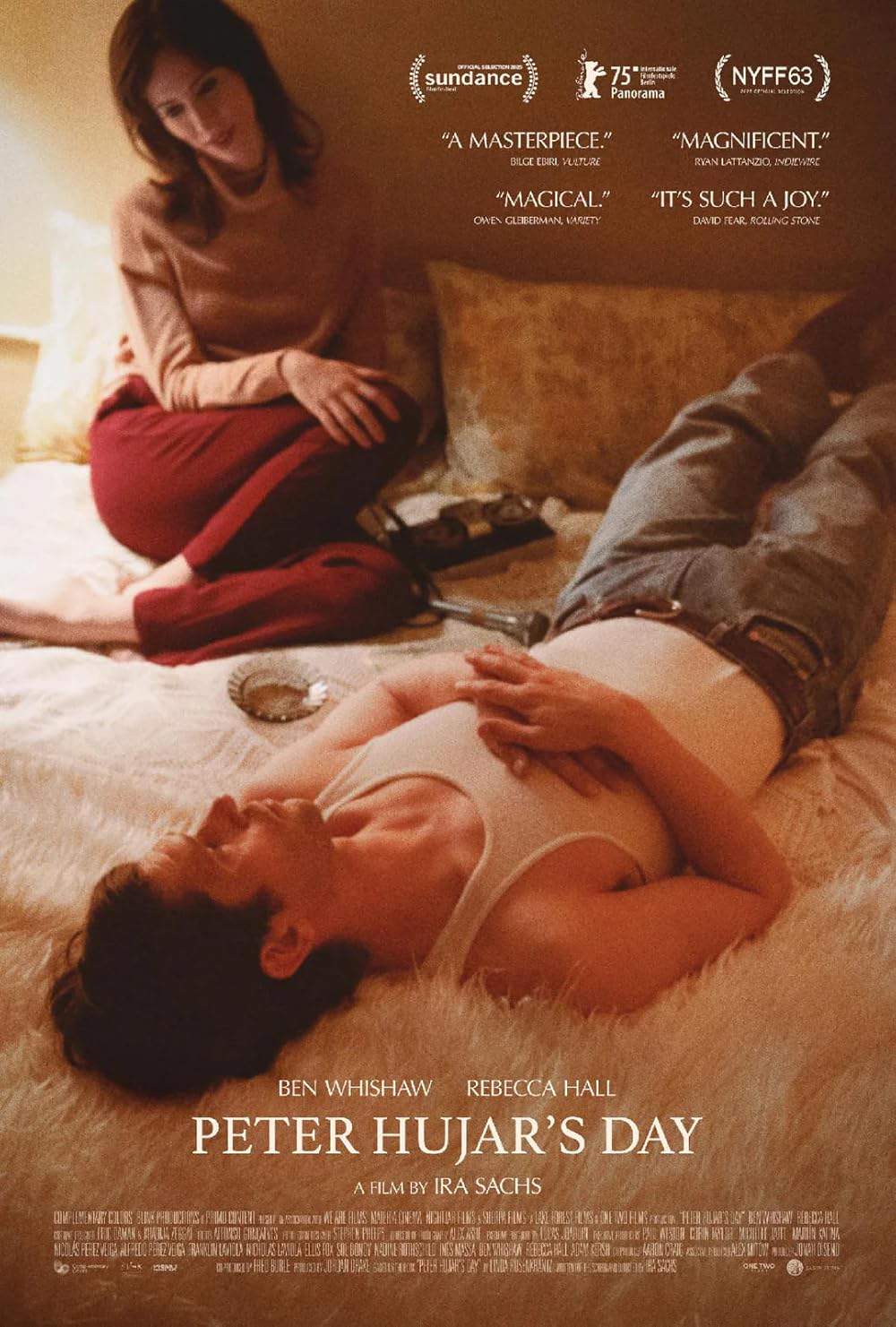
A conversation from 1974 between photographer Peter Hujar and his friend Linda Rosenkrantz offers a revealing look into New York City’s vibrant downtown art scene. The rediscovered dialogue explores the personal challenges and moments of insight that shaped Hujar’s artistic journey and the lives of those around him.

Where to Watch Peter Hujar’s Day?

Find where to stream, rent, or buy Peter Hujar’s Day (2025) in the US with current JustWatch availability, up-to-date pricing, and platform listings for subscription, rental, and digital purchase options.

Warning: spoilers below!

Haven’t seen Peter Hujar’s Day yet? This summary contains major spoilers. Bookmark the page, watch the movie, and come back for the full breakdown. If you're ready, scroll on and relive the story!

Timeline – Peter Hujar’s Day (2025)

Trace every key event in Peter Hujar’s Day (2025) with our detailed, chronological timeline. Perfect for unpacking nonlinear stories, spotting hidden connections, and understanding how each scene builds toward the film’s climax. Whether you're revisiting or decoding for the first time, this timeline gives you the full picture.

1

Interview begins in Linda's SoHo apartment

Peter's present-day interview opens in Linda Rosenkrantz's SoHo apartment as she records him recounting the previous day. He explains that he forgot to write it down until she phoned, and he narrates aloud while she probes for details. Linda interrupts at intervals to ask clarifying questions and pull memories from him.

Dec 19, 1974 (present moment) SoHo, New York
2

Waking late and awaiting Jacqueline's arrival

Peter recalls waking after an 8:30 a.m. alarm he forgot to write down. He then receives a call from Jacqueline de Mornay of Elle about collecting his photographs of Lauren Hutton, and she arrives later to pick up the prints. The exchange foreshadows the tension around payment and recognition.

Morning (8:30 a.m. wake-up) Peter's apartment
3

Jacqueline arrives; payment unclear; prints depart

Jacqueline arrives, praising the photographs but refusing to disclose payment. She departs with the prints, leaving Peter suspicious about how much he will be paid. The moment prompts him to tally the money he believes he is owed.

Late morning Peter's apartment
4

Phone calls and money talk

Peter lands on a new round of calls as he calculates the money from Jacqueline's departure. He fields messages from neighbor Bob Mony and from artist Ed Baynard, venting about Ed's long conversation. The grind of routine tasks and distractions weighs on him.

Late morning Peter's apartment
5

A brief return to bed

Peter returns to bed for another hour, seeking rest that never fully comes. The repetition of calls and errands shadows him as he waits for the day to move forward. The moment underscores how ordinary routine bleeds into the day before it can start again.

Midday Peter's apartment
6

Call to Ginsberg and travel to the Lower East Side

Peter wakes again, buys cigarettes, and calls Allen Ginsberg to arrange a portrait session for The New York Times. He then travels to the Lower East Side to meet Ginsberg at his apartment, where Orlovsky and other visitors are lingering while Ginsberg finishes phone calls.

Afternoon Lower East Side, Manhattan
7

Ginsberg resists, then agrees to indoors session

Ginsberg initially resists a conventional indoor shoot, preferring outdoor spaces and the neighborhood's atmosphere. After Peter explains this is his first Times assignment, Ginsberg agrees to continue inside, and the two walk through the area while Ginsberg chants and meditates, posing among abandoned buildings and the burned-out Peace Eye Book Store.

Afternoon Lower East Side, Manhattan
8

Persimmons and Burroughs talk on the way back

On the way back, they stop at a vegetable stand where Ginsberg buys persimmons. They discuss William S. Burroughs, and Peter learns he will photograph Burroughs the next day, though he feels a hollow connection and questions whether the session will succeed.

Late afternoon Lower East Side, Manhattan
9

Portrait session ends; reflections on connection

They finish the portrait session and part on friendly terms, but Peter later tells Linda that they never truly connected and that the photographs feel like failures as portraits.

Evening Lower East Side (Ginsberg's apartment vicinity)
10

Evening back at the apartment: dinner and darkroom work

Back at his apartment, Peter eats a simple meal and spends the evening developing film in the darkroom. He lies to a caller to avoid socializing, while Linda reminds him to write down everything he did that day.

Evening Peter's apartment
11

The ongoing interview on the night shift

Throughout the night, Linda and Peter move around the apartment, prepare tea, smoke, listen to records, and even dance briefly as the tape continues. Peter also receives calls from Glenn O’Brien, Vince Aletti, and later Fran Lebowitz, who check in as the interview unfolds.

Night Peter's apartment
12

Vince’s visit and further reflections

Vince visits because the apartment has no hot water, and they share Chinese takeout while discussing the Ginsberg session and Peter's sense that he spends his days working without achieving much. Glenn stops by to collect photographic negatives before leaving.

Night Peter's apartment
13

Printing, ambition, and aging

Peter prints for a restaurant commission and for clients, and while he is initially disappointed by the Ginsberg contact sheets, he gradually comes to appreciate them. He reflects on his artistic ambitions and the desire to stand on his own rather than rely on the fame of others, while also confronting aging and his deteriorating eyesight as he retouches.

Late night Peter's darkroom and apartment
14

A quiet close: Bach, bed, and smoking

He ends the day by practicing a Bach piece on his harpsichord, brushing his teeth, and going to bed exhausted from work and heavy smoking. Linda scolds him for smoking, and Peter admits he wishes he could quit.

Night Peter's apartment
15

Outside noises and the final image

Shortly after falling asleep, sex workers talk outside his apartment, and one woman applies makeup in the reflection of a parked detention-center truck. He and Linda look out at the river as the interview ends, having reconstructed every significant and trivial moment of the day.

Late night Peter's apartment, window overlooking river

Last updated: August 02, 2026 at 13:01

Was this helpful?

Peter Hujar’s Day (2025) Timeline Questions Answered – Chronology FAQ

Find frequently asked questions about the Peter Hujar’s Day (2025) timeline, including chronological order, nonlinear jumps, cause-and-effect links, and scene sequence clarifications. This timeline FAQ helps explain when key events happen, how moments connect, and why the story unfolds in that specific order.

Q1

Why is the entire film just a conversation between two people?

A.

Peter Hujar's Day is built around a rediscovered 1974 tape in which photographer Peter Hujar recounts the previous day to writer Linda Rosenkrantz. Rather than dramatize the day itself, the film recreates the taped interview in real time, letting Linda's questions and the pauses between them carry the rhythm of the story. The structure mirrors the source material, so the dialogue is not a limitation but the actual subject of the film.

The opening scene establishes Linda recording on a couch with a cigarette in hand, signaling immediately that the tape itself is the frame of the story.

conversation formattaped interviewreal-timeLinda RosenkrantzPeter Hujar
Q2

What was Linda Rosenkrantz's book project about?

A.

Linda's project aimed to document ordinary days in the lives of artists by having them recount a single day in granular, real-time detail. Peter Hujar was one of her subjects, and the interview on December 19, 1974, was part of that effort to preserve how creative work and routine actually unfold. The book never materialized in the form she imagined, but the tapes, including Peter's, survived and became the basis of the film.

Linda Rosenkrantzbook projectordinary daysartistsinterviews
Q3

Why did Peter lie to Susan Sontag about the gallery?

A.

Peter had earlier dropped the name of a gallery representative to impress Sontag, and the lie began to unravel when she asked follow-up questions about the upcoming exhibition. To cover the name-drop, he improvised directions that were vague enough to redirect the conversation. The moment reveals how easily social posturing collapses under the pressure of someone as sharp as Sontag, and Peter admits the deception to Linda without apology.

Peter's later admission of the lie to Linda shows he already knows the name-drop will not survive Sontag's attention.

Susan Sontagliegalleryname-dropembarrassment
Q4

Why did Allen Ginsberg resist the Times portrait session?

A.

Ginsberg objected to a conventional studio portrait because he associated that format with corporate, packaged imagery rather than the candid spirit of his own work. He preferred the neighborhood, the burned-out shells of buildings, and the ruins of the former Peace Eye Book Store, which felt more honest to him. His resistance is also a negotiation of how a public figure wants to be seen, on his own terms rather than a newspaper's.

Ginsberg's insistence on the outdoor ruins signals from the start that the session will not follow the assignment's original shape.

Allen GinsbergTimes portraitresistanceoutdoorPeace Eye Book Store
Q5

Why did Peter feel disconnected from Ginsberg after the shoot?

A.

Although the session ended on friendly terms, Peter later tells Linda that the photographs do not function as true portraits because he never penetrated Ginsberg's surface. Part of that is practical: Ginsberg steered the shoot toward environments and postures that resisted intimacy, and the conversation never moved beyond polite exchanges and mentions of mutual friends like Burroughs. Peter's frustration is also professional, because a first Times assignment demanded a closer image than he managed to make.

Peter's hesitations during the walk, including the comments about Burroughs, hint that he senses the session is slipping away from him before it ends.

disconnectGinsbergportraitsTimes assignmentfailure
Q6

What was the payment problem with the Elle editor?

A.

When Jacqueline de Mornay arrives to collect Peter's photographs of Lauren Hutton, she compliments the work but refuses to specify what he will be paid, citing editorial budgets she does not control. The prints leave with her before any number is agreed, and Peter is left tallying the money he believes he is owed across multiple calls. The episode crystallizes the financial precarity of working artists in 1974 downtown New York, where even prestigious assignments carried unpredictable compensation.

Peter's tallying of the money in the minutes after Jacqueline leaves shows he had been preparing for this negotiation before it even began.

Jacqueline de MornayElleLauren Huttonpaymentphotographer income
Q7

Why does Peter worry his work won't have lasting significance?

A.

Throughout the evening, Peter returns to the suspicion that he spends his days photographing famous people without producing images that stand on their own. The contact sheets from the Ginsberg session disappoint him at first because the subject overshadows the picture, and he questions whether his reputation will outlive the names he has shot. The worry is not self-pity but a real artistic anxiety about whether documentary portraiture can transcend the era and the subjects that made it visible.

Peter's complaint that the Ginsberg photographs do not work as portraits is the first time he puts this fear into words.

lasting significanceartistic ambitionfamedocumentary portraiturelegacy
Q8

Why is Peter's failing eyesight important to the story?

A.

As Peter retouches prints into the late night, his deteriorating eyesight becomes a physical limit on the very work that defines him, and the strain forces him to confront the body's role in artistic identity. The conversation turns to aging and to the recent death of a fellow photographer, using his own vision loss as a stand-in for finitude. The detail reframes the day's small frustrations as part of a longer arc of physical decline.

The Ginsberg session already showed Peter working at a remove, and his later retouching makes the bodily cost explicit.

failing eyesightagingmortalitydarkroomretouching
Q9

What does the ending with the detention center truck reflection mean?

A.

As Peter drifts toward sleep, a woman outside applies her makeup in the mirror of a parked detention center truck, folding the city's mix of desire, commerce, and policing into a single image. The moment is not symbolic in a heavy-handed way; it is the kind of incongruous detail Hujar himself would have noticed and photographed. The film ends with him and Linda looking out at the river, framing the day as one frame among many in a city that keeps producing images whether or not the photographer is ready.

Peter's earlier observations about photographing abandoned buildings already trained the eye to read urban wreckage as material.

endingdetention centerreflectioncitymakeupriver
Q10

Why does Peter want to quit smoking but never does?

A.

Linda scolds him for smoking near the end of the day, and Peter confesses a genuine wish to quit, but the confession itself comes while a cigarette is in his hand. The pattern captures the rhythm of the whole film, where self-awareness does not automatically translate into change. Smoking also functions as a small shared ritual between Peter and Linda, so quitting would mean giving up a marker of their intimacy as well as the habit itself.

The opening scene already shows a cigarette in Peter's hand during the interview, establishing smoking as a constant through-line of the day.

smokingquithabitLindaritual
Q11

Why did Ginsberg eventually agree to continue the session indoors?

A.

Peter tells Ginsberg that this is his first assignment for The New York Times and that he is not there to advance a corporate agenda, and the clarification softens Ginsberg's resistance. Once Peter makes clear that the shoot is for an artist working out his own craft, not a media institution, Ginsberg treats the indoor portraits as a continuation of the outdoor walk rather than a betrayal of it. The agreement is a small act of trust, brokered by the persimmon stop and the conversation about Burroughs on the way back.

Peter's claim that he is not representing a corporate paper echoes an earlier moment when he is reluctant to be used by institutions himself.

Ginsbergagreementindoor portraitTimestrust
Q12

Why does Peter lie to callers to avoid socializing?

A.

When the phone rings during his evening darkroom work, Peter tells a caller a small lie to get off the line, because each interruption breaks the long, fragile stretch of concentration the printing requires. The lie is less about the caller than about protecting the small pockets of solitude that make the day's work possible. It also shows that the social buzz of the downtown art scene, which he moves through easily, can become an obstacle to the work itself.

Peter's earlier complaint about Ed Baynard's long phone call already signaled his impatience with conversations that do not serve his work.

lyingcallersdarkroomsolitudework
Q13

How does the film recreate a real 1974 conversation?

A.

Director Ira Sachs uses the rediscovered audio tape as a script, staging the interview so that the camera and microphone function as stand-ins for Linda's original recording equipment. Ben Whishaw as Hujar and Rebecca Hall as Rosenkrantz perform the conversation in real time, including hesitations, asides, and cigarette breaks, rather than compressing it into conventional scenes. The result is less an adaptation than a precise reenactment, where the line between document and performance is deliberately thin.

The film opens with the tape already running, framing the entire story as an act of faithful listening.

recreationtapereenactmentBen WhishawRebecca Hallreal time
Q14

Why does Peter photograph famous people if he questions depending on their fame?

A.

Peter's assignments for publications like The New York Times and magazines like Elle require him to shoot recognizable subjects, and those commissions are also how he sustains his practice. The tension he voices to Linda is not about refusing such work but about not letting the subject's reputation do the work that the photograph should do. The evening's printing of the Ginsberg contact sheets becomes a test of whether his images can survive without leaning on who is in them.

Peter's earlier unease about being unable to disclose Elle's payment already linked commercial assignments to a more existential worry.

famous subjectscommissionsTimesElleartistic independence
Q15

What is the significance of the Bach harpsichord piece at the end of the day?

A.

After finishing the prints, Peter sits at a harpsichord and plays a Bach piece, a brief ritual that has nothing to do with photography or money. The performance marks a return to a private practice that exists outside the day's obligations, and it punctuates the shift from work to rest. It also offers Linda, and the audience, a glimpse of the artist in a mode that cannot be easily framed for a client or a publication.

Peter's complaints about working without lasting significance already prepare the audience for a moment of unmarketable, personal art.

Bachharpsichordprivate practicerestend of day
Mobile App Preview

Coming soon on iOS and Android

The Plot Explained Mobile App

From blockbusters to hidden gems - dive into movie stories anytime, anywhere. Save your favorites, discover plots faster, and never miss a twist again.

Sign up to be the first to know when we launch. Your email stays private, always.

Explore Movie Threads

Discover curated groups of movies connected by mood, themes, and story style. Browse collections built around emotion, atmosphere, and narrative focus to easily find films that match what you feel like watching right now.

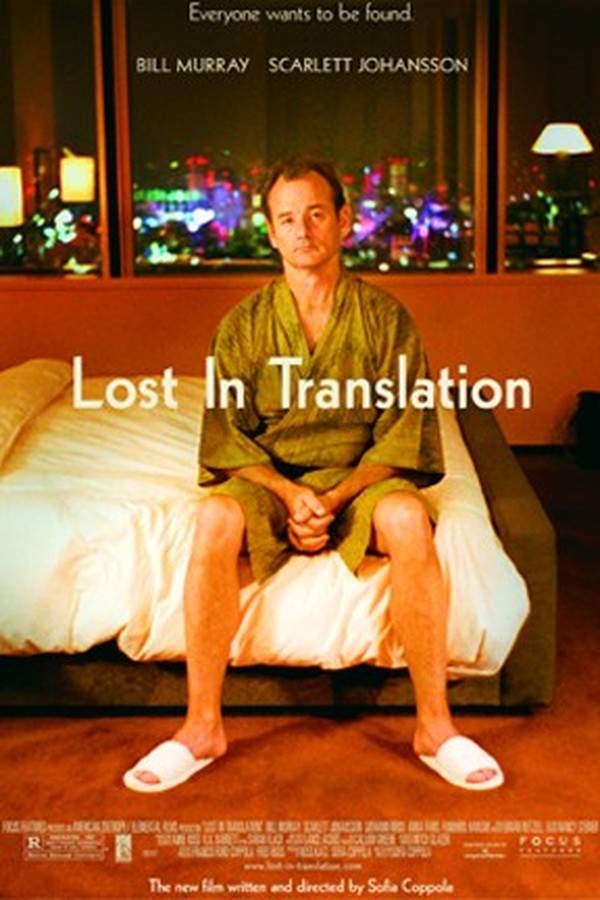
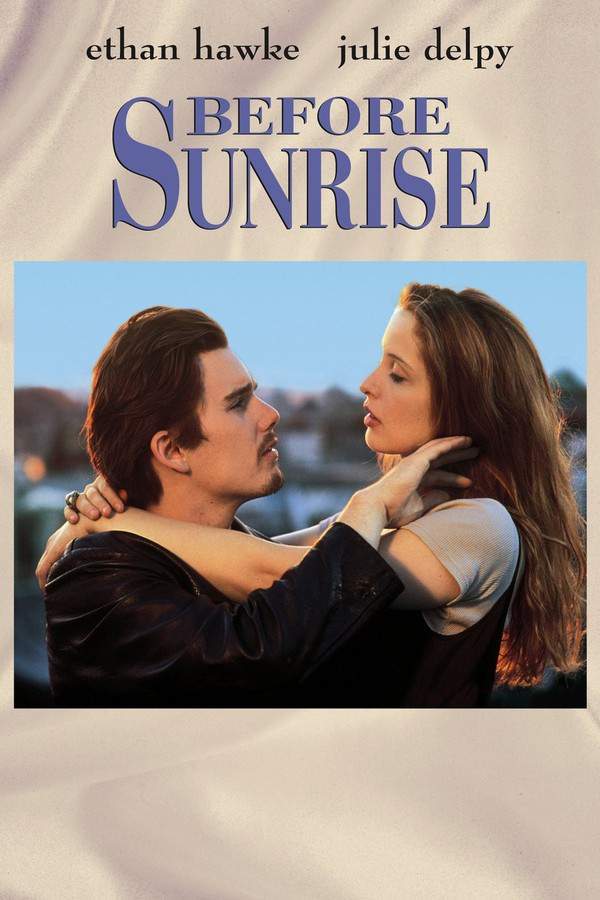
Quiet conversation films like Peter Hujar's Day

Films that unfold almost entirely through a single, unhurried dialogue between two people.If you loved the intimate, almost motionless pace of Peter Hujar's Day, you'll enjoy these movies like Peter Hujar's Day that unfold almost entirely through a single, unhurried conversation. Each film turns a taped talk, a long dinner, or a quiet afternoon into a meditation on art, memory, and human connection — perfect for viewers who want cinema that breathes.

intimateconversationalslowcontemplativeliteraryquietdialogue-driven

Narrative Summary

Films in this thread typically follow two (sometimes three) characters across a single afternoon, evening, or day. The structure is almost theatrical: a contained space, a contained time, and a contained relationship. What changes across the running time is not the situation but the speakers themselves — small revelations accumulate, masks slip, and by the end we feel we have known these people for years. The dramatic engine is curiosity and recognition rather than conflict or plot.

Why These Movies?

They share a slow, real-time pacing, an almost forensic attention to speech and small gesture, and a willingness to trust that watching two people think aloud can hold a film together. Tone tends toward intimate, reflective, often melancholic, with recurring themes of memory, art, love, identity, and mortality. Plot is minimal; presence and attention are everything.
Films about artists and creative lives like Peter Hujar's Day

Contemplative portraits of painters, photographers, and writers in the cities that shape them.If you were drawn to the 1970s New York art scene, creative doubt, and the quiet rhythms of an artist's day in Peter Hujar's Day, these similar movies explore the inner lives of painters, photographers, and writers. Each is a slow, melancholic portrait of creative ambition, friendship, and mortality — perfect for viewers looking for movies like Peter Hujar's Day that make the ordinary feel luminous.

bohemiancreativenostalgicatmosphericurbanreflectiveliterary

Narrative Summary

Stories in this thread tend to follow a single creative figure (or a small community of them) over a compressed period — a day, a season, a year. The protagonist is usually mid-career or past their first bloom, contending with the gap between their ambitions and their circumstances. External plot is minimal; the drama lives in the small negotiations of a working life — a commission, a visit, an exhibition, a phone call — and in the way time, health, and the city press in. Endings are often bittersweet, marked by exhaustion, recognition, or a quiet acceptance of limits.

Why These Movies?

These films share an attention to the textures of a working artist's life: the apartment, the studio, the bar, the gallery, the long walk. They are usually slow, low-intensity, and melancholic, with a fondness for the bohemian margins of great cities — especially New York, Paris, London, and Tokyo. Themes of aging, mortality, friendship, sexuality, and the difficulty of making meaningful work recur. Many are based on real figures or real conversations, and reward viewers who like character-driven, dialogue-rich cinema.

Unlock the Full Story of Peter Hujar’s Day

Don't stop at just watching - explore Peter Hujar’s Day in full detail. From the complete plot summary and scene-by-scene timeline to character breakdowns, thematic analysis, and a deep dive into the ending - every page helps you truly understand what Peter Hujar’s Day is all about. Plus, discover what's next after the movie.

Peter Hujar’s Day Summary

Read a complete plot summary of Peter Hujar’s Day, including all key story points, character arcs, and turning points. This in-depth recap is ideal for understanding the narrative structure or reviewing what happened in the movie.

Peter Hujar’s Day Summary

Characters, Settings & Themes in Peter Hujar’s Day

Discover the characters, locations, and core themes that shape Peter Hujar’s Day. Get insights into symbolic elements, setting significance, and deeper narrative meaning - ideal for thematic analysis and movie breakdowns.

Characters, Settings & Themes in Peter Hujar’s Day

Peter Hujar’s Day Spoiler-Free Summary

Get a quick, spoiler-free overview of Peter Hujar’s Day that covers the main plot points and key details without revealing any major twists or spoilers. Perfect for those who want to know what to expect before diving in.

Peter Hujar’s Day Spoiler-Free Summary

More About Peter Hujar’s Day

Visit What's After the Movie to explore more about Peter Hujar’s Day: box office results, cast and crew info, production details, post-credit scenes, and external links - all in one place for movie fans and researchers.

More About Peter Hujar’s Day