Peter Hujar’s Day

Peter Hujar’s Day

JustWatch#2,4093

Year: 2025

Runtime: 76 mins

Language: English

Director: Ira Sachs

Echo Score: 88
DramaHistory

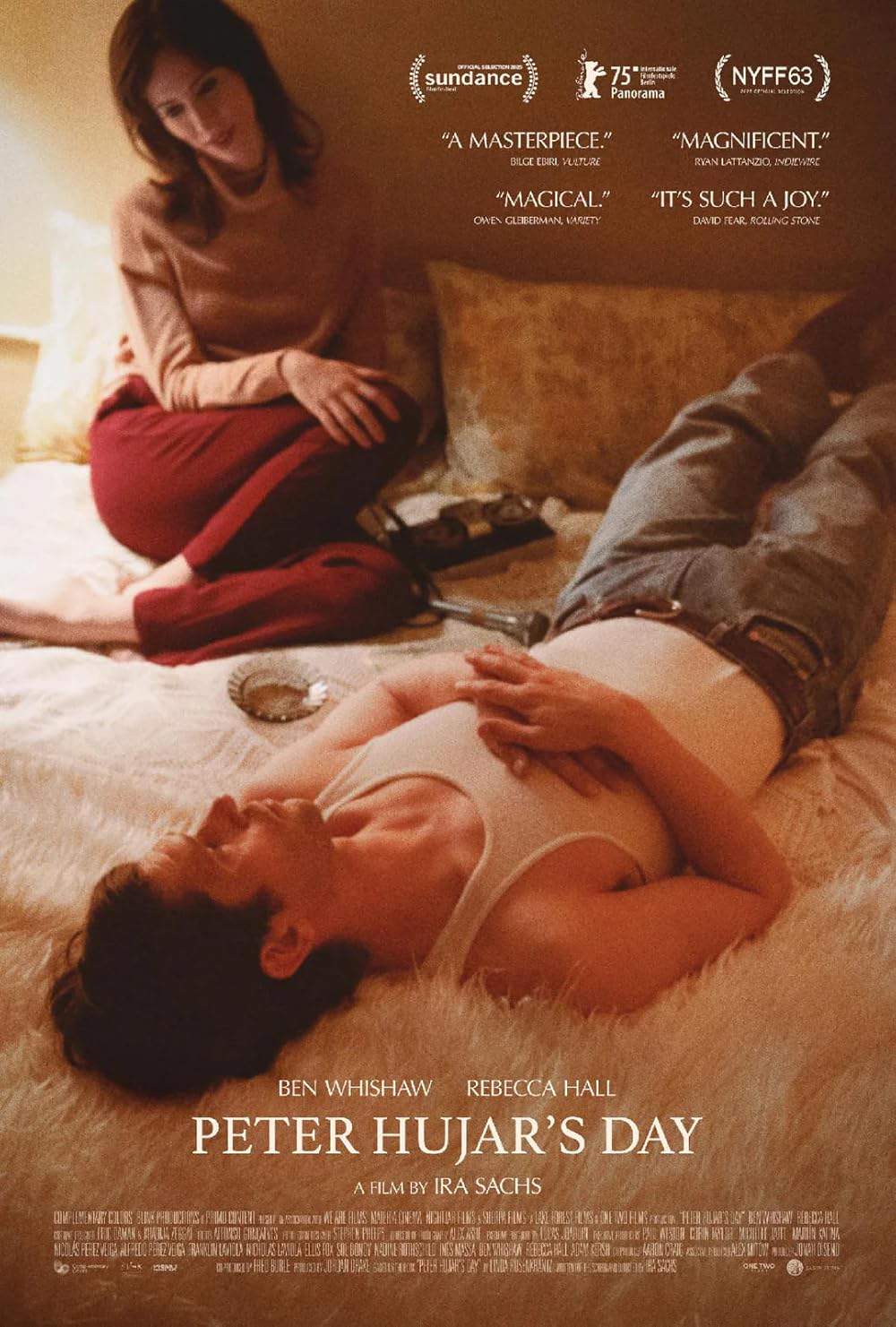
A conversation from 1974 between photographer Peter Hujar and his friend Linda Rosenkrantz offers a revealing look into New York City’s vibrant downtown art scene. The rediscovered dialogue explores the personal challenges and moments of insight that shaped Hujar’s artistic journey and the lives of those around him.

Where to Watch Peter Hujar’s Day?

Find where to stream, rent, or buy Peter Hujar’s Day (2025) in the US with current JustWatch availability, up-to-date pricing, and platform listings for subscription, rental, and digital purchase options.

Warning: spoilers below!

Haven’t seen Peter Hujar’s Day yet? This summary contains major spoilers. Bookmark the page, watch the movie, and come back for the full breakdown. If you're ready, scroll on and relive the story!

Timeline & Setting – Peter Hujar’s Day (2025)

Explore the full timeline and setting of Peter Hujar’s Day (2025). Follow every major event in chronological order and see how the environment shapes the story, characters, and dramatic tension.

Time period

1974

Set on December 19, 1974, New York City and its art world feel intimate, improvisational, and a touch weary. The 1970s NYC atmosphere is defined by intimate studios, back-alley interviews, and magazines vying for exclusive imagery. The day’s cadence—phone calls, errands, and late-night printing—reflects a city and a generation balancing artistic ambition with practical constraints.

Location

SoHo, New York City; Lower East Side, New York City; Peace Eye Book Store remnants, New York City; Peter Hujar’s darkroom

The action unfolds across Manhattan's artistic spaces, anchored by Linda Rosenkrantz's SoHo apartment where the interview occurs and Peter Hujar's own environments. The day moves from a Lower East Side setting to the quiet, shadow-filled rooms of a darkroom where photographs are developed, capturing the rhythm of a working photographer. Scattered through the cityscape are locations like the burned remains of the Peace Eye Book Store and a simple street-side vegetable stand, underscoring a vibrant yet decaying urban art ecosystem.

🗺️ New York City 🕰️ 1970s 🎨 Art scene

Last updated: August 02, 2026 at 13:00

Was this helpful?

Main Characters – Peter Hujar’s Day (2025)

Meet the key characters of Peter Hujar’s Day (2025), with detailed profiles, motivations, and roles in the plot. Understand their emotional journeys and what they reveal about the film’s deeper themes.

Peter Hujar – Ben Whishaw

Peter is a dedicated photographer whose day is a mosaic of shoots, calls, and studio work. He is introspective and wary of how memory and truth are captured, often overthinking details to protect the integrity of his narrative. The aging of his eyes, his habit of smoking, and the stubborn drive to produce work that survives beyond his subjects define his inner tension as an artist.

📷 Photographer 🧠 Thoughtful 🚬 Heavy smoker

Linda Rosenkrantz – Rebecca Hall

Linda acts as interviewer and documentarian, guiding the memory-creation process. She prompts Peter to recall details, asks clarifying questions, and records the day’s ordinary moments that form the narrative. Her patient curiosity and collaborative stance shape the interview while revealing a writer’s desire to capture life through words and sound.

🗣️ Interviewer 🧠 Insightful 🎭 Complex dynamic

Last updated: August 02, 2026 at 13:00

Was this helpful?

Major Themes – Peter Hujar’s Day (2025)

Explore the central themes of Peter Hujar’s Day (2025), from psychological, social, and emotional dimensions to philosophical messages. Understand what the film is really saying beneath the surface.

🗒️ Memory

The film centers on reconstructing a single day through Peter’s memories as Linda records and questions. It explores how memory, detail, and truth blur when a life is boiled down to moments, conversations, and routine actions. The act of noting every moment becomes a meditation on what a life actually consists of beyond grand events. The piece suggests that ordinary days may carry significant meaning in shaping a photographer’s self-perception.

📸 Portraiture

Peter’s attempts to photograph Ginsberg and his earlier subjects probe what portraits can reveal about a person beyond appearance. The process shows tension between documentary assignment and artistic interpretation, as the photographer negotiates style, setting, and subject mood. The New York Times’ interest versus the artist’s integrity highlights the fragile boundary between commerce and craft. Ultimately, the session questions whether a portrait can ever capture the essence of a person.

⏳ Aging

Aging is threaded through the dialogue as Peter confronts declining eyesight and the toll of a life spent under bright lights and in front of the camera. The narrative also touches mortality through conversations about aging fellow photographers and the relentless passage of time. The day’s rhythm becomes a meditation on legacy, how one’s work persists as the body fades, and whether art will outlive its creator.

Last updated: August 02, 2026 at 13:00

Was this helpful?

Peter Hujar’s Day (2025) Character & Theme Questions Answered – Info FAQ

Browse frequently asked questions about Peter Hujar’s Day (2025) focused on characters, relationships, themes, symbols, setting, and story context. This movie info FAQ gives spoiler-aware explanations for character arcs, world details, and thematic interpretation so readers can better understand what the film is really about.

Q1

Where does the film take place?

A.

Peter Hujar's Day is set in New York City, primarily across Manhattan's downtown neighborhoods. The action moves through several locations, including Linda Rosenkrantz's SoHo apartment where the central interview occurs, Peter Hujar's darkroom, and the Lower East Side. Scattered landmarks like the burned remains of the Peace Eye Book Store and a street-side vegetable stand evoke the gritty texture of 1970s downtown.

new york citysoholower east sidemanhattandowntownsetting
Q2

When is the film set?

A.

The film takes place on a single day: December 19, 1974. This specific date places the story in the heart of New York City's vibrant but financially strained downtown art scene. The era is defined by intimate studios, back-alley conversations, and a generation of artists balancing creative ambition with everyday economic pressures.

1974december1970seratime periodnew york
Q3

Who is Peter Hujar in the film?

A.

Peter Hujar, played by Ben Whishaw, is a dedicated photographer whose day unfolds as a mosaic of shoots, phone calls, and studio work. He is introspective and wary of how memory and truth are captured, often overthinking details to protect the integrity of his narrative. His declining eyesight, his habit of smoking, and his stubborn drive to produce work that survives beyond his subjects define his inner tension as an artist in Peter Hujar's Day.

peter hujarben whishawphotographerprotagonistcharacter
Q4

Who is Linda Rosenkrantz in the film?

A.

Linda Rosenkrantz, played by Rebecca Hall, acts as the interviewer and documentarian guiding the conversation. She prompts Peter to recall details, asks clarifying questions, and records the ordinary moments that form the narrative. Her patient curiosity and collaborative stance shape the interview while revealing a writer's desire to capture life through words and recorded sound.

linda rosenkrantzrebecca hallinterviewerwritercharacter
Q5

What was downtown NYC's art scene like in 1974?

A.

Peter Hujar's Day portrays 1970s downtown New York as an intimate, improvisational, and slightly weary artistic ecosystem. The atmosphere is defined by small studios, back-alley interviews, and magazines vying for exclusive imagery. Locations like the burned remains of the Peace Eye Book Store hint at a community of artists and writers creating work on the margins of mainstream culture, balancing artistic ambition with practical financial constraints.

1970s art scenedowntownnew york citycreative communitymagazines
Q6

What are the main themes of the film?

A.

Peter Hujar's Day explores three central themes: memory, portraiture, and aging. It investigates how a life can be reconstructed through ordinary moments, what a portrait can truly reveal about a person beyond appearance, and how the body and creative drive change as time passes. These themes are woven through the quiet conversation rather than shown through dramatic plot events.

themesmemoryportraitureagingmeaningideas
Q7

How does the film explore the theme of memory?

A.

Peter Hujar's Day centers on reconstructing a single day through Hujar's memories as Linda records and questions him. It explores how memory, detail, and truth blur when a life is boiled down to moments, conversations, and routine actions. The act of noting every moment becomes a meditation on what a life actually consists of beyond grand events, suggesting that ordinary days may carry significant meaning in shaping a photographer's self-perception.

memoryrememberingrecollectionordinary momentsreconstruction
Q8

What role does portraiture play in the story?

A.

Portraiture is both a literal and thematic focus of Peter Hujar's Day. Peter reflects on his attempts to photograph subjects like Allen Ginsberg, probing what portraits can reveal about a person beyond appearance. The film highlights the tension between documentary assignment and artistic interpretation, as the photographer negotiates style, setting, and subject mood while balancing commercial pressures from outlets like The New York Times with personal integrity.

portraiturephotographyallen ginsbergdocumentaryartistic interpretation
Q9

How does aging appear in the film?

A.

Aging is threaded through the dialogue in Peter Hujar's Day as Peter confronts his declining eyesight and the toll of a life spent under bright lights. The narrative also touches mortality through conversations about aging fellow photographers and the relentless passage of time. The day's rhythm becomes a meditation on legacy, how one's work persists as the body fades, and whether art will outlive its creator.

agingmortalitylegacyeyesighttimedecline
Q10

What is the significance of the Peace Eye Book Store?

A.

The Peace Eye Book Store appears in Peter Hujar's Day as burned remains, a ruin in the New York City landscape. Once a real gathering spot for the downtown art and literary community, its destruction symbolizes the fragile, decaying urban art ecosystem of 1970s Manhattan. The detail underscores how the era's creative spaces were vulnerable even as the artistic energy around them continued to thrive.

peace eye book storedowntown landmarksbookstoredecayart community
Q11

Is the film based on a real conversation?

A.

Peter Hujar's Day is based on a rediscovered 1974 taped conversation between photographer Peter Hujar and writer Linda Rosenkrantz. The film recreates the dialogue from that recording, offering a revealing look into New York City's vibrant downtown art scene. This real-life source material gives the film its forensic attention to the textures of an ordinary day in the life of a working artist.

real conversationtaped dialoguebased on1974 recordingtrue story
Mobile App Preview

Coming soon on iOS and Android

The Plot Explained Mobile App

From blockbusters to hidden gems - dive into movie stories anytime, anywhere. Save your favorites, discover plots faster, and never miss a twist again.

Sign up to be the first to know when we launch. Your email stays private, always.

Explore Movie Threads

Discover curated groups of movies connected by mood, themes, and story style. Browse collections built around emotion, atmosphere, and narrative focus to easily find films that match what you feel like watching right now.

Quiet conversation films like Peter Hujar's Day

Films that unfold almost entirely through a single, unhurried dialogue between two people.If you loved the intimate, almost motionless pace of Peter Hujar's Day, you'll enjoy these movies like Peter Hujar's Day that unfold almost entirely through a single, unhurried conversation. Each film turns a taped talk, a long dinner, or a quiet afternoon into a meditation on art, memory, and human connection — perfect for viewers who want cinema that breathes.

intimateconversationalslowcontemplativeliteraryquietdialogue-driven

Narrative Summary

Films in this thread typically follow two (sometimes three) characters across a single afternoon, evening, or day. The structure is almost theatrical: a contained space, a contained time, and a contained relationship. What changes across the running time is not the situation but the speakers themselves — small revelations accumulate, masks slip, and by the end we feel we have known these people for years. The dramatic engine is curiosity and recognition rather than conflict or plot.

Why These Movies?

They share a slow, real-time pacing, an almost forensic attention to speech and small gesture, and a willingness to trust that watching two people think aloud can hold a film together. Tone tends toward intimate, reflective, often melancholic, with recurring themes of memory, art, love, identity, and mortality. Plot is minimal; presence and attention are everything.
Films about artists and creative lives like Peter Hujar's Day

Contemplative portraits of painters, photographers, and writers in the cities that shape them.If you were drawn to the 1970s New York art scene, creative doubt, and the quiet rhythms of an artist's day in Peter Hujar's Day, these similar movies explore the inner lives of painters, photographers, and writers. Each is a slow, melancholic portrait of creative ambition, friendship, and mortality — perfect for viewers looking for movies like Peter Hujar's Day that make the ordinary feel luminous.

bohemiancreativenostalgicatmosphericurbanreflectiveliterary

Narrative Summary

Stories in this thread tend to follow a single creative figure (or a small community of them) over a compressed period — a day, a season, a year. The protagonist is usually mid-career or past their first bloom, contending with the gap between their ambitions and their circumstances. External plot is minimal; the drama lives in the small negotiations of a working life — a commission, a visit, an exhibition, a phone call — and in the way time, health, and the city press in. Endings are often bittersweet, marked by exhaustion, recognition, or a quiet acceptance of limits.

Why These Movies?

These films share an attention to the textures of a working artist's life: the apartment, the studio, the bar, the gallery, the long walk. They are usually slow, low-intensity, and melancholic, with a fondness for the bohemian margins of great cities — especially New York, Paris, London, and Tokyo. Themes of aging, mortality, friendship, sexuality, and the difficulty of making meaningful work recur. Many are based on real figures or real conversations, and reward viewers who like character-driven, dialogue-rich cinema.

Unlock the Full Story of Peter Hujar’s Day

Don't stop at just watching - explore Peter Hujar’s Day in full detail. From the complete plot summary and scene-by-scene timeline to character breakdowns, thematic analysis, and a deep dive into the ending - every page helps you truly understand what Peter Hujar’s Day is all about. Plus, discover what's next after the movie.

Peter Hujar’s Day Summary

Read a complete plot summary of Peter Hujar’s Day, including all key story points, character arcs, and turning points. This in-depth recap is ideal for understanding the narrative structure or reviewing what happened in the movie.

Peter Hujar’s Day Summary

Peter Hujar’s Day Timeline

Track the full timeline of Peter Hujar’s Day with every major event arranged chronologically. Perfect for decoding non-linear storytelling, flashbacks, or parallel narratives with a clear scene-by-scene breakdown.

Peter Hujar’s Day Timeline

Peter Hujar’s Day Spoiler-Free Summary

Get a quick, spoiler-free overview of Peter Hujar’s Day that covers the main plot points and key details without revealing any major twists or spoilers. Perfect for those who want to know what to expect before diving in.

Peter Hujar’s Day Spoiler-Free Summary

More About Peter Hujar’s Day

Visit What's After the Movie to explore more about Peter Hujar’s Day: box office results, cast and crew info, production details, post-credit scenes, and external links - all in one place for movie fans and researchers.

More About Peter Hujar’s Day