Year: 2003
Runtime: 112 min
Language: English
Director: Robert Altman
Budget: $15M
Loretta "Ry" Ryan strives for excellence as a ballerina within the demanding environment of the Joffrey Ballet. Her aspirations become intertwined with a budding romance, creating a complex interplay of passion, pressure, and personal relationships. Set in Chicago, the film explores the dedication required to pursue artistic perfection and the challenges of maintaining balance in a high-stakes world.
Warning: spoilers below!
Haven’t seen The Company yet? This summary contains major spoilers. Bookmark the page, watch the movie, and come back for the full breakdown. If you're ready, scroll on and relive the story!
Read the complete plot breakdown of The Company (2003), including all key story events, major twists, and the ending explained in detail. Discover what really happened—and what it all means.
Set against the backstage storm of a bustling ballet company, this ensemble drama follows a single season of rehearsals and performances at the Joffrey Ballet, guided by a director who is as warm as he is exacting. Alberto Antonelli, the company’s artistic leader, steers the troupe through the demanding discipline of training, the inevitability of injuries, the juggling act of schedules, and the financial pressures that come with staging bold new works. Across the season, the film sketches a world where ambition, artistry, and personal life constantly collide, and where every rehearsal room moment can feel like a turning point for those chasing a dream on stage.
At the center of the company’s story is Loretta ‘Ry’ Ryan, a talented dancer who steadily earns more prominent roles as she proves herself in arduous rehearsals. Her ascent happens even as she wrestles with the social dynamics of the group; tensions flare as some colleagues struggle to integrate, and one dancer even requests removal from a number after his relationship with Ry ends acrimoniously. The narrative brushes close to the fragility of cohesion within a tightly knit troupe, showing how success for one can echo through the entire company.
Ry’s life beyond the studio is equally layered. Like many of the younger dancers, she juggles a second job to make ends meet, waitress work at a chic bar that becomes a hotspot for late-night conversations and confiding conversations about the balance between art and practicality. Against her mother’s objections, Ry’s nights out and late shifts intersect with her budding career, a reminder that the road to stardom often runs through ordinary, everyday moments. It’s there she meets Josh Williams, a young chef climbing the ladder in a kitchen where pressure runs high and mistakes are costly. Their relationship blossoms after a memorable scene in which Ry is seen seductively playing pool to Elvis Costello’s rendition of My Funny Valentine, a motif that threads itself through the film and returns as a resonant refrain.
A major thread of the season centers on a new work by Robert Desrosiers inspired by Hindu mythology, a bold project the company agrees to stage under Antonelli’s careful eye. The piece they pursue is called Blue Snake, a demanding and visually striking work that Desrosiers had choreographed years earlier with another company. The directors quickly identify Ry as the featured female dancer for this ambitious production after she captivates them during a spontaneous moment: she dances Lubovitch’s My Funny Valentine outside in a thunderstorm, a scene that cements her as the one to watch. The rehearsal process for Blue Snake proves grueling, with intricate timing, demanding partnering, and the sheer physical strain of the role. The pressures of the new work spill into Ry’s personal life as the marathon pace of rehearsals makes it hard to keep up with dinners or dates with Josh.
Between the intensive preparations for Blue Snake, the company stages and rehearses a variety of pieces that showcase the breadth of the troupe’s technique. One memorable number unfolds on a swing set to Julee Cruise’s haunting track, The World Spins, a moment that captures the playful risk and the cinematic mood of the season. To release tension and build camaraderie, the dancers host an informal Christmas Eve roast night, an affectionate lampooning of the intense personalities of Antonelli and Desrosiers that offers the company a moment of levity amid the relentless schedule.
The long-awaited premiere of Blue Snake arrives at the Kennedy Center, a formal setting befitting the scale of the production. The performance is a triumph in many respects, even as Ry sustains an arm injury toward the end of her solo, forcing Desrosiers to improvise and adapt until another dancer can be fitted into her elaborate costume. The show’s success is undeniable, and amid the applause, Josh makes a quiet, personal gesture—having already been injured in a kitchen accident, he sneaks onto the stage during the bows to congratulate Ry. The two share a private moment of celebration as the main curtain falls, a quiet close to a season that tested the limits of artistry and endurance.
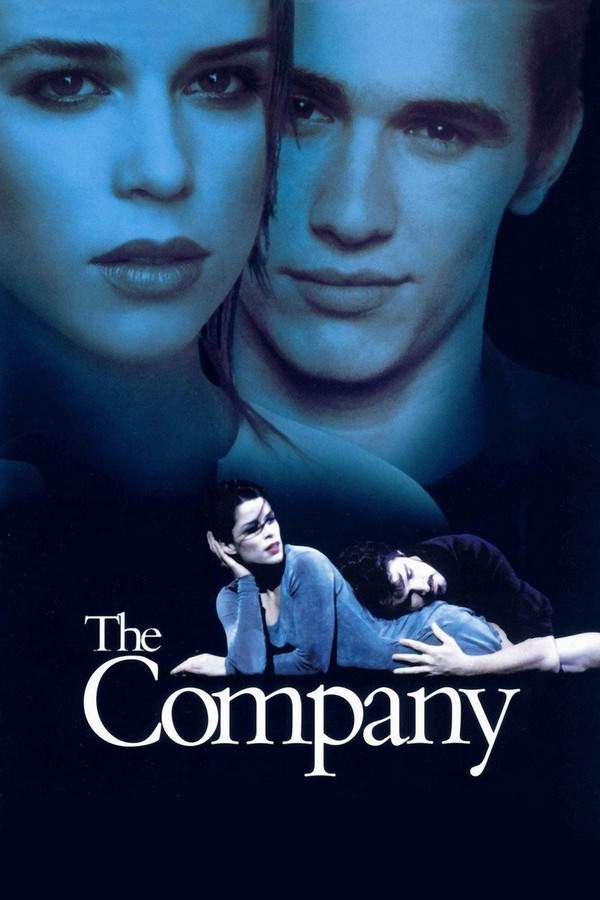
The film is anchored by a notable ensemble, with performances by its cast bringing depth to each facet of the story. The film features performances by James Franco, Malcolm McDowell, and Neve Campbell, whose presence adds another layer to the tapestry of ambition, mentorship, and longing that defines the company’s year.
Last Updated: November 22, 2025 at 15:57
Discover curated groups of movies connected by mood, themes, and story style. Browse collections built around emotion, atmosphere, and narrative focus to easily find films that match what you feel like watching right now.
Stories that explore the intense passion and high personal cost of pursuing artistic excellence.If you liked The Company, discover more movies that explore the demanding world of professional artistry. These films are for viewers who enjoy stories about creative passion, the discipline of rehearsal, and the complex interplay between ambition and personal life within a high-stakes artistic setting.
Narratives in this thread typically follow an artist or ensemble as they prepare for a major performance or creative milestone. The central conflict arises from the tension between the pursuit of perfection and the needs of a normal life—relationships strain, injuries occur, and personal desires are often put on hold for the sake of the art. The journey is one of growth, resilience, and ultimately, a nuanced understanding of success.
These films are grouped together because they share a core focus on the artist's journey. They capture a specific mood of disciplined passion, portraying the behind-the-scenes reality of creative work. The tone is often hopeful yet grounded, with a steady pacing that mirrors the process of practice and refinement, leading to emotionally resonant, bittersweet conclusions.
Character-driven stories where professional dreams and personal love pull in opposite directions.For fans of The Company's exploration of Ry's career and love life, this collection highlights similar dramas. Find films where a character's professional drive and personal relationships create a compelling, bittersweet conflict, perfect for those who enjoy emotionally medium stories about life's difficult choices.
The narrative pattern follows a driven individual whose life is consumed by their professional goals. A romantic subplot is introduced not as a simple escape, but as a complicating factor that challenges their single-minded focus. The story unfolds through a series of choices and compromises, leading to a conclusion that acknowledges the gains and losses of prioritizing one path over the other, rarely offering a perfectly clean resolution.
Movies in this thread share a specific character arc and emotional mix. They are united by their focus on the internal conflict between passion for work and passion for a person. The tone is hopeful yet realistic, the pacing is steady to allow for character development, and the emotional weight is medium, dealing with serious life choices without overwhelming despair.
Don't stop at just watching — explore The Company in full detail. From the complete plot summary and scene-by-scene timeline to character breakdowns, thematic analysis, and a deep dive into the ending — every page helps you truly understand what The Company is all about. Plus, discover what's next after the movie.
Track the full timeline of The Company with every major event arranged chronologically. Perfect for decoding non-linear storytelling, flashbacks, or parallel narratives with a clear scene-by-scene breakdown.
Discover the characters, locations, and core themes that shape The Company. Get insights into symbolic elements, setting significance, and deeper narrative meaning — ideal for thematic analysis and movie breakdowns.
Get a quick, spoiler-free overview of The Company that covers the main plot points and key details without revealing any major twists or spoilers. Perfect for those who want to know what to expect before diving in.
Visit What's After the Movie to explore more about The Company: box office results, cast and crew info, production details, post-credit scenes, and external links — all in one place for movie fans and researchers.
Discover movies like The Company that share similar genres, themes, and storytelling elements. Whether you’re drawn to the atmosphere, character arcs, or plot structure, these curated recommendations will help you explore more films you’ll love.
The Company (2003) Scene-by-Scene Movie Timeline
The Company (2003) Movie Characters, Themes & Settings
The Company (2003) Spoiler-Free Summary & Key Flow
Movies Like The Company – Similar Titles You’ll Enjoy
Dancing on Glass (2022) Detailed Story Recap
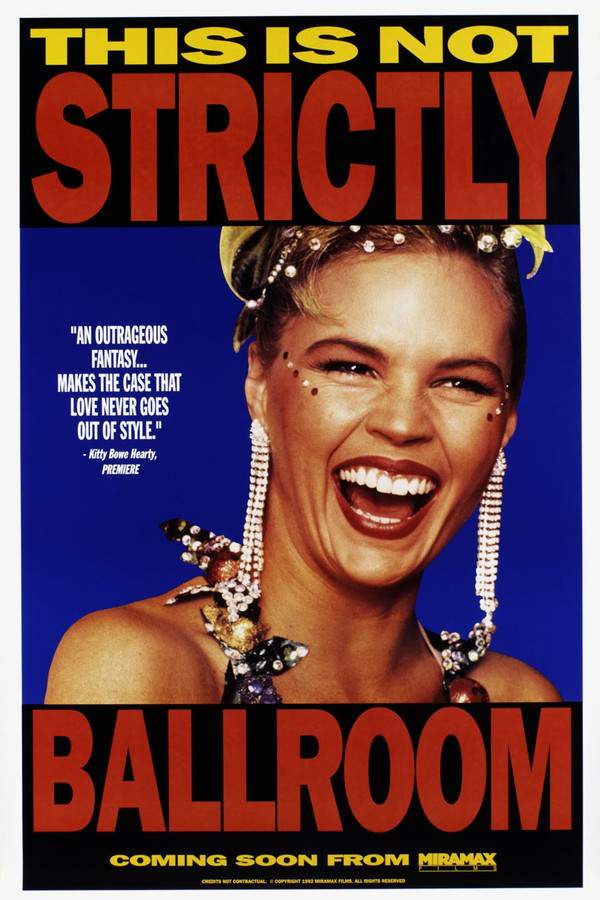
Strictly Ballroom (1993) Story Summary & Characters
Ballet 422 (2015) Detailed Story Recap
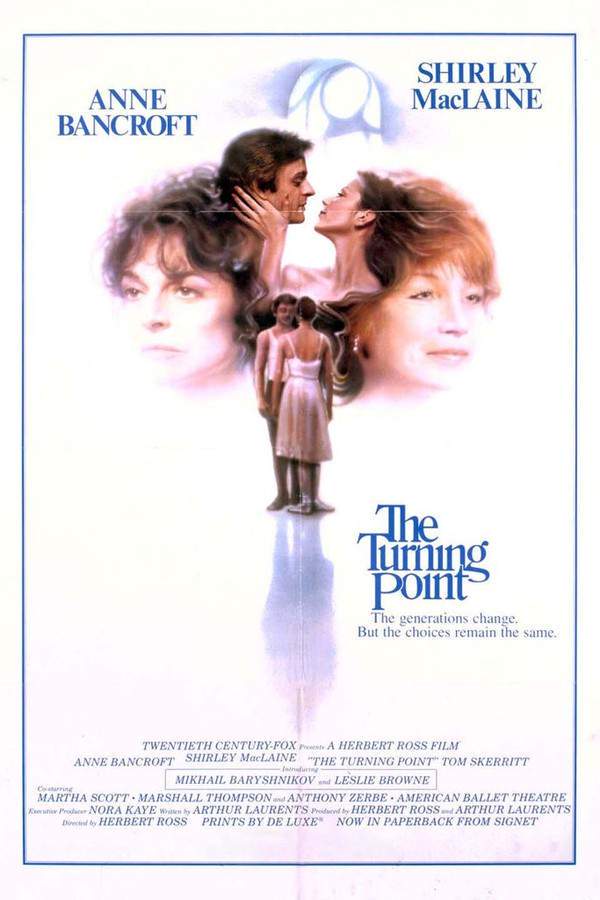
The Turning Point (1977) Spoiler-Packed Plot Recap
Center Stage (2000) Ending Explained & Film Insights
Love N' Dancing (2009) Full Summary & Key Details
High Strung (2016) Ending Explained & Film Insights
The Tango Lesson (1997) Spoiler-Packed Plot Recap
Dance Academy: The Movie (2018) Story Summary & Characters
Five Dances (2013) Movie Recap & Themes
Dancers (1987) Plot Summary & Ending Explained
Dance, Girl, Dance (1940) Spoiler-Packed Plot Recap
Center Stage: Turn It Up (2008) Movie Recap & Themes
Ballet (1995) Full Movie Breakdown
Company (1996) Detailed Story Recap