







Plot Explained Spoilers guaranteed!
Plot Explained

Browse by genre

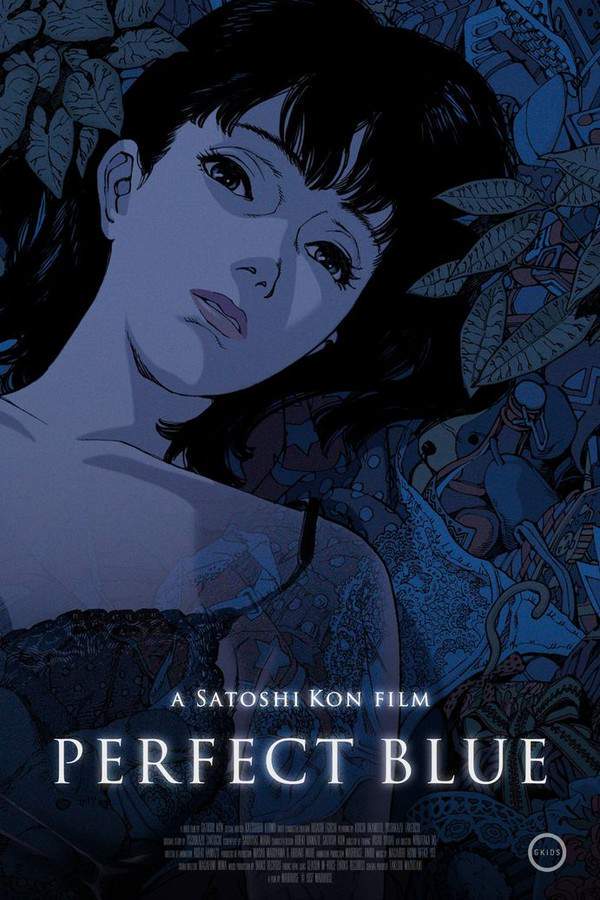
Perfect Blue (1999) movie poster

Timeline

Perfect Blue (1999) Timeline Explained – Every Event in Order

Release, runtime and language
1999 · 81 min · Japanese
JustWatch #367 30
Directed by
Satoshi Kon
Starring
Rica Matsumoto, Yôsuke Akimoto, Masaaki Ôkura, Emi Shinohara, Hideyuki Hori, Junko Iwao

A pop singer, seeking a career change to acting, finds her life spiraling out of control as the lines between her public image and a fictional character she portrays begin to blur. Haunted by an obsessive stalker and struggling to distinguish reality from illusion, she descends into a psychological nightmare where her sense of self is threatened and her grasp on sanity weakens. The unsettling events force her to confront the dark side of fame and the fragility of identity.

On this page (6)
  1. 1 Where to watch
  2. 2 Events in order (15)
  3. 3 Timeline questions answered
  4. 4 Movie threads
  5. 5 Movies like Perfect Blue
  6. 6 Every angle

Where to watch

Where to Watch Perfect Blue (1999)

Where can you watch Perfect Blue? Stream, rent or buy it in the US, including on HBO Max, Amazon Video and Apple TV Store: current JustWatch availability with up-to-date prices.

Streaming availability powered by JustWatch

15 events in order · contains spoilers

Perfect Blue Timeline: Events in Chronological Order

Every key event of Perfect Blue (1999) in order, scene by scene, with when and where it takes place. Use it to untangle flashbacks, time jumps and parallel storylines, to refresh your memory before the sequel or to find the exact scene you are thinking of.

  1. Mima Leaves CHAM!

    Mima Kirigoe, a former member of the J-pop idol group CHAM!, boldly decides to step away from her music career. This choice is met with mixed emotions from fans, especially from an obsessive admirer named Mamoru Uchida, who feels betrayed by her departure from the idol scene.

  2. Me-Mania Begins Stalking

    After Mima's decision to leave her idol group, her obsessive fan, known as Me-Mania, starts to stalk her. Feeling abandoned, he becomes increasingly fixated on her, posing a significant threat to her well-being.

  3. Discovery of 'Mima's Room'

    While grappling with her new path in acting, Mima discovers a disturbing website called 'Mima's Room.' This online diary, filled with intimate details about her life, heightens her anxiety and sense of paranoia.

  4. Support from Rumi and Tadokoro

    As Mima navigates her acting career, she receives support from her manager, Rumi Hidaka, and her agent, Tadokoro. Rumi encourages her to focus on her work and not get distracted by the unsettling website.

  5. Mima Accepts a Challenging Role

    Mima takes on her first significant acting challenge in the television drama 'Double Bind,' which includes a controversial rape scene. Despite Rumi's strong reservations about the role's impact on her, Mima feels compelled to move forward.

  6. Visions of 'the Real Mima'

    During the filming of 'Double Bind,' Mima starts experiencing unsettling visions of her former idol self, who claims to be 'the real Mima.' These hallucinations create a confusing blurring of reality and her acting role.

  7. Mysterious Murders Begin

    As Mima's filming progresses, a series of brutal murders related to her work occur, placing her at the center of a sinister mystery. This escalates her mental turmoil and leads her to question her own innocence.

  8. Memory of a Violent Encounter

    In a shocking recollection, Mima believes she has killed a photographer named Murano during a night filled with confusion and fear. This event intensifies her struggle with reality and identity.

  9. Confrontation with Me-Mania

    During an intense moment on set, Mima finds herself facing off against Me-Mania after he makes an attempt on her life. Drawing on her fear and desperation, she defends herself and knocks him out with a hammer.

  10. Rumi Reveals the Truth

    Following the confrontation, Mima is rescued by Rumi, who leads her to a room that mimics Mima's own. It’s revealed that Rumi had been behind 'Mima's Room' and the associated murders, fixated on reclaiming her perfect idol.

  11. Final Confrontation with Rumi

    Mima and Rumi engage in a frantic confrontation as Rumi's delusions come to the surface. In a moment of chaos, Mima accidentally incapacitates Rumi while she is overwhelmed by her own madness.

  12. Saving Rumi's Life

    Just as Rumi threatens Mima’s future, Mima steps in to save her from being hit by an oncoming truck. This moment becomes a turning point, ending the nightmarish visions that have haunted her.

  13. Mima's Rise to Fame

    In the aftermath of her ordeal, time passes, and Mima gains recognition as a successful actress. Her journey of growth is evident as she reflects on how far she has come since her idol days.

  14. Visit to Rumi in the Institution

    Mima decides to visit Rumi in a mental institution, where the doctor reveals that Rumi remains trapped in her twisted perception of reality, still believing she is a pop idol. Mima reflects on how their tumultuous relationship has shaped her.

  15. Affirmation of Identity

    As Mima leaves the institution, she overhears whispers questioning her identity, pondering if she is merely a lookalike. Confident and revitalized, she smiles at her reflection, declaring, 'No, I’m the real Mima Kirigoe.'

Last updated: November 09, 2024 at 11:18

Was this helpful?

Timeline questions answered

Perfect Blue Timeline Explained: Your Questions Answered

When does it happen, and why in that order? The questions people ask about the chronology of Perfect Blue (1999): time jumps, flashbacks, cause and effect between scenes and the correct order of events, each answered with spoilers.

Q1

Why did Rumi create the Mima's Room website?

Rumi created Mima's Room because she was obsessed with preserving Mima's perfect idol image. As Mima's manager, she couldn't accept Mima's decision to leave CHAM! and pursue acting, viewing it as a betrayal. Rumi built an elaborate fantasy where she could control Mima's idealized image, ultimately orchestrating the murders while believing she was protecting the "real" Mima.

Foreshadowing: Early in the film, Rumi strongly discourages Mima from taking the Double Bind role, showing her resistance to any change in Mima's public image.

  • rumi
  • mimas room
  • stalker
  • obsession
  • manager
Q2

Who was behind the murders in Perfect Blue?

Rumi Hidaka, Mima's own manager, was behind all the murders. She created Mima's Room to monitor and manipulate Mima, and killed people connected to Mima's work, including a photographer named Murano, while suffering from delusions that she was protecting the real Mima or acting out her fantasies.

Foreshadowing: Mima discovers Mima's Room early in the film, establishing that someone close to her has been watching her closely.

  • murders
  • rumi
  • killer
  • mimas room
  • photographer murano
Q3

Why did Mima believe she killed the photographer Murano?

Mima had a psychotic episode caused by her deteriorating mental state. She couldn't distinguish between her acting, her visions of "the real Mima," and reality. When she learned about Murano's murder, her fragmented memories made her believe she was responsible, even though Rumi was actually the killer.

Foreshadowing: During filming, Mima experiences vivid hallucinations of her former idol self, establishing her inability to separate reality from fiction.

  • murano
  • murder
  • psychosis
  • memory
  • hallucinations
Q4

How did the Double Bind role affect Mima's mental state?

The Double Bind role pushed Mima into deeper psychological turmoil because her character had experienced severe trauma, having killed and usurped her sister's identity. This blurred the already thin line between Mima's real life and her acting, with her character's dark identity beginning to merge with her own sense of self.

Foreshadowing: Rumi explicitly warns Mima that taking the rape scene role would damage her, foreshadowing the psychological damage that follows.

  • double bind
  • acting role
  • rape scene
  • identity
  • psychological horror
Q5

Why did Me-Mania start stalking Mima?

Me-Mania (Mamoru Uchida) stalked Mima because he felt betrayed when she left CHAM! He was an obsessive fan who loved her wholesome idol image and couldn't accept her career change to acting, which he saw as a betrayal of everything she represented to him.

Foreshadowing: The film establishes immediately after Mima leaves CHAM! that fans were upset, with Me-Mania being specifically mentioned as someone who took her departure badly.

  • me-mania
  • stalker
  • fan
  • obsession
  • cham
Q6

What was the "real Mima" that Mima kept seeing?

The "real Mima" was a hallucination representing Mima's former idol self. This vision appeared in her idol outfit, claiming to be the authentic Mima that was being "replaced" by her actress career. It was a manifestation of her guilt over leaving CHAM! and her fear that she was losing her true identity.

Foreshadowing: Mima expresses guilt about leaving her idol group early in the film, establishing the emotional conflict that fuels this hallucination.

  • real mim a
  • hallucination
  • idol
  • vision
  • identity
Q7

Why did Rumi attack Mima at the end?

Rumi attacked Mima because her mental breakdown reached its peak. She believed she was the real Mima Kirigoe and that the actress before her was an impostor who had stolen her life. In Rumi's delusion, eliminating Mima would restore her to her "true" identity as the pop idol.

Foreshadowing: Throughout the film, Rumi becomes increasingly controlling about Mima's image and career choices, hinting at her unstable mental state.

  • rumi
  • attack
  • mental breakdown
  • identity
  • delusion
Q8

What does the ending mean when nurses question if Mima is the real Mima?

The ending deliberately blurs the line between reality and perception, suggesting that identity itself may be performative. The nurses' question implies that Mima, the successful actress, might also just be playing a role, continuing the film's theme that "being Mima" is about performance rather than an essential self. Mima's confident declaration that she is the real Mima is both an affirmation and potentially another layer of performance.

Foreshadowing: The entire film builds ambiguity about which Mima is real, the idol, the actress, or the online persona created by Rumi.

  • ending
  • identity
  • real mim a
  • ambiguity
  • reflection
Q9

Why did Mima save Rumi from the truck?

Mima saved Rumi because, despite everything Rumi had done to her, Mima recognized that Rumi was also a victim, of her own delusions and obsessive fixation. This act represents Mima's final rejection of the nightmarish visions and her choice to break free from the cycle of violence and identity confusion that had consumed them both.

Foreshadowing: Earlier, Mima tells Rumi that she wants to be understood, showing her persistent need for genuine connection despite Rumi's actions.

  • truck
  • rescue
  • forgiveness
  • rumi
  • resolution
Q10

What caused Mima's identity crisis?

Mima's identity crisis was caused by multiple overlapping factors: her traumatic transition from idol to actress, her guilt over abandoning her fan base, her violation through the rape scene role, the stalking terror from Me-Mania, and Rumi's manipulation through Mima's Room. These elements combined to make her question which version of herself, the idol, the actress, or the online persona, was the "real" one.

Foreshadowing: The discovery of Mima's Room coincides with Mima's first acting role, setting up the collision of her different identities.

  • identity crisis
  • self
  • breakdown
  • multiple identities
  • confusion
Q11

How are Mima's hallucinations connected to the murders?

Mima's hallucinations of "the real Mima" were not directly causing the murders, Rumi was. However, Rumi was acting on her own delusion that she was protecting the "pure" Mima image. The hallucinations created psychological chaos that made Mima question her own sanity and contributed to her believing she was responsible for Murano's death.

Foreshadowing: The vision of the real Mima appears shortly after Mima discovers Mima's Room, linking Rumi's online creation to Mima's psychological break.

  • hallucinations
  • murders
  • visions
  • reality
  • confusion
Q12

Why was Rumi so obsessed with keeping Mima as an idol?

Rumi's obsession stemmed from her own identity issues. She had dedicated her career to building and managing Mima's idol image, making it the core of her own professional identity. When Mima chose to change careers, Rumi felt her own identity was being destroyed, leading her to create an elaborate fantasy where she could preserve the perfect idol forever.

Foreshadowing: Rumi's entire career is built around Mima, and the film shows her struggle to accept any change in Mima's direction.

  • rumi
  • obsession
  • idol
  • manager
  • identity

Movie threads

More Movies Like Perfect Blue, by Mood & Story

Curated lists built around what makes Perfect Blue tick: the same mood, the same kind of story or the same emotional payoff. Each list explains why these movies belong together.

Psychological Thrillers About Reality and Identity Like Perfect Blue

Stories where the protagonist's grasp on reality fractures and their identity dissolves. For viewers who enjoyed the mind-bending identity crisis in Perfect Blue, this section collects movies where characters struggle with reality vs illusion and face a complete breakdown of their sense of self. These similar psychological thrillers explore the dark side of perception and the fragility of identity.

  • unreliable narrator
  • surreal
  • paranoid
  • disorienting
  • psychological
  • unsettling
  • Tone: dark, unsettling, paranoid
  • Pacing: fast, disorienting
Why these movies?

The story pattern: Narratives in this thread often focus on a central character under extreme duress, whose point of view becomes unreliable. The story structure deliberately confuses the audience, mirroring the protagonist's disorientation, as external threats and internal fears merge into an indistinguishable nightmare where truth is perpetually out of reach.

Why they belong together: Movies are grouped here for their shared focus on the psychological disintegration of a protagonist. They create a cohesive experience through an unsettling, paranoid mood, complex narratives that challenge perception, and a deep exploration of themes like identity, fame, and mental fragility.
Fast-Paced Thrillers of Psychological Descent Like Perfect Blue

A fast-paced, intense plunge into a character's growing fear and isolation. If you liked the relentless anxiety and paranoid descent in Perfect Blue, this list features movies with a similar high-intensity, fast-paced vibe. These thrillers and horrors depict characters spiraling under pressure, creating a disturbing and claustrophobic experience for the viewer.

  • anxious
  • paranoid
  • claustrophobic
  • disturbing
  • fast-paced
  • high-tension
  • Tone: dark, tense, anxious
  • Pacing: fast, relentless
Why these movies?

The story pattern: The narrative pattern involves a catalyst event that triggers a chain reaction of threatening occurrences. The pacing is urgent and relentless, with each new discovery or threat pushing the character deeper into a state of hyper-vigilance and fear, often questioning their own sanity as the world seems to conspire against them.

Why they belong together: These films are united by their ability to generate a sustained feeling of high-anxiety and dread. They share a dark tone, fast pacing, and a focus on the internal horror of a character losing control, making the viewer feel the protagonist's paranoia and claustrophobia firsthand.

If you liked this

Movies Like Perfect Blue

Similar movies to Perfect Blue: the same genre, themes or kind of story. Each one comes with its own plot summary, timeline and ending explained.

Browse all movie summaries

Every angle

Perfect Blue (1999) Explained: Plot, Timeline & Characters

Everything about Perfect Blue in one place: what happens in the plot summary, the timeline in chronological order, the characters and meaning and a spoiler-free summary. What's After the Movie adds the cast, box office and post-credit scenes.

Coming soon on iOS and Android

The Plot Explained Movie Summary App

Plot summaries, endings explained and timelines on your phone. Catch up on any movie in minutes, save your favorites and never miss a twist again.

Be the first to know when we launch. Your email stays private, always.

Learn more about the app