Plot Explained Spoilers guaranteed!
Plot Explained

Browse by genre

Blue Velvet (1986) movie poster

Plot Summary

Blue Velvet (1986) Plot Summary Explained

Release, runtime and language
1986 · 120 min · English
JustWatch #511 108
Directed by
David Lynch
Starring
Dennis Hopper, Kyle MacLachlan, Isabella Rossellini
Budget
$6M

A young man returns to his hometown and discovers a disturbing mystery involving a beautiful, troubled woman and a bizarre, dangerous criminal. As he investigates, he is drawn deeper into a hidden world of obsession, violence, and psychological torment, revealing a dark underbelly beneath the seemingly perfect facade of small-town America. The investigation irrevocably alters the lives of those involved, exposing unsettling truths about human nature and the fragility of innocence.

On this page (6)
  1. 1 Where to watch
  2. 2 What happens: full plot
  3. 3 Plot questions answered
  4. 4 Movie threads
  5. 5 Movies like Blue Velvet
  6. 6 Every angle

Where to watch

Where to Watch Blue Velvet (1986)

Where can you watch Blue Velvet? Stream, rent or buy it in the US, including on Fawesome, Kanopy and Tubi TV: current JustWatch availability with up-to-date prices.

Streaming availability powered by JustWatch

Full plot summary · contains spoilers

What Happens in Blue Velvet: Full Plot Summary

The whole story of Blue Velvet (1986) explained, from the opening scene to the final frame: every key event, every twist and what it all adds up to. Read it as a quick recap before the sequel, to check a scene you missed, or to finally understand what really happened.

In the quaint logging town of Lumberton, Jeffrey Beaumont (Kyle MacLachlan](/actor/kyle-maclachlan)) returns home from college to support his family after his father, Jack (portrayed by Jack Harvey), suffers a near-fatal stroke. Staying with his mother (Priscilla Pointer) and his Aunt Barbara (Frances Bay), he takes on the responsibility of managing his father's hardware store. One day, while walking home from the hospital, he stumbles upon a severed ear buried in the overgrown grass of a vacant lot, a discovery that he places in a paper bag. Driven by curiosity, Jeffrey presents the ear to local police and speaks with Detective John Williams (George Dickerson), a neighbor of his.

That evening, seeking more information, Jeffrey visits Williams at home but finds the detective evasive and receives a strict warning about revealing his findings, as it could compromise the police investigation. Outside the detective's house, he encounters Sandy Williams (Laura Dern), the detective's daughter, who mentions Dorothy Vallens (Isabella Rossellini), a singer under investigation. Intrigued by the burgeoning mystery, Jeffrey concocts a plan to enter Dorothy's apartment by masquerading as an exterminator.

The following day, Jeffrey picks up Sandy from her high school, and they make their way to Dorothy's apartment building. Dorothy, believing Jeffrey’s guise, permits him entry to treat her place for pests. However, during his visit, a man clad in a yellow jacket (Fred Pickler) knocks on the door, giving Jeffrey the chance to swipe Dorothy's spare keys unnoticed.

That night, as Jeffrey and Sandy watch Dorothy perform at the Slow Club, Jeffrey sneaks into her apartment to investigate further. Although Sandy is stationed outside as a lookout, a honking horn meant to signal Jeffrey fails to reach him in time. As he hides in a closet, Dorothy enters, brandishing a knife, and upon realizing he is simply a curious boy, she misinterprets his intentions and forces him into a compromising situation.

Their encounter is abruptly disrupted by Frank Booth (Dennis Hopper), who arrives unannounced. Jeffrey is compelled to hide while witnessing Frank’s disturbing and violent interaction with Dorothy, filled with abject brutality and marked by sinister fetishes. Frank is a volatile sociopath whose need for control and chaos culminates in a frenzy of pleasure and rage. Following this harrowing encounter, a despondent Dorothy attempts to seduce Jeffrey, only to be harshly rebuffed, leaving her in deeper emotional turmoil.

The next day, Jeffrey confides in Sandy about the dark reality he has unraveled. He suspects that Frank has detained Dorothy's husband, Don (played by Dick Green), and their young son Little Donny (Jon Jon Snipes), to coerce sexual favors from her. The denouement reaches a fever pitch when Jeffrey witnesses Dorothy's performance of "Blue Velvet" at the club, where paranoia and danger intertwine. He trails Frank and his gang, gathering evidence of their illicit activities while unearthing chilling truths about the drug-related crime scene.

Driven by a mix of guilt, desperation, and emerging love for Sandy, Jeffrey makes further attempts to rescue Dorothy, culminating in a profound and treacherous relationship that challenges his moral compass. After a series of heart-pounding encounters and a fateful joyride that sees him assaulted, Jeffrey finally resolves to approach the police, only to discover the depths of complicity that entwine Frank with law enforcement.

As tension escalates, a gripping and chaotic confrontation leads Jeffrey to make a fatal choice that brings Frank’s reign of terror to an end. In the aftermath, amidst familial reconnection and newfound hope, the film concludes with a poignant scene illustrating resilience and the bittersweet return to normalcy. Jeffrey and Sandy share a serene moment as they witness the natural beauty around them, symbolizing a fragile yet hopeful resolution where the echoes of past traumas linger — encapsulated in Dorothy's hauntingly beautiful rendition of ". . . and I still can see blue velvet through my tears," as the curtains of their tumultuous lives draw to a close, leaving behind a lingering aura of mystery and melancholy.

Last updated: October 27, 2024 at 17:47

Was this helpful?

Plot questions answered

Blue Velvet Plot Explained: Your Questions Answered

The questions people ask most about Blue Velvet (1986): what happens in the confusing scenes, why the characters do what they do, the twists, hidden details and what the ending means. Each answer contains spoilers.

Q1

Why does Jeffrey continue investigating Dorothy after the detective warns him to stop?

Jeffrey's curiosity is piqued by the mysterious severed ear and Dorothy's connection to the police investigation. Despite Detective Williams' warning, his interest deepens when he meets Sandy Williams, who tells him about Dorothy. The allure of the mystery, combined with his growing feelings for Sandy, compels him to infiltrate Dorothy's apartment under the pretense of being an exterminator. His decision reflects a mix of youthful curiosity, a desire to prove himself, and the thrill of uncovering the hidden darkness in Lumberton.

  • jeffrey
  • detective williams
  • investigation
  • curiosity
  • sandy williams
Q2

How does Frank force Dorothy to comply with his demands?

Frank holds Dorothy's husband Don and their young son Little Donny hostage. Using this leverage, he coerces Dorothy into sexual favors, threatening harm to her family if she refuses. This explains why Dorothy submits to Frank's violent and degrading behavior despite her obvious distress. The captivity of her family is the central mechanism that traps her in the abusive relationship.

  • frank booth
  • dorothy vallens
  • hostage
  • coercion
  • blackmail
Q3

Why does Dorothy try to seduce Jeffrey after Frank's violent visit?

After Frank's brutal attack, Dorothy is emotionally shattered and desperate for any form of connection or control over her own body. When she discovers Jeffrey hiding in her closet, she misinterprets his presence as an opportunity for agency and attempts to seduce him. However, Jeffrey rebuffs her advances, leaving her in deeper emotional turmoil. This moment highlights her psychological fragility and the trauma inflicted by Frank.

  • dorothy vallens
  • trauma
  • seduction
  • emotional breakdown
Q4

What is the significance of the severed ear Jeffrey discovers?

The severed ear is physical evidence linking Frank Booth to criminal activity, likely related to his drug operations and the violent world surrounding Dorothy. When Jeffrey presents it to Detective Williams, the detective recognizes its importance but warns Jeffrey to stay quiet, suggesting the investigation involves more than a simple missing persons case. The ear serves as the catalyst that draws Jeffrey into the dark mystery at the heart of the film.

  • severed ear
  • evidence
  • crime
  • detective williams
Q5

Why is Detective Williams evasive and warning Jeffrey about the investigation?

Detective Williams is evasive because he is complicit in Frank Booth's criminal operations. Later in the film, Jeffrey discovers the disturbing level of police corruption that protects Frank. The detective's warning is not about protecting the investigation but rather about shielding his own involvement and keeping Jeffrey from uncovering the truth that could expose the police-Frank connection.

  • detective williams
  • corruption
  • police
  • frank booth
  • cover-up
Q6

What happens when Frank arrives at Dorothy's apartment while Jeffrey is hiding?

Jeffrey witnesses a harrowing scene of Frank displaying violent, sadistic behavior toward Dorothy. Frank's interaction is filled with brutality, bizarre fetishes, and a disturbing need for control and chaos. The encounter is graphic and traumatic, revealing Frank's volatile sociopathy. Jeffrey is forced to hide and watch, helpless to intervene without revealing himself and facing deadly consequences.

Foreshadowing: Earlier references to Frank as a dangerous criminal and Dorothy's fearful demeanor hint at the violence Jeffrey will eventually witness.

  • frank booth
  • dorothy apartment
  • violence
  • confrontation
  • trauma
Q7

Why does Jeffrey keep going back to help Dorothy despite the danger?

Jeffrey is driven by a combination of guilt, compassion, and emerging love for Sandy. After learning that Frank is holding Dorothy's family hostage, Jeffrey feels responsible for her plight. His guilt over witnessing her abuse and doing nothing, coupled with his love for Sandy, motivate him to attempt rescuing her. However, his moral compass becomes increasingly compromised as he becomes an active participant in the dangerous situation.

  • jeffrey
  • dorothy
  • sandy
  • guilt
  • rescue attempt
Q8

What is the connection between Frank Booth and the police?

Frank Booth has significant corrupt ties to the Lumberton police department, specifically Detective Williams. This explains why the detective warns Jeffrey to stay away from the investigation and why the police seem ineffective in stopping Frank's criminal activities. The corruption allows Frank to operate with impunity, using both illegal violence and police protection to maintain control over his operations and the people in his grasp.

Foreshadowing: Detective Williams' evasiveness and warning about the investigation foreshadows his involvement with Frank.

  • frank booth
  • police corruption
  • detective williams
  • criminal network
Q9

What happens in the final confrontation between Jeffrey and Frank?

Tension escalates to a chaotic showdown where Jeffrey and Frank directly confront each other. During this climactic encounter, Jeffrey makes a fatal choice that kills Frank, ending his reign of terror. The confrontation represents Jeffrey's transition from curious observer to active participant who must take decisive, violent action to stop the threat. The climax brings resolution to the immediate danger but comes at significant personal cost.

  • jeffrey
  • frank booth
  • confrontation
  • climax
  • death
Q10

What does the ending scene with Sandy and the blue velvet symbolize?

The ending shows Jeffrey and Sandy witnessing the natural beauty of Lumberton, symbolizing a fragile return to normalcy after the trauma they experienced. Dorothy's haunting final performance of "Blue Velvet" echoes through the conclusion, representing how the discoveries and traumas have left an indelible mark. The blue velvet symbolizes both the lingering sadness and the complex, layered nature of reality beneath the surface perfection of small-town America. The resolution is bittersweet, hope exists, but the darkness witnessed cannot be fully erased.

Foreshadowing: The recurring motif of "Blue Velvet" throughout the film foreshadows its importance as the lingering echo of the entire ordeal.

  • ending
  • sandy
  • blue velvet
  • symbolism
  • resolution
  • bittersweet
Q11

How does Jeffrey's involvement change him throughout the film?

Jeffrey starts as an innocent college student returning home, but his curiosity draws him into a morally complex world. He transitions from passive observer to active participant, concealing evidence, infiltrating apartments, and ultimately committing violence. His moral compass shifts as he becomes complicit in the very criminal world he sought to expose. By the climax, he has been assaulted, has witnessed extreme trauma, and must make life-or-death decisions, fundamentally altering his character and understanding of the world's darkness.

  • jeffrey
  • moral compromise
  • character arc
  • innocence
  • transformation

Movie threads

More Movies Like Blue Velvet, by Mood & Story

Curated lists built around what makes Blue Velvet tick: the same mood, the same kind of story or the same emotional payoff. Each list explains why these movies belong together.

Movies like Blue Velvet that explore dark secrets beneath small-town perfection

Stories where idyllic communities hide sinister secrets and hidden depravity. If you liked Blue Velvet's exploration of the sinister underbelly of a quiet town, you'll find similar unsettling stories here. These movies delve into the dark secrets and hidden corruption lurking behind the peaceful facade of seemingly perfect communities, often with psychological tension and disturbing revelations.

  • unsettling
  • claustrophobic
  • anxious
  • voyeuristic
  • oppressive
  • sinister
  • Tone: dark, unsettling
  • Pacing: variable, investigative
Why these movies?

The story pattern: The narrative typically begins in a seemingly peaceful, ordinary setting before a chance discovery or event triggers an investigation. The protagonist, often an outsider or returning resident, is drawn deeper into a web of secrets, encountering characters who embody the community's hidden corruption. The journey exposes a fundamental darkness that challenges the very idea of safety and normality.

Why they belong together: Movies are grouped here for their shared focus on the theme of concealed darkness within idealized settings. They create a consistent mood of cognitive dissonance and creeping dread as the protagonist's investigation peels back layers of normalcy to reveal a disturbing truth.

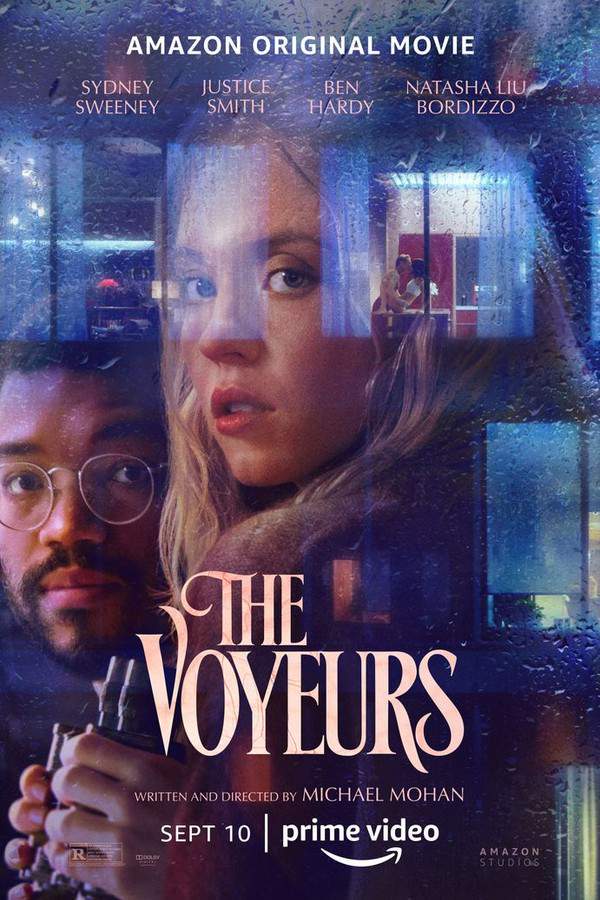
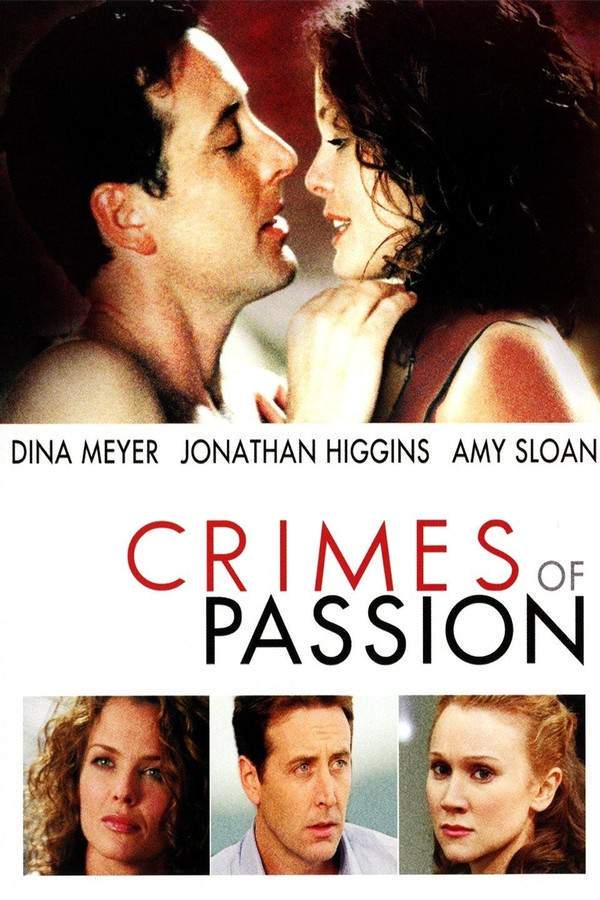
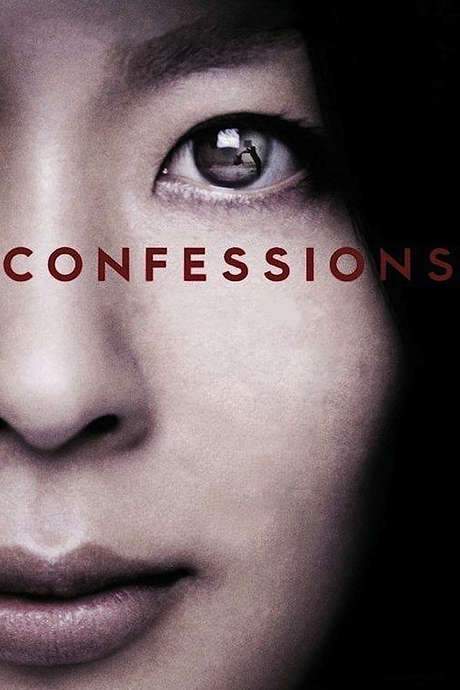
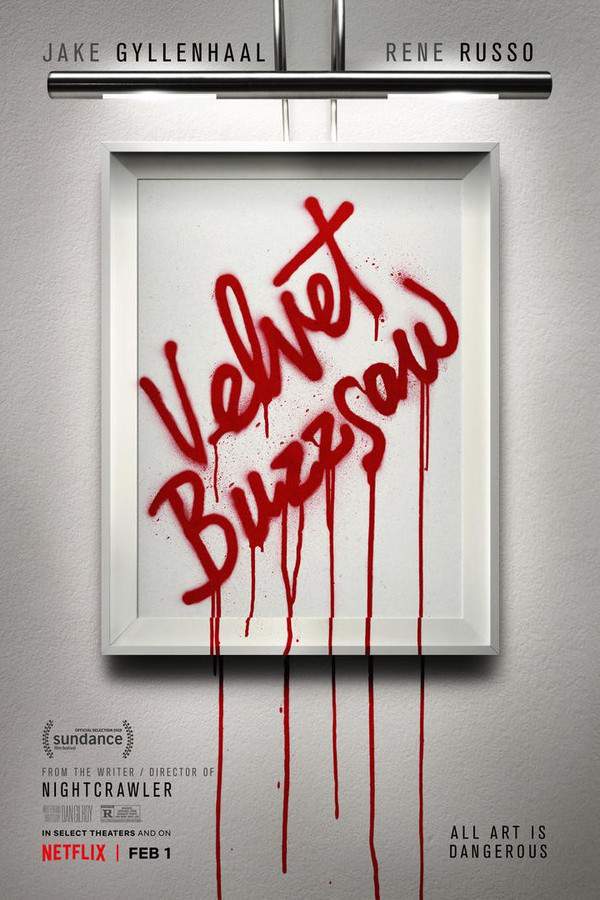
Psychological thrillers with a voyeuristic descent like Blue Velvet

Protagonists who become morally compromised as they witness hidden depravity. For viewers who appreciated Blue Velvet's theme of a protagonist being drawn into a world of obsession and violence, this section collects movies about characters who cross the line from observer to participant. These stories feature a psychologically intense journey into darkness, moral compromise, and confronting hidden human depravity.

  • voyeuristic
  • psychologically intense
  • disturbing
  • anxious
  • nightmarish
  • oppressive
  • Tone: dark, psychologically intense
  • Pacing: variable, suspenseful
Why these movies?

The story pattern: The plot is catalyzed by a character's decision to spy on or investigate something they shouldn't. This initial act of voyeurism spirals into a deeper involvement, forcing the protagonist to confront disturbing realities and often powerful, manipulative antagonists. The character arc is defined by a loss of innocence and a struggle to maintain their own morality while being exposed to extreme psychological pressure.

Why they belong together: These films are united by the specific character journey of a voyeuristic descent. They share a high-intensity, claustrophobic mood where the protagonist's sanity and ethics are tested, creating a deeply immersive and anxiety-inducing experience for the viewer.

If you liked this

Movies Like Blue Velvet

Similar movies to Blue Velvet: the same genre, themes or kind of story. Each one comes with its own plot summary, timeline and ending explained.

Browse all movie summaries

Every angle

Blue Velvet (1986) Explained: Plot, Timeline & Characters

Everything about Blue Velvet in one place: what happens in the plot summary, the timeline in chronological order, the characters and meaning and a spoiler-free summary. What's After the Movie adds the cast, box office and post-credit scenes.

Coming soon on iOS and Android

The Plot Explained Movie Summary App

Plot summaries, endings explained and timelines on your phone. Catch up on any movie in minutes, save your favorites and never miss a twist again.

Be the first to know when we launch. Your email stays private, always.

Learn more about the app