Plot Explained Spoilers guaranteed!
Plot Explained

Browse by genre

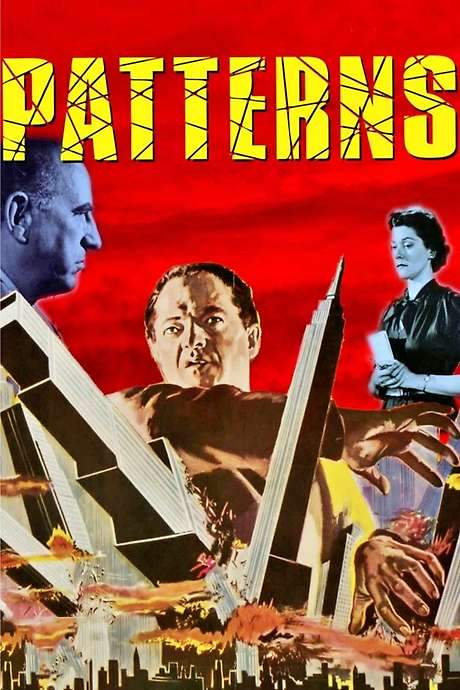
Patterns (1956) movie poster

Characters & Themes

Patterns (1956) Characters, Setting & Themes Explained

Release, runtime and language
1956 · 83 mins · English
Loading streaming availability…
Directed by
Fielder Cook
Starring
Edward Binns, Van Heflin, Joanna Roos, Ed Begley, Andrew Duggan, Beatrice Straight

Ruthless men and ambitious women battle for control of a billion‑dollar empire. Ohio plant operator Staples is hired as an executive at Ramsey & Co. in New York, befriending longtime VP Briggs. CEO Walter Ramsey, who inherited the firm, eyes Staples as Briggs’s replacement but refuses to fire Briggs, humiliating and sabotaging him until he quits.

On this page (8)
  1. 1 Where to watch
  2. 2 Characters explained (4)
  3. 3 Where & when it takes place
  4. 4 Themes & meaning (3)
  5. 5 Character & meaning questions
  6. 6 Movie threads
  7. 7 Movies like Patterns
  8. 8 Every angle
Loading streaming availability…

4 main characters · contains spoilers

Patterns Characters Explained: Who Is Who

The main characters of Patterns (1956), heroes and villains: what drives them, how they change over the course of the story and what each of them reveals about the film's bigger ideas.

  • Walter Ramsey (Everett Sloane)

    The ruthless, charismatic head of Ramsey & Company who reshapes the firm with a modern, profit-first mindset. He uses calculated manipulation to pressure rivals and subordinates, aiming to secure a successor who can match his ambition. His actions initiate Briggs's downfall and set Staples on a volatile path. He treats people as leverage in a larger corporate game.

    • 💼 Power
    • 🧠 Strategy
    • 🎭 Ruthlessness
  • Fred Staples (Van Heflin)

    A young industrial engineer whose performance earns him a top role, yet he is torn between loyalty to Briggs and the lure of the presidency. He weighs personal ambition against the ethical costs of Ramsey's methods. His wife’s support adds a personal dimension to his career-driven dilemma. He struggles to balance influence with integrity as he navigates corporate politics.

    • 💼 Ambition
    • 🧭 Loyalty
    • ⚖️ Dilemma
  • Bill Briggs (Ed Begley)

    A longtime, principled executive who prioritizes people and long-term viability over ruthless efficiency. His health declines under relentless pressure, highlighting the personal toll of the corporate culture. He clashes with Ramsey’s modern methods, embodying the conflict between tradition and profit-driven leadership. His death marks a turning point in the corporate power struggle.

    • 🕰️ Experience
    • 🤝 Loyalty
    • 💔 Pressure
  • Nancy Staples (Beatrice Straight)

    Staples's wife, who provides emotional support and a counterpoint to the cutthroat corporate world. She represents the personal costs of career-driven decisions on family life. Her presence grounds Staples and offers a viewpoint on work-life balance amid the power struggle. She embodies the human side of a man navigating ambition and loyalty.

    • 👩‍👧‍👦 Family
    • 💬 Support
    • ⚖️ Balance

Last updated: December 10, 2025 at 12:31

Was this helpful?

Setting

Where and When Does Patterns Take Place?

The setting of Patterns (1956): the year and time period, the places and locations, and how they shape the characters, the mood and the tension of the story.

Time period

Location

Manhattan, New York, Ohio

The film centers on a Manhattan-based industrial empire, Ramsey & Company, headquartered in a sleek corporate world. It juxtaposes this urban HQ with an Ohio factory that feeds the company's growth. The story unfolds in boardrooms and executive offices, highlighting the clash between a ruthless headquarters and the operatives on the factory floor.

  • 💼 Corporate hub
  • 🏙️ Urban landscape
  • 🏭 Industrial empire

Last updated: December 10, 2025 at 12:31

Was this helpful?

3 major themes

Patterns Meaning: Themes & Message Explained

What is Patterns (1956) really about? The emotional, social and philosophical themes the film keeps returning to, its symbolism and the message beneath the surface.

  • Corporate Power

    Walter Ramsey uses power and manipulation to push his agenda, showing a profit-first mindset that can humiliate or sideline loyal staff. The drama focuses on how leadership reshapes people and operations to fit a larger plan. Staples finds himself torn between ambition and ethical concerns as he rises under Ramsey's pressure. Briggs embodies the old guard who pays the price of resisting this modern regime.

  • Legacy and Loyalty

    Briggs's forty-year tenure represents a life devoted to the company and its people, pitted against a host of new corporate tactics. Staples must choose between loyalty to an aging mentor and his own career prospects. The wife’s perspective hints at the personal cost of executive decisions, showing the human side of corporate loyalty. The tension between legacy and renewal drives the emotional core of the story.

  • Tradition vs Modernity

    The old-school care for workers collides with a modern, profit-driven approach that prioritizes efficiency. The boardroom confrontation raises ethical questions about whether success justifies the cost to people. Briggs's decline underscores the human consequences of ruthless modernization. Staples's choice to stay signals the possibility of reforming from within rather than abandoning ship.

Last updated: December 10, 2025 at 12:31

Was this helpful?

Character & theme questions

Patterns Characters & Meaning: Your Questions Answered

The questions people ask about Patterns (1956): who the characters really are, their relationships, what the symbols mean, where it takes place and what the movie is really about. Each answer contains spoilers.

Q1

Where is the corporate headquarters located in the movie?

Ramsey & Company is headquartered in Manhattan, New York, operating from a sleek corporate hub. The film contrasts this urban headquarters with an Ohio factory that feeds the company's growth, highlighting the divide between the executive boardrooms and the factory floor.

  • manhattan headquarters
  • new york office
  • ohio factory
  • corporate setting
Q2

What are the main themes explored in the film?

The movie explores three interconnected themes: Corporate Power, which examines how ruthless leadership manipulates employees for profit; Legacy and Loyalty, focusing on the tension between dedicated older employees and ambitious newcomers; and Tradition vs Modernity, depicting the clash between old-school worker care and modern profit-driven efficiency.

  • corporate power
  • legacy loyalty
  • tradition modernity
  • themes
Q3

Who is Walter Ramsey in the story?

Walter Ramsey is the ruthless, charismatic CEO of Ramsey & Company who inherited the firm. He operates with a profit-first mindset, using calculated manipulation to pressure both rivals and subordinates. He treats people as leverage in his larger corporate game and initiates the downfall of loyal employees like Briggs.

  • walter ramsey
  • ceo
  • corporate leader
  • ruthless
Q4

Who is Fred Staples in the movie?

Fred Staples is a young industrial engineer hired from an Ohio plant to work at Ramsey & Company in New York. His performance earns him a top role, but he becomes torn between loyalty to the aging VP Briggs and the lure of career advancement under Ramsey's pressure. He represents the moral dilemma of ambition versus ethics.

  • fred staples
  • industrial engineer
  • protagonist
  • ambition
Q5

Who is Bill Briggs in the film?

Bill Briggs is a longtime, principled executive with forty years of tenure at Ramsey & Company. He prioritizes people and long-term viability over ruthless efficiency, embodying the old guard who resists modern corporate tactics. His health declines under Ramsey's relentless pressure, and his death becomes a turning point in the power struggle.

  • bill briggs
  • veteran executive
  • loyal employee
  • ethics
Q6

What does the Corporate Power theme represent in the story?

The Corporate Power theme shows how Walter Ramsey uses manipulation and authority to reshape the company, humiliating or sidelining loyal staff to push his agenda. It demonstrates how leadership can reshape people and operations to fit a larger profit-driven plan, with Staples finding himself torn between ambition and ethical concerns.

  • corporate manipulation
  • power dynamics
  • leadership
  • profit first
Q7

What does the Legacy and Loyalty theme examine?

The Legacy and Loyalty theme examines the cost of dedication to a company, as seen through Briggs's forty-year tenure devoted to the company and its people. Staples must choose between loyalty to this aging mentor and his own career prospects. The theme also explores the personal cost of executive decisions on families, showing the human side of corporate loyalty.

  • loyalty
  • legacy
  • mentor relationship
  • dedication
Q8

What is the Tradition vs Modernity conflict about?

The Tradition vs Modernity conflict depicts the collision between old-school care for workers and a modern, profit-driven approach that prioritizes efficiency over people. It raises ethical questions about whether success justifies the cost to individuals. Briggs's decline illustrates the human consequences of ruthless modernization.

  • tradition
  • modernization
  • efficiency
  • workers
Q9

How do the settings in Manhattan and Ohio contrast?

The Manhattan headquarters represents a sleek, modern corporate world of boardrooms and executive offices where power games are played. The Ohio factory represents the operational backbone, workers on the factory floor who actually produce the company's wealth. This contrast highlights the clash between the ruthless headquarters and the operatives who sustain the business.

  • manhattan
  • ohio
  • factory vs office
  • corporate hierarchy
Q10

What role does Nancy Staples play in the story?

Nancy Staples is Fred Staples's wife, providing emotional support throughout his career dilemma. She represents the personal costs of career-driven decisions on family life and offers a counterpoint to the cutthroat corporate world. Her presence grounds Staples and provides a viewpoint on work-life balance amid the power struggle.

  • nancy staples
  • supportive wife
  • family cost
  • personal dimension
Q11

What is the overall tone and mood of the movie?

The film has a predominantly dark tone, reflecting the serious, cutthroat nature of big business and the personal tragedy that unfolds. The intensity is high due to relentless psychological pressure and a hostile work environment where a man is systematically destroyed for corporate gain. There is no humor, pronounced sadness due to Briggs's fate, and romance serves only as a minor motivational factor.

  • dark tone
  • intense mood
  • psychological pressure
  • corporate drama

Movie threads

More Movies Like Patterns, by Mood & Story

Curated lists built around what makes Patterns tick: the same mood, the same kind of story or the same emotional payoff. Each list explains why these movies belong together.

Ruthless corporate dramas like Patterns

Stories of ambition and moral decay within high-stakes business empires. If you were captivated by the cutthroat world of Patterns, explore more movies that dive into the dark side of corporate ambition. These films feature intense power struggles, moral compromises, and high-stakes psychological drama in the boardroom.

  • cutthroat
  • morally conflicted
  • oppressive
  • tense
  • stressful
  • ambitious
  • Tone: dark, tense, morally conflicted
  • Pacing: steady, methodical
Why these movies?

The story pattern: Stories in this thread typically follow an individual entering a powerful, established system, only to become entangled in a ruthless power struggle. The central conflict is often psychological, pitting personal integrity against institutional pressure, and culminating in a moral crisis or a bleak acceptance of the system's corrupt nature.

Why they belong together: These movies are grouped by their shared focus on the dark, often soul-crushing nature of corporate life. They share a high-intensity, oppressive mood, a steady pacing that builds psychological pressure, and a heavy emotional weight derived from themes of manipulation, ambition, and ethical erosion.
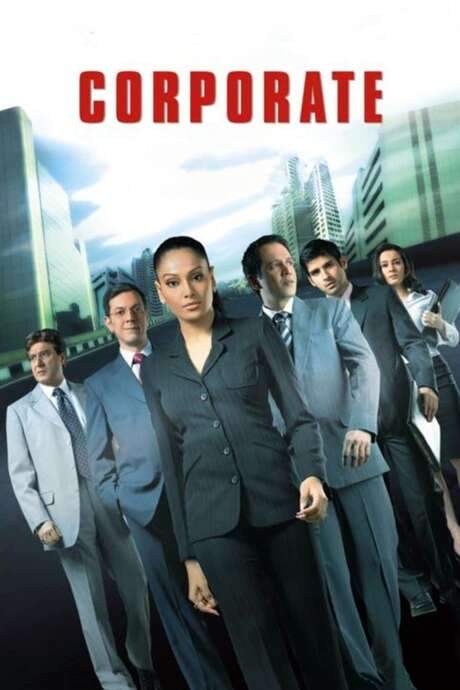
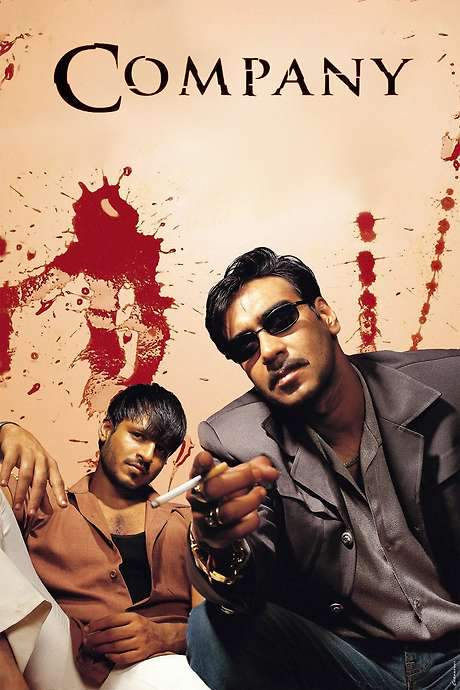
High-tension moral dilemmas like in Patterns

Narratives where relentless psychological pressure forces impossible choices. For viewers who appreciated the unbearable tension and moral oppression of Patterns, this collection highlights movies with similar slow-building psychological pressure. These stories focus on characters facing systematic manipulation and heavy ethical choices.

  • anxious
  • oppressive
  • somber
  • stressful
  • tense
  • morally conflicted
  • Tone: dark, oppressive, somber
  • Pacing: steady, building pressure
Why these movies?

The story pattern: The narrative pattern involves a character being subjected to steady, increasing psychological strain from a powerful antagonist or system. There are no physical escapes; the conflict is internal and moral, often resulting in the breakdown of a character's well-being or principles, and leaving the audience with a somber, mixed-feeling resolution.

Why they belong together: These films are united by their ability to create a sustained, anxious mood through psychological tension rather than action. They share a dark tone, steady pacing that amplifies unease, straightforward storytelling focused on internal conflict, and a heavy emotional weight centered on moral dilemmas and their distressing consequences.

If you liked this

Movies Like Patterns

Similar movies to Patterns: the same genre, themes or kind of story. Each one comes with its own plot summary, timeline and ending explained.

Browse all movie summaries

Every angle

Patterns (1956) Explained: Plot, Timeline & Characters

Everything about Patterns in one place: what happens in the plot summary, the timeline in chronological order, the characters and meaning and a spoiler-free summary. What's After the Movie adds the cast, box office and post-credit scenes.

Coming soon on iOS and Android

The Plot Explained Movie Summary App

Plot summaries, endings explained and timelines on your phone. Catch up on any movie in minutes, save your favorites and never miss a twist again.

Be the first to know when we launch. Your email stays private, always.

Learn more about the app