Plot Explained Spoilers guaranteed!
Plot Explained

Browse by genre

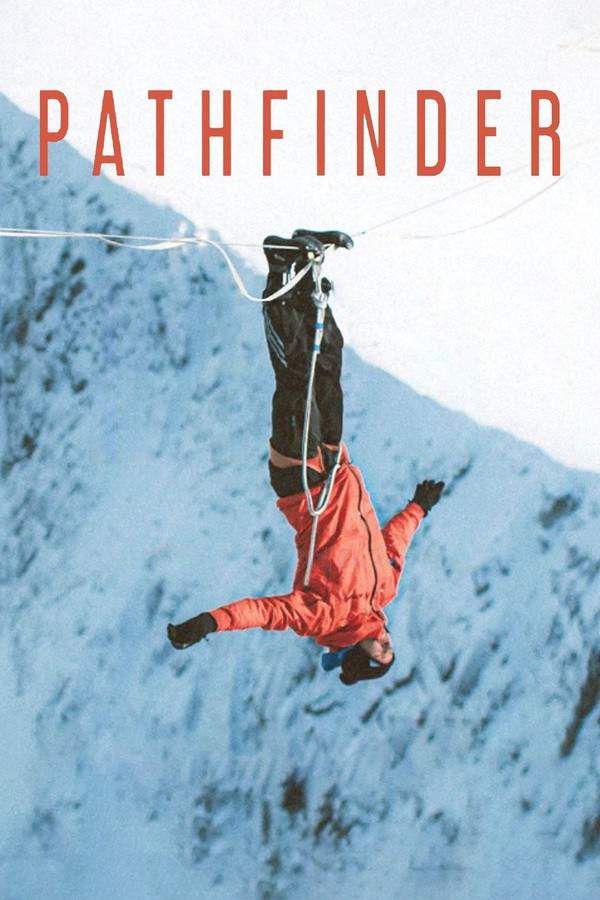
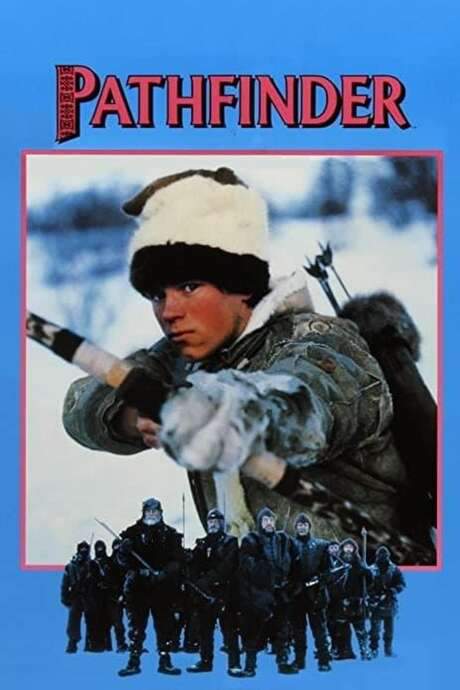
Pathfinder (1987) movie poster

Plot Summary

Pathfinder (1987) Plot Summary Explained

Release, runtime and language
1987 · 86 mins · Northern Sami
Directed by
Nils Gaup
Starring
Mikkel Gaup, John Sigurd Kristensen, Knut Walle, Nils Utsi, Sverre Porsanger, Svein Scharffenberg

In 1000 AD, marauding “tjuder” raid northern Scandinavia, killing a family and leaving teenage son Aigin as the sole survivor. He flees to a Sámi camp, where the hunters plan a coastal escape. Captured, Aigin is forced to guide the invaders to the remaining Sámi, but he plots revenge, intending to destroy them before they reach the settlement.

On this page (5)
  1. 1 What happens: full plot
  2. 2 Plot questions answered
  3. 3 Movie threads
  4. 4 Movies like Pathfinder
  5. 5 Every angle

Full plot summary · contains spoilers

What Happens in Pathfinder: Full Plot Summary

The whole story of Pathfinder (1987) explained, from the opening scene to the final frame: every key event, every twist and what it all adds up to. Read it as a quick recap before the sequel, to check a scene you missed, or to finally understand what really happened.

In Finnmark around AD 1000, Aigin [Mikkel Gaup] returns from a lone hunting trip to a village torn apart by a brutal raid. He is wounded and bloodied, his hiding place betrayed by a tumbling ski, as crossbow bolts whistle through the cold air from a ruthless raid by the Chudes. He manages to escape and seeks shelter with a nearby Sámi community, where his arrival unsettles a tense balance of fear, loyalty, and duty.

Raste [Nils Utsi], the revered noaidi, tends to Aigin’s injuries and becomes a focal point in a heated debate that splits the survivors. Some argue for immediate armed resistance, while others advocate a desperate, long shot: retreat toward the coast in hopes of finding aid from others who share their culture. As the group weighs its options, a core faction stays behind to confront the Chudes, while the rest head toward the shoreline, seeking safety in distance from the raiders.

The fight that follows is brutal and unequal. The Chudes overwhelm the Sámi hunters who choose to confront them, and only Aigin, who has hidden himself, survives the initial massacre. Raste, the storyteller and healer, is kept alive briefly by the invaders, only to be tortured for information. In a pivotal, costly moment, Aigin steps forward, revealing himself to the Chudes and offering to guide them to the coastal settlement. In a cruel turn, Raste is killed in secret by the Chudes, who steal his personal knife, a symbol of his authority and the pathfinding tradition he embodies.

When the Sámi reach the coast, they find the village largely empty—most men are away on a hunting expedition—and they must shadow the Chudes’ approach. They observe in silence as Aigin leads the raiders, and his actions label him a traitor in the eyes of the coastal group. The loss of Raste’s knife in the hands of a fierce Chude becomes a stark clue for Aigin: the path that once connected their people to safety and guidance has been severed, but so too does a new, dangerous possibility emerge.

Determined to salvage some honor and protect his people, Aigin conceives a dangerous ruse. He recognizes that direct resistance will likely fail against the Chudes’ numbers, so he opts for a calculated, perilous trap in the mountains. He lures the raiders onto treacherous terrain, forcing them to bind themselves with rope for security as they press onward along a narrow, perilous route.

The pursuit becomes a deadly test of nerve and skill. Aigin leads the Chudes along a thin path over a frozen precipice, then seizes his chance to disentangle himself and slip away. In the ensuing chaos, several Chudes tumble from the edge, and their leaders order their own ropes cut to save themselves from being yanked over the cliff by their frightened followers. Aigin clings to the ice and rock, clawing upward while the vengeful Chude leaders close in, intent on finishing him.

As the chase spirals toward its climax, Aigin triggers an avalanche by shaking loose the snow and rock beneath the raiders, sending a wall of ice and debris crashing down. The remaining Chudes are swept away, and the Sámi watching from above realize that their purported savior has become a figure of awe and reconciliation—though Aigin himself is still alive and fighting for breath at the cliff’s edge.

The Northern Lights ripple overhead as he crawls into sight, and the vision he experiences—of a powerful bull reindeer—seems to seal a deep, mystical bond with his people and their land. He finally reaches the coastal village, returning with a quiet, defiant presence that surprises the Sámi waiting there. He carries more than a survivor’s tale; he holds a myth in the making, challenging the old beliefs about who guides and who saves.

In the tense, ceremonial moment that follows, Aigin tries to return Raste’s mystic drum to the group, uttering the line, > you've lost your pathfinder. The village matriarch responds with a quiet wisdom that signals a transformation: "that’s true, but we’ve also found one." The film closes with the Sámi gathered around the fire, their positions echoing the figures etched on the mystic drum, and Aigin stepping into the pathfinder’s place, a living symbol of guidance, courage, and the enduring bond between people and land.
Last updated: February 18, 2026 at 23:44

Was this helpful?

Plot questions answered

Pathfinder Plot Explained: Your Questions Answered

The questions people ask most about Pathfinder (1987): what happens in the confusing scenes, why the characters do what they do, the twists, hidden details and what the ending means. Each answer contains spoilers.

Q1

Why did Aigin reveal himself to the Chudes instead of staying hidden?

Aigin revealed himself to stop the Chudes from torturing the captured Sámi, including Raste. He made the painful decision to guide the raiders to the coastal settlement in exchange for ending their torture. This act, while saving others from immediate suffering, forced him to endure being labeled a traitor by his own people.

Foreshadowing: Earlier, Aigin had already lost his family to the Chudes and understood their brutality firsthand.

  • aigin
  • chudes
  • reveal
  • torture
  • raste
  • betrayal
Q2

How did Raste die and why was his knife taken?

After being captured during the battle, Raste was tortured for information by the Chudes. He was killed in secret, and the raiders stole his personal knife, a symbol of his authority as noaidi and the pathfinding tradition. The stolen knife became Aigin's crucial clue that Raste was dead and that the Sámi needed a new plan.

Foreshadowing: Raste had declared seeing his spirit bull for the final time, foreshadowing his death.

  • raste
  • death
  • knife
  • torture
  • noaidi
  • chudes
Q3

Why did the coastal Sámi think Aigin was a traitor?

The coastal Sámi watched from hiding as Aigin led the Chudes directly to their settlement. They didn't know his true plan, he was actually guiding the raiders into a trap. To them, it appeared he had betrayed his people by leading enemies to their door, which is why they viewed him as a traitor until his full scheme became clear.

Foreshadowing: Aigin had previously been accepted by the Sámi after escaping the massacre of his own family.

  • aigin
  • traitor
  • betrayal
  • coastal village
  • chudes
Q4

How did Aigin plan to trap the Chudes in the mountains?

Aigin recognized that direct resistance would fail against the Chudes' superior numbers, so he devised a ruse. He led them along a narrow, treacherous mountain path where they had to rope themselves together for safety. This forced the raiders into a vulnerable position on precarious terrain where a single misstep could disaster.

Foreshadowing: Earlier debates among the Sámi showed divisions between fighting and retreating, setting up Aigin's alternative strategy.

  • aigin
  • trap
  • mountains
  • rope
  • chudes
  • escape
Q5

What caused the avalanche that destroyed the Chudes?

As the Chude leaders closed in on Aigin at the cliff's edge, he deliberately shook loose the snow and rock beneath them. This triggered a massive avalanche that swept away the remaining raiders. The Chudes had already cut their own ropes to avoid being pulled over the edge by falling comrades, leaving them vulnerable to the cascading ice and debris.

Foreshadowing: The dangerous mountain path had forced the Chudes to bind themselves with ropes earlier, creating the conditions for this disaster.

  • avalanche
  • cliff
  • chudes
  • snow
  • escape
Q6

What did Aigin's vision of the bull reindeer mean?

After surviving the avalanche and climbing back up the cliff, Aigin saw the Northern Lights overhead and experienced a mystical vision of a powerful bull reindeer. This vision confirmed his destiny as the new pathfinder for the Sámi, a spiritual affirmation that he had been chosen to lead and protect his people, replacing Raste in both practical and mystical terms.

Foreshadowing: Raste had previously announced seeing his own spirit bull for the last time, indicating the transition of spiritual leadership.

  • vision
  • bull
  • reindeer
  • northern lights
  • destiny
  • pathfinder
Q7

Why was the coastal village empty when the Sámi arrived?

When the inland Sámi reached the coastal settlement seeking help, they found most of the men away on a hunting expedition. This left the village vulnerable and forced the remaining Sámi to watch the Chudes' approach in secret, unable to mount a direct defense.

Foreshadowing: The timeline mentioned the debate about retreating to the coast for aid from others who shared their culture.

  • coastal village
  • empty
  • hunting
  • men away
Q8

How did Aigin free himself from the rope while leading the Chudes?

Aigin led the Chudes along a narrow mountain path where they were roped together for safety. Once he positioned them on the precarious ledge, he carefully unthreaded himself from the rope system, escaping while the Chudes remained bound together on the unstable ground. This allowed him to slip away and initiate his trap.

Foreshadowing: Aigin had shown survival skills earlier by escaping the initial massacre of his family.

  • aigin
  • rope
  • escape
  • mountain path
  • chudes
Q9

What does pathfinder mean in the film's ending?

The term pathfinder refers to the traditional Sámi guide and leader who navigates dangerous terrain and leads the community to safety. When Aigin returns the mystic drum and says 'you've lost your pathfinder,' the matriarch replies they have also found one, indicating Aigin has inherited Raste's spiritual and practical role as the community's guide and protector.

Foreshadowing: Raste's knife, stolen by the Chudes, symbolized the pathfinding tradition that Aigin would restore.

  • pathfinder
  • leader
  • guide
  • drum
  • matriarch
  • tradition
Q10

Why did the Chudes raid the Sámi settlements?

The Chudes were marauding raiders who attacked northern Scandinavia in 1000 AD. They slaughtered families, captured survivors for torture, and stole valuable items like Raste's knife. Their motivation was plunder and violence, with no regard for the Sámi people beyond extracting information and goods.

Foreshadowing: Raste's omen of seeing his spirit bull for the last time foreshadowed this threat.

  • chudes
  • raid
  • violence
  • plunder
  • marauders
Q11

Why did the Sámi split into different groups during the Chude attack?

The Sámi community divided over how to respond to the Chude threat. Some wanted immediate armed resistance, while others advocated retreating toward the coast to find aid from other Sámi groups. This philosophical split caused tension, those who stayed to fight were quickly killed, while those who retreated survived but had to witness Aigin leading the raiders.

Foreshadowing: The debate reflected deeper questions about courage versus survival that would define the film's outcome.

  • saami
  • debate
  • fight
  • retreat
  • split
  • group
Q12

What was the significance of Raste's mystic drum?

The mystic drum was a sacred Sámi object that represented their spiritual beliefs and traditional knowledge. The symbols etched on it depicted the positions the Sámi would eventually take around the fire at the film's end, with Aigin stepping into the pathfinder's place. Returning the drum symbolized restoring cultural continuity and passing leadership to a new generation.

Foreshadowing: The drum's imagery literally predicted the community's final gathering formation.

  • drum
  • mystic
  • symbols
  • tradition
  • pathfinder
  • raste
Q13

How did Aigin survive the avalanche and the cliff climb?

Aigin triggered the avalanche to destroy the Chudes, then clung desperately to the cliff face as the ice and debris swept away the raiders. He clawed his way upward through the snow and rock, exhausted and fighting for breath, until he reached the top where he experienced his vision of the spirit bull. His survival demonstrated both physical endurance and spiritual destiny.

Foreshadowing: His earlier escape from the family massacre showed his ability to survive against overwhelming odds.

  • aigin
  • survival
  • avalanche
  • cliff
  • climb
  • endurance

Movie threads

More Movies Like Pathfinder, by Mood & Story

Curated lists built around what makes Pathfinder tick: the same mood, the same kind of story or the same emotional payoff. Each list explains why these movies belong together.

Revenge and Survival movies like Pathfinder

Desperate protagonists pushed to the brink, driven by revenge and survival. If you enjoyed the high-stakes chase and personal revenge mission in Pathfinder, you'll find similar gripping tales here. These movies feature desperate survival scenarios, intense manhunts, and protagonists pushed to their absolute limits in harsh environments.

  • tense
  • gripping
  • desperate
  • revenge
  • brutal
  • suspenseful
  • Tone: tense, bleak
  • Pacing: fast, relentless
Why these movies?

The story pattern: These stories typically begin with a devastating inciting incident, such as an attack on the protagonist's community or family. The plot follows a linear, fast-paced path as the protagonist becomes both hunter and hunted, using their knowledge of the environment to outmaneuver a more powerful enemy, culminating in a final, brutal confrontation.

Why they belong together: Movies are grouped here because they share a core narrative of survival intertwined with revenge, creating a tense and emotionally heavy experience. They feature high-intensity action, bleak settings, and a focus on the physical and psychological toll of the journey.

Bittersweet cultural survival stories like Pathfinder

Stories where survival comes at a great cost but preserves a way of life. Find more movies like Pathfinder that explore themes of indigenous survival and cultural resilience. These films often feature a bittersweet ending where the community endures, but the cost of survival weighs heavily on the characters.

  • tragic
  • hopeful
  • spiritual
  • desperate
  • cultural
  • bittersweet
  • Tone: bittersweet, tragic, hopeful
  • Pacing: fast-paced with reflective moments
Why these movies?

The story pattern: The narrative follows a protagonist who acts as a guardian for their community against an external threat. The journey is as much about preserving a cultural identity as it is about physical survival. The conclusion is not a simple victory; it acknowledges the profound losses suffered while allowing a glimmer of hope for the future.

Why they belong together: These films are linked by their exploration of cultural conflict and resilience. They balance heavy emotional weight with a hopeful undercurrent, featuring themes of tradition, spirituality, and the high-stakes defense of a community's existence, resulting in a poignant, bittersweet finale.

If you liked this

Movies Like Pathfinder

Similar movies to Pathfinder: the same genre, themes or kind of story. Each one comes with its own plot summary, timeline and ending explained.

Browse all movie summaries

Every angle

Pathfinder (1987) Explained: Plot, Timeline & Characters

Everything about Pathfinder in one place: what happens in the plot summary, the timeline in chronological order, the characters and meaning and a spoiler-free summary. What's After the Movie adds the cast, box office and post-credit scenes.

Coming soon on iOS and Android

The Plot Explained Movie Summary App

Plot summaries, endings explained and timelines on your phone. Catch up on any movie in minutes, save your favorites and never miss a twist again.

Be the first to know when we launch. Your email stays private, always.

Learn more about the app