Plot Explained Spoilers guaranteed!
Plot Explained

Browse by genre

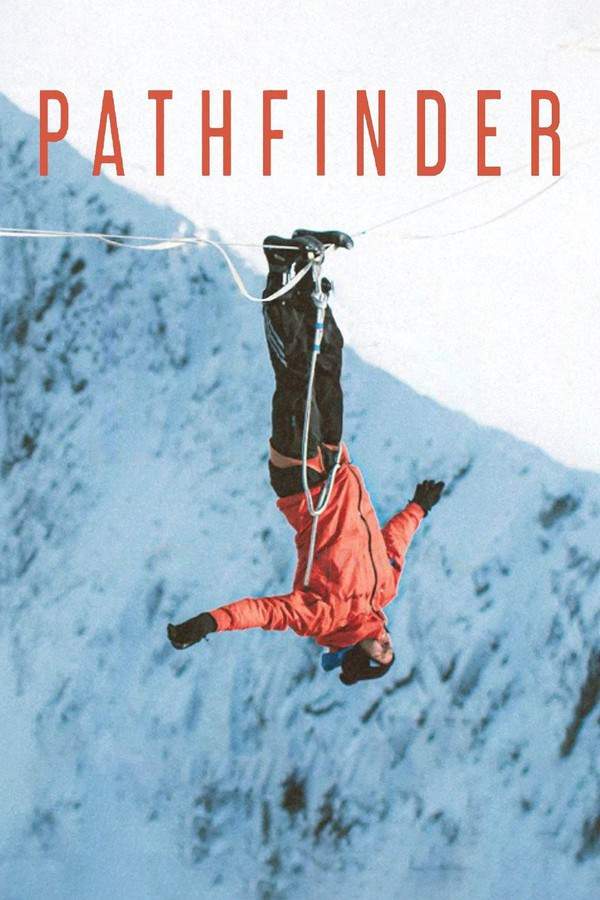
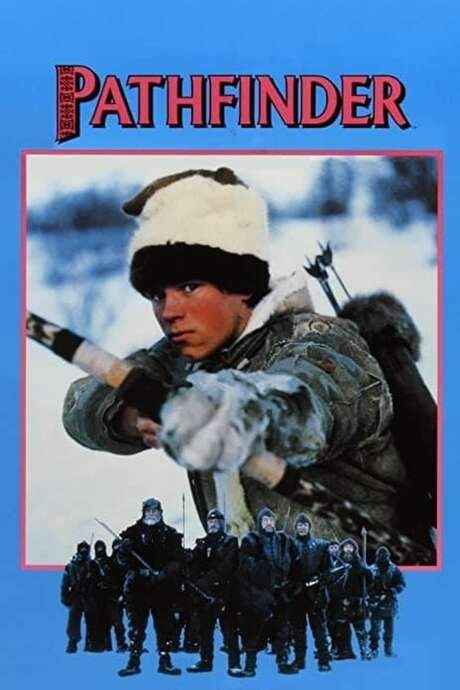
Pathfinder (1987) movie poster

Characters & Themes

Pathfinder (1987) Characters, Setting & Themes Explained

Release, runtime and language
1987 · 86 mins · Northern Sami
Loading streaming availability…
Directed by
Nils Gaup
Starring
Mikkel Gaup, John Sigurd Kristensen, Knut Walle, Nils Utsi, Sverre Porsanger, Svein Scharffenberg

In 1000 AD, marauding “tjuder” raid northern Scandinavia, killing a family and leaving teenage son Aigin as the sole survivor. He flees to a Sámi camp, where the hunters plan a coastal escape. Captured, Aigin is forced to guide the invaders to the remaining Sámi, but he plots revenge, intending to destroy them before they reach the settlement.

On this page (9)
  1. 1 Where to watch
  2. 2 Characters explained (10)
  3. 3 Character relationship map
  4. 4 Where & when it takes place
  5. 5 Themes & meaning (3)
  6. 6 Character & meaning questions
  7. 7 Movie threads
  8. 8 Movies like Pathfinder
  9. 9 Every angle
Loading streaming availability…

10 main characters · contains spoilers

Pathfinder Characters Explained: Who Is Who

The main characters of Pathfinder (1987), heroes and villains: what drives them, how they change over the course of the story and what each of them reveals about the film's bigger ideas.

  • Aigin (Mikkel Gaup)

    Aigin is a young Sámi hunter who returns home to find his family massacred by Chude raiders. Wounded and forced to hide, he evolves into a cunning guide who leads the raiders across treacherous terrain. His actions turn from betrayal to heroism as he orchestrates a deadly escape and becomes the Sámi’s new pathfinder.

    • 🗡️ Bravery
    • 🧭 Pathfinding
    • 🤝 Loyalty
  • Raste (Nils Utsi)

    Raste is the noaidi, a spiritual guide whose wound-healing and counsel anchor the Sámi response to danger. He is tortured by the Chudes, and ultimately killed in secret, his mystic knife passing into enemy hands. His fate underscores the cost of resistance and the power of traditional knowledge.

    • 🪶 Wisdom
    • 🗡️ Suffering
  • Tchude Chief (Svein Scharffenberg)

    The leader of the Chude raiders, he coordinates the assault and embodies ruthless tactical authority. He pursues Aigin with calculated ferocity, aiming to crush Sámi resistance and plunder their communities. His presence amplifies the existential threat facing the Sámi people.

    • ⚔️ Raider
    • 🧭 Strategy
  • Tchude Strongman (John Sigurd Kristensen)

    A powerful raider whose strength complements the raiders’ ambush and pursuit. He represents the brute force of the Chude assault and adds to the physical danger that the Sámi must navigate. His role emphasizes the threat posed by numerically superior attackers.

    • ⚔️ Raider
    • 💥 Force
  • Dorakas (Henrik H. Buljo)

    Dorakas is a Chude figure involved in the raid, contributing to the assault’s coordination and menace. His actions help drive the suspense of the pursuit and the ethical choices faced by the Sámi survivors. He embodies the raiders’ organized aggression.

    • ⚔️ Raider
    • 🧭 Tactics
  • Siida-Isit (Nils-Aslak Valkeapää)

    Siida-Isit is a Sámi elder or seer who embodies the community’s mythic memory and cultural continuity. His presence anchors the group’s shared identity and informs their response to crisis. He represents the wisdom and spiritual backbone of the Sámi people.

    • 🪶 Wisdom
    • 🕯️ Spirituality
  • Aigin's Mother (Ellen Anne Buljo)

    Aigin’s mother embodies the familial and communal ties of the Sámi, offering support and continuity in the face of tragedy. Her presence underscores the personal stakes of the raid and the resilience of family bonds. She helps ground the story in the human cost of conflict.

    • 🫂 Family
    • 🕊️ Mourning
  • Sahve (Sara Marit Gaup)

    Sahve is a member of the Sámi community who contributes to the group’s social fabric and resilience. She represents communal solidarity and the everyday courage of people living under threat. Her presence adds to the portrayal of a close-knit, culturally rich society.

    • 👥 Community
    • 🪶 Tradition
  • Varia (Anne-Marja Blind)

    Varia is a Sámi woman whose role highlights the matrilineal and communal aspects of Sámi life. She participates in the community’s decisions and rituals that accompany times of crisis. Her character helps illustrate the collective nature of survival.

    • 👥 Community
    • 🕰️ Tradition
  • Diemis (Svein Birger Olsen)

    Diemis is a member of the Chude raiders, adding to the depiction of the raiding party’s dynamics. His actions contribute to the mounting tension and danger faced by the Sámi. He personifies the threat of external incursions into Sámi homeland.

    • ⚔️ Raider
    • 🗡️ Violence

Last updated: October 30, 2026 at 15:45

Was this helpful?

4 characters · 3 connections · contains spoilers

Pathfinder Character Relationship Map

Who is connected to whom in Pathfinder: family, love, friendships, rivalries and hidden ties, colour-coded. Pick a character to see their side of the story, or a connection to see what brings two characters together.

AAiginMikkel GaupRRasteNils UtsiTCTchude ChiefSvein ScharffenbergAMAigin's MotherEllen Anne Buljo

Last updated: October 30, 2026 at 15:45

Was this helpful?

Setting

Where and When Does Pathfinder Take Place?

The setting of Pathfinder (1987): the year and time period, the places and locations, and how they shape the characters, the mood and the tension of the story.

Time period

AD 1000

Set in the early medieval period, Sámi communities in Finnmark rely on hunting and reindeer herding and follow traditional spiritual practices. They face sudden raids by raiders known as Chudes, forcing hard decisions between defense and retreat. The era is marked by intimate ties to the land, mythic beliefs, and a reliance on oral tradition to guide actions.

Location

Finnmark

The story unfolds in the Arctic region of Finnmark, homeland of the Sámi. The landscape ranges from rugged mountains to distant coastal settlements, shaping how people live and travel. Harsh winters, open skies, and the cultural importance of noaidi (pathfinders) define daily life and conflict between communities.

  • ❄️ Arctic region
  • 🗺️ Sámi lands

Last updated: October 30, 2026 at 15:45

Was this helpful?

3 major themes

Pathfinder Meaning: Themes & Message Explained

What is Pathfinder (1987) really about? The emotional, social and philosophical themes the film keeps returning to, its symbolism and the message beneath the surface.

  • Pathfinding

    Pathfinding is both a practical and spiritual motif. Aigin’s choices navigate treacherous terrain and shifting loyalties, turning him from hunted to leader. The mystic drum and the vision of the bull reindeer frame a journey from uncertainty to guidance. Ultimately, the community recognizes a new pathfinder through his actions.

  • Conflict

    The raid on the Sámi settlement tests courage and cohesion. Some choose to stand and defend, others to flee, highlighting differing responses to threat. The confrontation exposes brutal power dynamics and the high cost of betrayal. Aigin’s cunning turns brutal force into a dangerous, strategic trap.

  • Mysticism

    Spiritual beliefs and shamanic practices shape decisions under pressure. The noaidi Raste embodies spiritual authority, while the mystic drum and the Northern Lights provide moments of revelation. The climactic vision ties personal fate to a larger mythic order, guiding the community’s sense of meaning.

Last updated: October 30, 2026 at 15:45

Was this helpful?

Character & theme questions

Pathfinder Characters & Meaning: Your Questions Answered

The questions people ask about Pathfinder (1987): who the characters really are, their relationships, what the symbols mean, where it takes place and what the movie is really about. Each answer contains spoilers.

Q1

Where is Pathfinder set?

Pathfinder takes place in Finnmark, the Arctic region of northern Scandinavia that is the ancestral homeland of the Sámi people. The landscape features rugged mountains, harsh winters, and distant coastal settlements, shaping how the characters live, travel, and survive.

  • finnmark
  • sami lands
  • arctic
  • setting
  • northern scandinavia
Q2

What time period is Pathfinder set in?

The film is set in AD 1000, during the early medieval period. This was a time when Sámi communities in Finnmark lived through hunting and reindeer herding, following traditional spiritual practices and relying on oral tradition to guide their actions.

  • ad 1000
  • medieval
  • sami
  • time period
  • early middle ages
Q3

What does pathfinding mean in Pathfinder?

Pathfinding in the movie works on both practical and spiritual levels. Aigin must navigate treacherous terrain to guide the Sámi to safety, but he also undergoes a journey from hunted survivor to spiritual leader. The mystic drum and vision of the bull reindeer symbolize his transformation from uncertainty to becoming the community's new pathfinder.

Foreshadowing: The noaidi Raste's spiritual guidance sets the foundation for Aigin's eventual leadership role.

  • pathfinding
  • spiritual journey
  • noaidi
  • mystic drum
  • aigin
Q4

Who is Aigin in the film?

Aigin is a young Sámi hunter portrayed by Mikkel Gaup who returns home to find his family massacred by Chude raiders. Wounded and forced to hide, he is later captured and forced to guide the invaders to the remaining Sámi. His journey transforms him from a traumatized survivor into a cunning strategist who outwits the raiders and becomes the Sámi's new pathfinder.

  • aigin
  • mikkel gaup
  • sami hunter
  • protagonist
Q5

Who is Raste in Pathfinder?

Raste is the noaidi, the spiritual guide of the Sámi community, played by Nils Utsi. He provides wound-healing and counsel during the crisis, embodying spiritual authority. He is tortured by the Chudes and ultimately killed, with his mystic knife passing into enemy hands. His death underscores the cost of resistance and the loss of traditional knowledge.

  • raste
  • nils utsi
  • noaidi
  • spiritual guide
  • sami shaman
Q6

Who are the Chudes in Pathfinder?

The Chudes are raiders who conduct sudden attacks on Sámi settlements, slaughtering communities and plundering resources. They represent the existential threat facing the Sámi people. The Chude Chief leads the assault with tactical ruthlessness, while strongmen and warriors execute brutal force against the indigenous hunters.

  • chudes
  • raiders
  • invaders
  • enemies
  • chude chief
Q7

What are the main themes in Pathfinder?

The film explores three interconnected themes: Pathfinding as both practical survival and spiritual transformation; Conflict testing courage and cohesion, where betrayal turns into strategic resistance; and Mysticism shaping decisions through shamanic practices, with visions and the mystic drum providing guidance during crisis.

  • themes
  • pathfinding
  • conflict
  • mysticism
  • sami culture
Q8

What role does mysticism play in Pathfinder?

Mysticism is central to the story, with the noaidi Raste embodying spiritual authority through healing and counsel. The mystic drum and visions, including the Northern Lights and a bull reindeer, provide moments of revelation. The climactic vision ties Aigin's personal fate to a larger mythic order, guiding the community's sense of meaning and purpose.

  • mysticism
  • shamanism
  • noaidi
  • mystic drum
  • visions
  • northern lights
Q9

How does Pathfinder portray Sámi culture?

The film portrays Sámi culture as deeply connected to the Arctic land, with hunting, reindeer herding, and spiritual traditions defining daily life. The community is close-knit, with elders like Siida-Isit preserving mythic memory and women like Varia participating in collective decisions. The noaidi serves as spiritual authority, while family bonds and communal solidarity are shown as essential to survival.

  • sami culture
  • traditions
  • community
  • indigenous
  • arctic lifestyle
Q10

What is the meaning of Pathfinder's ending?

The ending is bittersweet. While Aigin survives and is hailed as a savior for outwitting the raiders, this victory comes at the cost of Raste's death and the trauma inflicted upon the Sámi people. The film balances bleak violence with a hopeful undercurrent: Aigin's ascension to pathfinder represents cultural continuity and a new generation ready to lead.

  • ending
  • salvation
  • hero
  • tragedy
  • cultural continuity

Movie threads

More Movies Like Pathfinder, by Mood & Story

Curated lists built around what makes Pathfinder tick: the same mood, the same kind of story or the same emotional payoff. Each list explains why these movies belong together.

Revenge and Survival movies like Pathfinder

Desperate protagonists pushed to the brink, driven by revenge and survival. If you enjoyed the high-stakes chase and personal revenge mission in Pathfinder, you'll find similar gripping tales here. These movies feature desperate survival scenarios, intense manhunts, and protagonists pushed to their absolute limits in harsh environments.

  • tense
  • gripping
  • desperate
  • revenge
  • brutal
  • suspenseful
  • Tone: tense, bleak
  • Pacing: fast, relentless
Why these movies?

The story pattern: These stories typically begin with a devastating inciting incident, such as an attack on the protagonist's community or family. The plot follows a linear, fast-paced path as the protagonist becomes both hunter and hunted, using their knowledge of the environment to outmaneuver a more powerful enemy, culminating in a final, brutal confrontation.

Why they belong together: Movies are grouped here because they share a core narrative of survival intertwined with revenge, creating a tense and emotionally heavy experience. They feature high-intensity action, bleak settings, and a focus on the physical and psychological toll of the journey.

Bittersweet cultural survival stories like Pathfinder

Stories where survival comes at a great cost but preserves a way of life. Find more movies like Pathfinder that explore themes of indigenous survival and cultural resilience. These films often feature a bittersweet ending where the community endures, but the cost of survival weighs heavily on the characters.

  • tragic
  • hopeful
  • spiritual
  • desperate
  • cultural
  • bittersweet
  • Tone: bittersweet, tragic, hopeful
  • Pacing: fast-paced with reflective moments
Why these movies?

The story pattern: The narrative follows a protagonist who acts as a guardian for their community against an external threat. The journey is as much about preserving a cultural identity as it is about physical survival. The conclusion is not a simple victory; it acknowledges the profound losses suffered while allowing a glimmer of hope for the future.

Why they belong together: These films are linked by their exploration of cultural conflict and resilience. They balance heavy emotional weight with a hopeful undercurrent, featuring themes of tradition, spirituality, and the high-stakes defense of a community's existence, resulting in a poignant, bittersweet finale.

If you liked this

Movies Like Pathfinder

Similar movies to Pathfinder: the same genre, themes or kind of story. Each one comes with its own plot summary, timeline and ending explained.

Browse all movie summaries

Every angle

Pathfinder (1987) Explained: Plot, Timeline & Characters

Everything about Pathfinder in one place: what happens in the plot summary, the timeline in chronological order, the characters and meaning and a spoiler-free summary. What's After the Movie adds the cast, box office and post-credit scenes.

Coming soon on iOS and Android

The Plot Explained Movie Summary App

Plot summaries, endings explained and timelines on your phone. Catch up on any movie in minutes, save your favorites and never miss a twist again.

Be the first to know when we launch. Your email stays private, always.

Learn more about the app