Otto; or, Up with Dead People

Otto; or, Up with Dead People

Year: 2008

Runtime: 94 min

Language: English

Director: Bruce La Bruce

DramaHorrorComedyAdult

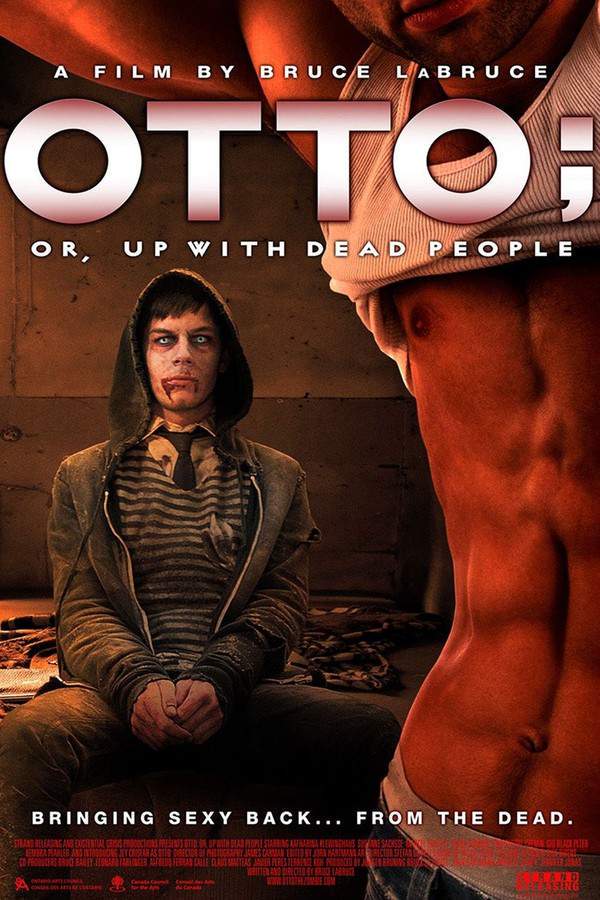
This offbeat drama-horror-comedy follows Otto, a sensitive and undead neo-Goth, as he grapples with an existential crisis amidst urban desolation. He unexpectedly finds work as an actor in a film about zombies, and the director, Medea Yarn, believes he perfectly represents the dehumanizing aspects of capitalism. As Otto begins to rediscover his human emotions, he’s forced to confront the darkness he carries within and the world around him.

Where to Watch Otto; or, Up with Dead People?

Find where to stream, rent, or buy Otto; or, Up with Dead People (2008) in the US with current JustWatch availability, up-to-date pricing, and platform listings for subscription, rental, and digital purchase options.

Warning: spoilers below!

Haven’t seen Otto; or, Up with Dead People yet? This summary contains major spoilers. Bookmark the page, watch the movie, and come back for the full breakdown. If you're ready, scroll on and relive the story!

Otto; or, Up with Dead People (2008) – Full Plot Summary & Ending Explained

Read the complete plot breakdown of Otto; or, Up with Dead People (2008), including all key story events, major twists, and the ending explained in detail. Discover what really happened, and what it all means.

As Otto, a young gay man grappling with the delusions of living an undead life, meanders through the lively streets of Berlin, he unwittingly gathers an unexpected group of followers. Notable filmmaker Medea Yarn and her partner Hella Bent quickly recognize his unconventional behavior and opt to document his journey for their underground film, Up with Dead People—a provocative blend of politics, eroticism, and the themes of the undead. With the endorsement of Fritz Fritze, the movie’s main star, Otto takes temporary shelter in Fritz’s guest room, where he stumbles upon a wallet that reveals fragments of his former life. This revelation ignites a heartfelt quest to reunite with Rudolf, an ex-boyfriend who harbors secrets about Otto’s life before embracing his zombie persona.

Their poignant reunion occurs at the very schoolyard where their romance first blossomed, exposing a harsh reality: Otto is undeniably human, yet he battles the intricate challenges of schizophrenia. As Medea tirelessly labor over the film’s completion, which features an audacious and controversial climax, Otto falls victim to an act of queerbashing. In search of comfort, he retreats to Fritz’s apartment, where a profound bond begins to develop between the two men.

Meanwhile, Medea reaches a resolution for her project by incinerating her interpretation of Otto, leaving him as nothing but remnants of ash. Yet, as the cameras cease to roll, Otto makes a pivotal choice—he decides to leave Berlin behind, embarking on a new journey as a hitchhiker, ready to escape the tumult and disorder that once characterized his life.

Last updated: November 22, 2024 at 10:55

Was this helpful?

Otto; or, Up with Dead People (2008) Plot Questions Answered – Summary FAQ

Explore frequently asked questions about Otto; or, Up with Dead People (2008) with spoiler-rich answers covering the full plot summary, major story beats, character motivations, hidden details, and ending meaning. This movie summary FAQ helps explain confusing scenes, plot twists, and narrative decisions in clear, searchable detail.

Q1

Is Otto actually a zombie or is he human?

A.

Otto is human, not a zombie. Throughout the film, he experiences delusions that he is undead, but his reunion with ex-boyfriend Rudolf at the schoolyard reveals that Otto struggles with schizophrenia. His belief in being undead is a symptom of his mental health condition.

Early scenes show Otto meandering through Berlin believing he is undead, setting up the eventual revelation that this is a delusion.

otto undeadotto humanschizophrenicplot twistdelusion
Q2

Why does Otto search for his ex-boyfriend Rudolf?

A.

After finding a wallet in Fritz's guest room that contains fragments of his former life, Otto discovers clues about his past with Rudolf. This triggers a heartfelt quest to reunite with his ex-boyfriend, who holds secrets about Otto's life before his zombie delusion began.

The wallet discovery in Fritz's guest room acts as the catalyst for Otto's journey to find Rudolf.

rudolfex-boyfriendwalletpastmemory
Q3

Why does Otto decide to leave Berlin at the end?

A.

After experiencing the violent queerbashing attack, working through his identity struggles with Fritz, and witnessing Medea's symbolic incineration of his film image, Otto chooses to leave Berlin as a way to escape the chaos and turmoil that defined his recent life. He decides to hitchhike away, seeking a new beginning.

The film's steady build of Otto's emotional burden through the queerbashing incident and his complex relationships foreshadows his need for escape.

leaving berlinhitchhikerendingescapenew beginning
Q4

What does Medea burning Otto's image in the film mean?

A.

In the film's climax, Medea incinerates her interpretation of Otto, reducing him to ash within the narrative of 'Up with Dead People.' This symbolic act represents a form of closure and transformation, both for Otto's identity within the film and as a statement about artistic representation and the destruction of his dehumanized image.

Medea's earlier belief that Otto represents capitalism's dehumanizing aspects builds toward this symbolic destruction.

incinerationburningsymbolismmedeaartrepresentation
Q5

Why is Otto attacked in the streets of Berlin?

A.

Otto becomes the victim of queerbashing, a violent attack targeting him because of his queer identity. This harrowing event adds significant emotional and physical trauma to his already tumultuous life, deeply affecting him and prompting him to seek comfort from Fritz.

The film establishes Otto's queer identity from the beginning, making this violent consequence a potential narrative thread.

queerbashingattackviolencestreets of berlintrauma
Q6

How does Otto's relationship with Fritz develop throughout the film?

A.

Fritz Fritze, the main star of Medea's film, initially offers Otto temporary shelter in his guest room. Following the queerbashing attack, Otto returns to Fritz's apartment seeking comfort, and their relationship evolves from initial generosity into a profound emotional bond between the two men.

Fritz's early decision to shelter Otto establishes the foundation for their deepening connection.

fritzrelationshipbondsheltercomfort
Q7

What does the wallet Otto finds reveal about his past?

A.

While staying in Fritz's guest room, Otto discovers a wallet containing fragments of his former human life. This revelation serves as a catalyst, triggering his quest to reconnect with Rudolf, who holds knowledge about Otto's life before he adopted his zombie persona.

The wallet appears early in Otto's stay, setting his journey in motion.

walletpastmemorydiscoveryformer life
Q8

Why does Medea believe Otto represents capitalism's dehumanization?

A.

Filmmaker Medea Yarn recognizes Otto as embodying the dehumanizing aspects of contemporary capitalism. She sees his undead delusion as a metaphor for how modern society can strip individuals of their humanity, making him the perfect subject for her provocative underground film that explores politics, eroticism, and themes of the undead.

Medea's immediate interest in documenting Otto suggests she sees deeper meaning in his condition.

medeacapitalismdehumanizationmetaphorfilmmakerinterpretation
Q9

Why is the schoolyard reunion between Otto and Rudolf important?

A.

Otto and Rudolf reunite at the exact schoolyard where their romance first began. This emotionally charged meeting reveals the truth about Otto's condition, specifically his struggle with schizophrenia, shedding light on why he believes he is undead and providing crucial context for his entire journey.

The timeline establishes this location as the origin of their romance, giving the reunion thematic weight.

schoolyardreunionrudolffirst loverevelationschizophrenia
Q10

How does the film 'Up with Dead People' end?

A.

Medea completes her underground film with an audacious and controversial climax. She reaches resolution by incinerating her interpretation of Otto within the film, leaving only ash as a symbolic destruction of his dehumanized image. This act concludes the meta-narrative while Otto observes the destruction of his artistic representation.

The film's progressive documentation of Otto builds toward this climactic artistic statement.

up with dead peopleclimaxmedeafilm within filmending
Mobile App Preview

Coming soon on iOS and Android

The Plot Explained Mobile App

From blockbusters to hidden gems - dive into movie stories anytime, anywhere. Save your favorites, discover plots faster, and never miss a twist again.

Sign up to be the first to know when we launch. Your email stays private, always.

Explore Movie Threads

Discover curated groups of movies connected by mood, themes, and story style. Browse collections built around emotion, atmosphere, and narrative focus to easily find films that match what you feel like watching right now.

Movies about melancholy monsters and human horror like Otto; or, Up with Dead People

Sympathetic outcasts and monsters grapple with identity and alienation.If you liked the blend of horror and existential sadness in Otto; or, Up with Dead People, explore more films where monstrous figures represent human struggles. These movies use supernatural elements to unpack themes of identity, alienation, and the search for self, often with a melancholic and quirky tone.

melancholicexistentialunsettlingquirkyintrospectivemetaphoricallonelygothic

Narrative Summary

Stories in this thread often follow an outsider—be it a zombie, vampire, or other creature—on a journey of self-discovery. The central conflict isn't just survival, but a poignant search for meaning and connection in a world that sees them as inhuman. The narrative is character-driven, focusing on internal emotional turmoil rather than external action.

Why These Movies?

These movies are grouped together because they share a unique tone that blends horror elements with deep emotional resonance. They feature protagonists who are literal or figurative monsters, using their perspective to explore complex themes of identity, mental health, and societal alienation in a way that is both unsettling and deeply human.

Surreal and introspective urban journey movies like Otto; or, Up with Dead People

Dreamlike explorations of self within gritty, alienating city environments.Fans of Otto; or, Up with Dead People's gritty, neo-Goth atmosphere and surreal exploration of self will enjoy these films. They feature characters on introspective quests through alienating cityscapes, where the line between reality and perception blurs, creating a uniquely unsettling and thoughtful experience.

surrealintrospectiveurban alienationgrittydreamlikeexistentialunsettlingatmospheric

Narrative Summary

The narrative pattern is a linear but dreamlike journey through an urban landscape that reflects the protagonist's internal state. The plot is less about external events and more about a gradual, often ambiguous, awakening or understanding. The city's grime and chaos act as a catalyst for confronting personal demons, mental health, and fragmented identities.

Why These Movies?

These films share a specific mood and setting: a melancholic, surreal vibe set in a decaying or oppressive urban environment. They are connected by a focus on a character's introspective search for meaning, a steady pacing that allows for atmospheric immersion, and a presentation that blurs the lines between reality, memory, and delusion.

Unlock the Full Story of Otto; or, Up with Dead People

Don't stop at just watching - explore Otto; or, Up with Dead People in full detail. From the complete plot summary and scene-by-scene timeline to character breakdowns, thematic analysis, and a deep dive into the ending - every page helps you truly understand what Otto; or, Up with Dead People is all about. Plus, discover what's next after the movie.

Otto; or, Up with Dead People Timeline

Track the full timeline of Otto; or, Up with Dead People with every major event arranged chronologically. Perfect for decoding non-linear storytelling, flashbacks, or parallel narratives with a clear scene-by-scene breakdown.

Otto; or, Up with Dead People Timeline

Characters, Settings & Themes in Otto; or, Up with Dead People

Discover the characters, locations, and core themes that shape Otto; or, Up with Dead People. Get insights into symbolic elements, setting significance, and deeper narrative meaning - ideal for thematic analysis and movie breakdowns.

Characters, Settings & Themes in Otto; or, Up with Dead People

Otto; or, Up with Dead People Spoiler-Free Summary

Get a quick, spoiler-free overview of Otto; or, Up with Dead People that covers the main plot points and key details without revealing any major twists or spoilers. Perfect for those who want to know what to expect before diving in.

Otto; or, Up with Dead People Spoiler-Free Summary

More About Otto; or, Up with Dead People

Visit What's After the Movie to explore more about Otto; or, Up with Dead People: box office results, cast and crew info, production details, post-credit scenes, and external links - all in one place for movie fans and researchers.

More About Otto; or, Up with Dead People

Similar Movies to Otto; or, Up with Dead People

Discover movies like Otto; or, Up with Dead People that share similar genres, themes, and storytelling elements. Whether you’re drawn to the atmosphere, character arcs, or plot structure, these curated recommendations will help you explore more films you’ll love.