Plot Explained Spoilers guaranteed!
Plot Explained

Browse by genre

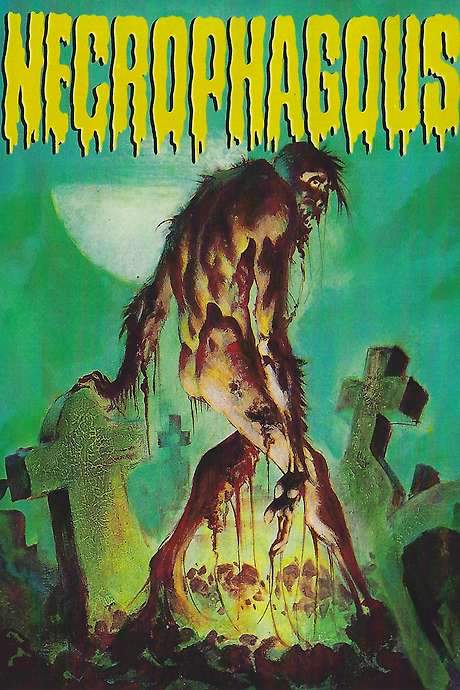
Nekromantik (1988) movie poster

Plot Summary

Nekromantik (1988) Plot Summary Explained

Release, runtime and language
1988 · 71 mins · German
Loading streaming availability…
Starring
Jörg Buttgereit, Jürgen Brüning, Volker Hauptvogel, Beatrice Manowski, Daktari Lorenz, Franz Rodenkirchen

A necrophilic street sweeper, whose job is to clean up grisly accidents, brings a freshly recovered corpse home, hoping to share it with his girlfriend in a sexual encounter. To his horror, she becomes more attracted to the dead body than to him, turning their twisted intimacy into a disturbing power struggle.

On this page (6)
  1. 1 Where to watch
  2. 2 What happens: full plot
  3. 3 Plot questions answered
  4. 4 Movie threads
  5. 5 Movies like Nekromantik
  6. 6 Every angle
Loading streaming availability…

Full plot summary · contains spoilers

What Happens in Nekromantik: Full Plot Summary

The whole story of Nekromantik (1988) explained, from the opening scene to the final frame: every key event, every twist and what it all adds up to. Read it as a quick recap before the sequel, to check a scene you missed, or to finally understand what really happened.

Robert Schmadtke is a troubled man who works for a company that cleans up public spaces after traffic accidents and other fatal incidents; a job that quietly allows him to indulge in and explore his necrophilia fetishes, shared by his wife Betty. Their apartment is a stark, unsettling space, framed by centerfolds featuring models, photographs of infamous killers, and jars containing preserved human parts, all kept in formaldehyde as a cold, clinical reminder of their fixation.

One day, the street cleaning crew is summoned to remove a man found dead in a lake, and Robert becomes fascinated by the heavily decayed corpse. He secretly brings it home and presents it as a gift to Betty, who shares his dark curiosity. In a reckless, ritual-like moment, they detach a wooden chair leg, attach it to the corpse’s groin, and cap the act with a condom, turning the body into a makeshift prop for Betty to engage with. The act that follows is a chilling, consensual necrophilia that marks a turning point in their marriage and their psychological unraveling.

The next day, Robert is confronted at work by colleagues and ultimately fired for chronic tardiness and the lingering odor from his suit. Returning home, he informs Betty of his termination; she lashes out in anger and exits, taking the corpse with her. The loss triggers a spiraling breakdown in Robert: he destroys their pet cat, then bathes in its entrails, an unsettling image that hints at the depths of his corruption.

That night, after drinking whiskey and taking pills, Robert drifts into a dream where he is a partially decayed figure, playfully interacting with a decayed severed head beside a girl dressed in white. Awakening to darkness, he leaves the apartment to hire a gigolette and go to a cemetery, hoping the environment will heighten his arousal. He cannot perform, the gigolette mocks him, and in a fit of anger he strangles her and then has sex with her corpse. The following morning, an old gravedigger stumbles upon the scene; Robert seizes the man’s shovel and decapitates him before fleeing back to his apartment, where he ends his life by stabbing himself in the stomach while ejaculating.

In the aftermath, an unseen figure in high heels appears, shown digging up Robert’s grave, leaving a final, eerie note about the persistence of the impulse and the fragility of the boundaries between life and death. This conclusion lingers with a stark, unsettling atmosphere, inviting reflection on the disturbing blend of compulsion, loss, and the human gaze into the void.

Last updated: October 09, 2025 at 14:35

Was this helpful?

Plot questions answered

Nekromantik Plot Explained: Your Questions Answered

The questions people ask most about Nekromantik (1988): what happens in the confusing scenes, why the characters do what they do, the twists, hidden details and what the ending means. Each answer contains spoilers.

Q1

Why is Robert fired from his job?

Robert is fired because his coworkers confront him about chronic tardiness and notice a lingering odor emanating from his suit. The smell comes from the corpse he secretly transported home, and his repeated lateness suggests his personal life is interfering with his work. This termination marks the collapse of his double life and exposes his secret fixation to the outside world.

Foreshadowing: Earlier scenes show Robert arriving late to work while distracted by his necrophilic activities.

  • robert fired
  • job loss
  • tardiness
  • coworker confrontation
Q2

Why does Betty leave with the corpse?

Betty leaves with the corpse because she has become more sexually attracted to it than to Robert. Throughout their relationship, she embraced the necrophilic rituals enthusiastically, even taking the lead in the chair-leg modification scene. When Robert loses his job, she sees him as useless and abandons him, taking the only thing that still satisfies her desires.

Foreshadowing: The chair-leg scene demonstrates Betty's preference for the corpse over Robert.

  • betty leaves
  • corpse taken
  • relationship breakdown
  • sexual rivalry
Q3

Why does Robert kill his cat and bathe in its entrails?

Robert kills the cat and bathes in its entrails as a result of psychological breakdown triggered by losing both his job and Betty. Overwhelmed by despair and isolation, he attempts to replicate the intense sensory experience he associates with necrophilia by using his own dead pet. This act demonstrates the depths of his corruption and inability to function without stimulation from death.

Foreshadowing: The earlier scene where Robert and Betty engage with the lake corpse foreshadows his dependence on death for arousal.

  • cat killed
  • entrails
  • psychological breakdown
  • despair act
Q4

Why can't Robert perform sexually with the gigolette?

Robert cannot perform because he is exclusively aroused by necrophilia, not living partners. His sexual fixation has become entirely dependent on corpses, making it impossible for him to achieve arousal with a living sex worker. This dependency was established earlier when he needed the corpse to engage sexually with Betty.

Foreshadowing: The couple's necrophilic rituals throughout the film establish Robert's inability to engage with living partners.

  • sexual failure
  • necrophilia dependency
  • gigolette
  • cemetery scene
Q5

Why does Robert kill the gigolette?

Robert kills the gigolette because she mocks him after he fails to perform sexually. Her mockery triggers a violent rage, and in a fit of anger he strangles her. After killing her, he continues with necrophilic activity on her corpse, demonstrating that his only sexual outlet requires death.

Foreshadowing: The gigolette's mockery mirrors the escalating verbal confrontations Robert experiences throughout the film.

  • gigolette killed
  • murder
  • mockery
  • necrophilia act
Q6

Why does Robert kill the gravedigger?

Robert kills the gravedigger because he stumbles upon the necrophilic scene at the cemetery and confronts Robert about the crime. In a panic to escape capture and facing exposure for his acts, Robert grabs the man's shovel and decapitates him before fleeing. This murder represents his complete break from reality and desperate attempt to avoid consequences.

Foreshadowing: Robert's earlier violent reactions to confrontation foreshadow his willingness to kill when discovered.

  • gravedigger killed
  • decapitation
  • escape
  • panic murder
Q7

What does Robert's suicide symbolize?

Robert's suicide represents the ultimate consequence of his necrophilic obsession. Returning to his apartment after the murders, he stabs himself in the stomach while ejaculating, combining sexual climax with self-destruction. This act seals his fate within the macabre narrative and represents his inability to live without the stimulation of death.

Foreshadowing: The dream sequence foreshadows his transformation into a decayed corpse.

  • suicide
  • self-harm
  • death wish
  • final act
Q8

What does the ending with the figure in high heels digging up Robert's grave mean?

The ending suggests the persistence of necrophilic obsession beyond death, implying a cyclical nature to these compulsions. The unseen figure in high heels could represent Betty continuing the ritual, another follower of the same dark impulse, or death itself reclaiming Robert. This eerie final image leaves the story open to interpretation about whether such obsessions ever truly end.

Foreshadowing: The recurring theme of corpses and ritualistic behavior throughout the film sets up this cyclical conclusion.

  • grave dug
  • high heels
  • cyclical
  • after death
  • unresolved
Q9

Why does Robert bring the corpse home from the lake?

Robert brings the corpse home because his job as a street cleaner for accident scenes provides him access to bodies, and his necrophilic fixation compels him to acquire one. He presents it to Betty as a gift, hoping to share the experience with her. This act marks the beginning of their most extreme ritual and sets in motion the events that lead to their unraveling.

Foreshadowing: Robert's apartment filled with preserved human parts establishes his obsession before the lake incident.

  • corpse home
  • lake
  • job access
  • necrophilia gift
Q10

Why does Betty become more attracted to the corpse than to Robert?

Betty becomes more attracted to the corpse because their shared necrophilia escalates to the point where she prefers the dead body over her living partner. The scene where she eagerly uses the chair-leg modified corpse shows her taking initiative and deriving more pleasure from it than from Robert. This shift creates the sexual rivalry that contributes to their relationship breakdown when Robert loses his job.

Foreshadowing: The chair-leg modification scene clearly demonstrates Betty's preference for the corpse.

  • betty attraction
  • corpse preference
  • sexual rivalry
  • ritual escalation

Movie threads

More Movies Like Nekromantik, by Mood & Story

Curated lists built around what makes Nekromantik tick: the same mood, the same kind of story or the same emotional payoff. Each list explains why these movies belong together.

Transgressive horror and psychological collapse like in Nekromantik

Films that explore psychological breakdown through extreme, taboo-breaking acts. For viewers seeking movies like Nekromantik, this section features films that delve into psychological breakdown through transgressive horror. These stories often involve extreme acts, bleak atmospheres, and a steady, oppressive pacing that charts a character's descent into madness.

  • transgressive
  • psychologically intense
  • unsettling
  • oppressive
  • somber
  • disturbing
  • Tone: dark, clinical, disturbing
  • Pacing: steady, methodical
Why these movies?

The story pattern: Narratives in this thread typically follow a linear descent, where a protagonist's obsession or psychological fragility leads them to commit increasingly transgressive acts. The plot is often straightforward, serving as a vehicle to explore the grim progression of a character's alienation and ultimate self-destruction.

Why they belong together: These films are grouped together because they share a commitment to exploring dark psychological states through shocking content. They create a coherently bleak and heavy viewing experience defined by their disturbing themes, clinical tone, and focus on the anatomy of a breakdown.

Movies about twisted intimacy and alienation like Nekromantik

Stories where unconventional relationships lead to disturbing power dynamics and alienation. If you liked the exploration of taboo relationships in Nekromantik, this collection features similar movies about twisted intimacy. These films focus on obsessive, unconventional bonds that create disturbing power struggles, leading to alienation and a heavy, bleak emotional atmosphere.

  • unsettling
  • obsessive
  • alienating
  • somber
  • psychologically intense
  • disturbing
  • Tone: dark, somber, psychologically intense
  • Pacing: steady, character-driven
Why these movies?

The story pattern: The narrative pattern involves a central, taboo relationship that becomes the site of a power struggle, pushing the characters further into social and psychological isolation. The story unfolds steadily, revealing how the relationship itself is a catalyst for disintegration rather than connection.

Why they belong together: These movies are linked by their focus on relationships that exist outside societal norms, often fetishistic or obsessive in nature. They share a dark, somber tone and use the relationship as a lens to examine themes of alienation, possession, and the destructive nature of extreme desire.

If you liked this

Movies Like Nekromantik

Similar movies to Nekromantik: the same genre, themes or kind of story. Each one comes with its own plot summary, timeline and ending explained.

Browse all movie summaries

Every angle

Nekromantik (1988) Explained: Plot, Timeline & Characters

Everything about Nekromantik in one place: what happens in the plot summary, the timeline in chronological order, the characters and meaning and a spoiler-free summary. What's After the Movie adds the cast, box office and post-credit scenes.

Coming soon on iOS and Android

The Plot Explained Movie Summary App

Plot summaries, endings explained and timelines on your phone. Catch up on any movie in minutes, save your favorites and never miss a twist again.

Be the first to know when we launch. Your email stays private, always.

Learn more about the app