Plot Explained Spoilers guaranteed!
Plot Explained

Browse by genre

Open Doors (1990) movie poster

Characters & Themes

Open Doors (1990) Characters, Setting & Themes Explained

Release, runtime and language
1990 · 108 mins · Italian
Loading streaming availability…
Directed by
Gianni Amelio
Starring
Renato Carpentieri, Gian Maria Volonté, Lidia Alfonsi, Ennio Fantastichini, Giacomo Piperno, Tony Palazzo

Tommaso Scalia murders three people: his former superior who dismissed him, the man who took his job, and his own wife. Seeking a swift trial and prompt execution, he is confronted by an earnest, principled assistant judge who, opposed to capital punishment, searches for a way to spare him from the death penalty.

On this page (8)
  1. 1 Where to watch
  2. 2 Characters explained (7)
  3. 3 Where & when it takes place
  4. 4 Themes & meaning (3)
  5. 5 Character & meaning questions
  6. 6 Movie threads
  7. 7 Movies like Open Doors
  8. 8 Every angle
Loading streaming availability…

7 main characters · contains spoilers

Open Doors Characters Explained: Who Is Who

The main characters of Open Doors (1990), heroes and villains: what drives them, how they change over the course of the story and what each of them reveals about the film's bigger ideas.

  • Tommaso Scalìa (Ennio Fantastichini)

    A former judicial officer who brutally murders Spatafora, the former top lawyer who helped dismiss him, along with his replacement due to their association with a fascist organization. He then assaults and kills his wife before turning himself in to the police. His actions catalyze a trial where the justice system's handling of capital punishment is scrutinized.

    • 🔪 Violent
    • 🤯 Complex
    • 💔 Tragic
  • Vito Di Francesco (Gian Maria Volonté)

    A juror who opposes capital punishment and seeks to uncover the true motives behind the crimes through careful questioning. He clashes with prosecutors and court officials who prioritize strict adherence to state law. His stance is supported by Consolo but challenged by the system's pressures.

    • 🧭 Principled
    • ⚖️ Justice
    • 🕊️ Conscience
  • Consolo (Renato Carpentieri)

    A modest landowner serving as a juror who supports Di Francesco's approach. He provides a quieter counterbalance to the state’s rigor and emphasizes fairness over punitive zeal. His perspective embodies the hope for a more humane interpretation of the case.

    • 🤝 Loyal
    • 🗳️ Juror
    • 🌤️ Hope
  • Spatafora (Avv. Spatafora) (Tuccio Musumeci)

    The former top lawyer who, along with his fascist-linked replacement, was involved in Scalia’s dismissal. He becomes a victim of Scalìa, and his demise prompts the public and the court to consider the costs of political influence on justice.

    • ⚖️ Legal
    • 💥 Controversial
    • 🕵️ Investigative
  • Procuratore (Giacomo Piperno)

    The prosecutor who pushes for execution, representing the hardline stance of the state under the regime. He argues for punishment in line with the public demand for retribution.

    • 🏛️ Official
    • 🗣️ Aggressive
    • ⚖️ State
  • Presidente Sanna (Renzo Giovampietro)

    The presiding judge who oversees the trial and seeks to maintain procedure under difficult political pressures. His role embodies the struggle to balance law with the demands of the regime.

    • ⚖️ Authority
    • 🏛️ Official
    • 🗂️ Procedure
  • Rosa Scalia (Vitalba Andrea)

    The wife of Tommaso Scalia, whose murder triggers the case. Her death is the catalyst that exposes the intimate and political tensions at play during the trial.

    • 💔 Victim
    • 🕯️ Remembrance
    • 👩

Last updated: March 05, 2026 at 18:01

Was this helpful?

Setting

Where and When Does Open Doors Take Place?

The setting of Open Doors (1990): the year and time period, the places and locations, and how they shape the characters, the mood and the tension of the story.

Time period

1936

The events unfold in 1936 Italy, a period dominated by fascist authority. The regime uses legal proceedings to project power and enforce conformity. Within this climate, questions of fairness and political influence color every moment of the trial.

Location

Palermo, Sicily

Palermo, the capital of Sicily, is shown in 1936 as the backdrop for a courtroom drama under Mussolini's regime. The city embodies a society where political power heavily influences the legal system. The sunlit streets contrast with the shadow of state control over justice, creating a tense atmosphere for the trial.

  • 🌆 Palermo
  • 🇮🇹 Italy
  • 🗺️ Sicily

Last updated: March 05, 2026 at 18:01

Was this helpful?

3 major themes

Open Doors Meaning: Themes & Message Explained

What is Open Doors (1990) really about? The emotional, social and philosophical themes the film keeps returning to, its symbolism and the message beneath the surface.

  • Justice

    The film pits individual moral judgment against institutional power. It questions whether justice can be fair when the state dictates the terms of punishment. The jury's deliberations reveal the tension between due process and political pressure. Overall, it surveys whether humaneness can survive in a legally rigid system.

  • Moral Dilemma

    A juror's opposition to the death penalty drives the core conflict, highlighting the struggle between upholding law and honoring conscience. Witness questioning becomes a tool to uncover motives beyond the letter of the law. The narrative explores whether truth and fairness can emerge from a system steeped in ideology. Personal ethics clash with official mandates throughout the trial.

  • Politics

    The regime's influence over the judiciary is a central undercurrent, shaping how guilt and punishment are framed. The prosecution coludes with state power, while jurors challenge that control in search of a more humane resolution. The plot uses the trial to critique how political agendas can distort legal outcomes. It presents a contest between state authority and individual moral responsibility.

Last updated: March 05, 2026 at 18:01

Was this helpful?

Character & theme questions

Open Doors Characters & Meaning: Your Questions Answered

The questions people ask about Open Doors (1990): who the characters really are, their relationships, what the symbols mean, where it takes place and what the movie is really about. Each answer contains spoilers.

Q1

Where is the movie set?

The film is set in Palermo, the capital of Sicily, Italy. The city is depicted in 1936 as a backdrop for the courtroom drama, representing a society where political power heavily influences the legal system under Mussolini's fascist regime.

  • palermo
  • sicily
  • italy
  • setting
  • location
Q2

What time period does the movie take place?

The events unfold in 1936 Italy, during the height of Mussolini's fascist regime. This period was characterized by authoritarian rule, where the state used legal proceedings to project power and enforce conformity throughout Italian society.

  • 1936
  • fascist regime
  • italy
  • time period
  • mussolini
Q3

Why is the fascist regime setting important to the story?

The 1936 fascist setting shapes every aspect of the trial, as the regime's influence over the judiciary determines how guilt and punishment are framed. The political climate creates constant pressure on jurors to align with state interests, making the question of whether individual moral judgment can prevail against institutional power central to the narrative.

  • fascism
  • politics
  • judiciary
  • power
  • regime
  • justice system
Q4

What are the main themes explored in the film?

The film explores three interconnected themes: justice as a concept pitted against institutional power, the moral dilemma of opposing capital punishment, and the political manipulation of the legal system. These themes converge in the courtroom, questioning whether true fairness can exist when the state controls the terms of punishment.

  • justice
  • moral dilemma
  • politics
  • themes
  • capital punishment
Q5

How does the film explore justice versus law?

The film pits individual moral judgment against institutional power, questioning whether justice can be fair when the state dictates punishment. The jury's deliberations reveal the tension between due process and political pressure, ultimately surveying whether humaneness can survive in a legally rigid system controlled by fascist authority.

  • justice
  • law
  • morality
  • fairness
  • court
  • trial
Q6

Who is Tommaso Scalia?

Tommaso Scalia is a former judicial officer who commits triple murder, killing his former superior who dismissed him, the man who took his job, and his own wife. He deliberately turns himself in seeking a swift trial and execution, making his case a catalyst for examining the justice system's handling of capital punishment.

  • tommaso scala
  • murderer
  • defendant
  • character
Q7

Who is Vito Di Francesco?

Vito Di Francesco is a juror who opposes capital punishment and serves as the film's moral center. He carefully questions witnesses to uncover motives beyond the letter of the law, clashing with prosecutors who prioritize strict adherence to state mandates. His struggle represents the conflict between personal ethics and official authority.

  • vito di francesco
  • juror
  • conscience
  • anti-death penalty
Q8

What role does the prosecutor play in the film?

The prosecutor, known as Procuratore, represents the hardline stance of the fascist state. He pushes for execution and argues for punishment in line with public demand for retribution, embodying how the regime uses legal proceedings to project power and enforce conformity.

  • prosecutor
  • state
  • execution
  • punishment
  • authority
Q9

Who is Consolo and what is his role?

Consolo is a modest landowner serving as a juror who supports Di Francesco's approach to the case. He provides a quieter counterbalance to the state's rigor, emphasizing fairness over punitive zeal and embodying hope for a more humane interpretation of justice within the rigid system.

  • consolo
  • juror
  • fairness
  • humanity
  • support
Q10

What does the film say about capital punishment?

The film uses a juror's opposition to the death penalty as the core conflict, exploring whether truth and fairness can emerge from a system steeped in ideology. Through careful questioning and deliberation, the narrative examines if individual conscience can honor moral principles while navigating a politically hostile legal environment.

  • death penalty
  • execution
  • capital punishment
  • conscience
  • morality
Q11

What is the ending like?

The ending is bittersweet: while the defendant is spared execution, the protagonist's moral victory is tempered by his professional exile. This suggests a win for principle but a personal loss for the individual, highlighting the cost of integrity in an unjust system.

  • ending
  • bittersweet
  • moral victory
  • exile
  • principle
Q12

How does politics influence the trial?

The regime's influence over the judiciary is a central undercurrent, shaping guilt and punishment framing. The prosecution colludes with state power while jurors challenge that control in search of a humane resolution. The film uses the trial to critique how political agendas distort legal outcomes, presenting a contest between state authority and individual moral responsibility.

  • political influence
  • trial
  • judiciary
  • state power
  • corruption

Movie threads

More Movies Like Open Doors, by Mood & Story

Curated lists built around what makes Open Doors tick: the same mood, the same kind of story or the same emotional payoff. Each list explains why these movies belong together.

Principled Stands Under Pressure like in Open Doors

Stories centered on a principled individual challenging a powerful, unjust institution. Movies like 'Open Doors' where a lone protagonist battles an oppressive system from within. If you enjoyed the tense moral conflict of a person standing against an unjust machine, this thread captures similar stories of courage and conviction.

  • tense
  • moral dilemma
  • principled
  • defiant
  • systemic pressure
  • idealism
  • Tone: tense, moralistic, serious
  • Pacing: steady, methodical, character-driven
Why these movies?

The story pattern: The core journey follows an individual who enters a conflict with a powerful authority, driven by ethical concerns. The story builds methodically as the protagonist gathers evidence, argues their case, and faces escalating professional and personal risks, culminating in a defining moment of moral choice.

Why they belong together: Movies in this thread share a focus on a central, principled character arc, a slow-burn pacing centered on intellectual and ethical debate, and a tense atmosphere created by the imbalance of power between the individual and the institution.
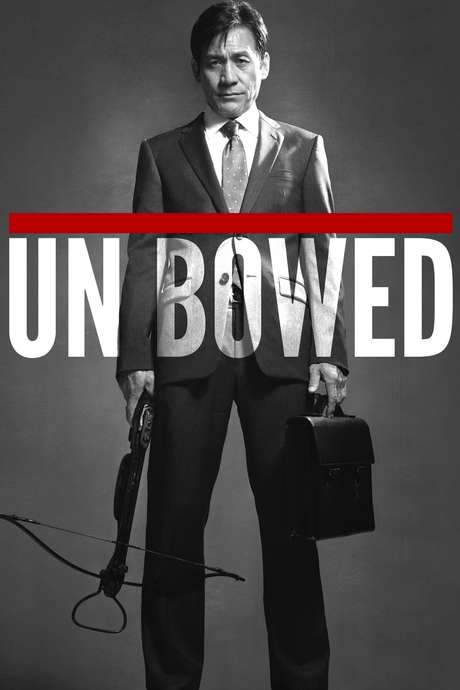
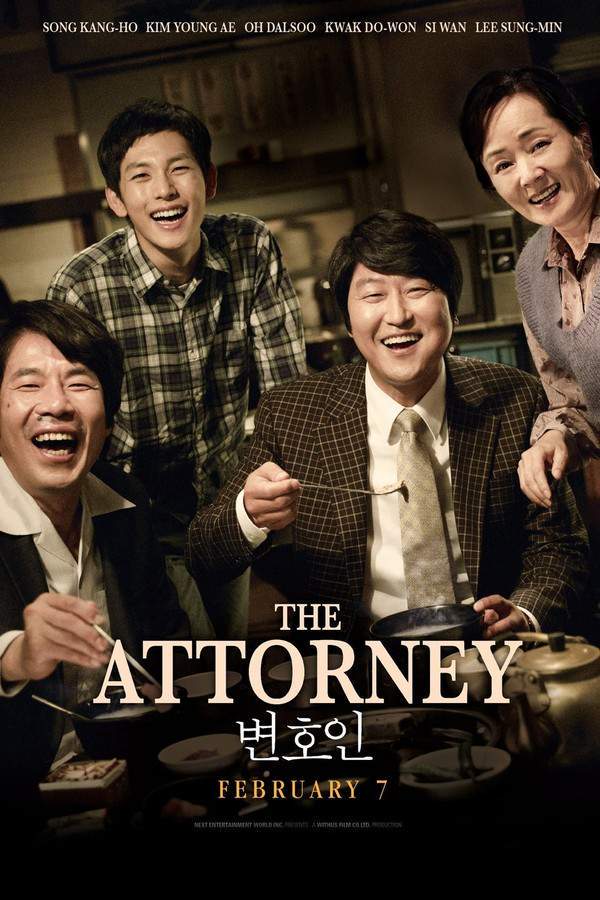
Courtroom Dramas Under a Fascist Shadow like in Open Doors

Legal dramas where the courtroom becomes a battleground against political oppression. Movies similar to 'Open Doors' that depict the tense atmosphere of a courtroom operating under a politically oppressive regime. If you were captivated by the moral struggle unfolding within a corrupted legal framework, this thread features films with a similar, bleak sense of justice.

  • tense
  • oppressive
  • political drama
  • courtroom
  • moral conflict
  • fascist
  • Tone: tense, oppressive, somber
  • Pacing: steady, procedural
Why these movies?

The story pattern: The narrative unfolds primarily within the confines of a courtroom or legal investigation, but the true antagonist is the oppressive political climate. The plot hinges on legal maneuvering and ethical arguments, as characters attempt to find pockets of justice within a system fundamentally opposed to it.

Why they belong together: These films are united by their specific setting—a courtroom under political duress—and a shared mood of tense intellectual conflict against a backdrop of systemic bleakness and institutional corruption.

If you liked this

Movies Like Open Doors

Similar movies to Open Doors: the same genre, themes or kind of story. Each one comes with its own plot summary, timeline and ending explained.

Browse all movie summaries

Every angle

Open Doors (1990) Explained: Plot, Timeline & Characters

Everything about Open Doors in one place: what happens in the plot summary, the timeline in chronological order, the characters and meaning and a spoiler-free summary. What's After the Movie adds the cast, box office and post-credit scenes.

Coming soon on iOS and Android

The Plot Explained Movie Summary App

Plot summaries, endings explained and timelines on your phone. Catch up on any movie in minutes, save your favorites and never miss a twist again.

Be the first to know when we launch. Your email stays private, always.

Learn more about the app