Plot Explained Spoilers guaranteed!
Plot Explained

Browse by genre

Open Doors (1990) movie poster

Plot Summary

Open Doors (1990) Plot Summary Explained

Release, runtime and language
1990 · 108 mins · Italian
Loading streaming availability…
Directed by
Gianni Amelio
Starring
Renato Carpentieri, Gian Maria Volonté, Lidia Alfonsi, Ennio Fantastichini, Giacomo Piperno, Tony Palazzo

Tommaso Scalia murders three people: his former superior who dismissed him, the man who took his job, and his own wife. Seeking a swift trial and prompt execution, he is confronted by an earnest, principled assistant judge who, opposed to capital punishment, searches for a way to spare him from the death penalty.

On this page (6)
  1. 1 Where to watch
  2. 2 What happens: full plot
  3. 3 Plot questions answered
  4. 4 Movie threads
  5. 5 Movies like Open Doors
  6. 6 Every angle
Loading streaming availability…

Full plot summary · contains spoilers

What Happens in Open Doors: Full Plot Summary

The whole story of Open Doors (1990) explained, from the opening scene to the final frame: every key event, every twist and what it all adds up to. Read it as a quick recap before the sequel, to check a scene you missed, or to finally understand what really happened.

In 1936, Palermo is the backdrop for a shocking act: Tommaso Scalia, Ennio Fantastichini, a former judicial officer, brutally murders the former top lawyer Spatafora, Tuccio Musumeci, who had helped secure his dismissal, along with a colleague tied to a fascist organization, before turning himself in to the police. The public demands Scalia's execution, and the justice system, aligned with Mussolini's regime, is eager to comply. However, a juror named Vito Di Francesco, Gian Maria Volonté, opposed to capital punishment, tries to uncover the true motives behind the crimes through subtle questioning of witnesses. Throughout the trial, he clashes not only with the prosecutor and court officials, who prioritize strict adherence to state laws even at the expense of humanity, but also faces hostility from the defendant himself. Consolo, Renato Carpentieri, a modest landowner serving as a juror, supports Di Francesco's approach. Eventually, Scalia is sentenced to a prison term instead of execution. Shortly after, Di Francesco is transferred to a remote district court, where his idea that justice should be guided by principles of fairness rather than political agendas fails to attract attention.

Last updated: March 05, 2026 at 18:38

Was this helpful?

Plot questions answered

Open Doors Plot Explained: Your Questions Answered

The questions people ask most about Open Doors (1990): what happens in the confusing scenes, why the characters do what they do, the twists, hidden details and what the ending means. Each answer contains spoilers.

Q1

Why did Tommaso Scalia kill Spatafora and his replacement?

Scalia targeted Spatafora because the former top lawyer had helped secure his dismissal from his judicial position. After being ousted, Spatafora's colleague who replaced Scalia was also killed due to his association with the fascist organization. The murders were motivated by Scalia's perception of betrayal and his resentment toward those responsible for his professional downfall.

Foreshadowing: The opening scenes establish Scalia's former status as a judicial officer before his dismissal, hinting at the personal grievances driving his violent actions.

  • tommaso Scalia
  • Spatafora
  • murder motives
  • dismissal
  • revenge
Q2

Why did Tommaso Scalia also kill his wife?

After murdering Spatafora and his fascist-linked replacement, Scalia attacked and killed his own wife. This act demonstrated his readiness to eliminate anyone he perceived as an enemy, compounding the public's perception that his crimes were driven by both personal vengeance and political animosity.

Foreshadowing: The escalating violence shows Scalia viewing even intimate relationships through a lens of betrayal and敌人.

  • Scalia's wife
  • murder
  • violence
  • betrayal
Q3

Why did Scalia turn himself in to the police?

After completing his series of murders, Scalia voluntarily surrendered to police. By turning himself in, he deliberately sought a swift trial and prompt execution, viewing death as a preferable outcome to living under the fascist regime he despised.

Foreshadowing: Scalia's readiness to kill extends to accepting the ultimate consequences for his actions.

  • Scalia
  • surrender
  • arrest
  • trial
Q4

How did Vito Di Francesco manage to spare Scalia from execution?

Di Francesco, a juror opposed to capital punishment, worked subtly to uncover the true motives behind the crimes through careful questioning of witnesses. His goal was to establish mitigating circumstances that could justify a prison sentence instead of execution, challenging the political nature of the case.

Foreshadowing: Di Francesco's methodical approach to questioning witnesses throughout the trial builds toward his goal of humanizing the defendant.

  • Vito Di Francesco
  • capital punishment
  • jury
  • verdict
  • prison sentence
Q5

What was the verdict in Scalia's trial?

Despite intense public pressure for execution and the fascist regime's desire for a harsh punishment, the jury ultimately sentenced Scalia to a prison term rather than execution. This outcome represented a cautious victory for Di Francesco's humane approach to justice.

Foreshadowing: The tension between public demand for death and the jury's decision underscores the courtroom's evolving dynamic.

  • verdict
  • prison sentence
  • execution
  • jury decision
Q6

Why was Di Francesco transferred after the trial?

Shortly after the verdict, Di Francesco was transferred to a remote district court, effectively removing him from the political spotlight. His advocacy for fairness over political expediency had made him enemies among court officials and regime-aligned figures who favored rigid application of state law.

Foreshadowing: The transfer illustrates how the regime handles those who challenge its priorities.

  • Di Francesco transfer
  • remote court
  • career
  • political consequences
Q7

What role did the fascist regime play in the trial?

The trial took place during Mussolini's fascist regime in 1936 Sicily. The justice system was closely aligned with state interests, and authorities prioritized maintaining public order and political authority. The regime demanded harsh punishment to satisfy public sentiment, making Di Francesco's opposition to execution a direct challenge to state power.

Foreshadowing: The courtroom setting itself reflects the tension between independent judgment and state coercion.

  • Mussolini
  • fascist regime
  • Italy
  • political pressure
  • justice system
Q8

Why did the prosecutors and court officials oppose Di Francesco's approach?

The prosecutor and court officials favored strict adherence to state law, prioritizing a fast, punitive path that aligned with political expectations. They viewed Di Francesco's attempts to uncover true motives and consider humane factors as interference with the state's desire for swift justice and public satisfaction.

Foreshadowing: The courtroom clashes highlight the fundamental conflict between formalism and humanism in justice.

  • prosecutors
  • court officials
  • state law
  • formalism
  • conflict
Q9

Why did the public demand Scalia's execution?

The shocking nature of Scalia's crimes, involving the murder of a former superior, a colleague, and his own wife, ignited public outrage in Palermo. The brutal killings, combined with the political context, created massive pressure on the courts to deliver the ultimate punishment as a form of societal retribution.

Foreshadowing: Public sentiment throughout the trial creates the backdrop for the legal battle.

  • public demand
  • execution
  • outrage
  • Palermo
  • society
Q10

What happened to Tommaso Scalia at the end of the movie?

Scalia was sentenced to a prison term rather than execution, sparing him from the death penalty. While he survived, Di Francesco's moral victory came at a personal cost, he was transferred to a remote court where his ideals failed to gain traction. The ending reflects a bittersweet outcome: principle prevailed in one case, but the system remained largely unchanged.

Foreshadowing: The final scenes show both the limitation and significance of individual moral courage.

  • Scalia fate
  • ending
  • prison term
  • moral victory

Movie threads

More Movies Like Open Doors, by Mood & Story

Curated lists built around what makes Open Doors tick: the same mood, the same kind of story or the same emotional payoff. Each list explains why these movies belong together.

Principled Stands Under Pressure like in Open Doors

Stories centered on a principled individual challenging a powerful, unjust institution. Movies like 'Open Doors' where a lone protagonist battles an oppressive system from within. If you enjoyed the tense moral conflict of a person standing against an unjust machine, this thread captures similar stories of courage and conviction.

  • tense
  • moral dilemma
  • principled
  • defiant
  • systemic pressure
  • idealism
  • Tone: tense, moralistic, serious
  • Pacing: steady, methodical, character-driven
Why these movies?

The story pattern: The core journey follows an individual who enters a conflict with a powerful authority, driven by ethical concerns. The story builds methodically as the protagonist gathers evidence, argues their case, and faces escalating professional and personal risks, culminating in a defining moment of moral choice.

Why they belong together: Movies in this thread share a focus on a central, principled character arc, a slow-burn pacing centered on intellectual and ethical debate, and a tense atmosphere created by the imbalance of power between the individual and the institution.
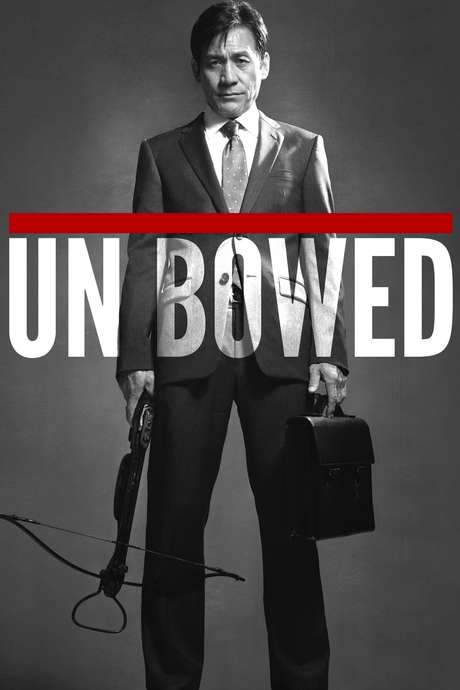
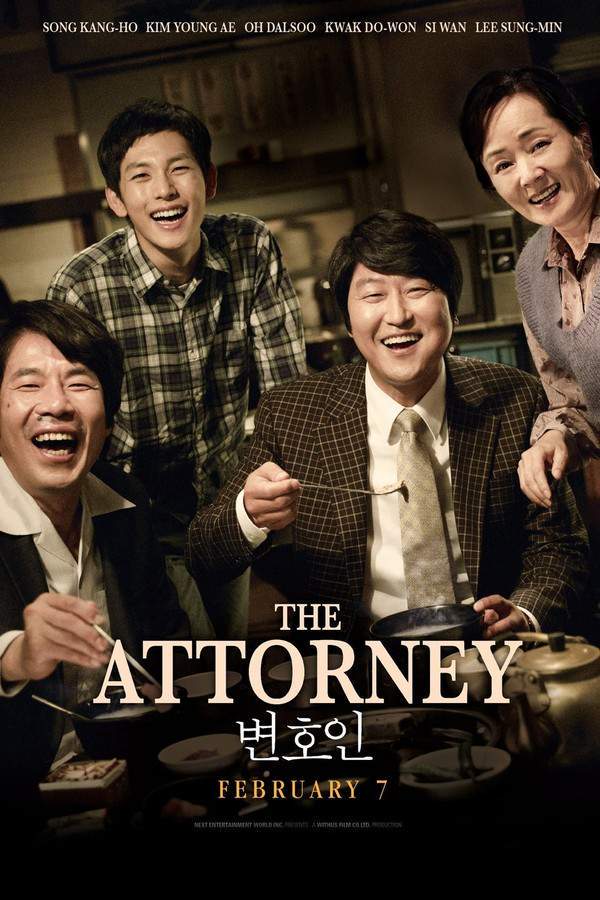
Courtroom Dramas Under a Fascist Shadow like in Open Doors

Legal dramas where the courtroom becomes a battleground against political oppression. Movies similar to 'Open Doors' that depict the tense atmosphere of a courtroom operating under a politically oppressive regime. If you were captivated by the moral struggle unfolding within a corrupted legal framework, this thread features films with a similar, bleak sense of justice.

  • tense
  • oppressive
  • political drama
  • courtroom
  • moral conflict
  • fascist
  • Tone: tense, oppressive, somber
  • Pacing: steady, procedural
Why these movies?

The story pattern: The narrative unfolds primarily within the confines of a courtroom or legal investigation, but the true antagonist is the oppressive political climate. The plot hinges on legal maneuvering and ethical arguments, as characters attempt to find pockets of justice within a system fundamentally opposed to it.

Why they belong together: These films are united by their specific setting—a courtroom under political duress—and a shared mood of tense intellectual conflict against a backdrop of systemic bleakness and institutional corruption.

If you liked this

Movies Like Open Doors

Similar movies to Open Doors: the same genre, themes or kind of story. Each one comes with its own plot summary, timeline and ending explained.

Browse all movie summaries

Every angle

Open Doors (1990) Explained: Plot, Timeline & Characters

Everything about Open Doors in one place: what happens in the plot summary, the timeline in chronological order, the characters and meaning and a spoiler-free summary. What's After the Movie adds the cast, box office and post-credit scenes.

Coming soon on iOS and Android

The Plot Explained Movie Summary App

Plot summaries, endings explained and timelines on your phone. Catch up on any movie in minutes, save your favorites and never miss a twist again.

Be the first to know when we launch. Your email stays private, always.

Learn more about the app