Plot Explained Spoilers guaranteed!
Plot Explained

Browse by genre

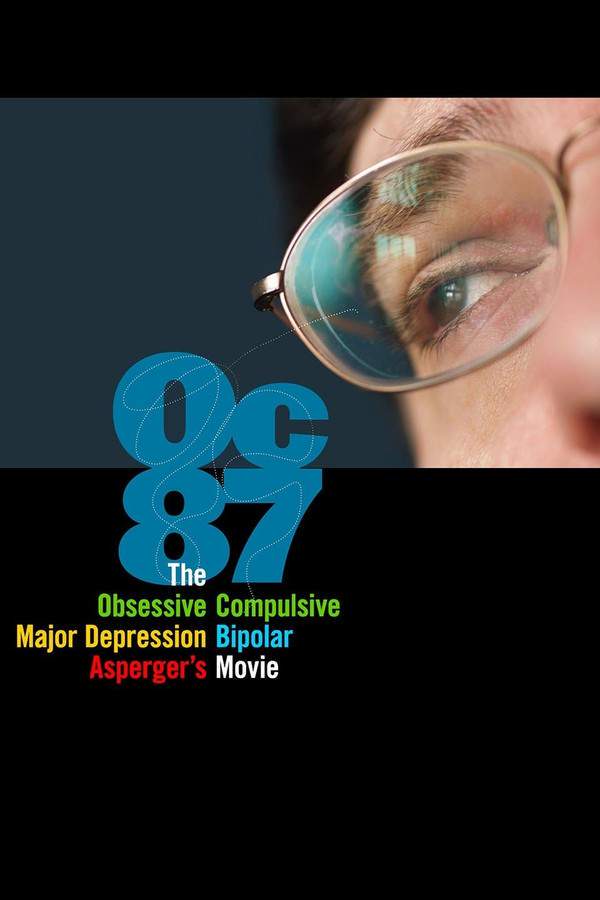
OC87: The Obsessive Compulsive, Major Depression, Bipolar, Asperger's Movie (2012) movie poster

Plot Summary

OC87: The Obsessive Compulsive, Major Depression, Bipolar, Asperger's Movie (2012) Plot Summary Explained

Release, runtime and language
2012 · 100 min · English
Directed by
Glenn Holsten, Bud Clayman, Scott Johnston
Starring
Buddy Clayman

This poignant documentary follows Bud Clayman's personal journey as he creates a film about his experiences with obsessive compulsive disorder, major depression, bipolar disorder, and Asperger's syndrome. Through his unflinching self-examination, he confronts past challenges that impacted his early career and searches for meaning and connection, offering a deeply personal and revealing biography.

On this page (6)
  1. 1 Where to watch
  2. 2 What happens: full plot
  3. 3 Plot questions answered
  4. 4 Movie threads
  5. 5 Movies like OC87: The Obsessive Compulsive, Major Depression, Bipolar, Asperger's Movie
  6. 6 Every angle

Where to watch

Where to Watch OC87: The Obsessive Compulsive, Major Depression, Bipolar, Asperger's Movie (2012)

Where can you watch OC87: The Obsessive Compulsive, Major Depression, Bipolar, Asperger's Movie? Stream, rent or buy it in the US, including on Amazon Video: current JustWatch availability with up-to-date prices.

Streaming availability powered by JustWatch

Full plot summary · contains spoilers

What Happens in OC87: The Obsessive Compulsive, Major Depression, Bipolar, Asperger's Movie: Full Plot Summary

The whole story of OC87: The Obsessive Compulsive, Major Depression, Bipolar, Asperger's Movie (2012) explained, from the opening scene to the final frame: every key event, every twist and what it all adds up to. Read it as a quick recap before the sequel, to check a scene you missed, or to finally understand what really happened.

Soon after graduating from college, Buddy Clayman faced the harsh reality of mental illness, which severely impacted his aspirations in Hollywood. Now, after thirty years of treatment, medications, and the ups and downs of life, Buddy refuses to wait for his symptoms to disappear; instead, he is embarking on an ambitious venture to create the movie of his life. In OC87, he takes on dual roles as both the subject and one of the directors, crafting a documentary that is both innovative and deeply touching, delivering a powerful message of mental health recovery.

The narrative intricately weaves together Buddy's history with Major Depression and Bipolar Disorder and juxtaposes these past struggles with his current battles and triumphs over Asperger's Syndrome and Obsessive Compulsive Disorder. As he reclaims his identity as a filmmaker, Buddy candidly documents his personal victories and setbacks, navigating what he describes as "the fight inside my head," alongside the complicated dynamics within his loving family.

Buddy's journey extends beyond his own experiences, as he travels across the country to connect with various individuals, including a TV star, psychiatrist, and radio news anchor, all of whom share their unique narratives surrounding mental illness and recovery. Each encounter reveals profound insights and emotional arcs that resonate deeply.

Behind the camera, a parallel story unfolds as Buddy, the Director, grapples with the unpredictable challenges that come with creating an incisive, highly personal documentary. He holds on to the belief that this film will not only transform him but also touch the lives of those who watch it. Ultimately, from the depths of his suffering, a nuanced portrayal of imperfect courage emerges, serving as a powerful testament to the themes of acceptance, change, and unwavering hope.

Last updated: October 25, 2024 at 10:55

Was this helpful?

Plot questions answered

OC87: The Obsessive Compulsive, Major Depression, Bipolar, Asperger's Movie Plot Explained: Your Questions Answered

The questions people ask most about OC87: The Obsessive Compulsive, Major Depression, Bipolar, Asperger's Movie (2012): what happens in the confusing scenes, why the characters do what they do, the twists, hidden details and what the ending means. Each answer contains spoilers.

Q1

Why did Buddy wait 30 years to make his documentary?

Buddy waited because he spent decades managing his mental health conditions before feeling ready to confront his story. After graduating with Hollywood aspirations, he was immediately hit by major depression and bipolar disorder, which derailed his career. He spent 30 years undergoing treatments and medications, believing he needed to 'fix' himself before pursuing filmmaking. Eventually, he realized he couldn't wait for symptoms to disappear and decided to take control of his narrative instead.

  • buddy clayman
  • 30 years
  • documentary
  • mental illness
  • film project
Q2

What mental illnesses does Buddy Clayman have?

Buddy Clayman lives with four distinct conditions: Major Depression, Bipolar Disorder, Obsessive Compulsive Disorder (OCD), and Asperger's Syndrome. The documentary specifically focuses on how these conditions have shaped his life and career, particularly his struggle with what he describes as 'the fight inside my head'. Each condition presents unique challenges that he documents throughout the film.

  • major depression
  • bipolar
  • ocd
  • asperger's
  • mental illness
Q3

What does the title OC87 mean?

The title OC87 refers to Obsessive Compulsive Disorder (OCD), with '87' potentially representing a significant year or personal reference in Buddy's journey. While the summary doesn't specify the exact meaning, the title directly references his experience with OCD as one of the central mental health conditions he addresses in the documentary.

  • oc87
  • title meaning
  • ocd
  • obsessive compulsive
Q4

How did Buddy's mental health affect his Hollywood career?

Soon after graduating from college with dreams of working in Hollywood, Buddy's mental illness severely impacted his career aspirations. The major depression and bipolar disorder he experienced right after college created barriers that prevented him from pursuing his initial professional goals in the film industry.

  • hollywood
  • career
  • depression
  • bipolar
  • film industry
Q5

Why does Buddy include other people's stories in his documentary?

Buddy travels across the country to interview a TV star, psychiatrist, and radio news anchor to show that mental illness affects many different people. These encounters provide diverse perspectives on mental health struggles and recovery, reinforcing the documentary's message that he is not alone in his battle. Each person's unique narrative adds emotional depth and broader resonance to his own story.

  • interviews
  • others
  • mental illness
  • perspectives
  • recovery
Q6

What does Buddy mean by 'the fight inside my head'?

Buddy uses this phrase to describe the ongoing internal battle with his mental health conditions. It represents the daily struggle between his depression, bipolar episodes, OCD compulsions, and Asperger's-related challenges. The documentary shows his attempts to navigate these competing internal forces while working on his filmmaking project.

  • fight inside head
  • internal battle
  • mental health struggle
Q7

Why does Buddy choose to direct his own documentary?

Buddy takes on dual roles as both subject and director to take control of his own narrative after decades of being defined by his mental illnesses. By directing the film himself, he ensures his story is told authentically and on his own terms. This approach also becomes part of his recovery journey, giving him purpose and agency.

  • director
  • subject
  • control
  • narrative
  • filmmaking
Q8

How do Buddy's family dynamics affect his recovery journey?

The documentary explores the complicated dynamics within Buddy's loving family and shows how his relationships influence his path toward mental health recovery. His family's support plays a significant role in his journey, though the relationships contain the complexities typical of families dealing with mental illness.

  • family
  • relationships
  • recovery
  • support
Q9

What is the main message of the OC87 documentary?

The documentary delivers a powerful message about mental health recovery, emphasizing themes of acceptance, change, and unwavering hope. Buddy's story serves as a testament that recovery is possible even from severe mental illness. The film aims to transform not only Buddy but also touch the lives of viewers who may be struggling with similar issues.

  • message
  • recovery
  • acceptance
  • hope
  • mental health
Q10

How does creating the documentary help Buddy's recovery?

The filmmaking process becomes therapeutic for Buddy, allowing him to reclaim his identity as a filmmaker after years of mental illness. By documenting his struggles and victories, he transforms his suffering into meaningful art. The act of creating the documentary represents a crucial part of his ongoing battle with mental illness and serves as both personal healing and a way to inspire others.

  • therapy
  • filmmaking
  • recovery
  • identity
  • transformation

Movie threads

More Movies Like OC87: The Obsessive Compulsive, Major Depression, Bipolar, Asperger's Movie, by Mood & Story

Curated lists built around what makes OC87: The Obsessive Compulsive, Major Depression, Bipolar, Asperger's Movie tick: the same mood, the same kind of story or the same emotional payoff. Each list explains why these movies belong together.

Documentaries about therapeutic art like OC87: The Obsessive Compulsive, Major Depression, Bipolar, Asperger's Movie

Personal stories where making art becomes the path to healing and self-discovery. If you liked the way OC87 uses filmmaking as a tool for mental health recovery, you'll appreciate these movies. This section features documentaries and biopics where creative pursuits help individuals process trauma, illness, or personal struggles, resulting in hopeful and introspective stories.

  • therapeutic
  • introspective
  • hopeful
  • creative process
  • resilient
  • personal journey
  • Tone: hopeful, introspective, candid
  • Pacing: steady, reflective
Why these movies?

The story pattern: The narrative follows a character who is actively engaged in a creative project, which runs parallel to their journey of confronting and overcoming a significant personal obstacle, often related to mental health or trauma. The story structure intertwines the progress of the artistic endeavor with the progression of personal healing.

Why they belong together: These films are grouped together because they share a unique blend of heavy emotional subject matter balanced by a hopeful, process-oriented tone. They offer a specific experience: witnessing the transformative power of channeling pain into something constructive, making the journey feel cathartic and affirming.
Candid mental health documentaries like OC87: The Obsessive Compulsive, Major Depression, Bipolar, Asperger's Movie

Raw and hopeful documentaries that offer a first-person perspective on living with illness. For viewers seeking movies similar to OC87, this collection features documentaries with a candid, first-person approach to mental health. These films share a hopeful yet honest tone, exploring conditions like depression, OCD, and bipolar disorder through intimate personal stories rather than clinical explanations.

  • candid
  • introspective
  • revealing
  • hopeful
  • resilient
  • personal
  • Tone: candid, hopeful, revealing
  • Pacing: steady, contemplative
Why these movies?

The story pattern: The narrative is driven by a subject's direct account of their experiences, often structured around a specific period of reflection or a project that forces them to examine their life. The conflict is internal, battling the conditions themselves, while the resolution centers on acceptance, coping, and finding hope.

Why they belong together: These movies are united by their unflinching yet hopeful approach to difficult topics. They prioritize authenticity and emotional resonance over drama, creating a specific vibe of intimate revelation. The shared experience is one of gaining a profound, empathetic insight into another person's mind.

If you liked this

Movies Like OC87: The Obsessive Compulsive, Major Depression, Bipolar, Asperger's Movie

Similar movies to OC87: The Obsessive Compulsive, Major Depression, Bipolar, Asperger's Movie: the same genre, themes or kind of story. Each one comes with its own plot summary, timeline and ending explained.

Browse all movie summaries

Every angle

OC87: The Obsessive Compulsive, Major Depression, Bipolar, Asperger's Movie (2012) Explained: Plot, Timeline & Characters

Everything about OC87: The Obsessive Compulsive, Major Depression, Bipolar, Asperger's Movie in one place: what happens in the plot summary, the timeline in chronological order, the characters and meaning and a spoiler-free summary. What's After the Movie adds the cast, box office and post-credit scenes.

Coming soon on iOS and Android

The Plot Explained Movie Summary App

Plot summaries, endings explained and timelines on your phone. Catch up on any movie in minutes, save your favorites and never miss a twist again.

Be the first to know when we launch. Your email stays private, always.

Learn more about the app