Year: 2001
Runtime: 135 min
Language: English
Director: Ron Howard
Budget: $58M
This biographical drama portrays the life of John Forbes Nash Jr., a brilliant mathematician whose groundbreaking work leads him to international acclaim. However, his life takes a dark turn when he struggles with schizophrenia, blurring the line between reality and delusion. The film follows Nash's journey as he confronts his illness while attempting to maintain his career and relationships, ultimately seeking a path toward recovery and understanding.
Warning: spoilers below!
Haven’t seen A Beautiful Mind yet? This summary contains major spoilers. Bookmark the page, watch the movie, and come back for the full breakdown. If you're ready, scroll on and relive the story!
Read the complete plot breakdown of A Beautiful Mind (2001), including all key story events, major twists, and the ending explained in detail. Discover what really happened—and what it all means.
In 1947, John Nash, played by Russell Crowe](/actor/russell-crowe), arrives at Princeton University as a co-recipient of the prestigious Carnegie Scholarship for mathematics, alongside his competitor, Martin Hansen. At a welcoming reception, he encounters a dynamic group of graduate students, including Richard Sol, Ainsley, and Bender, and his roommate, Charles Herman, portrayed by Paul Bettany.
Under immense pressure to publish, Nash yearns to share his own original ideas. His breakthrough comes during a discussion with fellow students about the best way to approach women at a bar. While Hansen quotes Adam Smith, advocating for an “every man for himself” mentality, Nash counters with a persuasive argument for cooperation, claiming it would yield better results. This pivotal moment leads Nash to develop a novel concept of governing dynamics, which he later publishes. His groundbreaking work earns him a position at MIT, where Sol and Bender join him.
As time progresses, Nash is summoned to the Pentagon to unravel encrypted enemy communications. To everyone’s astonishment, he decodes messages in his mind, drawing the attention of his enigmatic supervisor, William Parcher, played by Ed Harris, who works for the Department of Defense. Parcher assigns Nash a crucial task—deciphering codes hidden within ordinary magazines and newspapers to uncover a Soviet conspiracy. Obsessed with his mission, Nash becomes increasingly convinced that he is being followed, especially when responding to a secret mailbox.
During this turbulent period, a fellow student named Alicia Larde invites him to dinner, and they soon fall in love. On a visit back to Princeton, Nash meets up with Charles and is encouraged to propose to Alicia, leading to their wedding. However, as Nash delves deeper into his work, paranoia consumes him after witnessing a violent confrontation involving Parcher and suspected Soviet agents.
His life spirals further when he attempts to escape from what he believes are foreign spies during a guest lecture at Harvard University. A desperate altercation with Dr. Rosen results in Nash being forcibly sedated and placed in a psychiatric facility, where he learns from Rosen that he suffers from paranoid schizophrenia. Many of the people he believes to be real—including Charles and Marcee—are merely figments of his imagination. Alicia investigates the truth and shares it with Nash, revealing the unopened documents meant for his perceived mission.
After undergoing insulin shock therapy and later being released, Nash grapples with the debilitating side effects of his medication and clandestinely stops taking it, triggering a relapse. He again encounters his delusions, leading to a chaotic situation where Alicia finds him neglecting their baby, believing that Charles is caring for the child. During a tense moment, he declares to Alicia, “Marcee can’t be real! She never gets old!”, finally coming to terms with the falsehood of his hallucinations. Determined to confront his struggles without medication, he resolves to manage his condition with Alicia’s unwavering support.
Years pass, and Nash returns to Princeton to mend his academic pursuits by reconnecting with Hansen, who now leads the mathematics department. Granted permission to work from the library and audit classes, Nash gradually adapts to living with his hallucinations. By the late 1970s, he is reinstated as a teacher.
The culmination of his journey occurs in 1994 when Nash is awarded the Nobel Prize for his revolutionary contributions to game theory. During the ceremony, he dedicates the honor to his wife, proclaiming, “I’m only here because of you.” The film concludes with Nash, Alicia, and their son exiting the Stockholm auditorium; as Nash glimpses Charles, Marcee, and Parcher to the side, he only casts a brief look before moving forward with his life.

Last Updated: November 08, 2024 at 01:02
Discover curated groups of movies connected by mood, themes, and story style. Browse collections built around emotion, atmosphere, and narrative focus to easily find films that match what you feel like watching right now.
Stories of brilliant minds pushed to the brink by internal or external pressures.Discover movies like A Beautiful Mind that delve into the lives of brilliant individuals battling personal demons. This list features similar biographical dramas and psychological stories exploring genius and madness, where intellectual gifts collide with profound personal challenges.
The narrative typically follows a prodigy or genius as they achieve great heights, only to be confronted by a significant personal struggle—often mental illness, addiction, or immense pressure—that threatens to dismantle their world. The journey involves confronting this fragility while striving to hold onto their brilliance.
These films are grouped together because they share a central theme of intellectual brilliance intertwined with profound personal struggle. They create a unique tension between moments of intellectual triumph and scenes of deep psychological distress, offering a heavy but insightful viewing experience.
Emotionally heavy stories that ultimately lead to a hopeful and redemptive conclusion.If you liked the hopeful ending of A Beautiful Mind after its heavy emotional journey, explore these similar movies. This collection features dramas with high emotional weight and difficult themes that ultimately build toward inspirational and happy conclusions.
Stories in this thread begin by establishing a serious conflict or hardship. The middle section is often the most intense, as characters grapple with their circumstances. The narrative arc, however, is defined by a gradual climb toward recovery, understanding, or victory, making the eventual happy ending feel earned and meaningful.
These movies are connected by their unique ability to balance heavy, often distressing subject matter with an ultimately uplifting and hopeful tone. The emotional payoff is significant because it is preceded by a difficult but rewarding journey, creating a profoundly inspirational experience.
Don't stop at just watching — explore A Beautiful Mind in full detail. From the complete plot summary and scene-by-scene timeline to character breakdowns, thematic analysis, and a deep dive into the ending — every page helps you truly understand what A Beautiful Mind is all about. Plus, discover what's next after the movie.
Track the full timeline of A Beautiful Mind with every major event arranged chronologically. Perfect for decoding non-linear storytelling, flashbacks, or parallel narratives with a clear scene-by-scene breakdown.
Discover the characters, locations, and core themes that shape A Beautiful Mind. Get insights into symbolic elements, setting significance, and deeper narrative meaning — ideal for thematic analysis and movie breakdowns.
Get a quick, spoiler-free overview of A Beautiful Mind that covers the main plot points and key details without revealing any major twists or spoilers. Perfect for those who want to know what to expect before diving in.
Visit What's After the Movie to explore more about A Beautiful Mind: box office results, cast and crew info, production details, post-credit scenes, and external links — all in one place for movie fans and researchers.
Discover movies like A Beautiful Mind that share similar genres, themes, and storytelling elements. Whether you’re drawn to the atmosphere, character arcs, or plot structure, these curated recommendations will help you explore more films you’ll love.
A Beautiful Mind (2001) Scene-by-Scene Movie Timeline
A Beautiful Mind (2001) Movie Characters, Themes & Settings
A Beautiful Mind (2001) Spoiler-Free Summary & Key Flow
Movies Like A Beautiful Mind – Similar Titles You’ll Enjoy
The Imitation Game (2014) Spoiler-Packed Plot Recap
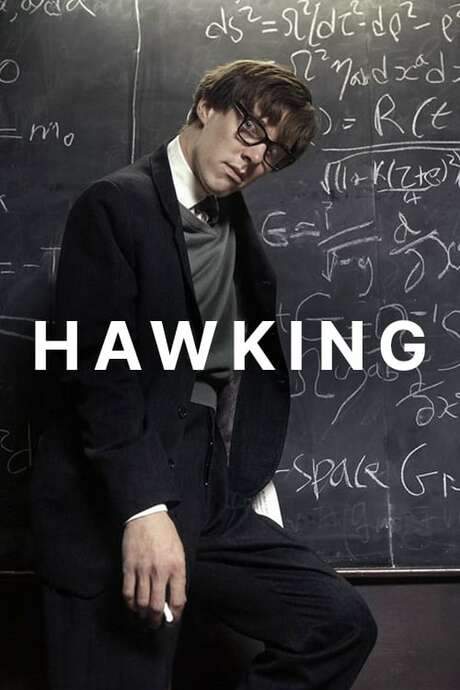
Hawking (2013) Full Summary & Key Details
Shine (1996) Film Overview & Timeline
Good Will Hunting (1997) Complete Plot Breakdown
The Accountant (2016) Full Summary & Key Details
Big Eyes (2014) Detailed Story Recap
Proof (2005) Complete Plot Breakdown
The Theory of Everything (2014) Movie Recap & Themes
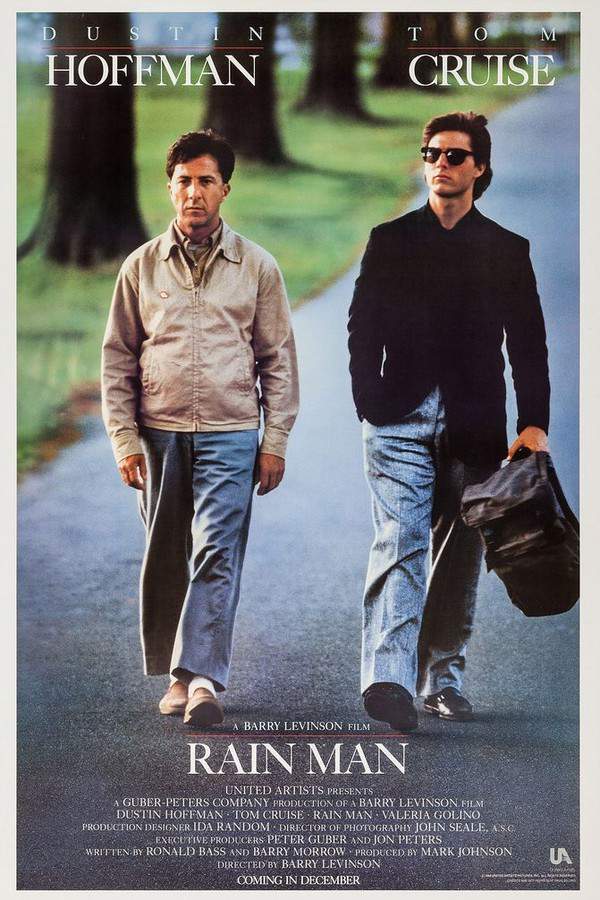
Rain Man (1988) Detailed Story Recap
Beautiful (2000) Complete Plot Breakdown
Girl, Interrupted (1999) Spoiler-Packed Plot Recap
A Fine Madness (1966) Full Summary & Key Details
A Beautiful Now (2016) Film Overview & Timeline
Cognitio (2018) Story Summary & Characters
Adaptation (1981) Complete Plot Breakdown