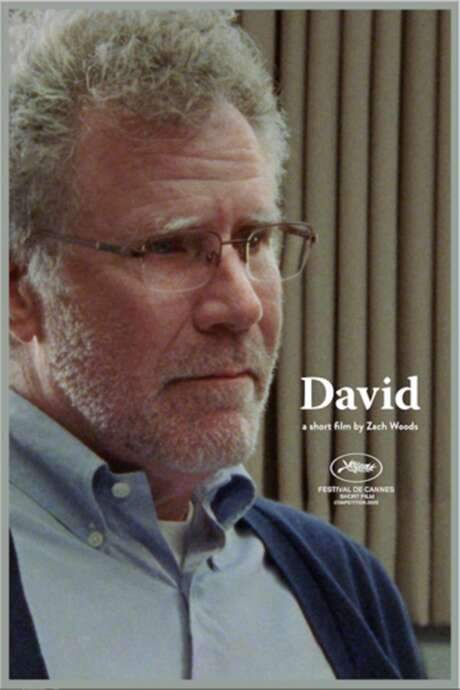
David, William Jackson Harper, calls his therapist Will Ferrell to schedule an appointment after having suicidalmindful thoughts. During the session, a young man in a wrestler’s uniform runs up and bangs on the window, shattering the quiet moment. The therapist tells David to ignore him, but the intruder pushes his way inside.
The young man, also named David, Fred Hechinger, is the therapist’s son and was preparing for a match he is to have with a “beast” named Andy Doan Corey Jantzen. The therapist had planned to attend the match, yet he chooses to stay and help David instead. Despite David’s assurance that postponing the session is fine, the therapist insists that the session continue and that young David leave. A sharp, painful clash erupts between father and son over priorities, with the therapist emphasizing the importance of working through David’s crisis, while David grows increasingly detached from the moment and the conversation.
In the heat of the confrontation, young David asserts that he will earn a wrestler’s scholarship. The therapist responds with blunt doubt, saying he will not, because David barely made the team, which triggers a short, tense exchange. Young David shoots back that his father isn’t supportive, and the moment sours quickly. The therapist then laments that it’s hard to take back harsh words, and young David’s eyes fill with tears. David, moved by the raw vulnerability on display, steps closer and offers a quiet, empathetic hug to the young man.
The scene shifts to the ring, where young David faces the challenge of Andy Doan Corey Jantzen as the crowd watches. He fights valiantly but loses almost immediately, a disappointing defeat that nonetheless marks a milestone in his growth. As he struggles to rise, he looks up and sees both his father and David in the stands, clapping for his effort. Their presence, a sign of support and recognition, brings a shy, hopeful smile to his face, suggesting a reconciliation of sorts between the competing pressures of fear, ambition, and care.
This encounter between father and son, and the stubborn, protective stance of the therapist, unfolds against the backdrop of a high-stakes athletic moment. It becomes clear that underneath the surface tension there is a desire to be seen, heard, and valued by the people who matter most. By the end, the collective applause from the crowd, paired with the shared, sincere acknowledgment from the two men in his life, hints at a fragile but meaningful bridge being built—one that acknowledges pain, offers compassion, and celebrates courage in the face of doubt.