Plot Explained Spoilers guaranteed!
Plot Explained

Browse by genre

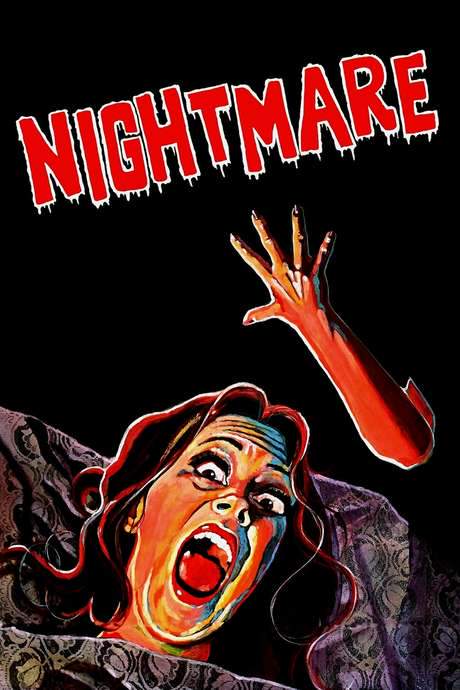
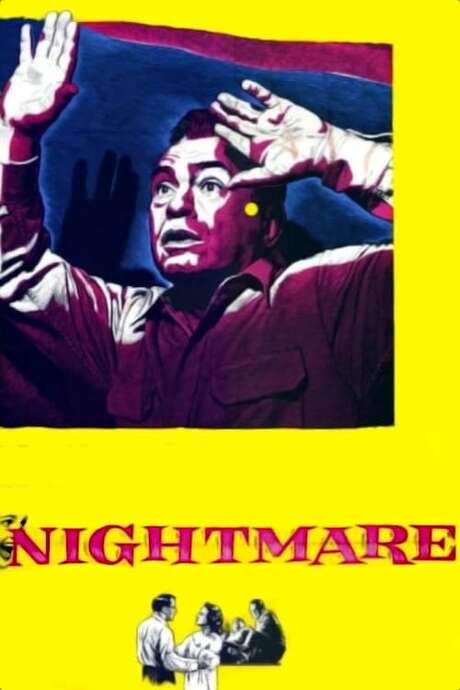
Nightmare (1956) movie poster

Timeline

Nightmare (1956) Timeline Explained – Every Event in Order

Release, runtime and language
1956 · 89 mins · English
Directed by
Maxwell Shane
Starring
Kevin McCarthy, Rhys Williams, Edward G. Robinson, Virginia Christine, John Mitchum, Gage Clarke

A hypnotist’s warning haunts Clarinetist Stan when he awakens from a vivid nightmare in which he murders a man inside a mirrored room. The dream feels real when he discovers fresh blood on his hands and a mysterious key matching the one from the vision, leading him to believe the crime may have actually occurred.

On this page (5)
  1. 1 Events in order (12)
  2. 2 Timeline questions answered
  3. 3 Movie threads
  4. 4 Movies like Nightmare
  5. 5 Every angle

12 events in order · contains spoilers

Nightmare Timeline: Events in Chronological Order

Every key event of Nightmare (1956) in order, scene by scene, with when and where it takes place. Use it to untangle flashbacks, time jumps and parallel storylines, to refresh your memory before the sequel or to find the exact scene you are thinking of.

  1. Nightmare in the mirrored room

    Stan Grayson experiences a haunting dream where he kills a man inside a mirrored room accompanied by a dirge-like score. He wakes to find blood on his hands, bruises on his neck, and a key from the dream clutched in his fingers. The vision unsettles him, hinting at guilt that may follow him into waking life.

    When
    Night
    Where
    Grayson's bedroom (dream sequence)
  2. Aftermath of the dream

    Grayson awakens with physical signs that his nightmare might be more than a dream. He inventories the blood, bruises, and the mysterious key, unsure what actually happened. The unsettling revelation pushes him to seek explanation, even if only in his own mind.

    When
    Early morning
    Where
    Grayson's apartment
  3. Confession to Bressard

    Grayson confides the dream and its troubling implications to his brother-in-law, detective Rene Bressard. Bressard dismisses the vision as likely stress or fantasy and urges caution about taking it seriously. The lack of immediate support deepens Grayson's isolation.

    When
    Morning
    Where
    Grayson's home
  4. Picnic in the country

    Later, Grayson and Bressard take a picnic in the countryside with Grayson's girlfriend and sister. The day turns eerie as Grayson leads them toward the empty house from his dream. Dark clouds roll in and rain begins to fall.

    When
    Afternoon
    Where
    The countryside
  5. Discovery of the dream house

    At the dream house, they discover an empty residence that matches Grayson's vision. The atmosphere grows tense as the group explores the place. The setting foreshadows the connection between memory and reality.

    When
    Afternoon
    Where
    Dream house (empty house)
  6. Record player and the dream's song

    While they explore, a record player begins to play as they dance, and the speed of the phonograph unexpectedly shifts when bumped. The tempo slows to resemble the lullaby from Grayson's nightmare. The eerie musical echo unsettles everyone present.

    When
    Afternoon
    Where
    Dream house
  7. Mirrored room revealed

    The group uncovers a mirrored room within the house that mirrors Grayson's dream. The discovery blurs the boundary between his vision and the real location. Grayson's grip tightens as fear and confusion mount.

    When
    Afternoon
    Where
    Dream house, mirrored room
  8. A murder connected to the house

    They learn that a murder occurred, tying the house to a real crime and raising suspicion on Grayson. He protests his innocence, but Bressard becomes convinced that something darker may be at play. The mystery deepens as clues point toward external influence.

    When
    Evening
    Where
    Dream house / vicinity
  9. Grayson's mounting distress

    Grayson is physically and emotionally strained by the possibility that he committed the murder unknowingly. His agitation and suicidal thoughts compel Bressard to pursue the case with renewed determination. The personal stakes intensify the investigation.

    When
    Evening
    Where
    Grayson's residence
  10. Hypnotist in the building

    Bressard discovers a hypnotist living in Grayson's building who could have manipulated his actions. The case shifts from memory to manipulation, suggesting an external force behind the crime. Grayson becomes a potential conduit for external control.

    Where
    Grayson's building
  11. Investigative pivot toward control

    With the hypnosis lead, Bressard focuses on whether Grayson acted under another's influence when the murder happened. He gathers evidence and questions that could separate voluntary action from involuntary compulsion. The investigation tightens around the idea of free will vs. manipulation.

    When
    Night
    Where
    Police / investigation scene
  12. Goal: prove lack of free will

    The detective's objective is to prove that Grayson killed under external control rather than by his own free will. The film centers on whether a dream, a hypnotist, or both could render a man responsible for acts he did not choose. The conclusion hinges on whether true agency can be restored or denied.

    When
    Final act
    Where
    Police station / court

Last updated: February 24, 2026 at 13:39

Was this helpful?

Timeline questions answered

Nightmare Timeline Explained: Your Questions Answered

When does it happen, and why in that order? The questions people ask about the chronology of Nightmare (1956): time jumps, flashbacks, cause and effect between scenes and the correct order of events, each answered with spoilers.

Q1

Why does Stan have blood on his hands after his nightmare?

Stan wakes from his nightmare to find fresh blood on his hands and bruises around his neck, along with a mysterious key still clutched in his hand. This physical evidence suggests the murder he witnessed in his dream may have actually occurred in waking life. The blood and bruises are the first clues that blur the boundary between his vision and reality, leading him to fear he may have committed the crime without remembering it.

  • blood on hands
  • nightmare
  • physical evidence
  • stan grayson
Q2

How did Stan know about the house from his dream?

Stan experiences a vivid nightmare featuring a specific house with a mirrored room where he kills a man. During a countryside picnic with his girlfriend Gina and sister Madge, Stan leads the group to an empty house that exactly matches the one from his vision. The house contains the same layout, the record player, and ultimately the mirrored room, demonstrating that his dream was either precognitive or directly connected to a real location where a murder took place.

Foreshadowing: The dream house is first shown in Stan's nightmare before they physically arrive there.

  • dream house
  • exact location
  • stan vision
  • mirrored room
Q3

What was the significance of the key in Stan's nightmare?

In Stan's nightmare, he discovers and retrieves a key while in the mirrored room during the murder scene. When he wakes, he finds that same key still clutched in his hand. This concrete object connecting his dream to reality is the primary evidence that convinces him, and later his companions, that his dream was not merely imagination but somehow connected to an actual event.

  • mysterious key
  • dream evidence
  • stan grayson
  • mirrored room
Q4

Why did the record player play the nightmare music?

While exploring the dream house, the group finds a record player and begins to dance. When Gina nudges the phonograph, the speed unexpectedly shifts, causing the music to slow down into a dirge-like melody that precisely matches the soundtrack from Stan's nightmare. This eerie musical echo confirms that Stan's dream was connected to this actual place, deepening the mystery of whether he witnessed or participated in a real murder.

Foreshadowing: The same dirge-like music underscored Stan's nightmare vision.

  • record player
  • nightmare music
  • phonograph
  • dirge soundtrack
Q5

Was Stan actually the murderer in the film?

The film reveals that Stan did commit the murder, but not of his own free will. Detective Rene Bressard discovers a hypnotist living in Stan's building who had manipulated Stan's mind, making him an unwitting instrument of the crime. The conclusion focuses on proving that Stan lacked agency when he killed the man in the mirrored room, establishing that he was a victim of psychological control rather than a voluntary murderer.

  • stan murderer
  • hypnosis
  • free will
  • mental manipulation
Q6

What role did the hypnotist play in the murder?

Rene Bressard discovers that a hypnotist lives in Stan's building, suggesting this figure used Stan as an unknowing instrument to commit the murder. The investigation shifts toward proving that Stan acted under external control rather than his own volition. The hypnotist's involvement transforms the case from a straightforward murder investigation into an exploration of manipulated will versus personal guilt.

  • hypnotist
  • mind control
  • stan building
  • external influence
Q7

Why did Bressard suspect Stan of the murder?

Although Stan confesses to experiencing the nightmare and having no memory of committing the crime, the physical evidence, a murder occurring at the exact house from Stan's vision, with blood and a key connecting to Stan, makes him the primary suspect. Bressard, despite being Stan's brother-in-law, cannot ignore the circumstantial evidence pointing toward Stan. The detective must pursue the truth objectively, even when it points to family.

  • rene bressard
  • stan suspect
  • detective
  • circumstantial evidence
Q8

What was the mirrored room's significance in Nightmare?

The mirrored room is the central location from Stan's nightmare where he witnesses and apparently commits a murder. The room's many mirrors create a disorienting visual effect, symbolizing the blurred line between reality and illusion. When the group discovers this exact room in the dream house, it serves as definitive proof that Stan's visions connected to an actual crime scene.

  • mirrored room
  • murder location
  • dream vs reality
  • reflection
Q9

How did Stan's dream predict or connect to the real murder?

Stan experiences a hyper-realistic nightmare showing him killing a man in a mirrored room. The dream contains accurate details about a real house, including its location, layout, a record player, and the fatal room. Whether the dream was precognitive, a result of the hypnotist's programming, or another mechanism is left somewhat ambiguous, but it served as the conduit linking Stan to the crime.

  • precognitive dream
  • dream connection
  • psychic vision
  • crime link
Q10

What caused the bruises on Stan's neck?

When Stan wakes from his nightmare, besides finding blood on his hands and the mysterious key, he discovers bruises circling his neck. These physical marks suggest he may have struggled with his victim or been involved in a physical confrontation during the murder, though he has no conscious memory of the event. The bruises contribute to his belief that he may have committed the crime while in an altered state.

  • bruises neck
  • physical evidence
  • stan injury
  • unconscious act
Q11

Why did Stan lead the group to the dream house?

During the countryside picnic, Stan unexpectedly guides Rene Bressard, Gina, and Madge to the empty house from his nightmare. This action seems driven by an unconscious pull or memory, as if the location from his vision was imprinted in his mind. The group follows, initially treating it as a curious detour, but the visit becomes ominous when the house reveals itself to be the actual murder scene.

  • stan leads house
  • unconscious memory
  • dream location
  • picnic
Q12

How does Nightmare end and what happens to Stan?

Nightmare ends with Stan's innocence being proven, but the resolution is morally ambiguous. Detective Rene Bressard successfully demonstrates that Stan was manipulated by the hypnotist and therefore lacked free will when committing the murder. While Stan is cleared of guilt, the revelation that he was controlled into killing leaves a disturbing conclusion, he was violated psychologically and used as an instrument of murder, leaving permanent psychological scars rather than a clear victory.

  • nightmare ending
  • stan cleared
  • hypnotist guilt
  • moral ambiguity

Movie threads

More Movies Like Nightmare, by Mood & Story

Curated lists built around what makes Nightmare tick: the same mood, the same kind of story or the same emotional payoff. Each list explains why these movies belong together.

Reality-bending thrillers like Nightmare

Stories where the line between nightmare and reality becomes dangerously thin. If you enjoyed the psychological unraveling and blurred realities of Nightmare, this list features more movies where characters grapple with manipulated perceptions, false memories, and the terrifying uncertainty of their own sanity.

  • paranoid
  • unsettling
  • dreamlike
  • psychological
  • mind-bending
  • suspenseful
  • Tone: tense, unsettling, paranoid
  • Pacing: steady, investigative
Why these movies?

The story pattern: These narratives often follow a protagonist who experiences a traumatic or surreal event—a dream, a hypnosis session, a psychological break—that calls their entire reality into question. The plot becomes an investigative puzzle where the protagonist must uncover the truth while battling overwhelming doubt and external forces that gaslight or control them.

Why they belong together: Movies in this thread share a core theme of psychological disintegration and unreliable reality. They are united by a tense, unsettling mood that keeps viewers guessing, a moderate complexity in their layered mysteries, and a heavy emotional weight stemming from themes of manipulation and existential dread.
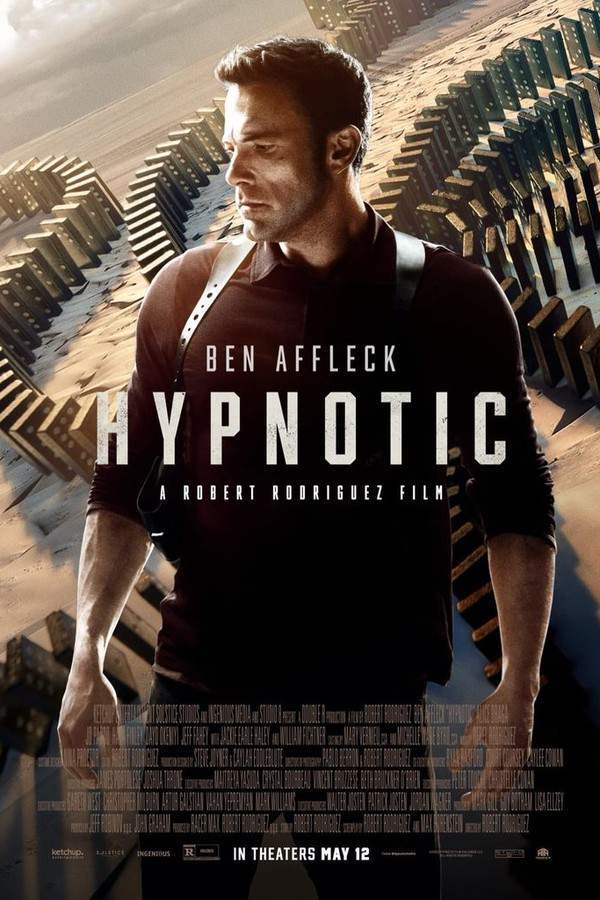
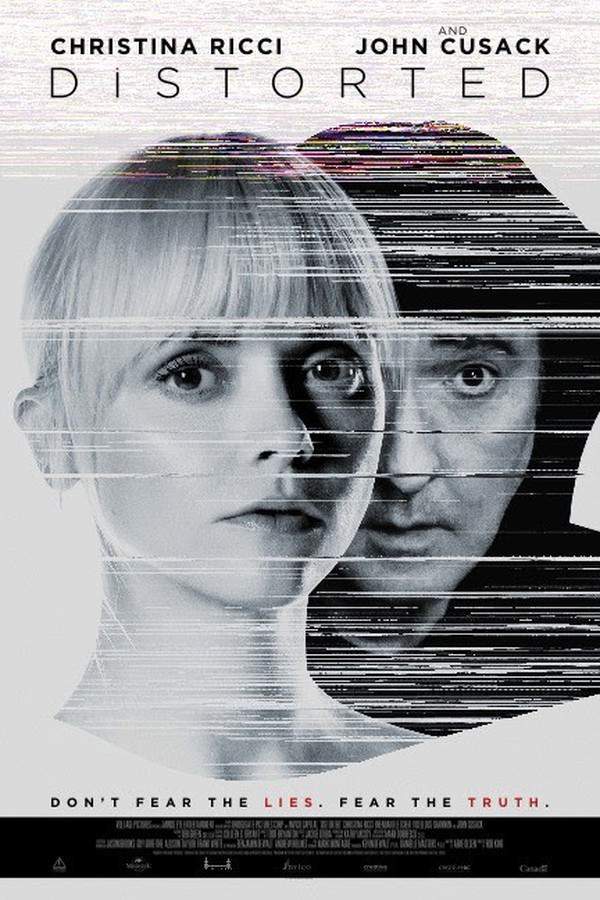
Wrongful suspicion crime dramas like Nightmare

An innocent person must investigate the crime they're accused of committing. Fans of Nightmare's plot about a man investigating a murder he may have committed will enjoy these tense crime films centered on protagonists who must prove their innocence against overwhelming evidence.

  • wrongful accusation
  • suspenseful
  • investigation
  • paranoid
  • claustrophobic
  • tense
  • Tone: tense, bleak, suspenseful
  • Pacing: steady, methodical
Why these movies?

The story pattern: The narrative pattern begins with the protagonist discovering they are implicated in a crime, often through circumstantial evidence or a setup. The journey is one of desperation and determination, as they follow clues while evading the authorities. These stories typically feature a morally ambiguous world where trust is scarce and the true culprit is hidden in plain sight.

Why they belong together: These movies are grouped by their shared high-tension mood, steady pacing as the mystery unfolds clue by clue, and the heavy emotional burden of being falsely accused. They focus on the psychological toll of the investigation and the claustrophobic feeling of being trapped by a situation beyond one's control.

If you liked this

Movies Like Nightmare

Similar movies to Nightmare: the same genre, themes or kind of story. Each one comes with its own plot summary, timeline and ending explained.

Browse all movie summaries

Every angle

Nightmare (1956) Explained: Plot, Timeline & Characters

Everything about Nightmare in one place: what happens in the plot summary, the timeline in chronological order, the characters and meaning and a spoiler-free summary. What's After the Movie adds the cast, box office and post-credit scenes.

Coming soon on iOS and Android

The Plot Explained Movie Summary App

Plot summaries, endings explained and timelines on your phone. Catch up on any movie in minutes, save your favorites and never miss a twist again.

Be the first to know when we launch. Your email stays private, always.

Learn more about the app