Plot Explained Spoilers guaranteed!
Plot Explained

Browse by genre

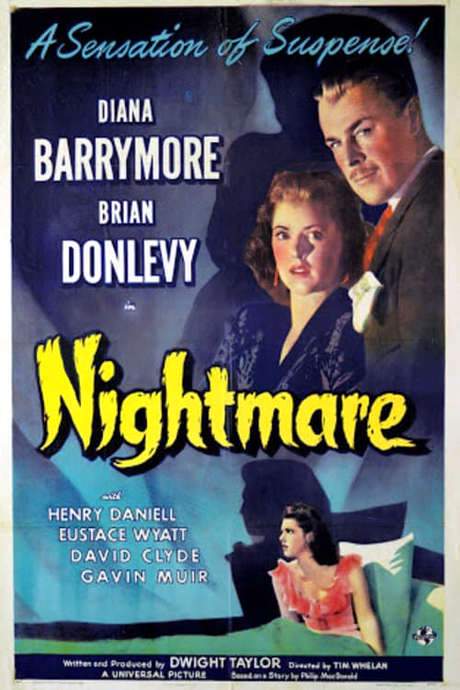
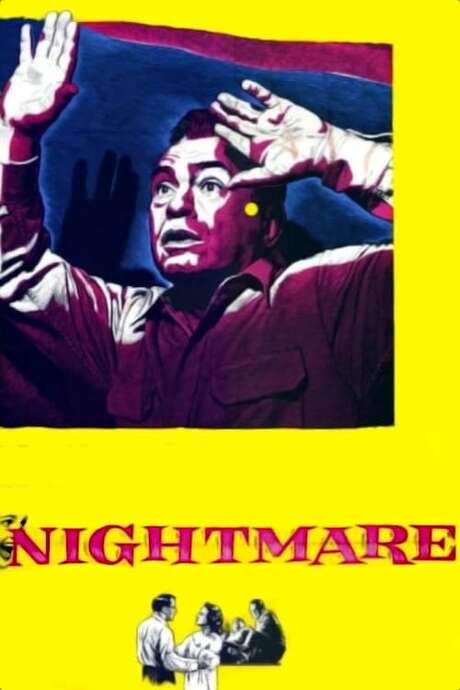
Nightmare (1956) movie poster

Characters & Themes

Nightmare (1956) Characters, Setting & Themes Explained

Release, runtime and language
1956 · 89 mins · English
Directed by
Maxwell Shane
Starring
Kevin McCarthy, Rhys Williams, Edward G. Robinson, Virginia Christine, John Mitchum, Gage Clarke

A hypnotist’s warning haunts Clarinetist Stan when he awakens from a vivid nightmare in which he murders a man inside a mirrored room. The dream feels real when he discovers fresh blood on his hands and a mysterious key matching the one from the vision, leading him to believe the crime may have actually occurred.

On this page (7)
  1. 1 Characters explained (9)
  2. 2 Where & when it takes place
  3. 3 Themes & meaning (3)
  4. 4 Character & meaning questions
  5. 5 Movie threads
  6. 6 Movies like Nightmare
  7. 7 Every angle

9 main characters · contains spoilers

Nightmare Characters Explained: Who Is Who

The main characters of Nightmare (1956), heroes and villains: what drives them, how they change over the course of the story and what each of them reveals about the film's bigger ideas.

  • Stan Grayson (Kevin McCarthy)

    A talented New Orleans big-band clarinetist who is plagued by a nightmare that mirrors a real murder. His psyche frays under the weight of fear, guilt, and confusing signs that push him toward danger. As the investigation unfolds, the line between his autonomy and coercion becomes the central mystery.

    • 🎷 Jazz musician
    • 🧠 Tormented
    • 🗝️ Suspect under suspicion
  • Rene Bressard (Edward G. Robinson)

    A police detective and Stan’s ally who is determined to uncover the truth. He investigates the murder and the dream-linked evidence with a cool, methodical approach, challenging Stan’s insistence on his own innocence. His pursuit drives the film’s investigative noir arc.

    • 🕵️ Detective
    • 🧭 Logical
    • 🧩 Investigative
  • Sue Bressard (Virginia Christine)

    A member of the Bressard circle who interacts with Stan during a tense period of suspicion. Her presence contributes to the film’s entangled relationships and emotional stakes, intensifying the mystery.

    • 💃 Social presence
    • 👀 Tense
    • 💔 Romantic tension
  • Gina (Connie Russell)

    A nightclub performer who embodies the noir atmosphere and social orbit around Stan’s world. Her appearances weave into the clue trail and heighten the sense of danger in the club scene.

    • 🎤 Nightlife
    • 🕶️ Allure
    • 🗺️ Suspected connections
  • Madge Novick (Marian Carr)

    A social acquaintance tied to the city’s nightlife circle who adds to the film’s web of acquaintances and potential motives. She helps flesh out the social backdrop against which the crime unfolds.

    • 🕊️ Socialite
    • 🕯️ Atmosphere
    • 🧩 Motives
  • Captain Warner (Barry Atwater)

    A police captain representing official authority and the procedural side of the case. He interacts with Rene’s investigative work and the hunt for the truth.

    • 🏛️ Authority
    • 🧭 Investigation
    • 🗝️ Official
  • Belknap / Harry Britten (Gage Clarke)

    A dual-named figure whose role ties into the mystery’s suspects and misdirections. He represents the shadowy side of the narrative’s crime web.

    • 🕶️ Suspect
    • 🗝️ Dual identity
    • 🧭 Ambiguity
  • Bob Clune (Sol Gorss)

    An uncredited supporting character who participates in the noir-filled nightclub and crime scene world. He adds to the texture of the film’s social milieu.

    • 🎭 Supporting role
    • 🕯️ Atmosphere
    • 🗂️ Clue carrier
  • Meade (Meade 'Lux' Lewis)

    A musical presence within the story who connects to the same jazz world as Stan. His presence underlines the era’s big-band culture.

    • 🎹 Jazz
    • 🎶 Musician
    • 🧭 Cultural touchstone

Last updated: February 19, 2026 at 09:27

Was this helpful?

Setting

Where and When Does Nightmare Take Place?

The setting of Nightmare (1956): the year and time period, the places and locations, and how they shape the characters, the mood and the tension of the story.

Time period

1940s

Set in the post-war era, the story rides the wave of film noir aesthetics and the big-band era. The period’s nightlife, fashion, and mood amplify the sense of paranoia as suspicions mount about whether the protagonist acted of his own accord. The era’s reliance on psychological thrillers mirrors the era’s anxieties.

Location

New Orleans, Countryside house near New Orleans

The film unfolds against the backdrop of New Orleans’ vibrant jazz scene and a moody countryside setting. It contrasts the city’s neon clubs and street life with a rain-soaked, claustrophobic country house where a mirrored room reveals the crime. The city’s atmosphere and music culture help drive the noir tension.

  • 🎷 Jazz City
  • 🌧️ Rainy noir
  • 🏙️ Nightlife

Last updated: February 19, 2026 at 09:27

Was this helpful?

3 major themes

Nightmare Meaning: Themes & Message Explained

What is Nightmare (1956) really about? The emotional, social and philosophical themes the film keeps returning to, its symbolism and the message beneath the surface.

  • Dream vs Reality

    A nightmare sequence foreshadows real events, and the lines between dream and waking life blur. The mirrored room motif recurs as truth becomes increasingly elusive. The protagonist’s fear and guilt propel the plot as clues surface that the crime may not be his doing.

  • Guilt & Free Will

    The narrative probes whether Stan’s actions were his own or the result of external manipulation. Investigators wrestle with the possibility that he was compelled to commit murder. The theme underpins the moral dilemma at the heart of the mystery.

  • Manipulation & Control

    A hypnotist’s influence exposes how external forces can steer a person toward crime. The plot thickens as friends and authorities try to separate coercion from culpability. The tension rests on whether free will can be proven in a case built on suggestion and deception.

Last updated: February 19, 2026 at 09:27

Was this helpful?

Character & theme questions

Nightmare Characters & Meaning: Your Questions Answered

The questions people ask about Nightmare (1956): who the characters really are, their relationships, what the symbols mean, where it takes place and what the movie is really about. Each answer contains spoilers.

Q1

Where is the movie Nightmare set?

Nightmare is set primarily in New Orleans, featuring the city's vibrant jazz club scene with its neon lights and nightlife, contrasted with a moody countryside house near New Orleans where a key mirrored room serves as the crime scene location.

  • new orleans setting
  • countryside house
  • jazz clubs
  • noir locations
Q2

What time period does Nightmare take place in?

The film is set in the 1940s, during the post-war era that embraces film noir aesthetics and the big-band era. This period's atmosphere of nightlife, fashion, and underlying paranoia shapes the film's mood and sense of psychological tension.

  • 1940s
  • post-war era
  • film noir era
  • big-band era
Q3

What is the Dream vs Reality theme in Nightmare about?

The film explores the blurring lines between dream and waking life through a nightmare sequence that appears to foreshadow real events. A mirrored room motif recurs as truth becomes increasingly elusive, with the protagonist's fear and guilt driving the plot as clues surface that the crime may not be his doing.

  • dream sequence
  • mirrored room
  • reality blur
  • psychological tension
Q4

What does the Guilt and Free Will theme explore in Nightmare?

The narrative probes whether Stan's actions were his own volition or the result of external manipulation. Investigators wrestle with the possibility that he was compelled to commit murder, creating a moral dilemma at the heart of the mystery that questions personal autonomy and culpability.

  • guilt
  • free will
  • autonomy
  • compulsion
  • moral dilemma
Q5

How does Manipulation and Control theme play out in Nightmare?

A hypnotist's influence exposes how external forces can steer a person toward crime. The plot examines whether free will can be proven when a case is built on suggestion and deception, as friends and authorities try to separate coercion from culpability.

  • hypnotist
  • manipulation
  • coercion
  • suggestion
  • deception
Q6

Who is Stan Grayson in the movie Nightmare?

Stan Grayson is a talented New Orleans big-band clarinetist who becomes plagued by a disturbing nightmare that mirrors a real murder. His psyche frays under fear, guilt, and confusing signs as the central mystery unfolds, whether he is a murderer or a victim of manipulation.

  • clarinetist
  • protagonist
  • new orleans
  • jazz musician
  • psychological thriller
Q7

What role does Rene Bressard play in Nightmare?

Rene Bressard is a police detective and Stan's ally who investigates the murder with a cool, methodical approach. He challenges Stan's insistence on innocence while pursuing the truth, driving the film's investigative noir arc as he uncovers dream-linked evidence.

  • detective
  • investigator
  • police
  • noir protagonist
  • ally
Q8

What is the significance of the jazz setting in Nightmare?

New Orleans' jazz scene serves as the film's primary backdrop, with its vibrant nightlife, neon clubs, and street life driving the noir tension. The era's big-band culture and musical atmosphere amplify the sense of paranoia and psychological unease that permeates the story.

  • jazz scene
  • nightlife
  • new orleans music
  • noir atmosphere
  • big-band
Q9

How does Nightmare use film noir elements?

Nightmare employs classic film noir aesthetics including a moody, rain-soaked atmosphere, psychological tension, and moral ambiguity. The 1940s setting reinforces these elements through its fashion, lighting, and the era's fascination with psychological thrillers that mirror contemporary anxieties about manipulation and guilt.

  • film noir
  • psychological thriller
  • moral ambiguity
  • noir aesthetics
  • 1940s thriller

Movie threads

More Movies Like Nightmare, by Mood & Story

Curated lists built around what makes Nightmare tick: the same mood, the same kind of story or the same emotional payoff. Each list explains why these movies belong together.

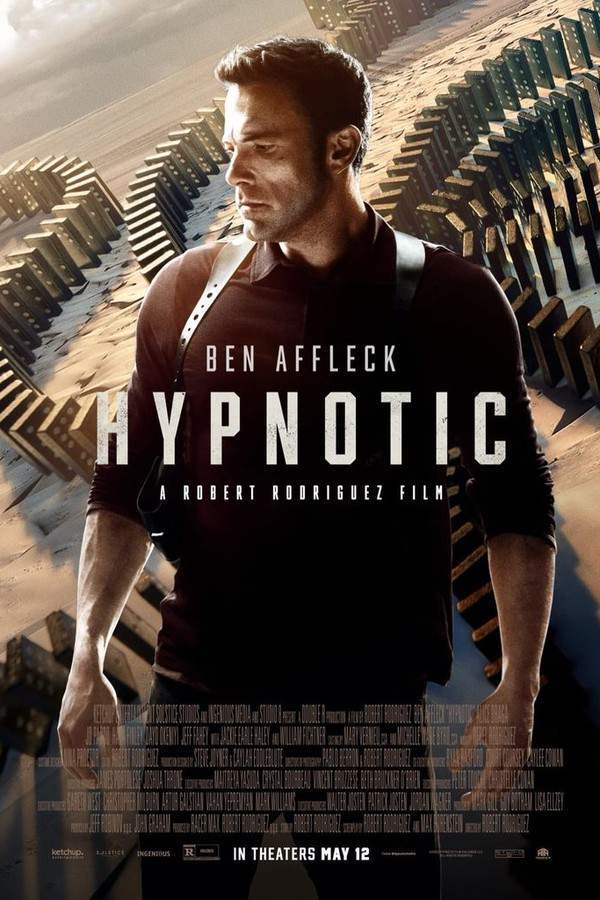
Reality-bending thrillers like Nightmare

Stories where the line between nightmare and reality becomes dangerously thin. If you enjoyed the psychological unraveling and blurred realities of Nightmare, this list features more movies where characters grapple with manipulated perceptions, false memories, and the terrifying uncertainty of their own sanity.

  • paranoid
  • unsettling
  • dreamlike
  • psychological
  • mind-bending
  • suspenseful
  • Tone: tense, unsettling, paranoid
  • Pacing: steady, investigative
Why these movies?

The story pattern: These narratives often follow a protagonist who experiences a traumatic or surreal event—a dream, a hypnosis session, a psychological break—that calls their entire reality into question. The plot becomes an investigative puzzle where the protagonist must uncover the truth while battling overwhelming doubt and external forces that gaslight or control them.

Why they belong together: Movies in this thread share a core theme of psychological disintegration and unreliable reality. They are united by a tense, unsettling mood that keeps viewers guessing, a moderate complexity in their layered mysteries, and a heavy emotional weight stemming from themes of manipulation and existential dread.
Wrongful suspicion crime dramas like Nightmare

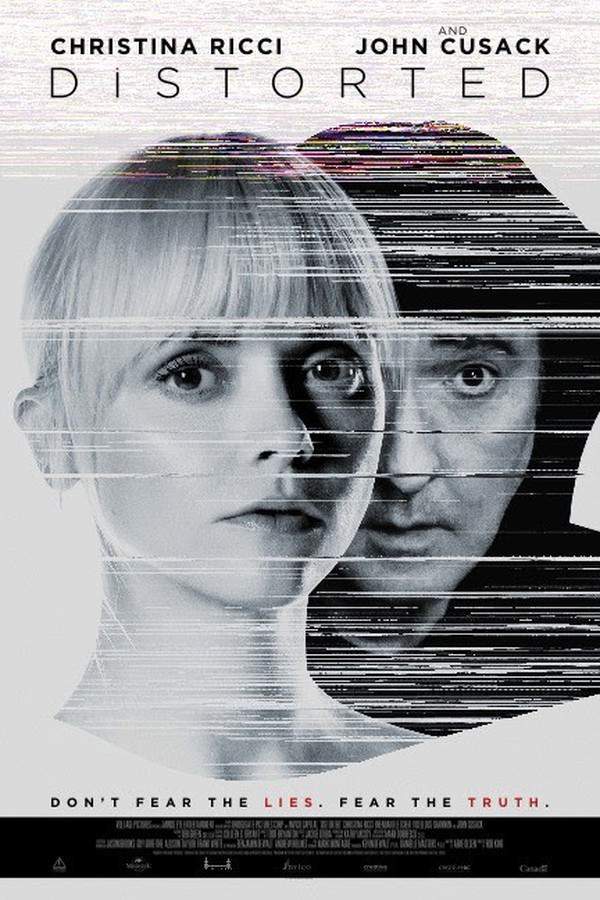
An innocent person must investigate the crime they're accused of committing. Fans of Nightmare's plot about a man investigating a murder he may have committed will enjoy these tense crime films centered on protagonists who must prove their innocence against overwhelming evidence.

  • wrongful accusation
  • suspenseful
  • investigation
  • paranoid
  • claustrophobic
  • tense
  • Tone: tense, bleak, suspenseful
  • Pacing: steady, methodical
Why these movies?

The story pattern: The narrative pattern begins with the protagonist discovering they are implicated in a crime, often through circumstantial evidence or a setup. The journey is one of desperation and determination, as they follow clues while evading the authorities. These stories typically feature a morally ambiguous world where trust is scarce and the true culprit is hidden in plain sight.

Why they belong together: These movies are grouped by their shared high-tension mood, steady pacing as the mystery unfolds clue by clue, and the heavy emotional burden of being falsely accused. They focus on the psychological toll of the investigation and the claustrophobic feeling of being trapped by a situation beyond one's control.

If you liked this

Movies Like Nightmare

Similar movies to Nightmare: the same genre, themes or kind of story. Each one comes with its own plot summary, timeline and ending explained.

Browse all movie summaries

Every angle

Nightmare (1956) Explained: Plot, Timeline & Characters

Everything about Nightmare in one place: what happens in the plot summary, the timeline in chronological order, the characters and meaning and a spoiler-free summary. What's After the Movie adds the cast, box office and post-credit scenes.

Coming soon on iOS and Android

The Plot Explained Movie Summary App

Plot summaries, endings explained and timelines on your phone. Catch up on any movie in minutes, save your favorites and never miss a twist again.

Be the first to know when we launch. Your email stays private, always.

Learn more about the app