











Plot Explained Spoilers guaranteed!
Plot Explained

Browse by genre

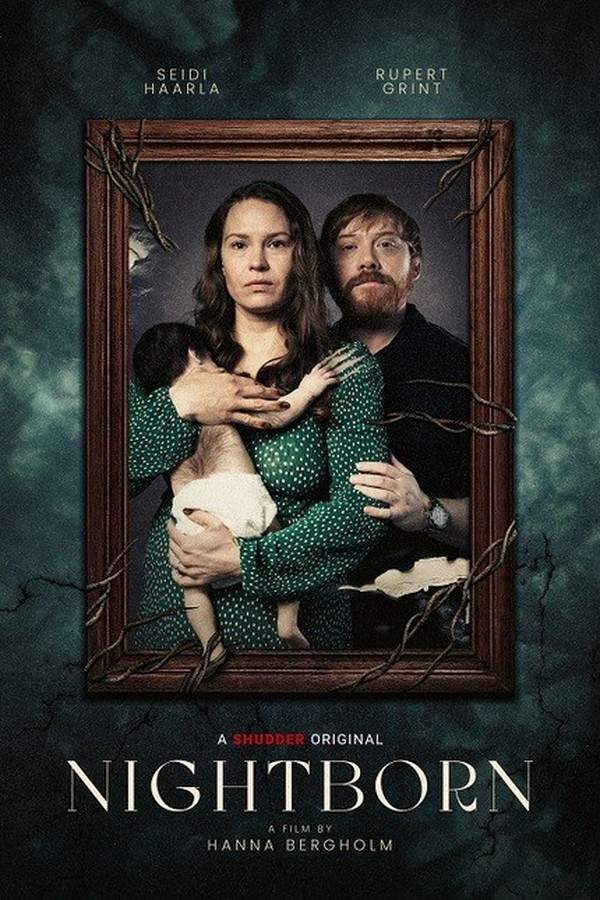
Nightborn (2026) movie poster

Characters & Themes

Nightborn (2026) Characters, Setting & Themes Explained

Release, runtime and language
2026 · 1 h 32 m · Finnish
Echo score 56
JustWatch #6,348 128
Directed by
Hanna Bergholm
Starring
Rupert Grint, Seidi Haarla, Amira Khalifa, Mari Rantasila, Pamela Tola, John Thomson
Budget
$5.5M

Dreaming of a perfect family, Saga and her British husband Jon move to an isolated house in the Finnish forest where Saga grew up. When their baby is born, Saga feels something is terribly wrong despite others’ reassurances. Their marriage starts to crack as Jon struggles to protect his family while the forest’s eerie influence intensifies.

On this page (7)
  1. 1 Where to watch
  2. 2 Characters explained (6)
  3. 3 Where & when it takes place
  4. 4 Themes & meaning (3)
  5. 5 Character & meaning questions
  6. 6 Movie threads
  7. 7 Every angle

Where to watch

Where to Watch Nightborn (2026)

Where can you watch Nightborn? Stream, rent or buy it in the US, including on AMC+, Philo and Shudder: current JustWatch availability with up-to-date prices.

Streaming availability powered by JustWatch

6 main characters · contains spoilers

Nightborn Characters Explained: Who Is Who

The main characters of Nightborn (2026), heroes and villains: what drives them, how they change over the course of the story and what each of them reveals about the film's bigger ideas.

  • Saga (Seidi Haarla)

    Saga is a devoted mother whose love for Kuura becomes entangled with fear as the child’s true nature reveals itself. She longs to make a warm home, but the forest and Kuura’s hunger push her toward drastic choices, including covertly feeding the infant blood. Her grip on reality loosens as she grapples with what her son might become.

    • 🌿 Maternal
    • 🌳 Obsession
    • 🩸 Blood ties
  • Jon (Rupert Grint)

    Jon is Saga's pragmatic partner who wants a stable family life and a safe home. He grows increasingly wary of Kuura and questions Saga's handling of the child, pushing for rational solutions. Their conflict escalates into blunt confrontations, culminating in a fatal confrontation with the forest’s power.

    • 🧰 Practical
    • 🛡️ Protector
  • Kuura

    Kuura is the baby boy whose birth marks a turning point, described as unusually quiet with a troubling growth of thick black hair. He exhibits increasing violence, bites, and a predatory hunger that disturbs those around him. His bond with the forest deepens, making him both a child and a danger to his family.

    • 🍼 Baby
    • 🩸 Bloodthirsty
  • Taru (Pamela Tola)

    Taru is Saga's sister who anchors the family with warnings about the forest's danger. She recounts grandmother's cautions and explains protective lore about the property, including iron and other safeguards. She provides grounded insight amid the escalating supernatural events.

    • 👭 Sister
    • ⚠️ Warning
  • Saga's Mother (Pirkko Saisio)

    Saga's mother offers a maternal perspective, often dismissing concerns while trying to remain supportive. She embodies generation-spanning attitudes toward motherhood and safety, reminding Saga of practical realities even as the uncanny unfolds. Her presence grounds the family in familiar, if anxious, ordinary life.

    • 👩 Mother
    • 🗣️ Voice of reason
  • Jon's Father (John Thomson)

    Jon's Father is a vicar who briefly blesses Kuura with holy water, a gesture that carries symbolic weight but lacks real protection against the child’s growing threat. He represents a religious or ritual response to the inexplicable events surrounding the family. His involvement underscores the tension between faith and the horror that unfolds.

    • 👨 Father
    • ⛪ Cleric

Last updated: August 28, 2026 at 07:33

Was this helpful?

Setting

Where and When Does Nightborn Take Place?

The setting of Nightborn (2026): the year and time period, the places and locations, and how they shape the characters, the mood and the tension of the story.

Time period

Location

Finnish forest, derelict house

The story centers on a derelict house deep in a Finnish forest, the setting that becomes both sanctuary and trap for Saga and Jon. The surrounding woods loom as a silent, ominous presence, shaping the mood with an air of ancient danger. A nursery built atop floorboards from which a tree later grows binds the home to the forest in unsettling, physical ways.

  • 🌲 Finnish forest
  • 🏚️ Derelict house

Last updated: August 28, 2026 at 07:33

Was this helpful?

3 major themes

Nightborn Meaning: Themes & Message Explained

What is Nightborn (2026) really about? The emotional, social and philosophical themes the film keeps returning to, its symbolism and the message beneath the surface.

  • Nature's Hold

    The forest is an active force that intrudes into the home, turning walls and floors into extensions of the woods. Tree growth through the nursery floor and branches bursting into windows symbolize nature reclaiming space from human plans. The setting uses nature to generate dread, suggesting humanity cannot fully contain or control the environment.

  • Body Horror

    Kuura's transformation unfolds through grotesque physical signs: an unnerving silence, unusual hair, and feeding that involves blood. His violent impulses escalate, biting and consuming in ways that threaten his family’s safety. The film uses bodily change to explore fear, motherhood, and the limits of parental protection.

  • Parenthood & Fear

    Saga's maternal instincts are tested as she navigates love, secrecy, and growing danger surrounding Kuura. Jon wants a normal, secure family life but confronts the uncanny reality of their child. The couple's bond erodes under strain, highlighting how love can collide with the unknown.

Last updated: August 28, 2026 at 07:33

Was this helpful?

Character & theme questions

Nightborn Characters & Meaning: Your Questions Answered

The questions people ask about Nightborn (2026): who the characters really are, their relationships, what the symbols mean, where it takes place and what the movie is really about. Each answer contains spoilers.

Q1

Where is the film set?

Nightborn is set in an isolated, derelict house deep in a Finnish forest, the place where protagonist Saga grew up. The surrounding woods serve as both sanctuary and looming threat, shaping the story's dread and physically intruding into the home as the plot escalates. The remote location isolates the family from outside help, intensifying the sense of confinement.

  • finnish forest
  • isolated house
  • setting
  • remote location
  • wilderness
Q2

What kind of house do Saga and Jon move into?

The couple moves into a derelict house nestled deep in the Finnish forest, a long-abandoned structure tied to Saga's childhood. The building is run-down and seemingly unsafe, with old floorboards that become a focal point of the horror. As the story unfolds, natural elements like tree roots push through these boards, blurring the boundary between human shelter and encroaching wilderness.

  • derelict house
  • abandoned home
  • forest cabin
  • rundown house
Q3

Why is the Finnish forest so central to the story?

In Nightborn, the Finnish forest functions as more than a backdrop; it acts as an active, encroaching force that intrudes on the home and its inhabitants. Tree growth through the nursery floor and branches bursting through windows visually express nature reclaiming human space. This physical intrusion establishes the woods as a source of supernatural dread throughout the film rather than a passive setting.

  • finnish forest
  • nature
  • supernatural
  • woods
  • intrusion
Q4

What does the forest symbolize in the film?

The forest in Nightborn symbolizes humanity's inability to fully control or contain the natural world. As roots pierce the nursery floor and branches invade the home, the woods become a visual metaphor for forces beyond rational understanding. The imagery suggests that ancient, untamed elements remain present even within domestic spaces and cannot be sealed out by walls or rituals.

  • symbolism
  • nature's hold
  • forest meaning
  • untamed
  • metaphor
Q5

Who is Kuura?

Kuura is the baby boy born to Saga and Jon, whose arrival marks the central turning point in Nightborn. Described as unusually quiet with thick black hair, he exhibits escalating violence, bites, and a predatory hunger that deepens his unsettling connection to the surrounding forest. His bond with the woods makes him both a child and a danger to his family.

  • kuura
  • baby
  • child
  • predator
  • body horror
Q6

What kind of horror is the film?

Nightborn is a slow-burning folk horror rooted in Finnish forest mythology, blending psychological dread with supernatural violence. The film emphasizes atmosphere and creeping wrongness over jump scares, drawing on cultural lore and symbolic nature imagery to build unease. When the violence does arrive, it erupts with extreme and sudden brutality after long stretches of quiet tension.

  • folk horror
  • finnish mythology
  • slow burn
  • psychological horror
Q7

Who is Saga?

Saga is Nightborn's protagonist, a Finnish woman who returns to her childhood home in the forest with her British husband Jon. As a devoted mother to Kuura, her love becomes entangled with fear and secrecy. Her grip on reality loosens as she confronts what her son might be becoming, pushing her toward drastic choices that strain her marriage and sense of self.

  • saga
  • mother
  • protagonist
  • finnish woman
  • maternal
Q8

Who is Jon?

Jon is Saga's British husband, a pragmatic man who wants a stable family life in a safe home. He grows increasingly suspicious of Kuura and challenges Saga's handling of the child, pushing for rational explanations and solutions. His conflict with Saga escalates into blunt confrontations, ultimately culminating in a fatal reckoning with the forest's power.

  • jon
  • husband
  • father
  • british
  • pragmatic
Q9

What does the film explore about parenthood?

Nightborn examines the collision between maternal love and primal fear by reframing nurturing acts as potential horror. Saga's instinct to feed and protect Kuura becomes entangled with concealment and dread, while Jon's desire for a normal family life clashes with the uncanny reality of their child. The film tests how far parental love can stretch when confronted with the unknown.

  • parenthood
  • motherhood
  • fear
  • parental love
  • family
Q10

What role does Taru play in the story?

Taru is Saga's sister and serves as a grounded voice of warning about the forest's dangers in Nightborn. She draws on family lore, including her grandmother's cautions and protective traditions involving iron and other safeguards. Her knowledge offers the only folkloric framework the characters have for understanding the supernatural events unfolding around Kuura.

  • taru
  • sister
  • folklore
  • protection
  • warning
Q11

Does the story draw on Finnish folklore?

Yes, Nightborn is rooted in Finnish forest mythology, weaving cultural warnings and protective lore into its horror framework. References to iron safeguards, grandmother's cautions, and the forest as a sentient presence tap into folk traditions about untamed wilderness. These elements frame the horror as something ancient and culturally specific rather than generic supernatural evil.

  • finnish folklore
  • mythology
  • iron
  • protection
  • cultural tradition
Q12

How would you describe the film's tone?

Nightborn carries a dark, atmospheric tone built on slow escalation and creeping dread rather than constant shocks. Violence arrives suddenly and brutally after long stretches of psychological unease. The emotional journey moves from romantic idealization of family life through denial and conflict toward a bleak, ambiguous resolution that leaves space for interpretation.

  • tone
  • dark
  • atmosphere
  • slow burn
  • dread
  • ambiguous
Q13

Why does Saga's mother dismiss her concerns?

Saga's mother in Nightborn offers reassurance grounded in practical maternal wisdom, framing concerns as the anxieties of new parenthood rather than supernatural threat. Her dismissiveness reflects a generational attitude that prioritizes calm support and stability over alarm. This grounded perspective anchors the family in ordinary life even as uncanny events continue to unfold around them.

  • saga's mother
  • dismissal
  • reassurance
  • generational
  • ordinary life
Q14

What does the body horror in the film involve?

The body horror in Nightborn centers on Kuura's transformation, marked by unsettling silence, unusual hair growth, and a hunger that escalates into blood-feeding and violent biting. These physical changes disturb those around him and signal his deepening bond with the forest. The film uses bodily mutation to explore fear, motherhood, and the limits of parental protection.

  • body horror
  • transformation
  • mutation
  • kuura
  • blood

Movie threads

More Movies Like Nightborn, by Mood & Story

Curated lists built around what makes Nightborn tick: the same mood, the same kind of story or the same emotional payoff. Each list explains why these movies belong together.

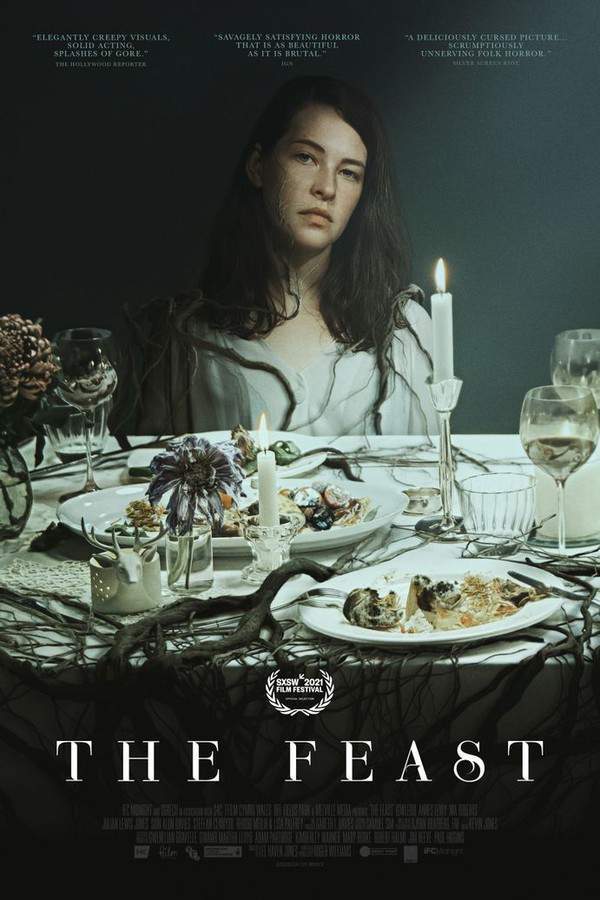
Folk horror movies like Nightborn

Rural isolation meets ancient evil where the land itself hungers. Looking for movies like Nightborn? This thread collects folk horror stories with rural isolation, pagan mythology, and nature as an ancient, malevolent force. If you loved the Finnish forest dread, cold iron lore, and creeping supernatural wrongness of Nightborn, you will find similar atmospheric, mythology driven horror films that turn the wilderness into a place of ritualistic nightmare.

  • folk horror
  • rural isolation
  • pagan mythology
  • ancient evil
  • creeping dread
  • ritualistic
  • Tone: dark, eerie, oppressive
  • Pacing: slow burn, atmospheric
Why these movies?

The story pattern: Folk horror narratives usually begin with a character or couple retreating to a remote, rural, or ancestral place hoping for peace, healing, or renewal. What begins as a dream of simple living slowly curdles as local customs, old symbols, and buried legends start to feel oppressive and personal. The story escalates through small wrongnesses, a community that knows more than it says, and a final confrontation with an ancient, often nature based entity. The endings tend to be ambiguous, bleak, or quietly horrifying, suggesting the old powers have absorbed or claimed the protagonist rather than being defeated.

Why they belong together: These films share a slow burning, dread soaked atmosphere built through isolated rural settings, lingering nature imagery, and references to local folklore, pagan rituals, or forgotten mythology. They favor suggestion and symbolism over jump scares, build tension gradually, and treat the landscape itself as an active antagonist. The violence, when it comes, feels ancient and ritualistic rather than random, and the resolutions usually leave the supernatural force unbroken.
Maternal horror movies like Nightborn

The most intimate bond twisted into pure, visceral terror. Searching for more movies like Nightborn? This thread features maternal horror stories where pregnancy, birth, and parenthood collide with supernatural dread, and the most nurturing act becomes a source of terror. If the idea of a mother sensing something is wrong with her child, a marriage fracturing under impossible pressures, and a child entangled with evil fascinated you in Nightborn, you will find similar psychologically devastating horror films here.

  • maternal horror
  • evil child
  • supernatural pregnancy
  • marriage breakdown
  • body horror
  • psychological dread
  • Tone: dark, psychologically intense
  • Pacing: slow burn, character driven
Why these movies?

The story pattern: Maternal horror narratives typically follow a mother, or a couple, into the fragile early stage of family life. What should be a time of hope and bonding is shadowed by an unshakable wrongness, often dismissed by partners, doctors, or communities. As the protagonist tries to protect her child, her own mind, body, or reality begins to fracture, and the marriage or support system around her collapses. The climax forces a terrible choice or a forced bonding with the unnatural, and the ending is rarely clean: it tends toward bleakness, ambiguity, or a disturbing acceptance of the new reality.

Why they belong together: These films share a focus on motherhood under siege, whether the threat is a literally supernatural child, a demonic or ancient influence on the family, or a psychological unraveling that distorts maternal instinct. They pair slow, character driven pacing with visceral horror, often implicating the father or partner as complicit through denial. The emotional weight is heavy, the violence frequently involves children or the body, and the resolutions refuse easy comfort, leaving the maternal bond changed, broken, or horrifyingly inverted.

Every angle

Nightborn (2026) Explained: Plot, Ending, Timeline & Characters

Everything about Nightborn in one place: what happens in the plot summary, the timeline in chronological order, the characters and meaning, the ending explained and a spoiler-free summary. What's After the Movie adds the cast, box office and post-credit scenes.

Coming soon on iOS and Android

The Plot Explained Movie Summary App

Plot summaries, endings explained and timelines on your phone. Catch up on any movie in minutes, save your favorites and never miss a twist again.

Be the first to know when we launch. Your email stays private, always.

Learn more about the app