











Plot Explained Spoilers guaranteed!
Plot Explained

Browse by genre

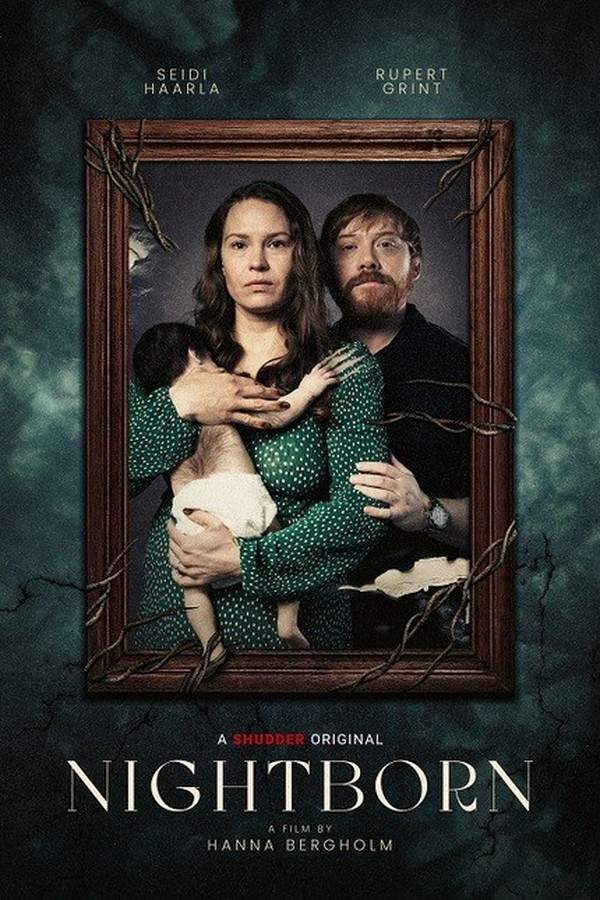
Nightborn (2026) movie poster

Ending Explained

Nightborn (2026) Ending Explained – Final Scene & Meaning

Release, runtime and language
2026 · 1 h 32 m · Finnish
Echo score 56
JustWatch #4,003 129
Directed by
Hanna Bergholm
Starring
Rupert Grint, Seidi Haarla, Amira Khalifa, Mari Rantasila, Pamela Tola, John Thomson
Budget
$5.5M

Dreaming of a perfect family, Saga and her British husband Jon move to an isolated house in the Finnish forest where Saga grew up. When their baby is born, Saga feels something is terribly wrong despite others’ reassurances. Their marriage starts to crack as Jon struggles to protect his family while the forest’s eerie influence intensifies.

On this page (6)
  1. 1 Where to watch
  2. 2 What happens at the end
  3. 3 Final events in order
  4. 4 Ending questions answered
  5. 5 Movie threads
  6. 6 Every angle

Where to watch

Where to Watch Nightborn (2026)

Where can you watch Nightborn? Stream, rent or buy it in the US, including on AMC+, Philo and Shudder: current JustWatch availability with up-to-date prices.

Streaming availability powered by JustWatch

Ending explained · contains spoilers

What Happens at the End of Nightborn?

How Nightborn (2026) ends, what the final scene means, which earlier moments set it up and how to read the ending if the film leaves it open. The full ending explained, with every spoiler.

Saga stops trying to make Kuura conform to an ordinary human child and begins accepting his appetite and affinity with the forest. Jon, horrified by the raw meat and Saga's transformation, announces that he will seek divorce and primary custody. When he tries to take Kuura away, the child raises his arms and trees surge through the house; a branch impales and kills Jon. Saga cuts out part of his heart and offers it to Kuura, then opens the door after biting herself. Troll-like forest beings wait outside, confirming that the supernatural signs were not merely a private expression of postnatal fear.

Saga allows Kuura to run toward the beings, but he ultimately chooses to remain with her. The reversal completes a relationship that began with Saga calling him an it and experiencing motherhood as compulsory intimacy with something she could not recognize. Her acceptance is deliberately monstrous rather than comforting: Jon is dead, the domestic house has been reclaimed by trees, and mother and child share an identity rooted in blood and folklore. Yet Kuura's choice also makes their connection voluntary for the first time. The ending does not restore a conventional family; it lets Saga and Kuura stop performing one and acknowledge the nature that both the home and the people around them tried to suppress.

Last updated: August 25, 2026 at 14:20

Was this helpful?

The last 4 events

How Nightborn Ends: The Final Events in Order

The last events of Nightborn (2026) in chronological order, the run-up to the ending explained above. The complete timeline has all 15 events, scene by scene.

Open the full timeline
  1. Growing estrangement

    Jon expresses concern that Saga is failing to socialise Kuura and bonds poorly with him. He confronts Saga about parenting and storms out, leaving her alone with Kuura to cope with the mounting tension.

    When
    Evening
    Where
    House
  2. Saga's city trip and a rash

    Saga travels to the city to visit friends, and the separation from Kuura triggers a severe rash that disappears only when she rushes home to be with him. The distance between mother and son heightens the sense of danger surrounding Kuura.

    When
    Overnight trip
    Where
    City
  3. Kuura's violence escalates

    Kuura becomes increasingly violent, biting Anna's finger during a visit from Taru and Anna. Jon tries to feed him, but Kuura shoves the spoon away and hurls a jar at him; Saga then feeds Kuura raw meat, and Jon accuses Saga of turning him into a monster. A brutal confrontation unfolds in the house.

    When
    Evening
    Where
    Garden / House
  4. Final confrontation and the ending

    During the confrontation, tree branches erupt through the nursery floor and windows, fatally impaling Jon. Saga and Kuura feed on Jon's blood and heart, sealing a nightmarish union. In the aftermath, Kuura runs into the garden where a humanoid figure separates itself from one of the trees and approaches him as Saga watches from the porch, with Kuura smiling back.

    When
    Aftermath
    Where
    Garden / Nursery

Ending questions answered

Nightborn Ending: Your Questions Answered

The questions people ask most about the ending of Nightborn (2026): what the final scene means, how the twist works, what happens to each character and how to read the ending. Each answer contains spoilers.

Q1

Why does Saga stop trying to make Kuura normal and accept his monstrous nature?

Throughout Nightborn, Saga clings to the idea that her postpartum instincts are wrong and that Kuura can be raised as an ordinary human child. By the ending, she stops fighting the evidence: Kuura's appetite for raw meat, his bond with the forest, and the cold iron lore that has haunted the house. Her acceptance is not a peaceful surrender but a recognition that the supernatural signs were never private expressions of maternal anxiety. Once she stops denying what Kuura is, the marriage with Jon collapses and the forest finally responds directly to her.

Foreshadowing: Earlier scenes of Saga flinching at Kuura's feeding habits and flinching at folklore her grandmother told her already marked her resistance to the truth.

  • saga
  • kuura
  • acceptance
  • transformation
  • folk horror
Q2

Why does Jon try to take Kuura away and what triggers Kuura's violent reaction?

Jon announces divorce and seeks primary custody because Saga has visibly aligned herself with Kuura's supernatural instincts, including serving raw meat and adopting forest rituals. When he physically tries to remove Kuura from the house, Kuura raises his arms and the surrounding trees surge through the walls. The violence is triggered by the act of separating mother and child against the will of the forest itself. Kuura does not act out of malice but out of an instinctual refusal to be taken from Saga, and the house responds to that refusal as if it were his own.

Foreshadowing: Earlier moments when Kuura reacted to Jon's attempts to restrain him with sudden stillness hinted at a dormant force tied to the home.

  • jon
  • kuura
  • custody
  • divorce
  • violence
Q3

Why does Saga cut out part of Jon's heart and offer it to Kuura?

After the branch kills Jon, Saga removes a piece of his heart and gives it to Kuura as food. This act completes the ritual logic the film has been building: Kuura feeds on what the domestic world offers, and Saga serves as the bridge between human life and forest appetite. By feeding Jon's heart to her child, Saga chooses Kuura's nature over her marriage in the most literal way possible. It also signals that the bond between mother and child will now be sustained by blood rather than by social conventions of family.

Foreshadowing: Saga's earlier habit of preparing meat for Kuura, which Jon found disturbing, foreshadows her willingness to cross this final line.

  • saga
  • jon
  • heart
  • ritual
  • blood
Q4

What are the troll-like forest beings waiting outside the house?

The beings waiting outside confirm that the supernatural presence throughout the film belongs to an older Finnish forest mythology rather than to Saga's postpartum mind. They are the source of the cold iron lore, the scratching sounds, and the sense that the house is being watched. Their appearance at the door signals that Kuura's birth was not an isolated aberration but a summons. By opening the door to them, Saga acknowledges that her child belongs to a lineage that extends beyond the human family she tried to build.

Foreshadowing: References to Finnish trolls and cold iron warnings from Saga's grandmother prefigure the beings' arrival.

  • trolls
  • forest beings
  • finnish mythology
  • cold iron
Q5

Why does Saga bite herself before opening the door?

Saga biting herself and bleeding before opening the door mirrors the blood offerings and animal rituals embedded in Finnish folk tradition. The blood functions as a threshold gesture: she marks herself as belonging to the forest before allowing the beings inside her domestic space. It is also a final break from the polite, restrained version of herself that tried to maintain appearances for Jon. Once she bleeds, the boundary between human and forest collapses and the beings recognize her as one of their own.

Foreshadowing: Earlier self-inflicted scratches and Saga's habit of tasting soil and bark hinted at her body's slow alignment with the forest.

  • saga
  • blood
  • ritual
  • threshold
  • finnish folklore
Q6

Why does Kuura choose to stay with Saga instead of going to the forest beings?

Although Saga allows Kuura to run toward the beings, he turns back and stays with her. This choice reverses the dynamic that opened the film: Saga once called him an it and experienced motherhood as compulsory intimacy with something she could not recognize. Now that she has accepted him fully, his choice to remain becomes the first truly voluntary moment in their relationship. The beings outside may represent his origin, but Saga has become his home because she is the only person who finally saw him clearly.

Foreshadowing: Kuura's earlier refusals to be soothed by anyone other than Saga quietly established her as the only figure he trusted.

  • kuura
  • saga
  • bond
  • motherhood
  • choice
Q7

What does the ending of Nightborn actually mean?

The ending reframes motherhood itself as something monstrous and intimate at once. Jon is dead, the house has been reclaimed by trees, and Saga and Kuura share an identity rooted in blood and folklore rather than in domestic convention. Yet Kuura's choice to stay makes their bond voluntary for the first time. Nightborn does not restore a normal family; it lets Saga and Kuura stop performing one and acknowledge the nature that the home and the people around them tried to suppress. The horror lies in how natural that acceptance feels.

Foreshadowing: The opening domestic scenes were framed as a performance of normalcy that the forest was already quietly rejecting.

  • ending meaning
  • interpretation
  • motherhood
  • folk horror
Q8

Were the supernatural signs throughout the film real or just Saga's postpartum fear?

The ending confirms that every strange sound, cold iron warning, and impossible movement in the house was real. When the troll-like beings appear at the door, the film rejects the reading of Saga as a woman descending into postpartum psychosis. The dread was always external, rooted in Finnish forest mythology and tied to Kuura's birth. Saga's feelings of wrongness were accurate perception, not illness, and the reassurances she received from doctors and Jon were the actual delusion.

Foreshadowing: Each time Jon dismissed Saga's fears as anxiety, the film cut to a forest image that confirmed her instincts.

  • supernatural
  • postpartum
  • fear
  • finnish mythology
  • sanity
Q9

What does it mean that the trees reclaim the house at the end?

The trees bursting through the walls visually undo the distinction between domestic interior and wild forest that the entire film has tried to maintain. The house was never truly separate from the woods; Saga's family simply built their idea of normal life on top of it. When the trees reclaim the structure, they are not invading but recovering what already belonged to them. The image also strips away the architecture of Jon and Saga's marriage, leaving only the raw bond between mother and child.

Foreshadowing: Earlier shots of roots pressing against the foundation foreshadowed the house's eventual collapse inward.

  • house
  • trees
  • forest
  • domestic
  • symbolism
Q10

Is the ending of Nightborn hopeful or horrifying?

The ending is deliberately ambiguous and leans dark rather than bleak. It is horrifying on the surface: a child has killed his father, a mother has fed him human heart, and the domestic space has been destroyed. Yet Kuura's voluntary return to Saga introduces a strange tenderness that prevents the film from collapsing into pure nihilism. Nightborn ends not with rescue or punishment but with a mother and child who have stopped pretending to be something they are not. That honesty reads as both monstrous and, in the film's own logic, a kind of grace.

Foreshadowing: The slow thaw in Saga's posture toward Kuura in the final third quietly prepared the audience to read her acceptance as intimacy rather than surrender.

  • ending
  • hopeful
  • horrifying
  • interpretation
  • ambiguity
Q11

What role does Finnish folklore play in the ending of Nightborn?

Finnish folklore is not decoration in Nightborn but the structural logic of the entire story. Cold iron, forest trolls, blood offerings, and the idea that certain children belong to the woods are all drawn from real Finnish folk tradition. The ending literalizes this lore: the beings at the door are the same entities the grandmother's stories warned about, and Kuura's powers are an inheritance rather than a metaphor. By the final scene, the folklore has fully consumed the domestic plot, leaving Saga and Kuura inside a myth rather than a marriage.

Foreshadowing: Grandmother's stories about cold iron and forest children established the mythic framework long before the ending confirmed it.

  • finnish folklore
  • cold iron
  • mythology
  • tradition
Q12

Why does Nightborn end without a conventional resolution or justice for Jon?

Nightborn refuses a conventional resolution because its central conflict is not a crime to be solved but a family structure that was never meant to exist. Jon's death is not framed as punishment; it is the inevitable consequence of trying to remove Kuura from a world that claims him. Saga is not arrested or condemned because the film positions her choice as a form of motherhood rather than as murder. The lack of closure is the point: the story ends inside a myth that does not answer to human law, and the audience is left inside that silence with her.

Foreshadowing: The film's refusal to treat any character as a clear hero or villain from the opening scenes foreshadowed this morally open conclusion.

  • ending
  • resolution
  • justice
  • interpretation
  • morality

Movie threads

More Movies Like Nightborn, by Mood & Story

Curated lists built around what makes Nightborn tick: the same mood, the same kind of story or the same emotional payoff. Each list explains why these movies belong together.

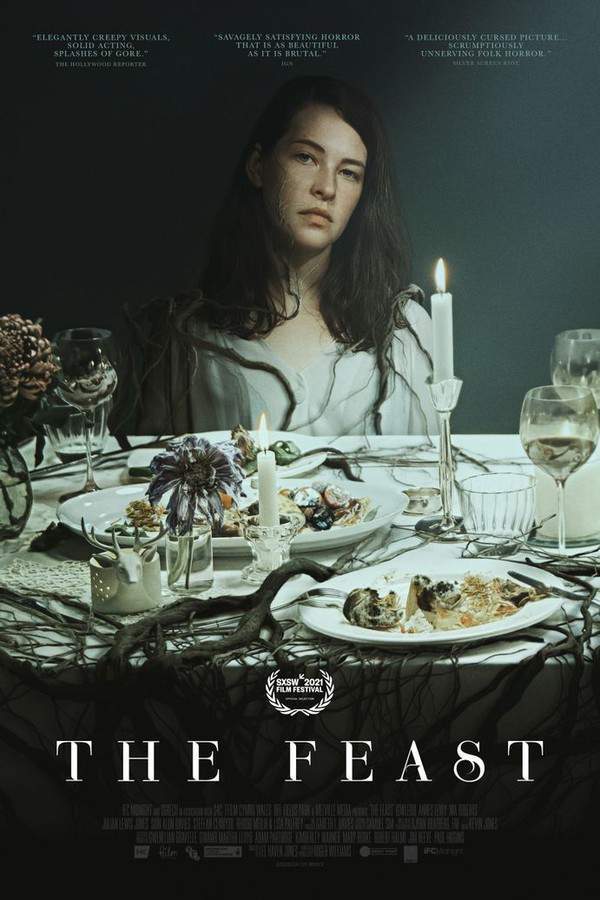
Folk horror movies like Nightborn

Rural isolation meets ancient evil where the land itself hungers. Looking for movies like Nightborn? This thread collects folk horror stories with rural isolation, pagan mythology, and nature as an ancient, malevolent force. If you loved the Finnish forest dread, cold iron lore, and creeping supernatural wrongness of Nightborn, you will find similar atmospheric, mythology driven horror films that turn the wilderness into a place of ritualistic nightmare.

  • folk horror
  • rural isolation
  • pagan mythology
  • ancient evil
  • creeping dread
  • ritualistic
  • Tone: dark, eerie, oppressive
  • Pacing: slow burn, atmospheric
Why these movies?

The story pattern: Folk horror narratives usually begin with a character or couple retreating to a remote, rural, or ancestral place hoping for peace, healing, or renewal. What begins as a dream of simple living slowly curdles as local customs, old symbols, and buried legends start to feel oppressive and personal. The story escalates through small wrongnesses, a community that knows more than it says, and a final confrontation with an ancient, often nature based entity. The endings tend to be ambiguous, bleak, or quietly horrifying, suggesting the old powers have absorbed or claimed the protagonist rather than being defeated.

Why they belong together: These films share a slow burning, dread soaked atmosphere built through isolated rural settings, lingering nature imagery, and references to local folklore, pagan rituals, or forgotten mythology. They favor suggestion and symbolism over jump scares, build tension gradually, and treat the landscape itself as an active antagonist. The violence, when it comes, feels ancient and ritualistic rather than random, and the resolutions usually leave the supernatural force unbroken.
Maternal horror movies like Nightborn

The most intimate bond twisted into pure, visceral terror. Searching for more movies like Nightborn? This thread features maternal horror stories where pregnancy, birth, and parenthood collide with supernatural dread, and the most nurturing act becomes a source of terror. If the idea of a mother sensing something is wrong with her child, a marriage fracturing under impossible pressures, and a child entangled with evil fascinated you in Nightborn, you will find similar psychologically devastating horror films here.

  • maternal horror
  • evil child
  • supernatural pregnancy
  • marriage breakdown
  • body horror
  • psychological dread
  • Tone: dark, psychologically intense
  • Pacing: slow burn, character driven
Why these movies?

The story pattern: Maternal horror narratives typically follow a mother, or a couple, into the fragile early stage of family life. What should be a time of hope and bonding is shadowed by an unshakable wrongness, often dismissed by partners, doctors, or communities. As the protagonist tries to protect her child, her own mind, body, or reality begins to fracture, and the marriage or support system around her collapses. The climax forces a terrible choice or a forced bonding with the unnatural, and the ending is rarely clean: it tends toward bleakness, ambiguity, or a disturbing acceptance of the new reality.

Why they belong together: These films share a focus on motherhood under siege, whether the threat is a literally supernatural child, a demonic or ancient influence on the family, or a psychological unraveling that distorts maternal instinct. They pair slow, character driven pacing with visceral horror, often implicating the father or partner as complicit through denial. The emotional weight is heavy, the violence frequently involves children or the body, and the resolutions refuse easy comfort, leaving the maternal bond changed, broken, or horrifyingly inverted.

Every angle

Nightborn (2026) Explained: Plot, Ending, Timeline & Characters

Everything about Nightborn in one place: what happens in the plot summary, the timeline in chronological order, the characters and meaning, the ending explained and a spoiler-free summary. What's After the Movie adds the cast, box office and post-credit scenes.

Coming soon on iOS and Android

The Plot Explained Movie Summary App

Plot summaries, endings explained and timelines on your phone. Catch up on any movie in minutes, save your favorites and never miss a twist again.

Be the first to know when we launch. Your email stays private, always.

Learn more about the app