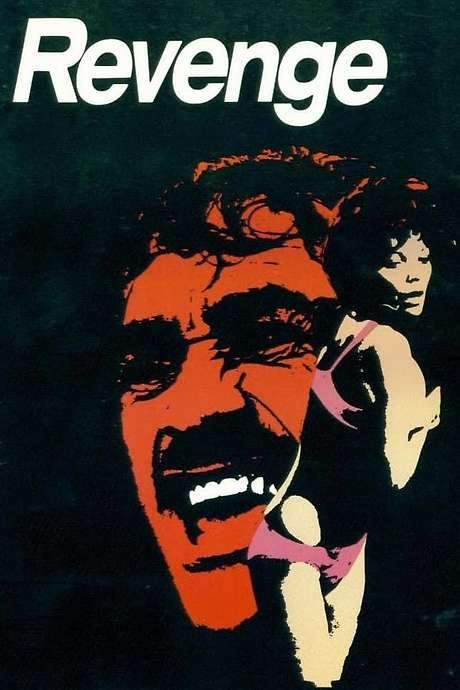
The film opens with a grim, bearded, and angry young man named Guru paying tributes to his former lover Priya in a graveyard, setting a dark, vengeful mood that threads through the entire story.
In a flashback, we see how their love blossomed. Guru, a talented fashion designer, falls head over heels for Priya, a magnetic anchor on Eagle TV’s music channel. After a few rocky moments that test their bond, the pair decide to marry and build a life together. But the romance is soon crushed by a ruthless, nearly maniacal channel owner: JP. JP’s obsession with Priya spirals into harassment and coercion. On the eve of Priya’s wedding, JP kidnaps her, frames Guru in a false case, and subjects Priya to a brutal sequence—tying her hands to a bed, raping her, and killing her, leaving the scene staged as a suicide. The cruelty of the act casts a long, haunting shadow over Guru’s world.
Back in the present, Guru and his friend Raghu navigate life at the same music channel, with Guru quietly harboring the plan for revenge that has fermented for a year. He speaks in chilling, almost clinical terms to JP, warning that a deadly reckoning will come at 12:00 PM, though JP remains unaware of who is orchestrating the threat. Guru’s methodical coldness signals that this is less a crash of passion and more a carefully built – and almost ritual – pursuit of justice or vengeance.
The plot then braids through a series of tense moves. JP, sensing danger, tasks his henchman, Deva, to track Guru down and eliminate him. Yet Guru anticipated such a move and neutralizes the immediate threat, flipping the balance of power in his favor. In a bold turn, Guru uses leverage from the past and a network of informants to bring in income tax officers to arrest JP on charges of hiding black money in his car, a stark demonstration of his willingness to weaponize bureaucratic power as a form of punishment. He also hints at a damning video, one that would expose JP paying off a minister, adding another layer of pressure to JP’s precarious situation.
Through these maneuvers, the mystery tightens: JP realizes that the mastermind behind these events is Guru, and he fixates on-ending the threat before it can escalate. The back-and-forth becomes personal as Guru—posing as a pizza delivery worker—tracks JP’s movements, culminating in a brutal confrontation during which Guru beats JP, underscoring the vigilante justice vibe that saturates the story. To evade immediate arrest, Guru surrenders to the police and reveals essential truths about JP’s abuses, including Priya’s tragedy and the larger conspiracy surrounding it.
As the plot hurtles forward, Guru delivers a stark warning to JP—his lover, who was wronged by JP, has somehow uploaded the damning rape video of Priya, presenting JP with a haunting, public reminder of his guilt. The tension snaps as Guru, now entangled in a web of violence and retribution, ties JP up and delivers a raw, emotional unraveling for Priya’s death. Yet the forces gathered against JP do not disappear; Deva, the henchman who was meant to be a threat, interferes, and JP himself sustains injuries that reflect the brutal, escalating nature of the pursuit.
The final act twists into a high-octane, English cinema-inspired climax. Guru finds himself unable to wield a firearm in the conventional sense, so he improvises a lethal, almost cinematic solution: he places cartridges between his fingers, brings his hand close to the flame, and uses the resulting spark-like force to mimic a gunshot. In a decisive, time-stamped moment, he delivers the fatal blow to JP at 12 PM sharp, sealing a fate that has simmered from the graveyard to the present-day office drama.
Beyond the action, the film explores the corrosive power of obsession and the morality of revenge. It tracks Guru’s transformation from a grieving lover to a calculated avenger, weaving together the glamour of television world with the grit of a personal vendetta. The narrative is propelled by a relentless drive toward justice as Guru navigates a maze of dangerous players, including JP and his dangerous allies, until a dramatic, clock-stopped moment resolves the long arc of Priya’s death and Guru’s vow for reckoning.
Throughout, the performances anchor the intense sequence of events. Guru’s cold resolve drives the story forward, while Priya’s memory remains the haunting catalyst that fuels every decision. JP’s menace provides the catalyst for the escalations, and Deva’s unpredictable loyalties add a volatile edge to each encounter. The film’s finale, borrowing from Shoot ’Em Up’s kinetic energy, crystallizes into a stark, unforgettable image: a man’s desperate improvisation becoming justice in a world where power and violence collide.
- Note: The first mention of the main characters includes links to the actors: Guru, Priya, JP, and Deva are connected to their respective pages on the site. The narrative preserves the story’s core events while expanding the emotional and thematic resonance, maintaining a neutral yet immersive tone.