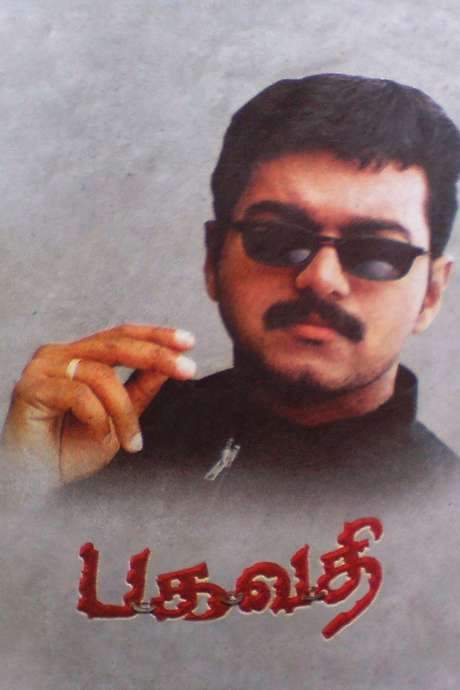
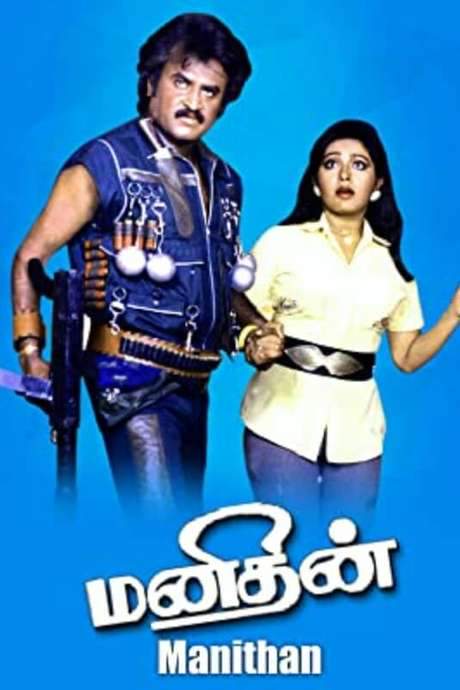
Vijay, Rajinikanth, a Tamil professor, lives with his widowed mother Lakshmi and his sister Shanti. During a visit to Ravi's house, Vijay is appalled by the illicit liquor trade and prostitution plaguing the neighborhood and files a police complaint, only to watch the case stall as the cops, deep in corruption, warn the criminals before any raid. When Ravi’s sister is killed and the culprit Mohanraj, Sathyaraj, escapes with help from a minister, Vijay and Ravi decide to take matters into their own hands and clean up the area.
Mohanraj and his goons barge into Vijay’s home, killing Lakshmi and assaulting Shanti, who tragically ends her life by leaping from the terrace. The incident pushes Vijay into a vigilante role, stalking the streets at night and meting out his own brand of justice. He becomes known as Robin Hood to the people he aims to protect. CID officer Chinna Salem Singaram, K. Bhagyaraj, is assigned to unmask Robin Hood and bring him to book.
Vijay soon closes in on Mohanraj and his uncle, killing them both, and then surrenders to Singaram, exposing the truth. Yet Singaram reveals that he had already unearthed the truth and chose not to arrest Vijay, because he had seen how Vijay had “weeded out” the social harm in the streets. Despite the guilty act, Vijay feels the weight of his actions and ultimately yields himself to the system. His girlfriend Uma, Ambika, appears in court to support him and speaks on his behalf.
On the eve of the judgment, Singaram disguises himself and attempts to molest the judge’s daughter, prompting the judge, V. S. Raghavan, to draw a pistol in defense. Singaram reveals his disguise and explains that his aim was to force the judge to understand Vijay’s former dilemma. The judge accuses Singaram of reckless intent and sentences Vijay to life imprisonment, but with a clemency recommendation to the President of India for a possible pardon.
In the end, the narrative holds a mirror to a man who fights a corrupt system from the margins of society, blurring the lines between vigilantism and justice, and leaving the question of redemption—and the possibility of a presidential pardon—to the political and moral machinery that governs their world. The tale unfolds with a steady, relentless pace, balancing personal tragedy with social critique, and keeping a tight focus on the consequences of taking the law into one’s own hands.