
Naxal
Year: 2015
Runtime: 109 mins
Language: Bengali, Bangla
Director: Debaditya Bandyopadhyay
In 1971, a man escaped and vanished. Now, after nearly 42 years, a FAX arrives at the Kolkata Metro Railways Headquarters announcing that Anirban will commit suicide under the last Metro. Questions about his identity and demands quickly surface, dominating the city's news and shaking the Kolkata Police Headquarters. As Anirban sends further FAX messages, the administration struggles to understand his motives and the meaning behind his reappearance.
Warning: spoilers below!
Haven’t seen Naxal yet? This summary contains major spoilers. Bookmark the page, watch the movie, and come back for the full breakdown. If you're ready, scroll on and relive the story!
Timeline – Naxal (2015)
Trace every key event in Naxal (2015) with our detailed, chronological timeline. Perfect for unpacking nonlinear stories, spotting hidden connections, and understanding how each scene builds toward the film’s climax. Whether you're revisiting or decoding for the first time, this timeline gives you the full picture.
Last Updated: October 09, 2025 at 16:03

Explore Movie Threads
Discover curated groups of movies connected by mood, themes, and story style. Browse collections built around emotion, atmosphere, and narrative focus to easily find films that match what you feel like watching right now.
Political suspense thrillers with a heavy conscience like Naxal
High-stakes thrillers where personal justice collides with systemic corruption.For viewers who liked the tense, morally complex political thriller Naxal, this list features movies with similar high-stakes investigations into historical injustice and corruption. These films share a gripping, urgent pace and a heavy emotional weight, often culminating in bittersweet resolutions.

State of Play
2009

The Ghost Writer
2010
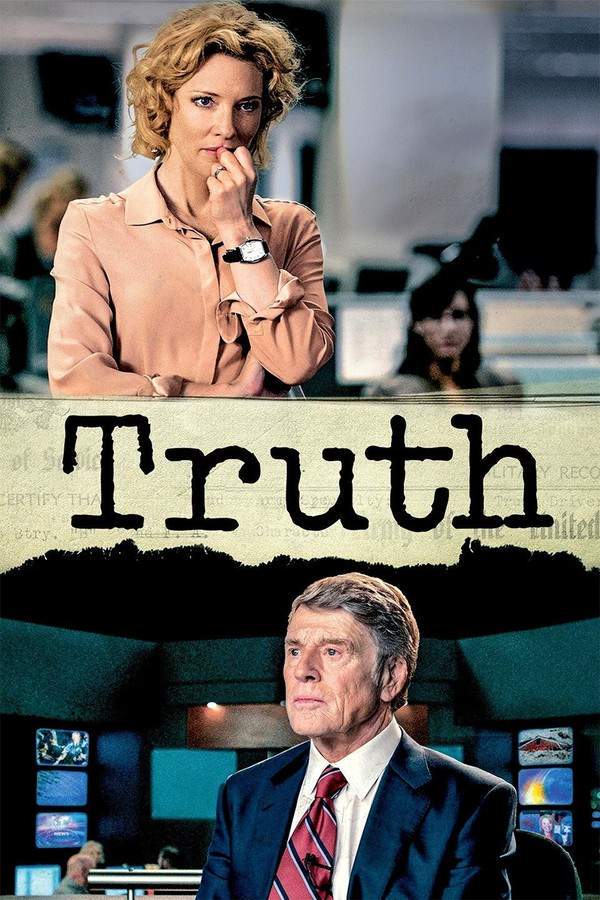
Truth
2015

Nothing But the Truth
2008
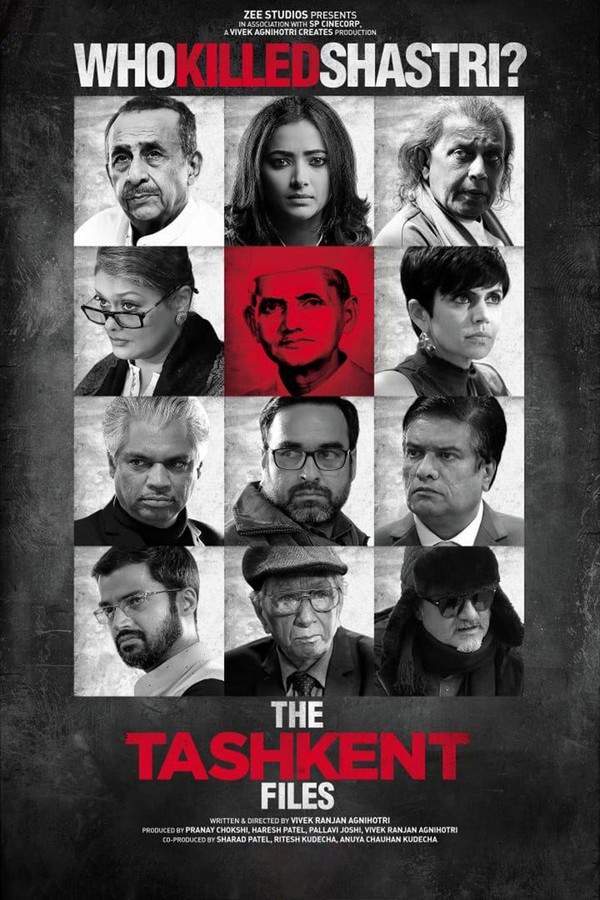
The Tashkent Files
2019

Truth
2014

Conspirators
2013

1987: When the Day Comes
2017

King’s Game
2004

Defence of the Realm
1985

Detective
2007

The Conspirators
2021

Shadow Conspiracy
1997

The Truth
1998

An Officer and a Spy
2025
Narrative Summary
Stories in this thread typically follow a protagonist (or an antagonist-turned-avenger) uncovering a long-buried political crime. The narrative is a steady, methodical cat-and-mouse game, building suspense through media exposure, official resistance, and the looming threat of public revelation, leading to a confrontation that offers justice but rarely true victory.
Why These Movies?
These movies are grouped together because they share a core DNA of exploring historical trauma through the lens of a tense, present-day thriller. They blend high intensity with a heavy emotional weight, creating a gripping and reflective experience centered on themes of social justice and the personal cost of truth.
Identity mystery dramas with a slow reveal like Naxal
Character-driven dramas where a hidden past violently resurfaces.If you were captivated by the slow-burn mystery of Anirban's identity in Naxal, explore these films where a character's hidden past is central to the plot. These stories feature a steady pacing, moderate complexity, and a heavy emotional focus on trauma and personal revelation.













Narrative Summary
The narrative pattern involves a character living under an assumed identity, haunted by a repressed past. A triggering event forces this history to the surface, methodically peeling back layers through clues and confrontations. The journey is one of inescapable reckoning, where the revealed identity dictates a tragic or bittersweet fate.
Why These Movies?
These films are connected by their core focus on a character's identity crisis as the primary engine of suspense and drama. They share a steady, deliberate pacing that allows the mystery to unfold with maximum impact, coupled with a heavy, melancholic mood and a tone of inevitable tragedy.
Unlock the Full Story of Naxal
Don't stop at just watching — explore Naxal in full detail. From the complete plot summary and scene-by-scene timeline to character breakdowns, thematic analysis, and a deep dive into the ending — every page helps you truly understand what Naxal is all about. Plus, discover what's next after the movie.
Naxal Summary
Read a complete plot summary of Naxal, including all key story points, character arcs, and turning points. This in-depth recap is ideal for understanding the narrative structure or reviewing what happened in the movie.

Characters, Settings & Themes in Naxal
Discover the characters, locations, and core themes that shape Naxal. Get insights into symbolic elements, setting significance, and deeper narrative meaning — ideal for thematic analysis and movie breakdowns.