Plot Explained Spoilers guaranteed!
Plot Explained

Browse by genre

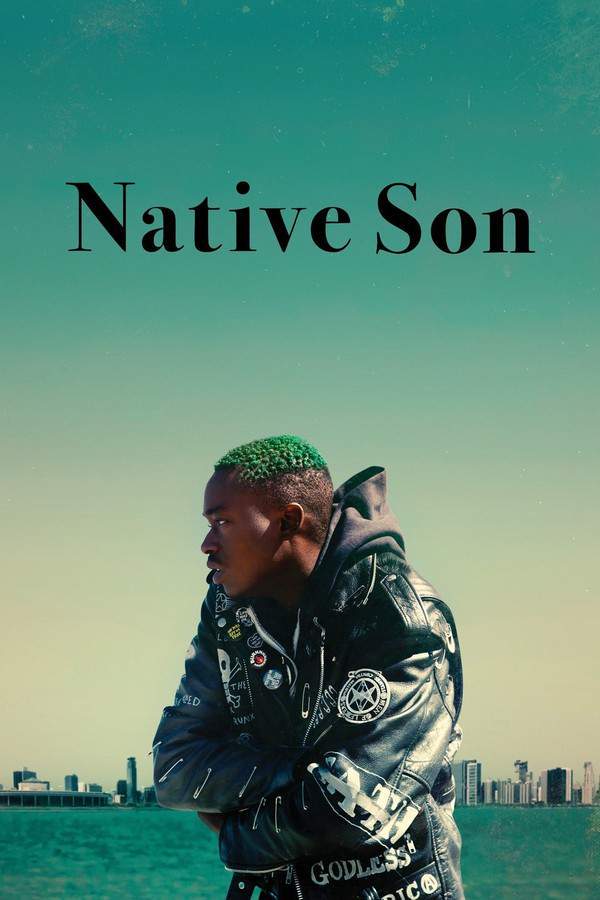
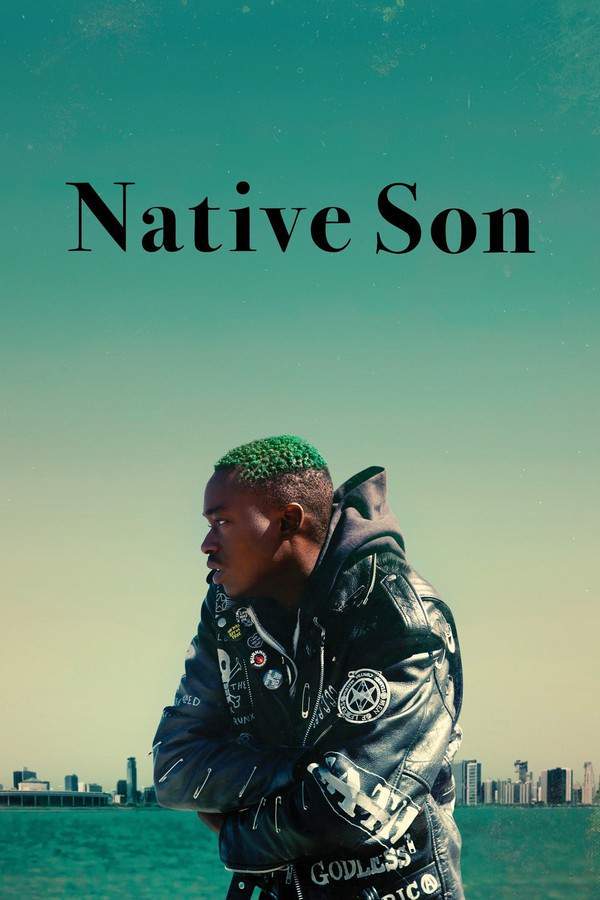
Native Son (1951) movie poster

Characters & Themes

Native Son (1951) Characters, Setting & Themes Explained

Release, runtime and language
1951 · 104 min · English
Loading streaming availability…
Directed by
Pierre Chenal
Starring
George Rigaud, Charles Cane, Don Dean, Gene Michael, George D. Green, Gloria Madison

A compelling drama tells the story of Bigger Thomas, a young Black man living in poverty and facing limited opportunities in 1930s Chicago. When he takes a job as a chauffeur for a wealthy white family, a series of tragic events lead to a confrontation with devastating consequences. The film explores themes of race, class, and the struggle for identity amidst social inequality and systemic oppression, highlighting the complexities of human nature and the destructive impact of fear and prejudice.

On this page (9)
  1. 1 Where to watch
  2. 2 Characters explained (4)
  3. 3 Where & when it takes place
  4. 4 Themes & meaning (3)
  5. 5 Character & meaning questions
  6. 6 The book behind the movie
  7. 7 Movie threads
  8. 8 Movies like Native Son
  9. 9 Every angle
Loading streaming availability…

4 main characters · contains spoilers

Native Son Characters Explained: Who Is Who

The main characters of Native Son (1951), heroes and villains: what drives them, how they change over the course of the story and what each of them reveals about the film's bigger ideas.

  • Bigger Thomas (Richard Wright)

    Bigger is a complex character shaped by his environment and experiences. A 25-year-old African American man living in poverty, he grapples with feelings of anger, desperation, and fear. His choices reflect the societal pressures of his time, culminating in a tragic series of events driven by his struggles against racial oppression.

    • 👤 Protagonist
    • 😓 Troubled
    • ⚔️ Tragic Figure
  • Hannah Thomas (Willa Pearl Curtis)

    Hannah is Bigger's mother, who embodies the resilience and struggles of African American women in her community. Managing the burdens of raising three children in a cramped living space, she reflects the hardships faced by many families during this period. Her strong character shines through her determination to protect her family despite their desperate circumstances.

    • 👩‍👧‍👦 Mother
    • 💪 Resilient
    • 😔 Sacrificial Love
  • Bessie Mears (Gloria Madison)

    Bessie is a waitress and Bigger's girlfriend, representing both the dreams and difficulties of young African American women of the time. She is excited about her opportunities yet feels threatened by Bigger's changes and choices. Her character highlights the personal impact of the oppressive social environment on relationships.

    • 💃 Aspiring Artist
    • 💕 Love Interest
    • 😟 Vulnerable
  • Mary Dalton (Jean Wallace)

    Mary is the Dalton family's daughter, whose interactions with Bigger illustrate the complexities of race relations. Her well-meaning yet patronizing attitude reflects societal misconceptions, and her tragic fate acts as a catalyst for the film's darker themes. Her character serves as both an ally and an example of privilege in a racially charged environment.

    • 👩 Ally
    • 💔 Innocent Victim
    • 🥀 Tragic Figure

Last updated: January 18, 2025 at 14:34

Was this helpful?

Setting

Where and When Does Native Son Take Place?

The setting of Native Son (1951): the year and time period, the places and locations, and how they shape the characters, the mood and the tension of the story.

Time period

Early 1940s

The early 1940s was a tumultuous time in American history, marked by the effects of the Great Depression and the lead-up to World War II. Racial tensions were high, particularly in urban areas, as African Americans faced systemic discrimination and violence. This backdrop plays a crucial role in the events of the film, shaping the characters' identities and choices.

Location

Chicago, black belt

The movie is set in Chicago's 'black belt,' a densely populated area where nearly half a million African Americans resided during the early 1940s. This neighborhood is known for its rich cultural history and the struggles faced by its residents amid social and racial inequalities. The environment significantly influences the characters' lives and experiences.

  • 🏙️ City
  • 📍 Specific Location

Last updated: January 18, 2025 at 14:34

Was this helpful?

3 major themes

Native Son Meaning: Themes & Message Explained

What is Native Son (1951) really about? The emotional, social and philosophical themes the film keeps returning to, its symbolism and the message beneath the surface.

  • Racial Injustice

    The film explores the theme of racial injustice, highlighting the systemic oppression faced by African Americans in 1940s Chicago. Bigger's experiences underscore the harsh realities of living in a segregated society, where the color of one's skin determines their fate. This theme prompts a broader commentary on the societal attitudes towards race and class.

  • Desperation

    Desperation pervades the film, as characters are driven to extreme actions due to their bleak circumstances. Bigger's choices, stemming from his desperation to escape poverty and oppression, lead to tragic consequences. This theme illustrates how societal pressures can push individuals toward dark paths.

  • Fear and Paranoia

    Fear and paranoia are central to Bigger's character arc, manifesting in his actions and decisions throughout the film. His fear of being discovered and persecuted plays a pivotal role in the tragedy that unfolds. The film delves into the psychological impact of living in a society rife with racial discrimination and violence.

Last updated: January 18, 2025 at 14:34

Was this helpful?

Character & theme questions

Native Son Characters & Meaning: Your Questions Answered

The questions people ask about Native Son (1951): who the characters really are, their relationships, what the symbols mean, where it takes place and what the movie is really about. Each answer contains spoilers.

Q1

Where does the movie take place?

The film is set in Chicago's "black belt," a densely populated neighborhood where nearly half a million African Americans lived during the early 1940s. This area was known for its rich cultural history but also the severe struggles residents faced amid racial segregation and social inequality.

  • chicago
  • black belt
  • setting
  • south side
Q2

What time period is the story set in?

The story takes place in the early 1940s, during the aftermath of the Great Depression and on the eve of World War II. This was a period marked by intense racial tensions in urban America, particularly in northern cities like Chicago where systemic discrimination and violence against African Americans remained pervasive.

  • 1940s
  • era
  • time period
  • great depression
  • world war 2
Q3

What is the "black belt" referenced in the film?

The "black belt" was a term used to describe the predominantly African American neighborhoods on Chicago's South Side. In the early 1940s, this area was home to nearly half a million Black residents, many living in cramped poverty due to restrictive housing covenants and limited economic opportunities.

  • chicago south side
  • segregated neighborhood
  • black belt
Q4

What are the main themes explored in the film?

The film explores three interconnected themes: racial injustice, which highlights the systemic oppression faced by African Americans in 1940s Chicago; desperation, showing how poverty and oppression drive characters to extreme choices; and fear and paranoia, which dominate Bigger Thomas's psychology as he navigates a society where racial discrimination threatens his very existence.

  • themes
  • racial injustice
  • desperation
  • fear
  • oppression
Q5

Who is Bigger Thomas?

Bigger Thomas is a 25-year-old African American man living in poverty in Chicago's black belt. He is shaped by his environment of limited opportunities and constant racial oppression, leading him to experience feelings of anger, desperation, and fear. His character represents the tragic consequences of systemic racism on individual lives.

  • bigger thomas
  • protagonist
  • main character
Q6

Who is Mary Dalton?

Mary Dalton is the daughter of the wealthy white family Bigger works for as a chauffeur. Her interactions with Bigger illustrate the complexities of race relations, she maintains a well-meaning but patronizing attitude that reflects broader societal misconceptions about race and privilege.

  • mary dalton
  • dalton family
  • white privilege
Q7

Who is Bigger's mother in the film?

Hannah Thomas is Bigger's mother, portrayed as a resilient African American woman struggling to raise three children in a cramped living space. She embodies the determination and hardships faced by many Black families during this era, constantly fighting to protect her family despite their desperate circumstances.

  • hannah thomas
  • mother
  • family
Q8

Who is Bessie Mears?

Bessie Mears is Bigger Thomas's girlfriend, a waitress who represents both the hopes and difficulties facing young African American women in the 1940s. She is excited about her opportunities but becomes increasingly threatened by Bigger's changing behavior and choices.

  • bessie mears
  • girlfriend
  • relationship
Q9

How does racial injustice shape Bigger's story?

Racial injustice is the foundation of Bigger's tragic arc. The film shows how the color of one's skin determines fate in segregated Chicago, with Bigger facing limited opportunities despite his desires. His experiences underscore the harsh realities of living in a society where systemic racism controls every aspect of life.

  • racial injustice
  • segregation
  • systemic racism
  • discrimination
Q10

What role does fear play in the film?

Fear and paranoia are central to Bigger Thomas's character throughout the film. His constant fear of being discovered, persecuted, or misunderstood drives many of his decisions. The psychological impact of living in a society rife with racial discrimination and violence creates a pervasive sense of dread that shapes his every action.

  • fear
  • paranoia
  • psychology
  • racial terror
Q11

How does desperation drive the story?

Desperation pervades the entire film as characters are pushed to extreme actions due to their bleak circumstances. Bigger's desperate need to escape poverty and oppression leads him to make tragic choices that spiral out of control. The film illustrates how societal pressures and limited options can push individuals toward devastating paths.

  • desperation
  • poverty
  • oppression
  • choices
Q12

Why is the 1940s Chicago setting important?

The early 1940s Chicago setting is crucial because it establishes the exact historical moment when racial tensions were at a peak in urban America. The Great Depression's aftermath left many Black families in dire poverty, while the impending World War II created a complex social atmosphere. This specific setting grounds the film's themes in real historical context.

  • chicago history
  • 1940s america
  • urban racism

Movie threads

More Movies Like Native Son, by Mood & Story

Curated lists built around what makes Native Son tick: the same mood, the same kind of story or the same emotional payoff. Each list explains why these movies belong together.

Fatalistic Crime Stories Like Native Son

Stories where social forces drive a character towards an unavoidable tragic crime. Explore movies like Native Son where a character's tragic downfall is shaped by social forces. If you were gripped by the inexorable journey of Bigger Thomas, these films offer similar narratives of crime, punishment, and systemic injustice, all building towards a somber and inevitable end.

  • fatalistic
  • desperate
  • gritty
  • somber
  • anxious
  • claustrophobic
  • Tone: bleak, oppressive
  • Pacing: steady, inevitable
Why these movies?

The story pattern: The narrative pattern follows a character, often from a marginalized background, whose limited options and oppressive circumstances lead them to commit a pivotal crime. The story then unfolds with a steady, fatalistic rhythm, detailing the aftermath and the character's confrontation with a punitive system, culminating in a conclusion that offers no escape or redemption.

Why they belong together: These movies are grouped together because they share a powerful, oppressive mood and a bleak tone. They feature a steady pacing that builds a sense of inescapable doom, high emotional weight centered on themes of injustice, and a narrative structure focused on a tragic, linear descent.

Oppressive Social Dramas Similar to Native Son

Gritty, character-driven dramas that expose the harsh realities of systemic injustice. Find movies similar to Native Son that dive deep into themes of race, class, and systemic oppression. If you appreciated the gritty, realistic portrayal of 1940s Chicago and the heavy themes of social injustice, these character-driven dramas offer a similarly intense and somber viewing experience.

  • oppressive
  • gritty
  • somber
  • anxious
  • claustrophobic
  • desperate
  • Tone: bleak, somber
  • Pacing: steady, immersive
Why these movies?

The story pattern: These narratives are typically linear and character-focused, following a protagonist's struggle within a realistically depicted, unjust society. The plot is often driven by a confrontation with the system, leading to personal devastation. The emotional journey is one of increasing desperation and claustrophobia, with little room for hope.

Why they belong together: This group is defined by a shared, oppressive vibe and a consistently high intensity derived from weighty themes. The movies have a steady pacing, a bleak tone, and a heavy emotional weight, all working together to create a powerful, somber, and socially critical experience.

If you liked this

Movies Like Native Son

Similar movies to Native Son: the same genre, themes or kind of story. Each one comes with its own plot summary, timeline and ending explained.

Browse all movie summaries

Every angle

Native Son (1951) Explained: Plot, Timeline & Characters

Everything about Native Son in one place: what happens in the plot summary, the timeline in chronological order, the characters and meaning and a spoiler-free summary. What's After the Movie adds the cast, box office and post-credit scenes.

Coming soon on iOS and Android

The Plot Explained Movie Summary App

Plot summaries, endings explained and timelines on your phone. Catch up on any movie in minutes, save your favorites and never miss a twist again.

Be the first to know when we launch. Your email stays private, always.

Learn more about the app