Plot Explained Spoilers guaranteed!
Plot Explained

Browse by genre

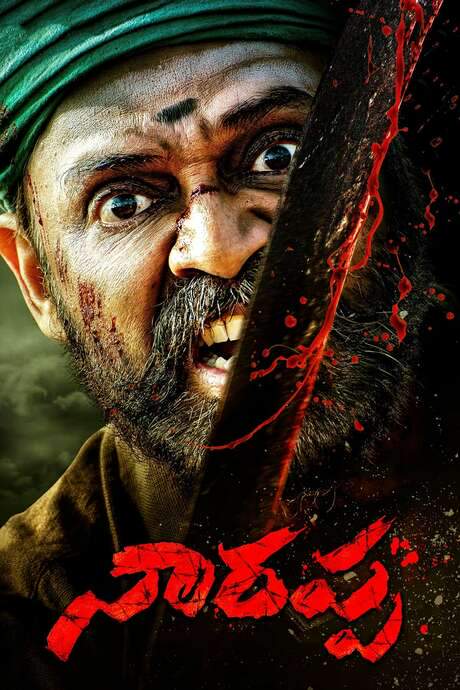
Narappa (2021) movie poster

Timeline

Narappa (2021) Timeline Explained – Every Event in Order

Release, runtime and language
2021 · 153 mins · Telugu
Echo score 80
Loading streaming availability…
Directed by
Srikanth Addala
Starring
Prakash Raj, Priyamani, Sampath Raj, Venkatesh, Rao Ramesh, Murali Sharma

After his older brother is killed, a young man retaliates by murdering an upper-caste landlord. As a result, Narappa is forced to flee into the forest with his younger son, Sinappa, to protect him from the consequences. Navigating a flawed and deeply unjust legal system, Narappa must make difficult sacrifices to secure a chance for his son's future and ensure his survival.

On this page (6)
  1. 1 Where to watch
  2. 2 Events in order (13)
  3. 3 Timeline questions answered
  4. 4 Movie threads
  5. 5 Movies like Narappa
  6. 6 Every angle
Loading streaming availability…

13 events in order · contains spoilers

Narappa Timeline: Events in Chronological Order

Every key event of Narappa (2021) in order, scene by scene, with when and where it takes place. Use it to untangle flashbacks, time jumps and parallel storylines, to refresh your memory before the sequel or to find the exact scene you are thinking of.

  1. 1980s land conflict begins

    In the dusty lanes of Anantapur in the 1980s, Narappa tills his family’s three acres and earns the trust of his elder son Munikanna, while keeping a guarded distance from his younger son Seenappa. The looming threat comes from Panduswamy, a ruthless northern landlord who dreams of seizing the land to build a cement factory. Sundaramma stands by him as the clan’s quiet backbone.

    When
    1980s
    Where
    Anantapur village
  2. Rangababu assaults Sundaramma; Munikanna retaliates

    Rangababu, Panduswamy’s son, assaults Sundaramma, sparking a brutal response from Munikanna. The clash exposes the deep-seated caste and power tensions that fuel the feud. The stage is set for a cycle of revenge that will devastate the family.

    When
    1980s
    Where
    Anantapur village
  3. Atonement ritual and Munikanna's death

    Munikanna is imprisoned while Narappa pleads for his release, but Panduswamy imposes a humiliating atonement ritual to flex caste pride. Munikanna retaliates, and Panduswamy’s henchmen behead him and dump his nude corpse. The brutal punishment seals the depth of the feud.

    When
    1980s
    Where
    Anantapur village outskirts
  4. A year later: Seenappa’s revenge forces a family exodus

    A year after Munikanna’s death, Seenappa exacts revenge on Panduswamy in a fevered act witnessed by Narappa. The family is forced to flee the land they fought to defend, abandoning their home. Sundaramma’s heart breaks as they leave behind their former world.

    When
    one year later
    Where
    Anantapur region
  5. Present-day pursuit closes in; Narappa holds his ground

    Two decades later, in the present, Doraswamy and Rangababu close in on Narappa and Seenappa. Narappa defeats the pursuers in a tense confrontation and explains why he spared their lives, revealing a hard-won code of restraint learned from years of struggle.

    When
    present day
    Where
    Near the courthouse/village outskirts
  6. Narappa’s early life: moonshine, loyalty, and Seenu

    Two decades earlier, Narappa hails from a village where he earns a living as a renowned moonshine brewer and serves as a trusted aide to Shankaraiah, a privileged caste landlord. He helps Seenu, a jobless youth from Shankaraiah’s caste, find a clerical role. The seeds of the caste prejudice that will shape later events are already taking root.

    When
    two decades earlier
    Where
    Narappa’s village
  7. Kannamma and Seenu clash; Narappa acts

    The search for a bride brings Kannamma into Narappa’s life, but Seenu’s arrogance poisons their relationship. Seenu humiliates Kannamma by making her walk with sandals, a symbol of status in their harsh world. Narappa strikes Seenu and binds him in the village square, drawing a sharp rebuke from Shankaraiah.

    When
    two decades earlier
    Where
    village
  8. Narappa joins the communal struggle; night of flames

    Humiliated and enraged, Narappa quits brewing and joins his brother in a political and communal struggle. A fateful night brings devastating news: Adv. Varadarajulu is arrested, and Narappa is tasked with delivering documents that authorize a meeting. He returns to find Munappa killed by Seenu, and their village burned.

    When
    two decades earlier
    Where
    village and surrounding areas
  9. Narappa’s vengeance and Basavaiah’s introduction

    In a fever of vengeance, Narappa destroys Shankaraiah, Seenu, and their men. Basavaiah finds Narappa, guiding him toward a new life and introducing Sundaramma to his world.

    When
    two decades earlier
    Where
    village outskirts
  10. Sundaramma and Narappa marry; Narappa surrenders

    Narappa’s past earns Sundaramma’s admiration, and she accepts his proposal. He surrenders to the court, aided by Adv. Varadarajulu, and is given a light penalty because his actions happened during a charged communal clash rather than premeditated cruelty.

    When
    two decades earlier
    Where
    village courthouse
  11. Return to land; the peace is fragile

    With his sentence served, Narappa returns to his land and family, and Seenappa grows to respect his sacrifices. In the present, Doraswamy and Rangababu scheme to trap Narappa near the courthouse, and Narappa and Seenappa narrowly escape.

    When
    present day
    Where
    Anantapur region; courthouse vicinity
  12. Abduction, revenge, and the end of the feud

    Seenappa is abducted and tortured, pushing Narappa to a brutal choice: he kills Doraswamy, Rangababu, and their henchmen to save his son. Basavaiah and other villagers intervene, steering the conflict away from all-out bloodshed.

    When
    present day
    Where
    village outskirts
  13. Education over pride: the final message

    The two villages finally agree to end the feud to prevent a larger disaster. Narappa accepts a life behind bars to protect Seenappa, telling his son to study hard and secure a steady future, reminding him that land and money can be seized, but education cannot.

    When
    present day
    Where
    court and village

Last updated: October 01, 2025 at 12:51

Was this helpful?

Timeline questions answered

Narappa Timeline Explained: Your Questions Answered

When does it happen, and why in that order? The questions people ask about the chronology of Narappa (2021): time jumps, flashbacks, cause and effect between scenes and the correct order of events, each answered with spoilers.

Q1

Why was Munikanna beheaded by Panduswamy's men?

Munikanna was beheaded after he retaliated against Rangababu's assault on Sundaramma. When Munikanna was imprisoned, Panduswamy forced him to undergo a humiliating atonement ritual to satisfy caste pride. Munikanna retaliated again, and in response, Panduswamy's henchmen brutally killed him by beheading and dumped his nude corpse as a final act of humiliation and intimidation.

Foreshadowing: The initial assault on Sundaramma by Rangababu sets the chain of retribution in motion, with each act of violence breeding further retaliation.

  • muni kanna
  • beheading
  • panduswamy
  • retaliation
  • humiliation ritual
Q2

Why does Seenappa kill Panduswamy?

Seenappa kills Panduswamy in revenge exactly one year after his elder brother Munikanna was beheaded. brother's brutal death Witnessing his and the ongoing oppression of his family drove Seenappa to seek vengeance in a fevered act, which forces the family to flee their land.

Foreshadowing: Munikanna's death hangs over the family throughout the year, building toward Seenappa's desperate act of revenge.

  • seenappa
  • panduswamy
  • revenge
  • killing
  • brother death
Q3

Why does Narappa kill Doraswamy and Rangababu?

Narappa kills Doraswamy and Rangababu when they abduct and torture his younger son Seenappa. Faced with the brutal torture of his child and with no legal recourse available after years of persecution, Narappa makes the desperate choice to murder them and their henchmen to save his son.

Foreshadowing: Doraswamy and Rangababu's ongoing pursuit and scheme to trap Narappa near the courthouse demonstrates their relentless intent to destroy his family.

  • doraswamy
  • rangababu
  • abduction
  • torture
  • seenappa
  • killing
Q4

Why does Narappa spare Doraswamy and Rangababu's men when he defeats them?

Narappa spares their lives because he has learned through years of struggle that continuing the cycle of violence only brings more suffering to everyone. He explains to Seenappa that restraint and avoiding unnecessary killing is the only way to eventually break the feud and protect his family.

Foreshadowing: Earlier in the story, Narappa's brutal revenge against Shankaraiah and Seenu burned the village and led to his imprisonment, teaching him the cost of unchecked violence.

  • restraint
  • mercy
  • cycle of violence
  • code
Q5

How does Narappa meet and marry Sundaramma?

After Narappa kills Shankaraiah and Seenu in vengeance for his brother Munappa's death and the burning of their village, Basavaiah finds him and guides him toward a new life. Basavaiah introduces Sundaramma to Narappa, and after hearing the account of his past struggles, she admires his strength and accepts his proposal to marry him.

Foreshadowing: Basavaiah's role as a guide appears when Narappa is at his lowest point, suggesting his importance in Narappa's redemption.

  • sundaramma
  • basavaiah
  • marriage
  • new life
Q6

Why does Narappa surrender to the court after killing Shankaraiah and Seenu?

Narappa surrenders to the court because Adv. Varadarajulu helps him understand that surrendering is the only way to build a legitimate future for his family. He receives a light penalty because his killing occurred during a charged communal clash rather than as premeditated cruelty, allowing him to eventually return to his land and family.

Foreshadowing: Adv. Varadarajulu's earlier arrest and Narappa's task of delivering documents establish the lawyer's role in guiding Narappa toward legal paths.

  • surrender
  • court
  • adv varadarajulu
  • penalty
  • communal clash
Q7

Why does Narappa keep a guarded distance from his younger son Seenappa?

Narappa maintains distance from Seenappa while showing trust in his elder son Munikanna, likely due to the complex family dynamics and the harsh circumstances they face. This distance, combined with the traumatic events, creates tension that Later evolves as Seenappa grows to understand and respect his father's sacrifices.

Foreshadowing: The distance between Narappa and Seenappa is evident from the opening timeline, setting up their eventual reconciliation.

  • seenappa
  • father son relationship
  • distance
  • trust
Q8

Why does the land dispute turn into such deadly violence?

The land dispute becomes deadly because it is fundamentally tied to caste prejudice and power dynamics. Panduswamy, a ruthless upper-caste landlord, wants Narappa's three acres to build a cement factory. When Rangababu assaults Sundaramma, the caste-driven humiliation triggers Munikanna's retaliation, which escalates into beheadings, revenge killings, and a cyclical feud that neither side can easily escape.

Foreshadowing: The cement factory ambition is mentioned early, establishing Panduswamy's economic incentive alongside the existing caste tensions.

  • land dispute
  • caste prejudice
  • cement factory
  • escalation
Q9

Why does the film emphasize education over land and money?

The film emphasizes education because Narappa realizes that land and money can be seized by powerful enemies, but knowledge and education cannot be taken away. When he accepts prison to protect Seenappa, he tells his son to study hard and secure a steady future, making education the key to breaking the cycle of poverty and oppression that has trapped their family.

Foreshadowing: The entire narrative shows how land ownership leads to violence and loss, while Narappa's sacrifice points toward a different path.

  • education
  • land
  • money
  • sacrifice
  • future
Q10

Why does Seenu humiliate Kannamma by making her walk with sandals?

Seenu humiliates Kannamma because his growing arrogance and caste privilege have corrupted him, despite Narappa helping him find a clerical job. By forcing Kannamma to walk with sandals, luxury items in their harsh world, Seenu exercises the power dynamics of caste to degrade someone from a lower caste, which triggers Narappa's violent response.

Foreshadowing: Seenu's earlier introduction as a jobless youth helped by Narappa makes his later betrayal and cruelty more impactful.

  • seenu
  • kannamma
  • humiliation
  • sandals
  • caste privilege
Q11

Why do the two villages finally agree to end the feud?

The villages agree to end the feud to prevent a larger disaster after Narappa kills Doraswamy, Rangababu, and their henchmen. Basavaiah and other villagers intervene to steer the conflict away from all-out bloodshed between the communities, recognizing that continued violence would destroy everyone.

Foreshadowing: Basavaiah's earlier role in guiding Narappa toward peace resurfaces as he helps mediate the end of the conflict.

  • villages
  • feud
  • peace
  • basavaiah
  • mediation

Movie threads

More Movies Like Narappa, by Mood & Story

Curated lists built around what makes Narappa tick: the same mood, the same kind of story or the same emotional payoff. Each list explains why these movies belong together.

Movies about sacrificial fathers like Narappa

Desperate fathers commit extreme acts to protect their children from systemic injustice. If you were moved by Narappa's desperate sacrifices for his son, you'll find similar powerful stories here. This collection features intense dramas where fathers battle oppressive systems and make heartbreaking choices to ensure their children's survival and future, often at great personal cost.

  • desperate
  • protective
  • sacrificial
  • tense
  • grim
  • fatherly love
  • Tone: tense, grim, desperate
  • Pacing: variable, character-driven
Why these movies?

The story pattern: The narrative typically centers on a father figure whose primary motivation shifts to ensuring his child's safety and future against impossible odds. This often involves breaking societal laws or moral codes, leading to a journey of violence, flight, or self-sacrifice, culminating in a bittersweet resolution where the child's hope is secured but the father pays a heavy price.

Why they belong together: Movies are grouped here for their shared focus on the father-son bond as a driving force for intense, morally complex action. They share a heavy emotional weight, themes of sacrifice and protection, and often a tense, grim atmosphere where love manifests as desperate, life-altering decisions.

Movies about revenge and social injustice like Narappa

Stories where personal revenge clashes with a deeply flawed and oppressive system. For viewers who appreciated Narappa's tense depiction of caste conflict and violent retribution. These films explore similar themes of systemic oppression, personal vengeance, and the heavy cost of seeking justice outside a broken legal system, often with bleak or bittersweet conclusions.

  • vengeful
  • oppressive
  • grim
  • tense
  • retribution
  • social injustice
  • Tone: tense, oppressive, grim
  • Pacing: variable, building tension
Why these movies?

The story pattern: The plot is often triggered by a grievous act of injustice that the established system fails to address. The protagonist's quest for vengeance sets off a chain reaction of violence, forcing them to navigate a dangerous path between the oppressors and the law. The story structure frequently reveals the deep-rooted historical context of the conflict, highlighting its cyclical nature.

Why they belong together: These films are united by their central conflict: the collision of personal retribution with systemic oppression. They create a tense, oppressive mood, feature high-stakes violence, and grapple with heavy themes like moral ambiguity and the tragic costs of seeking one's own form of justice.

If you liked this

Movies Like Narappa

Similar movies to Narappa: the same genre, themes or kind of story. Each one comes with its own plot summary, timeline and ending explained.

Browse all movie summaries

Every angle

Narappa (2021) Explained: Plot, Timeline & Characters

Everything about Narappa in one place: what happens in the plot summary, the timeline in chronological order, the characters and meaning and a spoiler-free summary. What's After the Movie adds the cast, box office and post-credit scenes.

Coming soon on iOS and Android

The Plot Explained Movie Summary App

Plot summaries, endings explained and timelines on your phone. Catch up on any movie in minutes, save your favorites and never miss a twist again.

Be the first to know when we launch. Your email stays private, always.

Learn more about the app