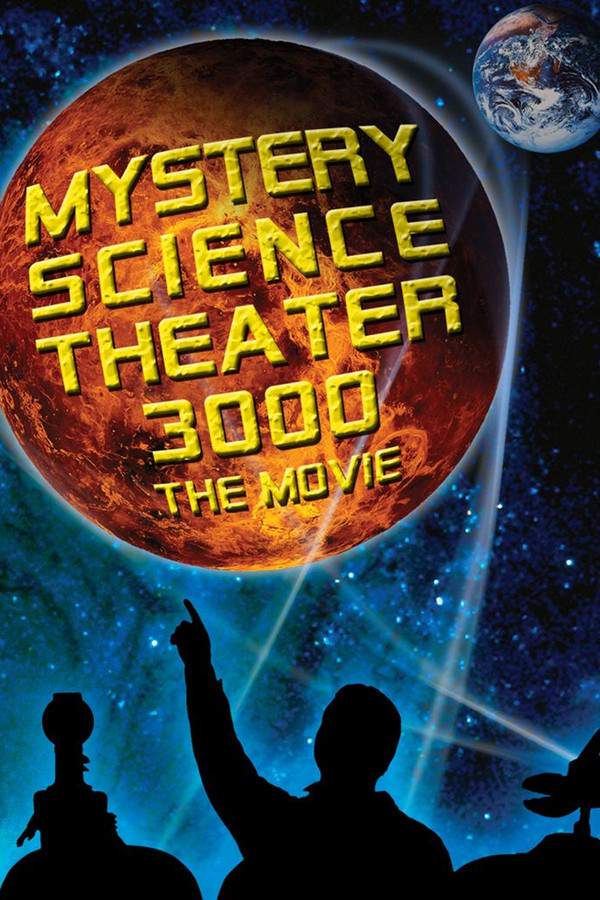
In a universe that balances absurdist comedy with classic science‑fiction tropes, a sprawling, retro‑futuristic lab hidden deep beneath the barren corridors of Deep 13 serves as the unlikely backdrop for a grand, if misguided, experiment. The eccentric mastermind behind the operation, Dr. Clayton Forrester, revels in theatrical monologues that break the fourth wall, establishing a tone that is simultaneously grandiose and tongue‑in‑cheek. The setting itself—an eerie blend of dimly lit chambers and the gleaming, cramped interior of the Satellite of Love—creates a whimsical contrast between the menace of a mad scientist’s ambition and the lighthearted spirit of an orbiting workshop.
At the heart of the story is a charismatic host thrust into this bizarre circumstance, Mike Nelson, whose quick wit and unflappable optimism make him the perfect foil for Forrester’s schemes. He shares the cramped quarters with a trio of charismatic robots: Crow T. Robot, whose earnest earnestness and penchant for digging literal and figurative holes, Tom Servo, a snarky, pop‑culture‑savvy commentator, and Gypsy, the gentle voice of reason who often mediates the group’s chaos. Their camaraderie is built on rapid‑fire banter, meta‑referential jokes, and a shared love of poking fun at cinematic missteps, establishing a dynamic that feels both collaborative and delightfully chaotic.
The central premise revolves around Forrester’s plan to compel viewers to endure a marathon of notoriously bad movies, turning the act of watching into a twisted form of torture. Yet the very nature of the protagonists—armed with razor‑sharp humor and a penchant for “riffing” on every absurdity—suggests that the experiment will become a stage for comedy rather than catastrophe. Their unique brand of commentary turns the looming threat into a playground for satire, inviting audiences to wonder how far the line between ridicule and rebellion will be pushed.
Across its runtime, the film maintains a breezy, self‑aware tone that celebrates the love‑letter to low‑budget cinema while simultaneously skewering it. The visual palette, rife with neon‑glow test tubes and the nostalgic hum of the satellite’s interior, reinforces a nostalgic sci‑fi aesthetic that feels both familiar and wildly inventive. As the characters navigate this surreal landscape, the audience is left with a playful sense of anticipation: will the mad scientist’s grand design survive the onslaught of relentless jokes, or will the heroes’ irreverent spirit turn the experiment into an unexpected triumph of humor over hubris?