





Plot Explained Spoilers guaranteed!
Plot Explained

Browse by genre

Murder in the First (1995) movie poster

Timeline

Murder in the First (1995) Timeline Explained – Every Event in Order

Release, runtime and language
1995 · 122 mins · English
JustWatch #7,679 10
Directed by
Marc Rocco
Starring
Gary Oldman, Brad Dourif, Stefan Gierasch, William H. Macy, Christian Slater, Stephen Tobolowsky

The trial that brought down Alcatraz A young, inexperienced public defender is assigned to defend an inmate accused of committing murder while behind bars.

On this page (6)
  1. 1 Where to watch
  2. 2 Events in order (11)
  3. 3 Timeline questions answered
  4. 4 Movie threads
  5. 5 Movies like Murder in the First
  6. 6 Every angle

Where to watch

Where to Watch Murder in the First (1995)

Where can you watch Murder in the First? Stream, rent or buy it in the US, including on Amazon Video, Apple TV Store and Fandango At Home: current JustWatch availability with up-to-date prices.

Streaming availability powered by JustWatch

11 events in order · contains spoilers

Murder in the First Timeline: Events in Chronological Order

Every key event of Murder in the First (1995) in order, scene by scene, with when and where it takes place. Use it to untangle flashbacks, time jumps and parallel storylines, to refresh your memory before the sequel or to find the exact scene you are thinking of.

  1. Henri Young's Childhood and Crime

    Henri Young, a 17-year-old orphan, attempts to find work at a grocery store but is denied. In desperation, he steals $5 to feed himself and his sister Rosetta, both living in poverty. His arrest leads to the upgrade of his crime to a federal offense, and he is sentenced to Leavenworth Penitentiary.

    Where
    Grocery store and Leavenworth Penitentiary, Kansas
  2. Transfer to Alcatraz

    After years in prison, Henri Young is transferred to Alcatraz, where he becomes vulnerable to oppressive treatment by associate prison warden Milton Glenn. His environment becomes harsher, setting the stage for future conflicts.

    Where
    Alcatraz Prison
  3. Escape Attempt

    Henri participates in a failed escape attempt with fellow prisoners Rufus McCain and Arthur Barker. The plan collapses after McCain's betrayal, Barker is killed, and Glenn punishes Henri by sending him to the dungeon known as 'the hole.'

    Where
    Alcatraz Prison
  4. Torture and Solitary Confinement

    Henri is subjected to brutal torture by Glenn, including beating, throwing down stairs, and using a straight razor. He is left in solitary confinement for three years, which severely damages his mental health.

    Where
    Alcatraz Dungeon
  5. Release and Psychotic Episode

    After his release from 'the hole,' Henri suffers a psychotic break in the prison cafeteria, during which he kills Rufus McCain with a spoon in front of staff and other inmates, signaling his mental collapse.

    Where
    Prison cafeteria
  6. Trial and Defense Strategy

    Henri's trial for first-degree murder begins, with Public Defender James Stamphill arguing that the harsh conditions at Alcatraz contributed to his insanity. The trial becomes highly politicized and contentious, with evidence of mistreatment coming to light.

    Where
    San Francisco courtroom
  7. Testimony and Evidence against Glenn

    Stamphill exposes Glenn's role in Henri’s torture, and reveals that Alcatraz repeatedly broke legal standards for prisoner confinement. The judge dismisses some crucial testimonies, but the evidence points towards systemic mistreatment.

    Where
    Courtroom session
  8. Rosetta's Visit and Henri’s Plea

    Stamphill arranges a visit with Rosetta, Henri’s sister, who is doing well and has named her baby after him. Henri considers changing his plea to guilty, expressing a desire to die rather than return to Alcatraz, but trusts Stamphill’s judgment.

    Where
    Courtroom and prison
  9. Conviction and Legal Outcomes

    Henri is convicted of involuntary manslaughter, with the jury recommending an investigation into Alcatraz. Stamphill plans to appeal and seek a transfer, but Henri is returned to Alcatraz and placed in 'the hole' on Glenn’s orders, believing he still 'won' in some way.

    Where
    San Francisco and Alcatraz
  10. Repercussions and Closure of Alcatraz

    Six months after the trial, the Supreme Court sides with the facts, leading to the closure of Alcatraz’s dungeons. Glenn is convicted of mistreatment and barred from working in the US penal system again. Stamphill reflects on Henri's influence on his life.

    Where
    Federal courtroom
  11. Alcatraz's Final Closure and Legacy

    Alcatraz officially closes as a prison in 1963. It becomes a major tourist attraction visited by over a million people annually, symbolizing a significant chapter in US penal history.

    When
    1963
    Where
    Alcatraz Island, California

Last updated: August 19, 2025 at 05:14

Was this helpful?

Timeline questions answered

Murder in the First Timeline Explained: Your Questions Answered

When does it happen, and why in that order? The questions people ask about the chronology of Murder in the First (1995): time jumps, flashbacks, cause and effect between scenes and the correct order of events, each answered with spoilers.

Q1

Why was Henri Young's $5 theft treated as a federal crime?

The grocery store where Henri stole the $5 also functioned as a post office. Because the theft occurred in a federal facility, his crime was escalated from a state offense to a federal offense, resulting in his transfer to Leavenworth Penitentiary instead of a local jail.

Foreshadowing: This escalation sets in motion Henri's path toward Alcatraz, a federal prison known for its harshest inmates.

  • federal crime
  • post office
  • theft
  • sentencing
  • Alcatraz path
Q2

Why was Henri Young punished with three years in solitary confinement?

After the failed escape attempt where McCain betrayed the plan and Barker was killed, associate warden Glenn used Henri as an example to maintain Alcatraz's reputation as inescapable. Glenn deliberately imposed extreme punishment to show dominance and prevent future escape attempts, condemning Henri to the dungeon known as 'the hole' for three years.

Foreshadowing: Glenn's obsession with Alcatraz's reputation foreshadows his ruthless treatment throughout the film.

  • solitary confinement
  • the hole
  • Glenn
  • punishment
  • escape attempt
Q3

Why did Henri Young kill Rufus McCain with a spoon?

After three years of relentless torture in solitary confinement, Henri's mental health was completely destroyed. When he was released back into the general population, he experienced a psychotic episode in the cafeteria. McCain, who had betrayed the escape plan years earlier, was the target of Henri's rage. In his mentally broken state, Henri stabbed McCain to death with a spoon.

Foreshadowing: The film foreshadows this breakdown through Henri's deteriorating mental state after prolonged isolation.

  • spoon
  • murder
  • psychotic break
  • McCain
  • mental illness
Q4

Why did Henri Young want to change his plea to guilty?

Henri told his lawyer Stamphill that he wanted to plead guilty because he believed dying would be easier than returning to Alcatraz. He knew he would be sent back there after the trial, and the thought of enduring the torture again was unbearable. It was not a statement of remorse but a desperate escape from further suffering.

Foreshadowing: This reveals Henri's understanding of what awaited him back at Alcatraz, making his ultimate fate more tragic.

  • guilty plea
  • Stamphill
  • death sentence
  • Alcatraz return
Q5

Why was Henri convicted of involuntary manslaughter instead of murder?

Public defender James Stamphill argued that the brutal conditions at Alcatraz and the three years of torture had driven Henri insane, making him incapable of premeditated murder. While Henri was convicted, the jury recognized his diminished mental capacity due to the systematic abuse, resulting in involuntary manslaughter rather than first-degree murder.

Foreshadowing: Stamphill's defense strategy was built on exposing the torture throughout the trial.

  • conviction
  • involuntary manslaughter
  • insanity defense
  • jury verdict
Q6

What happened to associate warden Glenn after the trial?

Glenn was charged with mistreatment of prisoners for his role in Henri's torture. He was convicted and permanently barred from working in the U.S. penal system. Though he faced legal consequences, he continued to practice law privately.

Foreshadowing: Glenn's downfall was foreshadowed by Stamphill's relentless questioning during the trial.

  • Glenn
  • convicted
  • mistreatment
  • prison
  • consequences
Q7

Why was Alcatraz closed after the trial?

The evidence presented at Henri's trial exposed the systematic torture and illegal confinement practices at Alcatraz. The Supreme Court later agreed with this evidence and ordered an investigation into the prison's conditions. This legal pressure, combined with the public exposure of abuse, led to Alcatraz's closure in 1963.

Foreshadowing: The jury's recommendation for a federal investigation planted the seeds for Alcatraz's ultimate shutdown.

  • Alcatraz closure
  • Supreme Court
  • federal investigation
  • 1963
Q8

What did "victory" written on Henri's cell walls mean?

When Henri was found dead in his cell, he had written "victory" on the walls. This was his final statement, a symbol of his resilience and refusal to be defeated, even in death. Despite being broken by torture and ultimately dying in prison, Henri's death was a silent protest against the system that destroyed him.

Foreshadowing: This ending ties back to Henri's earlier statement about wanting to change his plea because dying would be easier.

  • victory
  • cell walls
  • death
  • protest
  • resilience
Q9

Why did Rufus McCain betray the escape plan at Alcatraz?

The film doesn't provide a definitive reason for McCain's betrayal, but the result was catastrophic, Arthur Barker was killed by guards during the failed escape attempt. McCain's betrayal directly led to Glenn punishing Henri with three years in solitary confinement, setting in motion the events that would eventually result in McCain's own death.

Foreshadowing: This betrayal creates the chain of events that drives the entire film.

  • McCain
  • betrayal
  • escape
  • Barker
  • Alcatraz
Q10

What was the significance of Rosetta visiting Henri at trial?

Stamphill located Henri's sister Rosetta and arranged for her to visit during the trial. She told Henri she was doing well and had named her child after him. This visit was emotionally crucial for Henri, it gave him a connection to his past and a reason to keep fighting, though it also made his ultimate fate more tragic.

Foreshadowing: Rosetta's visit occurs during a pivotal moment when Henri is considering pleading guilty.

  • Rosetta
  • sister
  • visit
  • family
  • trial
Q11

How did three years in solitary confinement affect Henri Young?

The three years of torture in 'the hole' destroyed Henri's mental health. Glenn beat him, threw him down stairs, used a straight razor on his ankle, and left him naked in darkness for extended periods. When Henri was finally released, he was no longer the same person, he experienced psychotic episodes and could no longer distinguish reality from幻觉, ultimately leading to his violent outburst against McCain.

Foreshadowing: The film's steady depiction of torture builds toward Henri's eventual breakdown.

  • solitary
  • torture
  • mental health
  • insanity
  • psychosis
Q12

Why did Stamphill say it was the last time he saw Henri alive?

After the trial, Henri was returned to Alcatraz on Glenn's orders, placed back in 'the hole.' Stamphill intended to appeal and transfer Henri to a different facility to reopen his case, but before that could happen, Henri was found dead in his cell. Stamphill's narration reveals this was their final meeting.

Foreshadowing: Henri's desire to die rather than return to Alcatraz foreshadows this outcome.

  • Stamphill
  • last meeting
  • death
  • Henri
  • appeal

Movie threads

More Movies Like Murder in the First, by Mood & Story

Curated lists built around what makes Murder in the First tick: the same mood, the same kind of story or the same emotional payoff. Each list explains why these movies belong together.

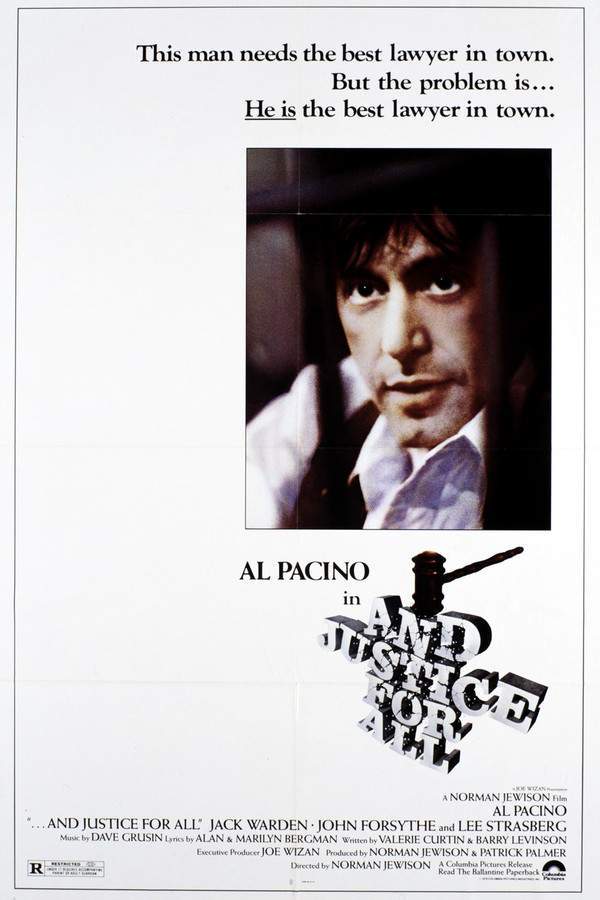
Legal Crusades for Justice like Murder in the First

Stories of flawed heroes using the courtroom to fight powerful, corrupt institutions. If you like courtroom dramas that expose systemic injustice, explore movies like Murder in the First. These films feature determined lawyers battling corrupt institutions, often based on true stories, offering a gripping and morally resolute viewing experience.

  • tense
  • resolute
  • gripping
  • somber
  • anxious
  • crusading
  • Tone: dark, resolute
  • Pacing: steady, procedural
Why these movies?

The story pattern: The narrative follows a legal professional who takes on a case that reveals a deep-seated institutional failure. The story unfolds through the investigation and trial, pitting the underdog against a powerful, unyielding system. The victory is often measured not just by the verdict, but by the societal change it ignites.

Why they belong together: Movies in this thread are grouped by their core conflict: a legal crusade against a corrupt system. They share a high-stakes, resolute tone, a steady pacing that builds through investigation and trial, and a central theme of seeking accountability from powerful, abusive institutions.

Claustrophobic Stories of Institutional Abuse like Murder in the First

Brutal stories of individuals breaking under extreme pressure within oppressive systems. Find movies similar to Murder in the First that explore the grim reality of institutional abuse. These stories depict the brutal psychological destruction of individuals within oppressive systems like prisons, creating a harrowing and claustrophobic experience for the viewer.

  • brutal
  • claustrophobic
  • grim
  • oppressive
  • somber
  • anxious
  • Tone: dark, grim, bleak
  • Pacing: steady, methodical
Why these movies?

The story pattern: The narrative chronicles a character's descent into madness or trauma caused by prolonged exposure to a cruel and confining system. The plot is a downward spiral, focusing on the mental and physical toll of survival against overwhelming oppression, often leading to a tragic yet impactful conclusion.

Why they belong together: These films are united by their harrowing exploration of psychological trauma within confined, oppressive worlds. They share a dark, grim tone, a steady pacing that emphasizes lingering dread, and a high intensity derived from the unrelenting brutality inflicted upon the protagonist.

If you liked this

Movies Like Murder in the First

Similar movies to Murder in the First: the same genre, themes or kind of story. Each one comes with its own plot summary, timeline and ending explained.

Browse all movie summaries

Every angle

Murder in the First (1995) Explained: Plot, Timeline & Characters

Everything about Murder in the First in one place: what happens in the plot summary, the timeline in chronological order, the characters and meaning and a spoiler-free summary. What's After the Movie adds the cast, box office and post-credit scenes.

Coming soon on iOS and Android

The Plot Explained Movie Summary App

Plot summaries, endings explained and timelines on your phone. Catch up on any movie in minutes, save your favorites and never miss a twist again.

Be the first to know when we launch. Your email stays private, always.

Learn more about the app