Year: 2002
Runtime: 17 mins
Language: Portuguese
Director: Júlio Maria Pessoa
The short film follows the harrowing daily existence of a young boy trapped in a dysfunctional, impoverished household, where his father subjects him to relentless sexual abuse. Leonardo Miggiorin delivers a powerful, nuanced performance as the victim, conveying the deep emotional scars and hopelessness of his situation.
Find where to stream, rent, or buy In the Name of the Father (2002) in the US with current JustWatch availability, up-to-date pricing, and platform listings for subscription, rental, and digital purchase options.
Warning: spoilers below!
Haven’t seen In the Name of the Father yet? This summary contains major spoilers. Bookmark the page, watch the movie, and come back for the full breakdown. If you're ready, scroll on and relive the story!
Read the complete plot breakdown of In the Name of the Father (2002), including all key story events, major twists, and the ending explained in detail. Discover what really happened, and what it all means.
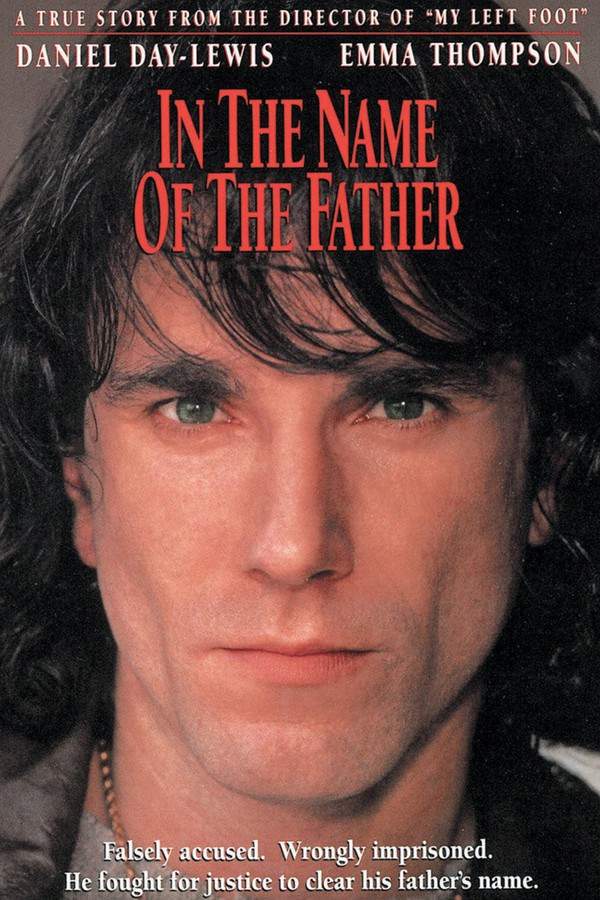
In Belfast, Gerry Conlon is mistaken for an IRA sniper by British security forces, and that misidentification sets off a harrowing sequence of events that drags his family into a dangerous struggle for truth and justice. The story introduces the family through the Mother, Denise Weinberg, and the Father, Elias Andreato, whose concerns for their son ripple through every decision they face. The Son, Leonardo Miggiorin, appears as part of the close circle around Gerry as the situation intensifies, underscoring how ordinary lives can be upended by political fear and state pressure.
To prevent an IRA reprisal against him, Gerry is sent to London by his father, Giuseppe, a move that will have consequences far beyond the immediate danger. The narrative then follows a fateful turn when Gerry robs a prostitute’s flat, taking £700, and, while spending time with his friend Paul Hill in a park with the homeless Irishman Charlie Burke, an explosion in Guildford devastates lives and leaves many injured. After this act, Gerry returns to Belfast and is swiftly captured by the British Army and the Royal Ulster Constabulary, charged with terrorism, and moved into a system designed to extract confessions.
Gerry is flown to England, where he and Paul, along with two others, are branded as the Guildford Four and subjected to brutal interrogation methods that amount to police torture. He insists on his innocence, but fear of losing his family leads him to sign a confession under duress. The pressure mounts as his father is arrested, along with other Conlon family members, later grouped under the Maguire Seven label. At the trial, despite a defence that highlights numerous inconsistencies in the police investigation, Gerry and the others are handed life sentences.
While incarcerated, Gerry and Giuseppe encounter a new inmate, Joe McAndrew, who reveals that he was the actual perpetrator of the bombing and had confessed to the police—information the authorities chose to withhold in order to protect their narrative. Though Gerry initially warms to Joe, his outlook shifts when Joe sets a guard on fire during a riot, illustrating the volatile and dangerous dynamics inside prison. Giuseppe dies in custody from tuberculosis, and Gerry finds himself carrying forward his father’s fight for justice.
A turning point arrives when Gareth Peirce, Giuseppe’s lawyer, reopens the investigation and uncovers vital evidence relating to Gerry’s original alibi, including a note ominously stating “Not to be shown to the defence.” A court appeal, backed by testimony from Charlie Burke, ultimately exonerates Gerry and the others, exposing the flaw in the case that had kept them behind bars for years. The film closes by recounting the ongoing plight of those wrongfully accused, noting that the police involved in the investigation were never prosecuted and that Giuseppe is buried in Milltown Cemetery in Belfast. It also points out, in stark terms, that the real perpetrators of the Guildford bombing have never been charged.
- Note: This summary uses actor links for the first mention of each provided cast member: Mother, Denise Weinberg; Father, Elias Andreato; Son, Leonardo Miggiorin.
Last updated: October 09, 2025 at 16:55
Explore frequently asked questions about In the Name of the Father (2002) with spoiler-rich answers covering the full plot summary, major story beats, character motivations, hidden details, and ending meaning. This movie summary FAQ helps explain confusing scenes, plot twists, and narrative decisions in clear, searchable detail.
Gerry Conlon was mistakenly identified as an IRA sniper by British security forces in Belfast. This misidentification triggered a dangerous chain reaction, with authorities associating him with terrorist activity despite his innocence. The error set in motion the events that would eventually ensnare him and his family in the British justice system.
The summary notes that this misidentification immediately entangles his entire family in fear and pressure to prove his innocence.
Giuseppe Conlon sent his son Gerry to London to protect him from an anticipated IRA reprisal. After Gerry was mistakenly identified as an IRA sniper, Giuseppe feared revenge attacks from the IRA themselves. However, this decision to send Gerry away would have consequences far beyond the immediate danger, as it placed Gerry in London where he would become entangled in the events leading to his wrongful conviction.
The timeline notes that this move marks a turning point as Gerry leaves Belfast and enters a system that will complicate his life.
While in London, Gerry robbed a prostitute's flat and took £700. Though this robbery was a separate crime, it became a catalyst for the police investigation that would wrongly link him to the Guildford bombing. The authorities used his criminal activity and association with Irish individuals in London to build a case against him, despite the robbery having no actual connection to the terrorist attack.
The timeline indicates this incident intertwines with the state's crackdown, shaping how events are later framed.
Gerry signed a confession despite his innocence because he was subjected to brutal interrogation methods that amounted to police torture. The intense pressure, fear for his family's safety, and the physically and psychologically coercive methods used by authorities led him to falsely confess. The summary notes that fear of losing his family was the primary reason he signed the confession under duress.
The narrative emphasizes that Gerry consistently insisted on his innocence throughout the ordeal.
Joe McAndrew was a new inmate who met Gerry Conlon in prison. He revealed that he was the actual perpetrator of the Guildford bombing and had already confessed this to the police. Shockingly, the authorities had suppressed this information to protect their narrative against the Guildford Four. This revelation changed Gerry's perspective on his case, though Joe later demonstrated the volatile nature of prison life by setting a guard on fire during a riot.
As the case against Gerry unfolded, his father Giuseppe Conlon was arrested along with other Conlon family members. They were later grouped under the 'Maguire Seven' label. This expanded the state's crackdown beyond Gerry, ensnaring his entire family in the wrongful terrorism prosecution. The family became entangled in a state-driven effort to lock away the supposed terrorists, with the atmosphere of suspicion casting a pall over everyone connected to Gerry.
Gareth Peirce, Giuseppe's lawyer, reopened the investigation and uncovered vital evidence relating to Gerry's original alibi. Most damning was a note that ominously stated 'Not to be shown to the defence,' suggesting the authorities deliberately tampered with evidence and withheld exculpatory information. This discovery of suppressed evidence became crucial to the appeal process and ultimately helped exonerate Gerry and the others.
Giuseppe Conlon died in prison from tuberculosis while incarcerated. His death occurred while serving a sentence alongside his son Gerry. The loss was devastating to Gerry, who resolved to carry forward his father's fight for justice and clear his name. Giuseppe's death in custody became a powerful symbol of the injustice suffered by the Conlon family.
Despite the wrongful convictions being overturned and the truth about the Guildford Four exposed, the police officers involved in the investigation and the coerced confessions were never prosecuted. The film explicitly notes this lack of accountability as a stark example of the injustice that pervaded the entire case. The real perpetrators of the Guildford bombing were also never charged, leaving the victims without closure and the wrongful conviction victims without full justice.
The real perpetrator was Joe McAndrew, who confessed to being the actual bomber and had already told police this truth. However, the authorities chose to withhold this information and instead pursued the false narrative against Gerry Conlon and the Guildford Four. The film notes that neither Joe McAndrew nor any other real perpetrators were ever charged for the bombing, leaving this aspect of the case unresolved.
Discover curated groups of movies connected by mood, themes, and story style. Browse collections built around emotion, atmosphere, and narrative focus to easily find films that match what you feel like watching right now.
Stories of individuals crushed by corrupt institutions and their struggle for exoneration.If you were gripped by the harrowing legal battle in In the Name of the Father, this list features similar movies where individuals face off against corrupt systems. These dramas explore themes of wrongful imprisonment, state corruption, and the arduous, emotionally heavy journey to prove one's innocence against insurmountable power.
Narratives in this thread typically begin with a devastating wrongful act by an authority, plunging the protagonist into a nightmarish reality. The story then follows a linear, often fast-paced descent into the machinations of the system, followed by a long, arduous climb toward uncovering the truth and achieving a partial, bittersweet victory that is tainted by the unresolved corruption.
These films are grouped by their shared focus on institutional abuse, the emotional weight of fighting for truth, and a dark, gripping tone. They resonate with viewers seeking intense, socially conscious stories about resilience in the face of systemic failure and the high cost of justice.
Intense journeys through trauma where survival leaves deep, lasting wounds.For those seeking the intense, harrowing survival experience of In the Name of the Father, this list collects movies with similar emotional gravity. These films feature protagonists enduring extreme trauma, high-stakes scenarios, and fast-paced narratives, leaving a profound impact with their grim tone and focus on the cost of survival.
The narrative pattern involves a protagonist being subjected to a relentless sequence of traumatic events. The story is a test of endurance, charting the physical and psychological breakdown and the small acts of defiance that constitute survival. The ending often acknowledges the survival but emphasizes the profound and permanent damage inflicted, resulting in a bittersweet or bleak resolution.
These movies are united by their high intensity, fast pacing, and heavy emotional weight. They share a dark, oppressive mood that is gripping and harrowing, appealing to viewers who want a visceral, emotionally draining cinematic experience centered on human endurance.
Don't stop at just watching - explore In the Name of the Father in full detail. From the complete plot summary and scene-by-scene timeline to character breakdowns, thematic analysis, and a deep dive into the ending - every page helps you truly understand what In the Name of the Father is all about. Plus, discover what's next after the movie.
Track the full timeline of In the Name of the Father with every major event arranged chronologically. Perfect for decoding non-linear storytelling, flashbacks, or parallel narratives with a clear scene-by-scene breakdown.
Discover the characters, locations, and core themes that shape In the Name of the Father. Get insights into symbolic elements, setting significance, and deeper narrative meaning - ideal for thematic analysis and movie breakdowns.
Discover movies like In the Name of the Father that share similar genres, themes, and storytelling elements. Whether you’re drawn to the atmosphere, character arcs, or plot structure, these curated recommendations will help you explore more films you’ll love.
In the Name of the Father (2002) Scene-by-Scene Movie Timeline
In the Name of the Father (2002) Movie Characters, Themes & Settings
In the Name of the Father (2002) Spoiler-Free Summary & Key Flow
Movies Like In the Name of the Father – Similar Titles You’ll Enjoy
The Father (2021) Ending Explained & Film Insights
In the Name of the Father (1993) Ending Explained & Film Insights
The Son (2003) Detailed Story Recap
Father (2022) Story Summary & Characters
How I Killed My Father (2002) Film Overview & Timeline
The Son's Room (2002) Ending Explained & Film Insights
Father & Sons (2018) Movie Recap & Themes
My Father My Lord (2007) Story Summary & Characters
Father and Godfather (2007) Film Overview & Timeline
Father (1988) Spoiler-Packed Plot Recap
El Father Plays Himself (2020) Story Summary & Characters
Dear Father (2022) Movie Recap & Themes
Our Father… (1993) Ending Explained & Film Insights
My Father, Myself (2022) Movie Recap & Themes
Padre Padrone (1977) Movie Recap & Themes