Plot Explained Spoilers guaranteed!
Plot Explained

Browse by genre

Murder One (1988) movie poster

Plot Summary

Murder One (1988) Plot Summary Explained

Release, runtime and language
1988 · 83 mins · English
Directed by
Graeme Campbell
Starring
Henry Thomas, Warren Van Evera, Stephen Shellen, Roger Barnes, Peter Faussett, David Mackay

The shocking assault on an innocent family ignited nationwide outrage. Based on the true story of Billy Isaacs, the film follows his fresh prison break, his brothers’ quick rescue, and how the entire dysfunctional clan launches a violent crime spree across a dozen states, leaving six innocent victims dead.

On this page (5)
  1. 1 What happens: full plot
  2. 2 Plot questions answered
  3. 3 Movie threads
  4. 4 Movies like Murder One
  5. 5 Every angle

Full plot summary · contains spoilers

What Happens in Murder One: Full Plot Summary

The whole story of Murder One (1988) explained, from the opening scene to the final frame: every key event, every twist and what it all adds up to. Read it as a quick recap before the sequel, to check a scene you missed, or to finally understand what really happened.

In 1973, two half-brothers Carl Isaacs James Wilder and Wayne Coleman Stephen Shellen, along with another man George Dungee Errol Slue, escape from a Maryland prison and pick up their teenage brother Billy Isaacs Henry Thomas, heading south on a brutal spree. <br>

Carl is the calm strategist who shapes the plan and assumes the role of leader, while Wayne is a ruthless, single-minded killer whose primary aim is to eliminate anyone who might witness their crimes. The dynamic between the two brothers sets a tense mood, revealing how loyalty can coexist with violent impulses.

When their car breaks down, the trio resorts to stealing another vehicle, killing the owner to show Billy how to join in their wrongdoing. They press on, ransacking a house for gas money before being interrupted by the occupants, who are shot in cold blood. The sequence of events marks a chilling display of their criminal impulse and the way fear and awe shape Billy’s budding involvement.

Billy, who at first admires his brothers, does not want to participate and longs to go home, but he cannot escape witnessing the escalating violence and the costs of their choices. The family ties that once offered some sense of belonging become a perilous influence as the spree continues.

They visit their mother, Mary Susan Bayliss, a prostitute who pays them little attention, a stark detail that underscores the neglect and rough upbringing surrounding the trio. The journey culminates with the group making their way to West Virginia on foot, where their paths cross authorities, leading to arrest. In 1974, the three escapees are convicted of murder; Billy testifies for the prosecution but receives a life sentence for his part in the crimes. The tale is told with a stark, unflinching lens that emphasizes the brutal realities of crime, family dynamics, and the consequences that ripple through every choice along the way.

Last updated: March 05, 2026 at 18:39

Was this helpful?

Plot questions answered

Murder One Plot Explained: Your Questions Answered

The questions people ask most about Murder One (1988): what happens in the confusing scenes, why the characters do what they do, the twists, hidden details and what the ending means. Each answer contains spoilers.

Q1

Why did Billy stay with his brothers during the crime spree if he didn't want to participate?

Billy remained with his brothers because he was a teenage boy who had just been picked up by older, dominant family members in a remote location. He had no money, no transportation, and no clear way to return home. Additionally, the brothers forced him to witness and later participate in murders, making him an accomplice and ensuring he could not go to authorities without incriminating himself.

Foreshadowing: The film establishes early that Billy admires his brothers but is reluctant, setting up his trapped position within the group.

  • billy isaacs
  • coerced
  • participation
  • family pressure
Q2

Why did the group kill the car owner after their vehicle broke down?

The brothers killed the owner to demonstrate to Billy exactly what would happen if he tried to betray them or go to the police. It was a deliberate act of intimidation meant to show Billy how easily they could kill and to illustrate that there was no going back. The murder forced Billy into deeper complicity and demonstrated the group's willingness to commit cold-blooded murder to protect themselves.

Foreshadowing: The earlier moment when they pick up Billy establishes the power imbalance between the older brothers and the teenager.

  • car theft
  • murder
  • intimidation
  • forcing participation
Q3

Why did Billy decide to testify against his brothers at trial?

Billy testified because he likely recognized that continuing to protect his brothers would only ensure he spent his entire life in prison. By cooperating with prosecutors, he may have hoped for a reduced sentence or believed his brothers were responsible for the murders he was forced to witness. His testimony also marked a final break from the family loyalty that had trapped him in the crime spree.

Foreshadowing: Throughout the spree, Billy's internal conflict grows as he witnesses increasingly brutal murders, foreshadowing his eventual rejection of his brothers.

  • testimony
  • betrayal
  • trial
  • prosecution
  • cooperation
Q4

Why did Billy receive a life sentence if he was reluctant and didn't initiate the violence?

Billy received life in prison because he was an accomplice to multiple murders during the crime spree. Even though he did not pull the trigger in most cases, the legal system holds participants equally culpable. His presence at the scenes of the crimes and his failure to escape or alert authorities made him legally complicit in the six murders committed during the brothers' rampage across multiple states.

Foreshadowing: The film makes clear Billy was present during each murder, witnessing and sometimes participating in the escalating violence.

  • life sentence
  • accomplice
  • murder conviction
  • legal consequences
Q5

What was the dynamic between Carl and Wayne during the crime spree?

Carl presented himself as the leader who planned and directed the group, attempting to maintain a sense of strategy and control. However, Wayne was the truly dangerous presence, a ruthless, single-minded killer who would eliminate anyone who witnessed their crimes without hesitation. The tension between Carl's attempted organization and Wayne's impulsive brutality defined the group's operations and created constant danger.

Foreshadowing: The escape scene establishes Carl as the planner and Wayne as the unpredictable killer from the very beginning.

  • carl isaacs
  • wayne coleman
  • leadership
  • brother dynamic
Q6

Why did the brothers visit their mother during the crime spree, and what was her reaction?

The brothers visited their mother Mary, who worked as a prostitute, seeking some form of family connection or support during their flight. However, Mary showed them little attention, essentially ignoring her sons. This stark moment reveals the deeply dysfunctional family environment that helped shape the brothers' criminal paths, their mother was absent even when her sons came to her during a desperate situation.

Foreshadowing: The mother's indifference underscores the neglect that defined the brothers' upbringing and explains their reliance on each other.

  • mary isaacs
  • mother
  • prostitute
  • family neglect
Q7

How did the crime spree end in West Virginia?

After exhausting their resources and unable to continue their random rampage, the three escapees traveled on foot toward West Virginia. Their movements eventually drew the attention of authorities, leading to their capture and arrest. The arrest marked the end of their murderous cross-country spree and initiated the legal process that would result in their conviction for the six murders committed during their flight.

Foreshadowing: The journey on foot represents the group's desperation and the inexorable path toward their inevitable downfall.

  • west virginia
  • arrest
  • capture
  • end of spree
Q8

Why did the group ransack the house looking for gas money, and what happened?

The brothers needed money for gas to continue their escape south, so they broke into a house searching for cash. When the occupants returned home and discovered the intruders, Wayne and the others shot them in cold blood. This murder escalated the group's brutality from property crimes to premeditated homicide, shattering any remaining boundaries Billy had witnessed.

Foreshadowing: The earlier car theft and murder had already lowered the group's moral threshold, making this shooting a logical escalation.

  • ransacking
  • gas money
  • murder
  • house break-in
Q9

Why did the group have no real plan or destination during their crime spree?

The escape from prison was improvised, and the brothers had no coherent strategy for what came after. They simply headed south with no specific destination, relying on opportunistic crimes to survive. This directionlessness reflects both their criminal mindset and the impulsive nature of their violence, the spree was driven by immediate impulses rather than any larger scheme.

Foreshadowing: The prison break scene establishes the lack of planning, with the brothers simply running without a destination in mind.

  • no plan
  • directionless
  • escape
  • random violence
Q10

Why was Billy forced to witness the murders instead of being left behind?

The brothers intentionally kept Billy with them and forced him to witness each murder as a way to ensure his silence and complicity. By making him an eyewitness to their crimes, they guaranteed he could not go to police without incriminating himself. This tactic of forced participation created a bond of guilt that made it impossible for Billy to abandon them or seek help.

Foreshadowing: The moment they pick up Billy establishes the power dynamic that will keep him trapped throughout the spree.

  • witness
  • forced participation
  • coercion
  • complicity

Movie threads

More Movies Like Murder One, by Mood & Story

Curated lists built around what makes Murder One tick: the same mood, the same kind of story or the same emotional payoff. Each list explains why these movies belong together.

Descent into crime stories like Murder One

Stories of characters spiraling into violence, losing their innocence along the way. If you were captivated by the grim downward spiral in Murder One, this collection features other movies that depict a chilling descent into crime, moral decay, and the loss of innocence. Find similar true crime dramas and fictional tales of characters falling from grace.

  • bleak
  • grim
  • tense
  • harrowing
  • desperate
  • unsettling
  • Tone: dark, bleak, harrowing
  • Pacing: fast, relentless
Why these movies?

The story pattern: The narrative pattern in these films is typically a linear, straightforward descent. Characters are pushed or pulled into a life of crime, often by family or circumstance, and the story follows their escalating violence and the consequent emotional and physical destruction. The journey is marked by a series of irreversible choices that lead to a tragic ending.

Why they belong together: These movies are grouped together because they share a core focus on the process of moral disintegration. They create a similar viewing experience through their dark tone, heavy emotional weight, and unflinching portrayal of how ordinary lives can be shattered by violence and poor choices.

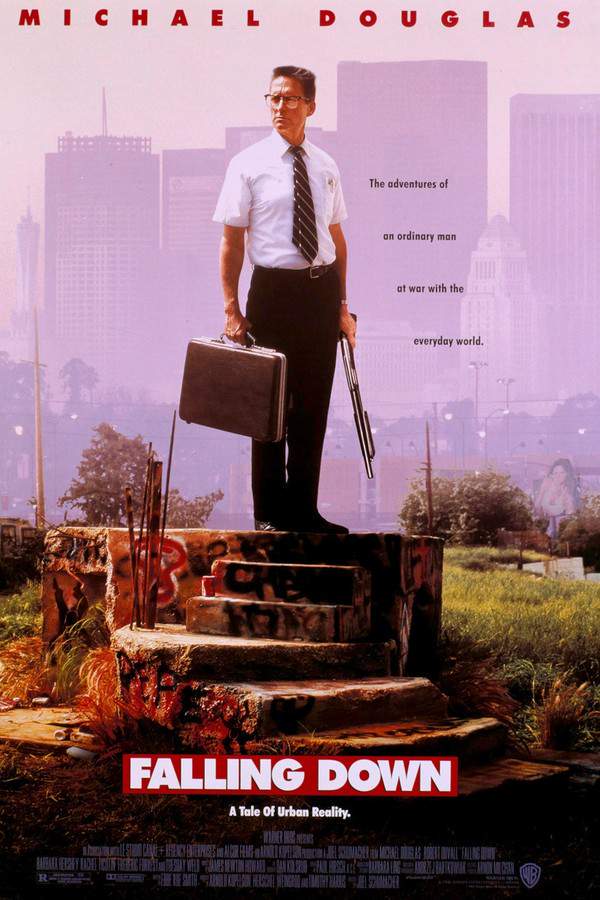
Bleak true crime movies similar to Murder One

Gritty, fact-based stories that focus on the brutal reality of crimes and their aftermath. For viewers who appreciated the harrowing, true-story foundation of Murder One, this list features other grim procedurals and crime dramas based on real events. Discover movies that share a similar cold, unsettling vibe and a focus on the devastating impact of violence.

  • true crime
  • gritty
  • unsettling
  • cold
  • harrowing
  • fact-based
  • Tone: dark, grim, unsettling
  • Pacing: fast, procedural
Why these movies?

The story pattern: Narratives in this thread are often straightforward and chronological, mirroring the real-life events they are based on. They document crimes, investigations, or criminal rampages with a detached, sometimes journalistic approach, emphasizing the emotional toll and societal impact rather than offering thrilling escapism.

Why they belong together: These films are united by their grounding in true crime, their commitment to a dark and bleak tone, and their ability to create a harrowing, unsettling atmosphere. They share a similar pacing that feels urgent and a narrative complexity that is often straightforward, focusing on the chain of events.

If you liked this

Movies Like Murder One

Similar movies to Murder One: the same genre, themes or kind of story. Each one comes with its own plot summary, timeline and ending explained.

Browse all movie summaries

Every angle

Murder One (1988) Explained: Plot, Timeline & Characters

Everything about Murder One in one place: what happens in the plot summary, the timeline in chronological order, the characters and meaning and a spoiler-free summary. What's After the Movie adds the cast, box office and post-credit scenes.

Coming soon on iOS and Android

The Plot Explained Movie Summary App

Plot summaries, endings explained and timelines on your phone. Catch up on any movie in minutes, save your favorites and never miss a twist again.

Be the first to know when we launch. Your email stays private, always.

Learn more about the app