Plot Explained Spoilers guaranteed!
Plot Explained

Browse by genre

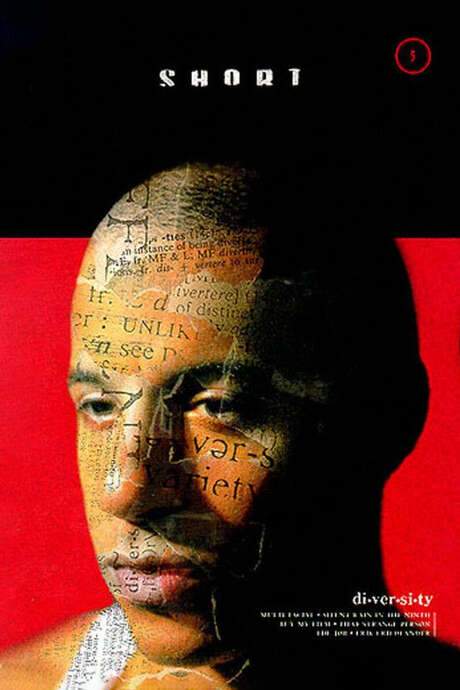
Multi-Facial (1995) movie poster

Characters & Themes

Multi-Facial (1995) Characters, Setting & Themes Explained

Release, runtime and language
1995 · 20 mins · English
Loading streaming availability…
Starring
Vin Diesel, Barry Burns, Kalimi Baxter, Colette Duvall, David Rainey, Ivan Jordain

Not too light, Not too Dark Through a series of auditions, a young actor in New York City struggles with his identity.

On this page (8)
  1. 1 Where to watch
  2. 2 Characters explained (1)
  3. 3 Where & when it takes place
  4. 4 Themes & meaning (3)
  5. 5 Character & meaning questions
  6. 6 Movie threads
  7. 7 Movies like Multi-Facial
  8. 8 Every angle
Loading streaming availability…

1 main characters · contains spoilers

Multi-Facial Characters Explained: Who Is Who

The main characters of Multi-Facial (1995), heroes and villains: what drives them, how they change over the course of the story and what each of them reveals about the film's bigger ideas.

  • Mike (Vin Diesel)

    A determined yet insecure aspiring actor navigating the brutal audition circuit in New York City. He experiments with voices and personas to win parts, while wrestling with his own sense of identity and the industry's biases. The character's frustration—marked by changing stories and a fast-paced monologue—highlights the pressure to perform and the risky line between authenticity and stereotype.

    • 🎭 Identity
    • 🗽 NYC Ambition
    • ⚖️ Casting Bias
    • 💪 Determination

Last updated: December 13, 2025 at 08:20

Was this helpful?

Setting

Where and When Does Multi-Facial Take Place?

The setting of Multi-Facial (1995): the year and time period, the places and locations, and how they shape the characters, the mood and the tension of the story.

Time period

Mid-1990s

Set in the mid-1990s, the film captures the era's dynamic casting culture and the racialized expectations placed on actors. Auditions unfold in urban venues where ethnicity and appearance can determine opportunities as much as talent. The period's pre-digital, face-to-face casting process emphasizes nerves, bias, and perseverance.

Location

New York City

New York City serves as the bustling backdrop for Mike's relentless audition circuit. The city amplifies the pressure to perform a marketable identity, with crowded rooms and sharp judgment from casting directors. Its street-level energy mirrors the frenetic pace of the entertainment industry depicted in the film.

  • 🎭 Audition culture
  • 🗽 City life

Last updated: December 13, 2025 at 08:20

Was this helpful?

3 major themes

Multi-Facial Meaning: Themes & Message Explained

What is Multi-Facial (1995) really about? The emotional, social and philosophical themes the film keeps returning to, its symbolism and the message beneath the surface.

  • Identity

    Mike negotiates his own identity through accents, stories, and appearance, highlighting how actors perform identities to fit roles. The film shows that authenticity is often compromised by market demands and stereotypes. The monologue about a friend becomes a risky weapon in his career, illustrating how personal history can be weaponized or dismissed. The struggle reveals the fragile boundary between self-expression and marketplace expectations.

  • Casting Bias

    Directors remark that Mike's skin tone is 'a little too light,' exposing colorism in auditions. The search for a 'Wesley type' and the rejection due to perceived ethnicity shows how bias shapes who gets opportunities. The film places bias at the center of career progression, turning every audition into a test of acceptable identity. It suggests systemic hurdles hinder authentic voices.

  • Ambition vs Reality

    Mike's ambition drives him through a string of auditions, even when the material is offensive or impractical. He grapples with the gap between his talent and the roles available to him, revealing the cost of pursuing fame. The diner moment at the end underscores the constant negotiation between aspiration, compromise, and the desire to be seen.

Last updated: December 13, 2025 at 08:20

Was this helpful?

Character & theme questions

Multi-Facial Characters & Meaning: Your Questions Answered

The questions people ask about Multi-Facial (1995): who the characters really are, their relationships, what the symbols mean, where it takes place and what the movie is really about. Each answer contains spoilers.

Q1

Where does the story take place?

The film is set entirely in New York City, using the bustling urban environment as a backdrop for the protagonist's audition circuit. Multi-Facial leverages the city's energy to mirror the frenetic pace and pressure of the entertainment industry. Locations range from crowded casting rooms to street-level scenes that emphasize isolation.

  • new york city
  • setting
  • location
  • urban backdrop
Q2

When is the film set?

Multi-Facial takes place in the mid-1990s, capturing a pre-digital era of casting where face-to-face auditions were the norm. This time period highlights the racialized expectations and biases prevalent in the industry before online submissions changed the process. The era contextualizes the nervousness and immediate judgment faced by actors.

  • 1990s
  • time period
  • era
  • casting history
Q3

What does the title refer to?

The title Multi-Facial references a casting director's comment that the protagonist's skin tone is not too light and not too dark. This phrase encapsulates the central conflict of identity and colorism that defines the character's experience. In Multi-Facial, the title serves as a metaphor for the ambiguity imposed on mixed-heritage actors.

Foreshadowing: The opening auditions hint at how appearance dictates opportunity.

  • title meaning
  • colorism
  • skin tone
  • metaphor
Q4

What is the central theme regarding identity?

The movie explores how actors must perform different identities to fit market demands, often compromising authenticity. Multi-Facial shows that self-expression is frequently weaponized or dismissed depending on the role required. The struggle highlights the fragile boundary between being oneself and playing a part.

  • identity
  • authenticity
  • performance
  • self-expression
Q5

How does the film portray casting bias?

Multi-Facial places bias at the center of career progression, showing how ethnicity and appearance determine opportunities as much as talent. Directors remark on skin tone and seek specific ethnic types, exposing systemic hurdles for authentic voices. Every audition becomes a test of acceptable identity rather than pure skill.

  • casting bias
  • racism
  • ethnicity
  • discrimination
Q6

Who is the main character?

The protagonist is Mike, a determined yet insecure aspiring actor navigating the brutal audition circuit in New York City. He experiments with voices and personas to win parts while wrestling with the industry's biases. Mike's frustration highlights the pressure to perform and the risky line between authenticity and stereotype.

  • mike
  • protagonist
  • character profile
  • actor
Q7

Who plays the lead role?

Vin Diesel portrays Mike, marking one of his earliest roles before becoming a major Hollywood star. Multi-Facial is semi-autobiographical, drawing from Diesel's own struggles as a young actor in New York. His performance grounds the film in a raw, personal experience of rejection and perseverance.

  • vin diesel
  • cast
  • actor
  • real life
Q8

How is the audition process depicted?

The film depicts the audition process as repetitive, brutal, and heavily dependent on first impressions. Multi-Facial structures the narrative around a linear sequence of similar scenarios that methodically build the theme of exclusion. Casting rooms are shown as places of sharp judgment where nerves and bias intersect.

  • auditions
  • casting process
  • industry
  • rejection
Q9

What message does the film send about ambition?

Multi-Facial suggests that ambition often requires compromising personal integrity to fit marketable stereotypes. Mike grapples with the gap between his talent and the roles available, revealing the cost of pursuing fame. The story underscores the constant negotiation between aspiration and the desire to be seen authentically.

  • ambition
  • reality
  • compromise
  • fame
Q10

What is the overall emotional tone?

The tone is dominantly melancholic, driven by the protagonist's quiet isolation and systemic rejection. Multi-Facial avoids being bleak, instead landing on a reflective and ambiguous note that invites viewer contemplation. The intensity remains medium, focusing on emotional weight rather than graphic trauma.

  • tone
  • mood
  • melancholic
  • emotion
Q11

Is the ending resolved or open?

The ending is ambiguous, with the protagonist's silent reaction suggesting a mix of resignation and self-awareness rather than clear resolution. Multi-Facial concludes without a traditional triumph, emphasizing the ongoing nature of the struggle. This open finish aligns with the film's realistic portrayal of the industry.

Foreshadowing: Early rejections set the expectation for unresolved tension.

  • ending
  • ambiguous
  • resolution
  • conclusion
Q12

Is the story based on real events?

Multi-Facial is largely autobiographical, reflecting Vin Diesel's own experiences trying to break into the acting world during the 1990s. The script draws from real-life rejection and the specific biases faced by mixed-heritage actors. This personal connection adds authenticity to the depiction of industry hurdles.

  • autobiographical
  • real story
  • vin diesel
  • inspiration

Movie threads

More Movies Like Multi-Facial, by Mood & Story

Curated lists built around what makes Multi-Facial tick: the same mood, the same kind of story or the same emotional payoff. Each list explains why these movies belong together.

Movies about urban identity crises like Multi-Facial

Character-driven stories of lonely souls wrestling with identity in the big city. If you liked the quiet, introspective mood of Multi-Facial, explore more movies about characters grappling with identity and isolation in the city. These films share a similar steady pacing and melancholic tone, focusing on personal struggles within an urban environment.

  • introspective
  • urban
  • lonely
  • melancholic
  • frustrating
  • identity
  • Tone: melancholic, introspective
  • Pacing: steady, deliberate
Why these movies?

The story pattern: These narratives often follow a 'day-in-the-life' structure, charting a character's journey through a series of encounters or events that challenge their sense of self. The conflict is usually internal, stemming from a disconnect between who they are and how the world perceives them, leading to a moment of bittersweet or ambiguous self-recognition.

Why they belong together: These films are grouped together because they share a specific mood of urban melancholy and a thematic focus on internal identity struggles. They connect through their steady pacing, medium emotional intensity, and a visual and narrative emphasis on the individual's place within a larger, often impersonal, social system.
Movies about systemic disillusionment like Multi-Facial

Stories where characters face systemic barriers and achieve a wry, resigned understanding. Find movies similar to Multi-Facial that explore themes of fighting against systemic typecasting and bias. These dramas often feature a steady build-up of frustration leading to an ambiguous ending, perfect for viewers who appreciated the film's cynical yet reflective look at show business and identity.

  • frustrating
  • cynical
  • systemic
  • introspective
  • melancholic
  • resigned
  • Tone: cynical, melancholic
  • Pacing: steady, rhythmic
Why these movies?

The story pattern: The narrative pattern involves a character repeatedly butting against an immutable system, with each attempt highlighting a different facet of the problem. This creates a rhythm of hope and rejection. The arc typically ends not with a resolution of the external conflict, but with an internal shift where the character gains a painful, clear-eyed view of their situation.

Why they belong together: These movies are connected by their central theme of individuals grappling with impersonal systems and the specific emotional journey from hope to frustrated recognition. They share a similar tone blending cynicism and melancholy, a straightforward narrative structure that methodically builds its case, and endings that favor complex realism over simple closure.

If you liked this

Movies Like Multi-Facial

Similar movies to Multi-Facial: the same genre, themes or kind of story. Each one comes with its own plot summary, timeline and ending explained.

Browse all movie summaries

Every angle

Multi-Facial (1995) Explained: Plot, Timeline & Characters

Everything about Multi-Facial in one place: what happens in the plot summary, the timeline in chronological order, the characters and meaning and a spoiler-free summary. What's After the Movie adds the cast, box office and post-credit scenes.

Coming soon on iOS and Android

The Plot Explained Movie Summary App

Plot summaries, endings explained and timelines on your phone. Catch up on any movie in minutes, save your favorites and never miss a twist again.

Be the first to know when we launch. Your email stays private, always.

Learn more about the app