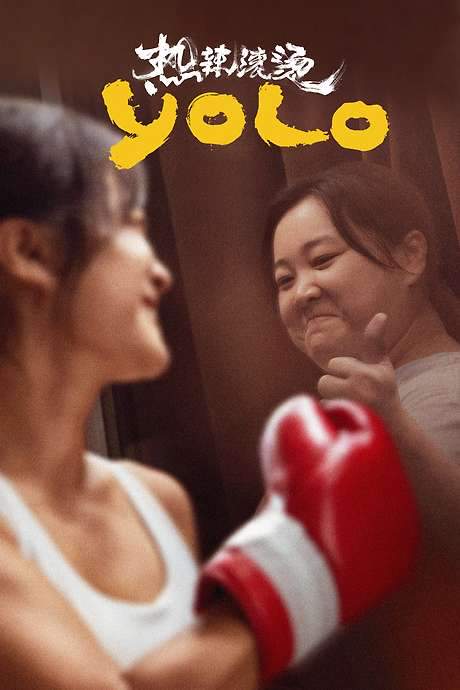
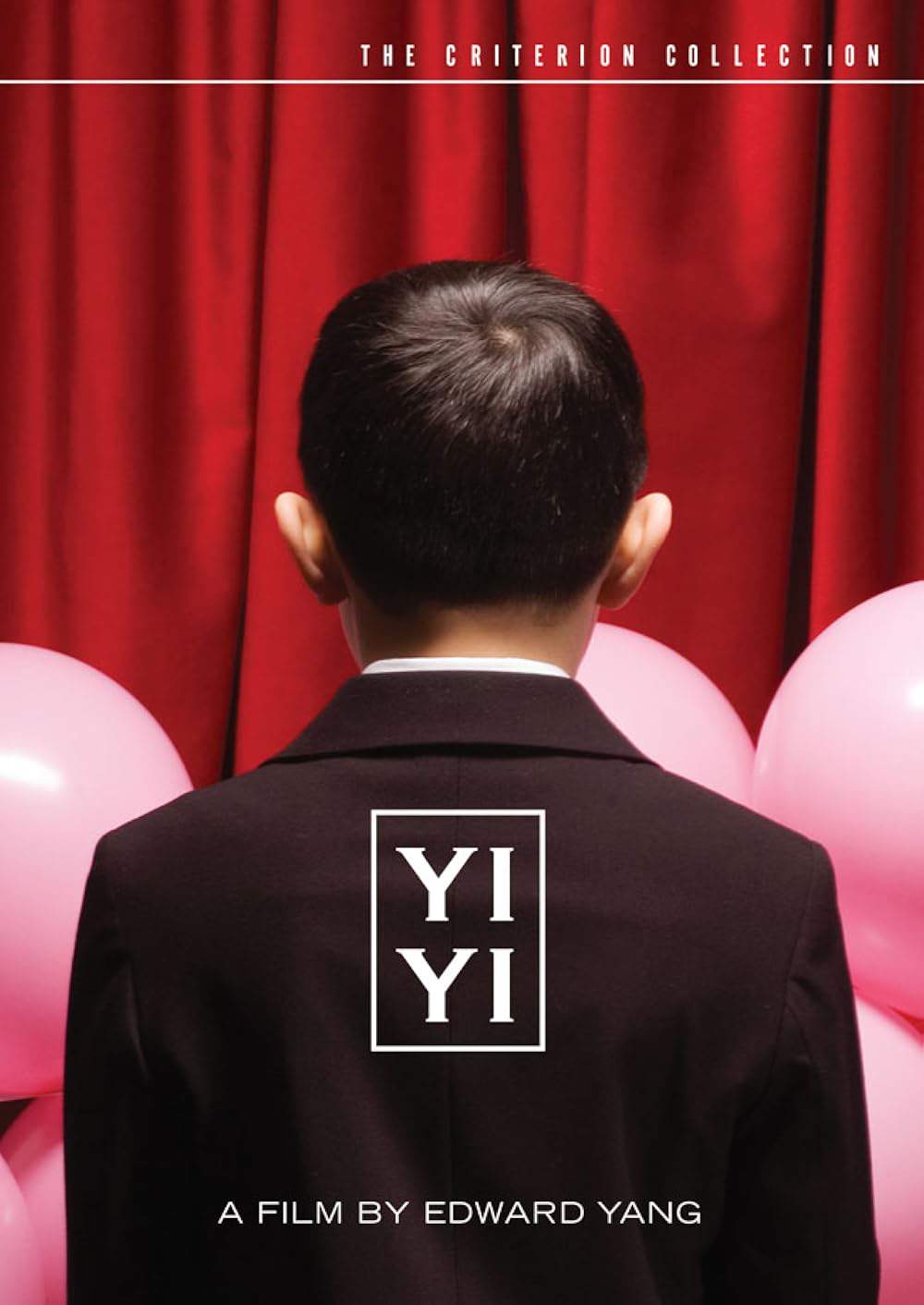
Yang-Yang, Sandrine Pinna, a Taiwanese-French biracial girl, has never met her French biological father and cannot speak French. Her mother, Yu Tai-Yan, has remarried the track and field team coach, Coach Chen Chu Lu-hao, weaving Yang-Yang into a blended family that includes the coach’s daughter Xiao-Ru. This sudden domestic shift tests her sense of belonging and pulls two very different worlds into one home, forcing Yang-Yang to negotiate a complex mix of loyalties, expectations, and identity. The changes ripple through her days at school and her quiet moments of self-reflection, shaping a life where public performance and private doubt often collide.
On the track, Xiao-Ru becomes more than a rival; she embodies the pressures of the new arrangement, turning competition into a personal battlefield. The rivalry bleeds into their daily interactions, making every practice feel charged with unspoken grievances and unsteady alliances. Yang-Yang’s resolve is tested as she balances the heat of sport with the demands of a family that seems to move in two different directions at once. The tension erupts when Xiao-Ru schemes to disqualify Yang-Yang from a key meet, a calculated move born from jealousy and fear of losing status within the coach’s orbit. The fallout forces Yang-Yang to leave home, setting her on a path that feels both frightening and exhilarating.
Seeking a new future, Yang-Yang turns toward show business, stepping into a world that promises visibility and independence. With the guidance of Jag Huang Ming-Ren, a former classmate who has become a talent manager, she begins to chart a different course. Ming-Ren’s mentorship opens doors and introduces Yang-Yang to people who see beyond the track, offering her a chance to redefine herself in a milieu that prizes charisma, timing, and story. The transition from athlete to movie star is not smooth or clean; it is a learning curve full of sharp angles and unexpected twists, where every decision can reshape how others read her.
Yet the industry’s spotlight comes with its own burdens. Yang-Yang’s biracial appearance proves to be a double-edged sword: it helps her stand out and draws attention, but it also invites a constant scrutiny over authenticity and representation. She finds herself repeatedly asked to perform a French persona—an identity she has distanced herself from since childhood—while simultaneously being celebrated for the very traits that mark her difference. The tension between living as she is and performing as others expect her to be becomes a central loop in her day-to-day life, turning moments of triumph into opportunities for second-guessing and fatigue.
The journey from athlete to movie star is a tapestry of challenges, from navigating a media landscape that loves spectacle to facing cultural expectations that tug at her sense of self. Through it all, Yang-Yang clings to a core question that feels both ancient and urgent: Who am I? The answer unfolds as a negotiation between personal truth and public perception, a question complicated by race, gender, and the conservative pressures of Taiwan’s society. This story invites readers to witness a young woman’s ongoing attempt to harmonize her multiple identities, to find a voice that feels true, and to decide what kind of person she wants to become when the world is watching. In the end, Yang-Yang’s experiences illuminate resilience, the courage to redefine one’s path, and the stubborn hope that sunshine can come from embracing who you are, even when the road ahead remains uncertain.