Year: 1990
Runtime: 101 mins
Language: English
Director: Bruce Beresford
In 1923 British‑colonial Nigeria, an educated Black man named Mister Johnson feels out of place among both his fellow Nigerians and the British officials. Employed by the local magistrate and convinced he is English despite never having visited England, he constantly schemes to advance himself, a habit that repeatedly lands him in hot water.
Warning: spoilers below!
Haven’t seen Mister Johnson yet? This summary contains major spoilers. Bookmark the page, watch the movie, and come back for the full breakdown. If you're ready, scroll on and relive the story!
Explore the full timeline and setting of Mister Johnson (1990). Follow every major event in chronological order and see how the environment shapes the story, characters, and dramatic tension.
Last updated: October 04, 2025 at 12:51
Meet the key characters of Mister Johnson (1990), with detailed profiles, motivations, and roles in the plot. Understand their emotional journeys and what they reveal about the film’s deeper themes.
Last updated: October 04, 2025 at 12:51
Explore the central themes of Mister Johnson (1990), from psychological, social, and emotional dimensions to philosophical messages. Understand what the film is really saying beneath the surface.
Last updated: October 04, 2025 at 12:51
Browse frequently asked questions about Mister Johnson (1990) focused on characters, relationships, themes, symbols, setting, and story context. This movie info FAQ gives spoiler-aware explanations for character arcs, world details, and thematic interpretation so readers can better understand what the film is really about.
The movie is set in colonial Nigeria during British rule. Key locations include the North Road project, which is a major government infrastructure endeavor, and the Zungo area where Bamu's family lives. The setting highlights the friction between colonial authority and traditional Nigerian life.
The story takes place in the early 20th century, specifically around 1923 during the era of British colonial rule in Nigeria. The period is characterized by formal colonial authority, government-led infrastructure projects like road building, and the daily realities of life under imperial rule.
Mister Johnson is a Nigerian man who has adopted British colonial mannerisms and style. He works for the local magistrate as a colonial administrator and considers himself English despite never having visited England. He is ambitious, opportunistic, and constantly schemes to advance himself, though his actions repeatedly get him into trouble.
Harry Rudbeck is the colonial judge overseeing the North Road project in the Nigerian territory. He is pragmatic and financially pressed, balancing the enforcement of authority with personal career risk. His decisions are pivotal to Johnson's fate and form the moral center of the story.
The movie explores how colonial power is exercised through judges and officials who shape policy, economics, and everyday life. Rudbeck's decisions demonstrate how authority can advance projects while risking personal and public consequences. Johnson learns to navigate these structures, sometimes bending rules to survive, exposing how power can corrupt or constrain individuals within an imperial system.
Johnson's adopted colonial persona contrasts sharply with Bamu's traditional Nigerian role, highlighting the pressures of emulation versus heritage. Wedding ceremonies, family duties, and social expectations become battlegrounds for cultural change. Modern infrastructure and governance collide with local customs, underscoring the difficulty of reconciling two worlds.
Johnson's loyalty to Britain drives many of his actions, even when they harm his family and neighbors. The plot tests allegiance as personal gain clashes with duty and survival. Betrayal manifests through theft, deception, and the escalating conflict between Johnson and his colonial patrons. The story reveals the moral ambiguity of loyalty in a colonial setting.
The story escalates from theft and intimidation to lethal violence, culminating in Sargy Gollup's death and Johnson's execution. The colonial justice system operates within the power structure, where punishment serves state interests. Rudbeck's decision to shoot Johnson frames justice as a brutal, career-influencing act, inviting reflection on whether true justice exists in such a system.
Bamu is Johnson's wife who maintains traditional expectations of wifehood and family within the colonial world. She represents the pull between marriage, tradition, and modern life. Her character highlights the tension between personal relationships and the changing social landscape of colonial Nigeria.
The movie depicts the colonial administration through the North Road project, a major government infrastructure endeavor. It shows the interactions between British officials and local communities, including cash books, audits, and cross-cultural exchanges that shape characters' decisions. The period emphasizes formal authority, financial pressures, and the daily realities of life under empire.
The relationship between Johnson and Rudbeck is complex and pivotal to the story. Johnson works under Rudbeck's authority in the colonial administration, and his schemes repeatedly create tension. Rudbeck must balance his personal interests and career with the moral implications of Johnson's actions, ultimately playing a decisive role in Johnson's fate.
Discover curated groups of movies connected by mood, themes, and story style. Browse collections built around emotion, atmosphere, and narrative focus to easily find films that match what you feel like watching right now.
Stories of individuals crushed by the oppressive machinery of colonialism.If you appreciated the colonial setting and tragic narrative of Mister Johnson, this collection features other movies like it. Discover similar drama stories that explore identity crisis, moral decay, and the heavy emotional weight of life under oppressive systems.
These narratives often follow a character who attempts to navigate or succeed within a colonial or similarly rigid power structure. Their efforts to belong or advance lead to a gradual moral compromise and ultimately a tragic outcome, highlighting the inhumanity of the system itself.
These films are grouped by their shared setting within oppressive systems and their focus on the tragic, inevitable downfall of a central character. They share a melancholic tone, heavy emotional weight, and a somber mood centered on themes of identity loss and systemic injustice.
Methodical portraits of a character's inevitable and heartbreaking descent.For viewers who liked the steady pacing and heavy emotional journey of Mister Johnson, this list compiles movies with a similar vibe. Find other character-driven dramas with melancholic tones, sad endings, and stories of tragic downfalls.
The narrative pattern is a linear, character-focused descent. The pacing is steady, allowing the audience to intimately understand the protagonist's flawed perspective and motivations. The story builds with a sense of fatalism towards an ending that feels both shocking and inevitable.
This thread connects films based on their shared focus on a single character's tragic arc, told with a steady, deliberate pace and a overwhelmingly melancholic tone. The emotional experience is defined by heavy weight and a profound sense of loss.
Don't stop at just watching - explore Mister Johnson in full detail. From the complete plot summary and scene-by-scene timeline to character breakdowns, thematic analysis, and a deep dive into the ending - every page helps you truly understand what Mister Johnson is all about. Plus, discover what's next after the movie.
Read a complete plot summary of Mister Johnson, including all key story points, character arcs, and turning points. This in-depth recap is ideal for understanding the narrative structure or reviewing what happened in the movie.
Track the full timeline of Mister Johnson with every major event arranged chronologically. Perfect for decoding non-linear storytelling, flashbacks, or parallel narratives with a clear scene-by-scene breakdown.
Discover movies like Mister Johnson that share similar genres, themes, and storytelling elements. Whether you’re drawn to the atmosphere, character arcs, or plot structure, these curated recommendations will help you explore more films you’ll love.
Mister Johnson (1990) Plot Summary & Movie Recap
Mister Johnson (1990) Scene-by-Scene Movie Timeline
Mister Johnson (1990) Spoiler-Free Summary & Key Flow
Movies Like Mister Johnson – Similar Titles You’ll Enjoy
Adanggaman (2001) Movie Recap & Themes
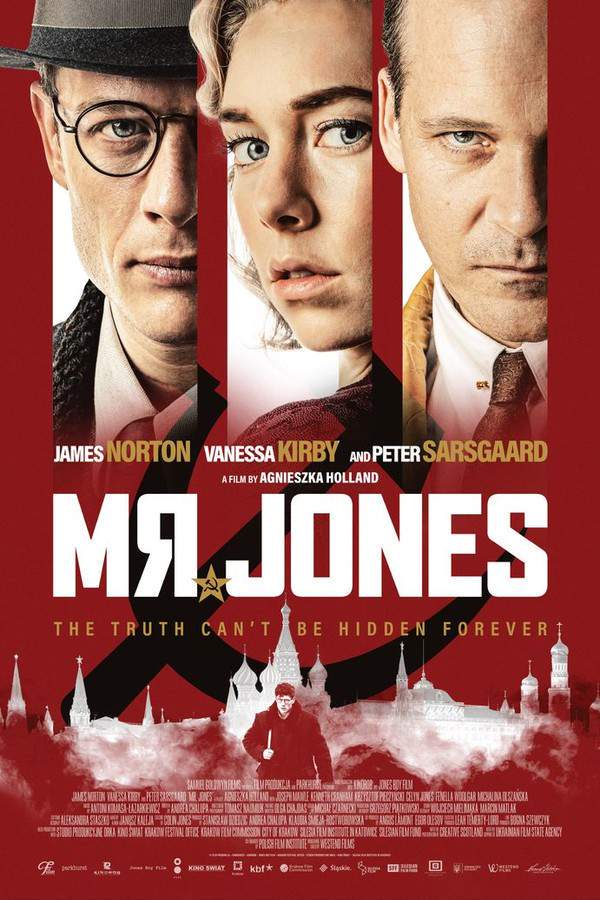
Mr. Jones (2020) Complete Plot Breakdown
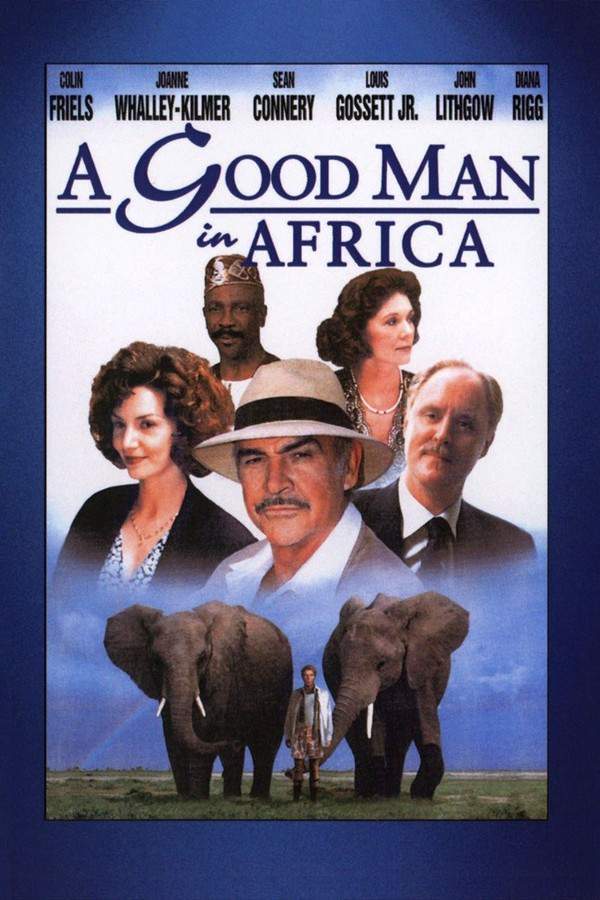
A Good Man in Africa (1994) Spoiler-Packed Plot Recap
Nigerian Prince (2018) Spoiler-Packed Plot Recap
Mr. Jones (1993) Plot Summary & Ending Explained
Black Commando (1982) Full Movie Breakdown
Tom Jones (1000) Movie Recap & Themes
The River Niger (1976) Full Summary & Key Details
Mister Moses (1965) Detailed Story Recap
Big Fella (1937) Story Summary & Characters
Sanders of the River (1935) Spoiler-Packed Plot Recap
Black Joy (1977) Detailed Story Recap
Emperor Jones (1933) Story Summary & Characters
My Name Is Joe (1998) Ending Explained & Film Insights
Moses Jones (1000) Movie Recap & Themes